What If the Only Thing Between You and the Life You Deserve Is a Hidden Wealth Code Waiting to Be Activated
>>> Open the Door <<<

Shooting great cooking videos in a tiny kitchen can feel like a tight squeeze, but it’s also a chance to get creative. A smartphone makes it simple to grab clean footage without heavy gear or a big setup. You’ll learn practical tricks that keep your audience focused on the food, not the surroundings.
In this guide you’ll discover how to stage your shot, light well with what you already have, and keep audio clear even when space is tight. You don’t need fancy equipment to produce clear, engaging tutorials. With a few tweaks, you can turn limited space into a friendly, inviting cooking classroom.
The core idea is to plan around your space and your moves. Position the camera to capture key actions like chopping, stirring, and plating. Use natural light when possible and shorten clips to highlight essential steps. We’ll cover how to frame your ingredients, manage background clutter, and use quick transitions that feel natural.
By the end you’ll have a simple, repeatable setup you can use again and again. This approach keeps things fast, approachable, and fun for viewers. Whether you’re filming in a studio apartment or a compact kitchen, you can deliver clear, helpful tutorials that connect with your audience, using just a phone. The goal is straightforward: film cooking tutorials with phone small kitchen in a way that feels effortless and real.
She Pressed Play on a Strange Audio Track and Within Days Her Financial Reality Started Shifting in Ways She Could Not Explain
>>> See How It Works <<<

Prep Your Small Kitchen for Smooth Filming
Filming in a tiny kitchen means every inch of space counts. The goal is to create a clean, practical backdrop that helps your viewers focus on the cooking itself. A few targeted prep steps can transform clutter into calm, making your phone footage look professional without a heavy setup. Below are practical actions you can take now to set the stage for crisp shots, steady footage, and smooth narration.
Clear Clutter and Organize Your Counter
Take 10 minutes to clear the counter and group ingredients in logical stations. Start by removing nonessential items from the shooting area. Put ingredients you’ll use in order of cooking on a single, easy-to-reach surface. Use small, labeled containers for spices and dry goods so they stay tidy while you film.
- Group ingredients by task: mise en place near your prep area, spices together in a shallow tray, and utensils in a compact container.
- Use vertical storage to free counter space. A wall-mounted rack or magnetic strip keeps frequently used tools within arm’s reach.
- Consider under-sink or cabinet organizers for bulk items. Clear bins and transparent jars let you spot what you need at a glance.
- Style the space with minimal, purposeful props. A clean cutting board, a single bowl, and a bright knife can add visual appeal without clutter.
Storage hacks that work well in small kitchens
- Put a compact pull-out organizer in a drawer for utensils you grab most. It keeps them accessible and viewable.
- Use vertical dividers in cabinets to separate plates, bowls, and measuring cups. This reduces rummaging and keeps shots tidy.
- Hang a slim pot rack or pegboard behind the stove if wall space allows. It declutters counters while giving a professional look to your kitchen set.
- Create a “power station” near an outlet for your camera, light, and charging devices. A small tray with cable clips reduces visible wires in your frame.
Keeping counters clean matters because it directs attention to the ingredients and the technique. When clutter isn’t competing for space, your audience sees the cooking action clearly and understands each step. For inspiration on arranging countertops in a stylish yet practical way, check out expert ideas like countertop organization and storage strategies from trusted sources.
For practical ideas on decluttering and countertop optimization, see these resources:
- Kitchen Counter Organization: Pretty Ways to Keep Your Countertops Clear
- Creative ways to declutter countertops around the home
Pick the Best Spot for Your Phone Setup
Choosing where to place your phone is half the battle. The right spot makes the action easy to follow and preserves the flow of your tutorial. Think about proximity to the sink and stove, as well as lighting and safety.
- Near the sink: A spot here offers easy access to water for rinsing ingredients, but splashes are a risk. Use a splash guard or angle the phone so water can’t reach it.
- Near the stove: This is ideal for showing sizzling stages, flipping, and plating. Position the phone slightly above eye level to avoid blocking the view of your hands.
- Corners vs center: A corner setup can feel intimate and keep walls out of frame, but it may limit space for wider shots. A center setup gives you more control over framing, yet you may need to rearrange background elements to avoid distractions.
Safety tips around heat and devices
- Keep the phone away from open flames and hot surfaces. Use a heat-resistant stand if possible.
- Avoid placing the phone where steam can fog the lens. A small shield or tilt can help keep the camera clear.
- If you share a small kitchen with others, designate a quick, safe filming corridor where you won’t bump into hot pans or boiling pots.
When you pick a spot, test a quick run-through. Record a 20–30 second clip to confirm that your hands are visible, the ingredients are easy to read, and the lighting looks natural. If you notice glare or harsh shadows, tweak the angle a few degrees. For ongoing ideas about layouts and organization, you can reference countertop setup tips from reliable sources.
In addition to practical setup, having a stable filming environment helps your quick cuts feel intentional. A good setup reduces the need for long takes and keeps your tutorial moving at a friendly pace. If you want to explore more ideas on decluttering and storage optimization, these links are worth a look:
- Kitchen Counter Organization: Pretty Ways to Keep Your Countertops Clear
- 21 Smart Storage Ideas to Declutter Countertops Around the Home
Create a Stable Work Surface
A steady, comfortable work surface makes a world of difference in recording smooth cooking tutorials. If your kitchen counter isn’t ideal for filming, a dedicated, portable setup can solve the problem without breaking the bank.
- Look for affordable stands: lightweight tripods with phone mounts, compact table tripods, or desk mounts designed for phones. They’re versatile and travel-friendly.
- DIY options work well too. A thick stack of books topped with a stable board or a small cutting board mounted on a sturdy box can become a reliable mini-studio.
- Adjust height for comfort: aim for eye level or a touch above to avoid head bobbing in the shot. A well-tuned angle keeps your hands in frame and reduces strain on your neck.
- Keep the surface clean and level: a small pad or rubber mat prevents wobble while you stir, whisk, or chop.
Simple props to improve stability
- A small, non-slip mat under your phone helps absorb movement.
- A swivel plate or lazy Susan on your work surface can give you smooth, controlled pans with minimal effort.
- Cable management clips keep charging cords from creeping into the frame and creating a messy look.
If you’re trying to optimize cost, look for second-hand stands or multipurpose accessories. A stable base makes post-production easier too, because you won’t need to crop or stabilize as aggressively. For additional ideas on funding and picking gear that fits tight spaces, you can consult reliable buying guides and product reviews.
To augment stability and ease of filming, consider pairing your setup with a few smart, budget-friendly upgrades. For example, a small, portable desk lamp can improve lighting without creating harsh shadows. And if you’re curious about how to balance lighting and stability for phone videos, there are accessible resources that showcase practical approaches. Here are a couple of recommended reads:
- Creative ways to declutter countertops around the home
- 21 Smart Storage Ideas to Declutter Countertops Around the Home
Remember, a stable surface is the foundation for clean, confident footage. You want footage that stays steady whether you’re chopping, flipping, or pouring. A steady base helps you focus on technique, not on wobble.
Thousands of People Were Struggling With Money Until They Discovered This One Ancient Secret Hidden in Sound
>>> Unlock It Now <<<

Links:
- Kitchen Counter Organization: Pretty Ways to Keep Your Countertops Clear
- 21 Smart Storage Ideas to Declutter Countertops Around the Home
Gear Up Your Phone for Pro Shots
In small kitchens, your gear should disappear behind the food, not steal the show. The right accessories and camera setup can turn tight spaces into versatile filming zones. Below are practical add-ons and camera app choices that help you nail steady, high quality footage without bulky gear. These tips keep your process quick, your shots clean, and your audience focused on the recipe.
Grab Essential Add-Ons Like Tripods and Gimbals
Clipping a phone onto a tiny tripod or stashing a compact gimbal in a cabinet may seem like overkill, but these tools dramatically improve stability in cramped spaces. Look for clip-on tripods and mini gimbals that are specifically designed for smartphones. They fit neatly on a crowded counter and travel well if you shoot in different kitchens.
- Clip-on tripods: These be small, lightweight supports that attach to your phone and can stand on a narrow ledge or tilt against a backsplash. They free up your hands for prep while keeping the camera steady.
- Mini gimbals: A pocket-sized gimbal smooths fast motions like chopping and flipping. It reduces shake during close-ups and pans, helping your audience feel every step of the process.
- Use in tight areas: Place the tripod on a stable corner of the counter or mount it to a vertical surface with a suction cup if available. For gimbals, set the weight balance so the phone sits evenly and test a quick 10–20 second run of stirring or sautéing to confirm balance.
When selecting gear, prioritize portability and ease of use. A well-balanced setup reduces post production work, letting you focus on technique. If you want to compare models, practical guides highlight popular options like the Insta360 Flow and other compact stabilizers. For reference, you can explore trusted reviews such as The Best Phone and Camera Gimbals and The 3 Best Android and iPhone Gimbals of 2025 to guide your choice.
Links to help you choose:
- The Best Phone and Camera Gimbals for 2025
- The 3 Best Android and iPhone Gimbals of 2025
- Best Cell Phone Handheld Gimbals & Stabilizers
Pro tip: test balance with a sample clip before you start filming your actual recipe. If you notice drift or wobble, tighten the mounting, readjust the grip, or shift to a lighter case. A small investment in stability pays off with cleaner cuts and faster editing.
Set Optimal Camera Apps and Modes
Your phone’s native camera app is capable, but dedicated apps unlock higher quality footage and better control for cooking tutorials. The goal is to shoot in 4K when possible, keep footage smooth with proper stabilization, and choose frame rates that match cooking speed.
- 4K recording: Choose 4K when you want crisp detail on ingredients and textures. If your phone or storage is limited, 1080p at 60fps is a solid fallback that still looks sharp.
- Stabilization options: Enable optical or electronic stabilization in your camera app. If you’re using a gimbal, you may rely on its stabilization first, then let the app stabilize the final render as needed.
- Frame rates by action: For rapid sequences like whisking or sizzle, a higher frame rate such as 60fps helps capture smooth motion. For slower, deliberate steps like simmering, 24–30fps can feel more cinematic.
- Focus and exposure: Lock focus on the main action (the spoon, the knife, or the pot) and use exposure compensation to prevent overexposed highlights on glossy sauces or steam.
If you’re curious about the best setups, a few reputable sources compare gimbals and highlight stabilizing features across devices. You can also find guidance on optimizing smartphone filming workflows for cooking content, including how different frame rates affect perceived speed and readability.
Helpful reads and examples:
- The Best Phone and Camera Gimbals for 2025
- The 3 Best Android and iPhone Gimbals of 2025
Practical tips to apply today:
- Use a gentle 60fps for fast stirring to keep motion fluid without looking jumpy.
- Switch to 24fps when you want a more editorial look for plating and final reveals.
- Turn on grid lines to help you frame ingredients consistently in every shot.
Remember, the right app makes your process smoother. If you’re evaluating options, check out user reviews and hands-on tests from reputable tech outlets. The goal is a setup that feels effortless in tiny spaces while delivering professional results.
External resources to explore as you refine your setup:
- The Best Phone and Camera Gimbals for 2025
- The 3 Best Android and iPhone Gimbals of 2025
A final note on consistency: pick one primary app for your shooting workflow and a second app for quick edits. Consistency speeds up your production rhythm and helps you post tutorials faster without sacrificing quality. As your channel grows, you’ll appreciate having a reliable, compact toolkit that travels anywhere your kitchen takes you.
Master Lighting in Your Tiny Kitchen
Great lighting is the secret to turning a cramped cooking space into a warm, inviting classroom for your viewers. In a small kitchen, light control becomes a core skill. This section focuses on three practical approaches you can use right away: making the most of window light with DIY reflectors, adding affordable LED lighting for an even glow, and fixing common shadow problems fast. You’ll learn how to shape light, position gear, and keep the focus on the food rather than the clutter.
Use Window Light and Reflectors Smartly
Natural light from a window is your best friend in a tiny kitchen. It’s soft, flattering, and free, which helps you avoid harsh shadows that can obscure texture on food. The trick is to shape and extend that light so it covers your prep area evenly.
- Position the phone near the window but at an angle that keeps the light from hitting the lens. A 45 to 60 degree angle often yields the best balance between visibility and ambiance.
- Create DIY reflectors to bounce light back onto the food. A sheet of white poster board or foam board works wonders. Aluminum foil taped to a piece of cardboard can act as a quick, flexible reflector. If you want something a bit more refined, a white foam board on a stand can be angled to fill shadows.
- Aim to fill, not overpower. The goal is a gentle wrap of light around the ingredients so textures pop without glare. Keep the window itself out of frame to prevent backlit silhouettes.
- Move and test. Do a quick 15 to 20 second clip from your intended angle, then adjust the reflector angle a few degrees. Small changes can dramatically soften shadows on the Food surface.
If you want ready-made guidance on reflectors and diffuser ideas, explore practical reads like DIY reflector guides that show affordable, clever setups. For example, a common approach is to combine a window with a white reflector to create a larger light source without adding heat or heat buildup in your tiny kitchen. Learn more in these DIY resources:
- DIY Reflector Made from Household Items: Complete Guide
- Simple Artificial Light for Food Photography in Small Spaces
Beyond reflectors, you can broaden your window light toolkit with a couple of trusted approaches. A lightly tinted curtain can soften sunlight when the midday glare is too strong, while a pale wall opposite the window acts as a natural bounce surface. If you want to see real-world examples, a quick search for “reflector techniques for small spaces” will surface multiple practical demos you can adapt to your kitchen.
For more inspiration on window light and bounce strategies, check out:
- Simple Artificial Light for Food Photography in Small Spaces
- DIY Reflector Made from Household Items: Complete Guide
Add Affordable LED Lights for Even Glow
While window light is fantastic, you’ll often need a controlled glow for consistent results, especially if you film at off-peak sun times or in a space with mixed daylight. Affordable LED lights are the easiest upgrade. Look for compact clip lights or ring lights that fit neatly on or around your counters. The aim is even illumination that reduces harsh shadows on your ingredients without creating hot spots.
- Clip-on LED lights: Choose slim, battery-powered options that attach to the edge of the counter or a cabinet door. Position them high and angled toward the food to soften shadows.
- Ring lights or panel lights: A small ring light centered over the prep area can give a clean, even wash of light. If you go with panels, two smaller panels on either side often beat a single, larger light for even coverage.
- Color temperature and brightness: Look for a light with adjustable brightness and a color temperature around 3200K to 4500K. This range mirrors natural daylight without washing out colors.
- Positioning for even glow: Place lights at about a 30 to 45 degree angle from the food and slightly higher than eye level. This setup minimizes glare on glossy sauces and keeps your hands clearly visible.
To see how others solve lighting in compact kitchens, review guides and reviews that compare popular compact lighting options. A few solid starting points include articles and product roundups that focus on small-space setups and practical testing. When selecting gear, prioritize portability and ease of use so you can move lights out of the shot during plating or narration.
Helpful reads and examples:
- The Best Phone and Camera Gimbals for 2025
- The 3 Best Android and iPhone Gimbals of 2025
Tip: use two smaller lights rather than one large source. This creates a soft cross-light that reduces harsh shadows while keeping skin tones natural and food textures vibrant. If you’re experimenting with color, a neutral white balance works well for most recipes, but you can warm the scene slightly for comfort during longer tutorials.
He Was Drowning in Bills and Burnout Until a Simple Daily Ritual Rewired His Brain for Wealth in Less Than a Week
>>> Start Your Shift Today <<<

External links to explore lighting options in small spaces:
- Simple Artificial Light for Food Photography in Small Spaces
- DIY Reflector Made from Household Items: Complete Guide
Fix Common Shadow Problems Fast
Shadows are the main enemy in a compact kitchen. They hide details in vegetables, sauces, and textures that your viewers need to see clearly. The good news is that most shadow issues have quick fixes you can implement in minutes.
- Reposition the light sources: A slight move of 5 to 10 degrees can dramatically reduce dark areas on the food. Try moving lights higher, lower, or to the sides until you see even coverage on the pan.
- Use diffusers: A simple translucent shower curtain liner, parchment paper, or a white plastic sheet can soften light and minimize hard edges. If you shoot near window light, diffusion can prevent glare from glossy surfaces like oil or lemon juice.
- Reflect more, not more heat: If shadows linger, add a reflector on the opposite side of the food to bounce light back and fill in the darker spots.
- Watch for backlight: Keep the primary light slightly in front of or to the side of the camera to avoid the subject becoming a silhouette.
- Address steam and moisture: Steam can fog the lens and cast uneven shadows. Use a small vent or fan to gently clear the air in your filming area, and angle lights to prevent steam from pooling around the lens.
In practice, you’ll cycle through a few quick adjustments during early takes. Record a brief test clip, then review for any harsh pockets of shadow or blown highlights. Small tweaks often yield big improvements and help you maintain a brisk filming pace.
If you want concrete examples of how quick shadow fixes look in real shoots, search for approaches that combine diffusion and bounce lighting in tight spaces. You’ll find practical demonstrations that align with the setup principles in this section.
Recommended reads:
- DIY Reflector Made from Household Items: Complete Guide
- Simple Artificial Light for Food Photography in Small Spaces
As you refine your lighting routine, keep a simple checklist handy:
- Is the main subject clearly lit from the front or side?
- Are there any shiny spots that distract from the food?
- Do the colors of the ingredients look true to life on camera?
- Is the overall exposure balanced across all shots in the sequence?
Using these quick checks helps you maintain consistency across shots and keep your tutorial moving smoothly.
Links used to enrich this section:
- Simple Artificial Light for Food Photography in Small Spaces
- DIY Reflector Made from Household Items: Complete Guide
By combining window light with smart reflectors, adding portable LED options, and quickly addressing shadows, you can create a bright, professional look in even the smallest kitchens. Your audience will notice the clarity and warmth, and your tutorials will feel more polished without sacrificing the authentic, home-cooked vibe. If you want to expand your toolkit, consider exploring more on affordable lighting setups and compact gear that travels as well as you do.
Nail Angles and Moves for Engaging Videos
In small kitchens, the right angles and smart moves can turn simple cooking into a compelling viewing experience. The goal is to guide the viewer through each step with clarity while keeping the visuals lively. Below are practical angles and motion ideas you can apply today, plus quick tips to keep your shots dynamic without adding clutter. Remember, consistency in framing helps your audience follow along, so choose a few go-to setups and rotate them as needed.
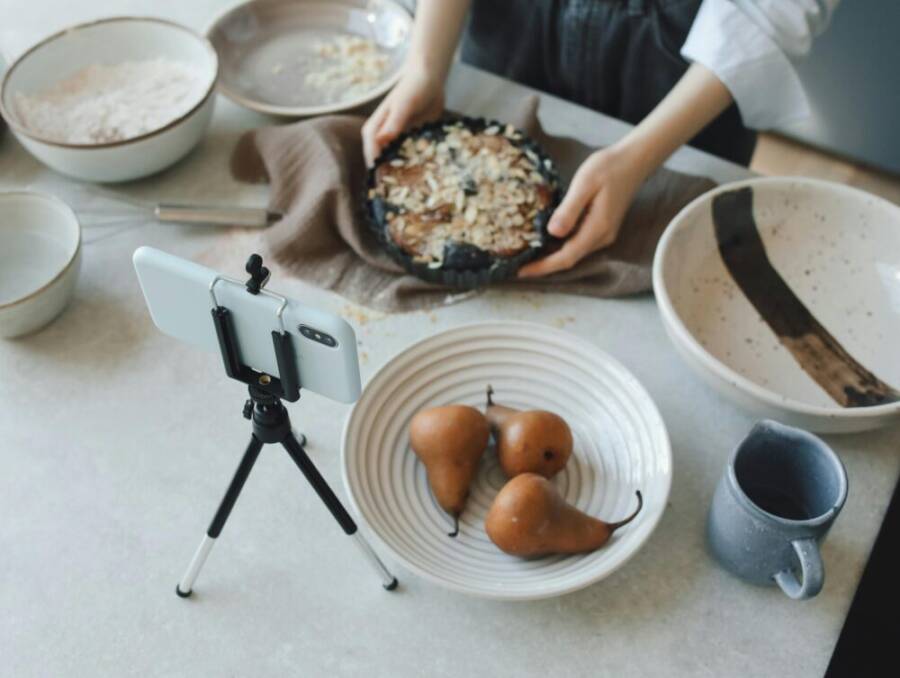
 Photo by Polina Tankilevitch
Overhead and Side Angles That Work Best
Overhead shots are a lifeline in small spaces, letting viewers see ingredients, technique, and timing without crowding the frame. Here’s how to rig overhead effectively and when to use eye level.
- DIY overhead rigging in tight spots: Use a lightweight, stable tripod with a horizontal arm or a wall-mounted shelf setup. If space is stubborn, a stack of sturdy books topped with a flat board can act as a temporary overhead platform. Place the rig just above your prep area so your hands remain unobstructed and the action stays in frame.
- Eye-level use and transitions: Eye-level shots are ideal for narration and close-up tasks like pouring, whisking, or tasting. Switch to eye level during plating or when you want a personal connection with the audience. A subtle tilt from overhead to eye level can create a natural sense of progression.
- Framing essentials: Keep the main action centered and use the rule of thirds to position bowls, knives, and ingredients. Avoid blocking the food with your hands; plan a few micro-muts (tiny camera moves) to reveal each step.
- Practical rig tips for small spaces: If you can’t mount, lean a small, rigid board against a stable surface and clamp your phone to it using a low-profile mount. Check lighting and heat exposure before filming to avoid lens fog or glare.
To see real-world setups and quick, easy rigs, check sources that detail overhead shooting in compact kitchens. These guides offer safe, affordable ways to stabilize your camera while keeping space available for movement:
- The easy way to do an overhead food shot
- Best Overhead Camera Setup – How I Film my IG Stories
Keep Shots Steady with Simple Pans
Fluid pans give your viewers a sense of action and rhythm without disorienting them. In a tight kitchen, simple, controlled movements beat long, wandering takes. Here’s how to nail steady pans and smooth zooms.
- Handheld tips that feel effortless: Plant your elbows into your sides, tuck the phone into a stable grip, and rotate from the shoulders. Move slowly and deliberately; even a small, 5 to 10 degree sweep reads as intentional rather than accidental.
- Slider hacks for controlled motion: If you don’t own a slider, improvise with a shallow tray or a cutting board on a smooth surface. A light push from one hand while your other hand stabilizes the camera can create clean, linear motion.
- Zoom tricks that look natural: Prefer physical distance changes over digital zoom. If you must zoom, do it gradually at the start or end of a sequence to avoid a jarring shift. Lock focus before you move and recheck after the move.
- Practice makes seamless: Rehearse short 10 to 15 second pans of key steps—like dropping pasta into boiling water or stirring a pot—until you can execute smoothly on the first take.
If you want guidance on choosing a budget-friendly setup that still delivers professional-looking pans, explore practical reviews and roundups of small, portable gear. You’ll find comparisons and real-world tests useful for picking gear that travels well and fits a small kitchen.
Helpful reads and examples:
- The Best Phone and Camera Gimbals for 2025
- The 3 Best Android and iPhone Gimbals of 2025
Quick-start checklist for steadier pans:
- Is the camera aligned with the action without blocking the food?
- Can you complete a full motion without bumping into cookware or clutter?
- Are shadows even as you sweep across the work surface?
External links to expand your setup knowledge:
- The Best Phone and Camera Gimbals for 2025
- The 3 Best Android and iPhone Gimbals of 2025
By combining stable framing with gentle, deliberate pans, you can guide viewers through each step with confidence. A steady baseline makes it easier to crop or edit later, ensuring your final video remains clean and engaging. If you’re curious about other motion options in small spaces, consider exploring more on compact filming workflows and affordable stabilization gear.
Images and further reading:
- The Best Phone and Camera Gimbals for 2025
- The 3 Best Android and iPhone Gimbals of 2025
End of section notes: keep your primary angles consistent, then mix in a few dynamic shots for variety. This balance helps maintain clarity while keeping the tutorial lively and easy to follow.
Capture Sound and Edit on Your Phone
In a small kitchen, great sound is as important as great visuals. A clear voice keeps viewers focused on the recipe, while clean edits keep the pacing tight. This section covers practical ways to capture crisp audio with minimal gear and to edit quickly on your phone, so you can publish polished tutorials without leaving the space you’re filming in.
Get Clear Audio Without Fancy Mics
Quiet surroundings and smart positioning make a big difference. If your fan is loud or the stove is hissy, show up with a plan rather than fighting background noise in post.
- Close mic technique: Hold the mic close to your mouth or use a lavalier clipped near your collar. A small distance helps your voice cut through ambient sounds.
- Reduce fan and appliance noise: Turn off or move noisy devices when talking. If that isn’t possible, place the mic closer to your mouth and angle it away from vents.
- Position for intelligibility: A lavalier keeps your voice steady whether you’re chopping, sizzling, or narrating. If a clip-only mic isn’t available, try a compact external mic that plugs into your phone.
- Test before filming: Do a quick 20–30 second test and listen for clarity, then adjust distance and angle as needed.
If you’re exploring gear options, a few reliable sources compare wireless lavalier mics and compact mics for smartphones. For example, reader guides and reviews discuss the best options for cooking vlogs and mobile filming, helping you pick a setup that fits a small budget and space.
- Best wireless lavalier mics and systems
- The best wireless mics for cooking vlogs
In the field, you can also rely on smartphones to deliver solid voice capture with the right placements. If you want portable, off-the-shelf solutions, consider compact wireless mics that pair with your phone for clean, hands-free audio. For quick decision help, check trusted product roundups and user guides linked in reputable reviews.
Shoot with a Simple Script
A simple script keeps you focused and minimizes wasted footage. In a small kitchen, timing matters, so plan the rhythm of each step and your narration around that rhythm.
- Outline recipe timing: List each stage from mise en place to plating. Note approximate durations so you stay on track.
- Script voice tips: Write one or two crisp lines for each step. Speak clearly, at a steady pace, and use natural language that sounds like you talking to a friend.
- Visual cues in the script: Mark moments where you’ll show a technique or a close-up. This helps you couple narration with action without scrambling for lines.
- Quick rehearsal: Read the script aloud a couple of times with the camera off. Practice the hand moves and transitions so you can stay in frame.
This approach makes editing faster later. When you know what you plan to say and show, you can cut extraneous chatter and keep the tutorial tight. If you’re unsure how to structure your script, look for guides on cooking video scriptwriting and shot planning from reputable sources. These resources often show simple templates you can adapt to your own style.
Practical tip
- Use a one-page outline that pairs each step with a short line of narration. This keeps your delivery natural and ensures you cover all the essential actions in order.
Edit Clips Fast with Free Apps
Editing on your phone should feel effortless. Free apps give you the basic tools you need to cut, add text, and drop music without a steep learning curve.
- CapCut basics: Learn to trim clips precisely, add on-screen text for steps, and drop a light music track that matches the mood of the recipe.
- iMovie basics: Use simple transitions, crop to focus on the action, and place titles to label ingredients or steps.
- Quick pacing: Aim for short clips that show a single action, then cut to the next step. Keep action moving to hold attention.
- Text and captions: Add clear captions for key measurements or technique notes. This helps viewers follow without audio.
If you’re comparing editing options, you’ll find reviews and roundups that test CapCut, iMovie, and other mobile editors for cooking content. These guides can save you time by highlighting intuitive features and common pitfalls. Consider trying a couple of apps to see which workflow suits you best.
- CapCut basics for quick editing
- iMovie tips for mobile cooking videos
A practical workflow to try: shoot a sequence, trim it to a clean 4–6 seconds per step, add a brief on-screen label, and insert a simple music bed at a low volume. This keeps the tutorial concise and easy to follow while preserving the homemade vibe.
External resources to explore for quick editing tips and app comparisons:
- CapCut basics and editing tricks
- iMovie mobile workflow for cooking videos
Remember, consistency in your editing style helps viewers recognize your videos faster. Pick one primary editor for most tasks and a secondary app for special touches, then stick with that duo as you grow.
Links to help you choose and learn:
- CapCut editing tricks and tips
- iMovie editing basics for mobile
By combining clear audio with streamlined editing, you’ll deliver tutorials that are easy to follow and visually appealing, even in a tight kitchen. A simple, repeatable process means you can publish more often and sharpen your technique with each upload. If you want to expand your toolkit, check out reviews and guides on beginner-friendly mobile editors and how they fit small-space filming.
External reads to consider:
- CapCut basics for quick editing
- iMovie tips for mobile cooking videos
In sum, capture clean audio with practical mic placement, script your delivery for clarity, and edit with free apps that fit a busy, space-constrained workflow. Your audience will hear every bite of flavor and follow every step with confidence.
Conclusion
Shooting cooking tutorials in a small kitchen is about smart planning, not big gear. By organizing your space, choosing stable setups, and shaping lighting around your food, you keep the focus on technique and flavor. The core ideas—clean backgrounds, steady footage, clear audio, and concise edits—translate into more confident, repeatable results. With a smartphone, you can deliver warm, approachable lessons that feel real and easy to follow.
When you keep a steady routine, your audience sees progress with every video. Use a simple setup, a consistent framing, and short, focused clips to guide viewers through each step. The key payoff for tiny spaces is clarity, not complexity, and that clarity grows your trust and engagement. A well rounded final video can look professional without heavy equipment.
Give your first video a try now. Film a short, 4 to 6 minute tutorial, upload it, and ask for feedback in the comments. If you find value in the approach, share it with friends who cook in small kitchens. Your experience matters, and readers will benefit from watching your practical, down to earth process. The more you publish, the more confident you become, and your channel strengthens with each publish. Your kitchen is your studio, and the next great recipe video starts with one simple, real attempt. A strong start sets the tone for growing an audience that stays with you.
She Pressed Play on a Strange Audio Track and Within Days Her Financial Reality Started Shifting in Ways She Could Not Explain
>>> See How It Works <<<