Thousands of People Were Struggling With Money Until They Discovered This One Ancient Secret Hidden in Sound
>>> Unlock It Now <<<

Tired of seeing “Storage Full” pop up even after you’ve deleted obvious files? This guide uncovers the hidden culprits that quietly hog space on your smartphone, like cache, temp files, thumbnails, and duplicates, so you can reclaim room fast. You’ll learn what to prune, practical steps for Android and iPhone, and simple habits to keep storage lean without sacrificing performance.
Spot the Common Hidden Files Hogging Your Phone Space
Hidden files often sneak past your notice and quietly eat away at storage. They aren’t always obvious like a messy photo gallery. Instead, they live in caches, temp folders, thumbnails, and duplicated leftovers from apps. In this section, you’ll learn where these space thieves hide, how to spot them quickly, and practical ways to reclaim space without sacrificing data you actually need.
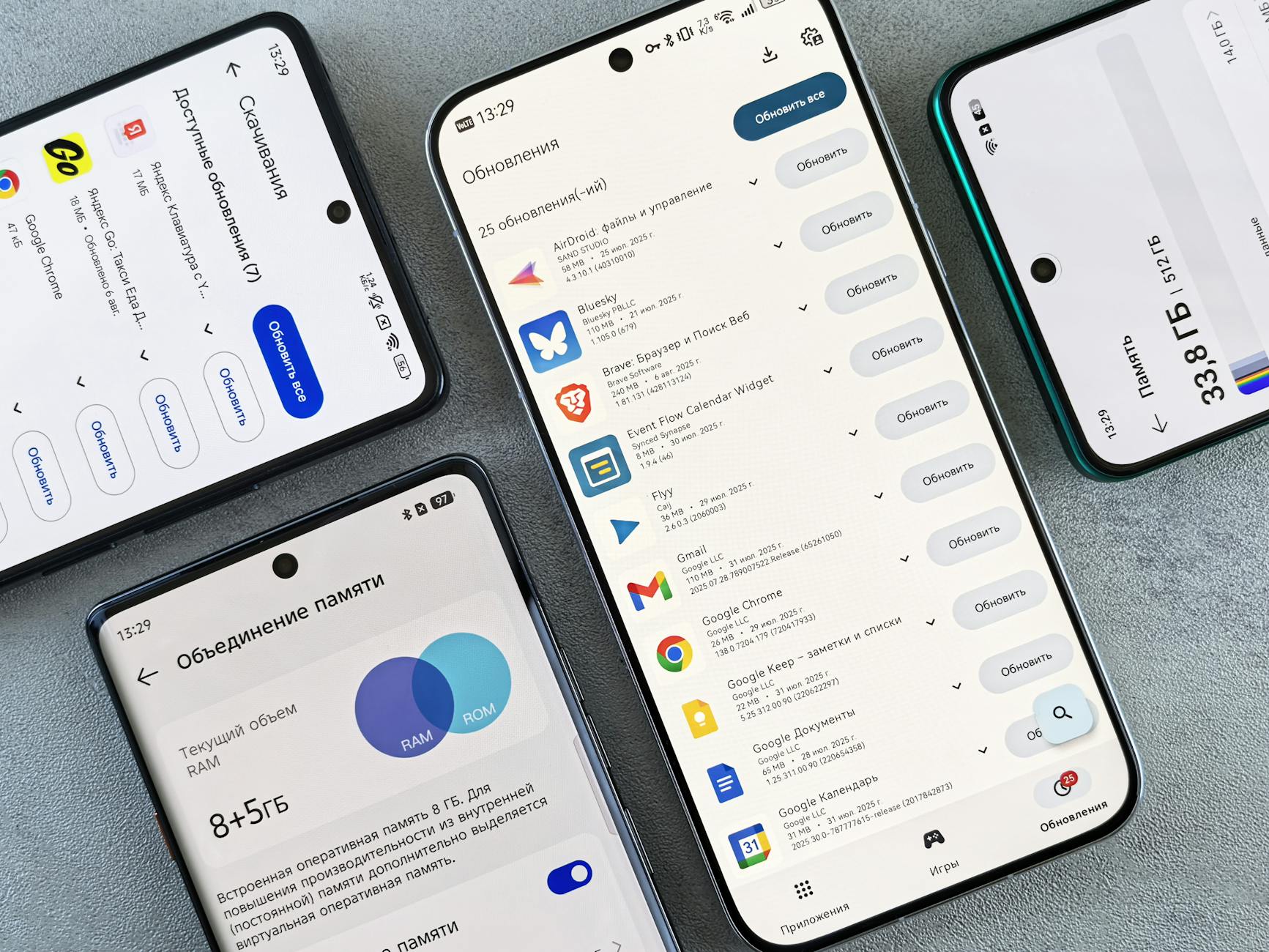
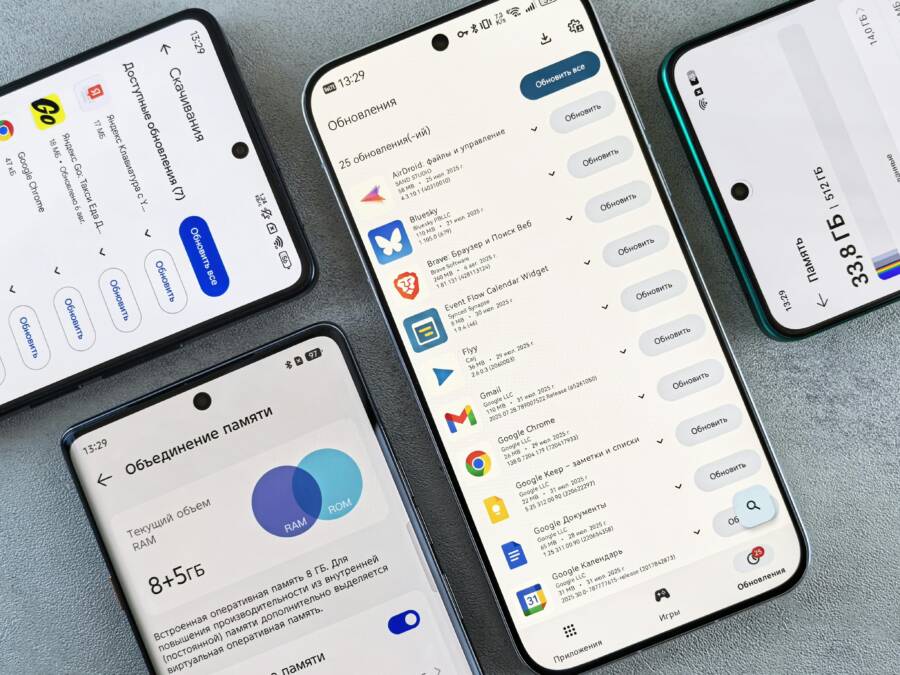
Photo by Andrey Matveev
Cache and App Data: The Biggest Whitespace Wasters
Every app stores data to speed things up. Browsers keep pages, social apps cache images and videos, and streaming apps download fragments for smooth playback. Over time, these caches balloon far beyond their useful size. Clearing them is one of the fastest ways to reclaim space without losing essential information like saved logins or app settings.
She Pressed Play on a Strange Audio Track and Within Days Her Financial Reality Started Shifting in Ways She Could Not Explain
>>> See How It Works <<<

- Why it grows: Frequent use of media-heavy apps, automatic media syncing, and background refreshes.
- What to prune: Clear cache selectively for the apps you use most, then monitor the impact before widening the purge.
- How to do it: On Android, head to Settings > Apps > [App] > Storage > Clear cache. On iPhone, go to Settings > General > iPhone Storage, pick apps with large cache, then offload or delete the app if needed.
To avoid breaking app behavior, clear cache only after confirming you won’t lose important data tied to that app. If you’re unsure, read the app’s help page or support forums for guidance on preserving login state and offline content.
- Hint: Some apps let you carve out more space by choosing “Clear cache” inside the app itself. Look for a Settings or Privacy section within the app rather than relying solely on system-level wipes.
Thumbnails and Media Caches: Tiny Files, Big Impact
Thumbnails are small preview images created by the system to speed up gallery and file listings. They multiply quickly, especially if you open a lot of photos or receive many image-heavy messages. Thumbnails can take up a surprising amount of space over time.
- Where to find them: Thumbnails often live in a hidden system folder. You may not see them in your regular gallery view.
- What to do: Use a clean-up tool or device settings to remove unused thumbnails. Some file managers offer a “clear thumbnails” option that doesn’t delete your actual photos.
- Safety note: Deleting thumbnails simply forces the device to recreate them as you navigate, so you won’t lose media; you’ll just get a fresh set when needed.
Downloads and Offline Media: The Silent Collectors
Downloads and offline media pile up quietly. You might have saved videos, music, or PDFs for later, but many of these files aren’t needed after a while. Checking and pruning can free up space without touching your primary media library.
- Trace your biggest offenders: Open the Downloads folder and sort by size. Look for large video or installer files you’ve already removed or forgotten about.
- What to do: Delete unused offline content, move items you want to keep to cloud storage or a computer, and regularly review this folder.
- Pro tip: If you frequently save offline media, set up a routine to remove items after you’ve finished using them or when storage drops below a threshold.
For Android and iPhone users, these steps are similar in principle, though the navigation paths differ slightly. Regularly auditing the Downloads and Offline sections keeps space under control and reduces the chance of sudden storage warnings.
Duplicates and Large Attachments: The Sneaky Copycats
Duplicate photos, music files, and document copies creep in from chat apps, transfers, and automatic backups. They waste space without offering any extra value. Duplicates are easy to miss because they look nearly identical.
- How duplicates accumulate: Forwarded images, group chat exports, and media saved multiple times across apps.
- How to locate them: Use built-in tools or reputable duplicate finders that scan for near-duplicates and exact copies.
- What to remove: Keep a single version of each item. For photos, you can rely on a cloud library with deduplication or manually curate albums.
Caution: When removing duplicates, verify that you aren’t removing original files that are linked to other apps or documents. A misstep here can break references in message threads or notes.
Messages and Attachments: The Chat Overshadow
Messaging apps store a lot of attachments by default. Images, videos, and documents from conversations can accumulate in the device’s storage, especially if the app downloads media for offline viewing or keeps high-resolution copies.
- Target areas: Check the app’s internal storage settings; look for a section labeled “Media,” “Attachments,” or “Downloads.”
- What to prune: Delete media you don’t need, or set the app to auto-delete older attachments after a set period. Some apps let you choose to keep media only in the cloud.
- Important: Deleting attachments from within the app can free space without touching the original chat histories.
If you’re using a messaging app with heavy media use, set up a regular cleanup cadence. A monthly audit can prevent a sudden storage crunch.
Hidden System Folders: Don’t Ignore the Quiet Clutter
Beyond user data, devices generate system files that aren’t part of your photos or apps but still take up space. Log files, diagnostic data, and temporary system caches can accumulate, especially if the device is syncing with a computer or multiple cloud services.
- Approach: Use the built-in storage tools first. They often show a breakdown by category and reveal where most space is going.
- When to worry: If you notice a spike in system data after an update or a new app installation, it might be worth a deeper look. Some devices offer options to reset or refresh system caches without a full factory reset.
How to Identify Hidden Culprits Quickly
Spotting space hogs requires a focused approach. Here’s a practical method you can apply in about 15 minutes.
- Open your device’s storage overview. Look for categories with the largest share.
- Tap into each category to see a list of apps or content contributing to it.
- Sort by size to identify the big offenders.
- Clear cache for apps that contribute heavily, then re-check the storage view.
- Review downloads and offline media, removing items you no longer need.
- Consider moving large, nonessential media to cloud storage or a computer.
If you prefer guided steps, you can read more in sources like this practical overview on freeing up space on both Android and iPhone. For example, a detailed guide explains how caches and downloaded media often eat up space faster than you expect. It also covers safe ways to reclaim storage without losing important data. How to Free Up Storage on Android and iPhone gives a straightforward blueprint you can follow.
Safe, Practical Cleanup Habits
Adopt simple routines to keep hidden files from creeping back. Set up a monthly check, keep your apps updated, and enable cloud backups for large media. These practices reduce the risk of losing data you care about while keeping your device responsive.
- Schedule a monthly storage audit.
- Keep default save locations in the cloud for large media.
- Use built-in tools before third-party apps to avoid privacy risks.
- Back up important files regularly to a secure storage location.
For Android users, practical steps covered in guides like “These Hidden Files Were Wasting Tons of Space on My Android—Check Yours Too” can be a real help. They walk through common culprits and show how to prune caches and data without harming app functionality. These Hidden Files Were Wasting Tons of Space on My Android—Check Yours Too is a source worth consulting as you plan your cleanup routine.
Quick Reference: Where to Start This Week
If your goal is to reclaim space within a tight window, use this quick-start checklist:
- Identify the largest storage category in your device settings.
- Clear cache for top space-hog apps.
- Inspect Downloads and Offline media; delete what you don’t need.
- Remove duplicate files and old attachments from messages.
- Move irreplaceable media to the cloud or a computer.
- Review system data and consider a cache refresh if you notice unusual growth after updates.
Remember, the goal isn’t to strip your phone bare. It’s to strike a balance between keeping what you need and discarding what you don’t. By focusing on these hidden culprits, you can reclaim significant space with confidence and keep your smartphone running smoothly. For deeper dives into Android and iPhone storage hygiene, explore additional resources that offer practical steps and real-world examples.
- For a broader view on freeing up space on Android and iPhone, you can read a well-rounded guide that breaks down high-impact areas and safe cleanup methods. How to Free Up Storage on Android and iPhone.
- If you’re curious about the hidden files that typically waste space on Android, this MakeUseOf piece provides actionable tips and concrete steps. These Hidden Files Were Wasting Tons of Space on My Android—Check Yours Too.
- For a broader, practical look at quick fixes you can apply today, EcoFriendly Stuff offers a concise guide you can follow without complex tools. Free Up Memory on Your Phone: Practical Storage Fixes.
Tip: Incorporate a lightweight clean-up routine into your weekly or biweekly phone habits. It’s a small effort with a big payoff. If you’d like, I can tailor a 4-week plan that matches your device model and typical usage patterns.
Step-by-Step Guide to Delete Hidden Files on Android
Hidden files can quietly steal storage without you noticing. This section breaks down a practical, easy-to-follow approach so you can reclaim space without risking important data. We’ll focus on using the phone’s built‑in tools first, then suggest light, safe extras. If you feel overwhelmed, start with the steps you’re most comfortable with and build from there.
Use Your Built-in File Manager to Find and Wipe Junk
Your phone’s file manager is a solid first line of defense. Open the app and enable the option to show hidden files, then navigate to internal storage to spot folders like .cache, .thumbnails, and other quiet trash bins. Clear out contents you don’t need, and don’t forget to empty the recycle bin or trash if your file manager has one. This process is quick and safe when you prune only obvious junk. Imagine sweeping a closet you forgot existed, then noticing how much lighter your device feels. If you’re unsure, review notes or help pages for each folder to avoid removing anything important. For more context, see a practical overview of freeing up space on both Android and iPhone.
- Pro tip: some apps expose a “Clear cache” option inside their own settings. This targeted clean can free space without touching your main data.
Safe, Practical Cleanups You Can Do Right Now
After you’ve scanned hidden folders, a few focused actions can keep space under control. Start with the most impactful areas and proceed step by step. Think of it as tidying a workbench: clear the obvious clutter, then check again after a short while to see what reappears. If you want a guided approach, Android Help’s guidance on clearing up space is a solid reference that covers uninstalling unused apps and reclaiming cache space. Clear up space – Android Help
- Move large files you don’t need immediately to cloud storage or a computer.
- Use the file manager to review Downloads and Offline sections, deleting what’s unnecessary.
- Regularly clear app caches for the big space hogs, but only after confirming you won’t lose essential data.
This routine keeps your device lean and responsive, reducing the chance of sudden warnings without erasing content you rely on.
What If the Only Thing Between You and the Life You Deserve Is a Hidden Wealth Code Waiting to Be Activated
>>> Open the Door <<<

Sources and further reading:
He Was Drowning in Bills and Burnout Until a Simple Daily Ritual Rewired His Brain for Wealth in Less Than a Week
>>> Start Your Shift Today <<<

- Clear up space – Android Help
- For additional ideas on freeing up space, consider articles on Google Photos’s “Free up space” feature and other quick fixes.
Easy Ways to Remove Hidden Clutter on iPhone
Hidden clutter on iPhone can creep up faster than you think. Small caches, hidden albums, and transient downloads quietly consume space, leaving you with a cramped device and slower performance. In this section, you’ll find practical, step-by-step tips to reclaim storage without sacrificing important data. We’ll focus on quick checks and safe cleanups you can perform in minutes. Think of it as a light spring cleaning for your pocket computer, so your iPhone runs with room to spare.
Check iPhone Storage and Offload Unused Apps
Your first move is to inspect storage and identify the biggest culprits. Go to Settings > General > iPhone Storage and scan for apps or files that take up surprising space. Large apps, games with hefty caches, and media-heavy titles often lead the list. Offloading unused apps preserves documents and data while freeing up space by removing the app itself when not in use. Hidden apps in the App Library can also hide in plain sight, taking up storage without obvious signs in the home screen.
- Why this helps: You regain immediate breathing room and keep essential data intact.
- What to prune: Start with the top space hogs, then review large attachments in messages and offline content.
- How to do it: In iPhone Storage, select an app and choose Offload App or Delete App if you don’t anticipate needing it soon.
Pro tip: Some apps offer their own internal clearing options. Check Settings within the app for cache, temporary data, or offline content you can safely remove. For a broader guide on managing storage on iPhone, Apple’s help articles provide clear pathing through the built-in tools. https://support.apple.com/guide/iphone/manage-storage-on-iphone-iph47c931112/ios
Clean Up Photos, Hidden Album, and Downloads
Photos and media are usually the biggest space wasters. Start with the Photos app and check for duplicates, items in the Hidden album, and content in Recently Deleted. Clearing duplicates and deleting items you no longer need can free up substantial space without touching your original library. Then move to the Files app and Safari cache. Temporary files, offline web data, and large downloads quietly accumulate.
- In Photos: Review Duplicates and Hidden items, restore what you actually want, then permanently delete what you don’t need. Don’t forget to empty Recently Deleted after review.
- In Files and Safari: Remove temp files and clear cached data from browsers. Safari data can be pruned via Settings > Safari > Clear History and Website Data.
- Big win: Use a dedicated cleanup app to identify large files and duplicates if you prefer a guided sweep. For extra strategies, explore tools like Photo Cleaner and other reputable options that help you reclaim space efficiently. https://apps.apple.com/us/app/photo-cleaner-album-organizer/id926090192
By incorporating a regular photo and download audit, you maintain a lean library. This keeps your iPhone responsive and ensures you still have room for precious memories and essential documents. For broader ideas on freeing up iPhone storage, a concise roundup can be helpful. https://www.pcmag.com/how-to/how-to-free-up-space-on-your-iphone-or-ipad
Note: If you use cloud backups for your photos, consider enabling optimized storage to keep smaller versions on device while the full-resolution originals stay in the cloud. This approach often yields meaningful gains with minimal effort. For additional tips on iPhone cleanup, you can view quick guides that highlight common space culprits and practical fixes. https://medium.com/macoclock/free-up-iphone-storage-in-2025-simple-steps-that-really-work-542270f23cc3
If you’re curious about dedicated cleaning tools, there are reputable apps and methods that help identify and remove duplicates while protecting your originals. Always review permissions and privacy terms before installing any third-party cleaner. For a practical read on keeping your iPhone tidy, explore the linked resources above.
Top Free Apps and Long-Term Tips to Keep Storage Clear
Your phone runs smoother when space is under control. The trick is using free, reputable tools for quick cleanups and building habits that stop clutter before it starts. This section highlights the best no-cost apps for Android and iPhone, plus long-term practices you can adopt to keep storage clear without sacrificing important data or performance.
 Photo by Andrey Matveev
Free Android Apps That Really Help
Managing Android storage becomes straightforward when you pick the right tools. The best free options focus on junk removal, duplicate detection, and smart suggestions that don’t drown you in ads.
- Files by Google: A trusted starter tool for junk cleanup, file management, and discovering duplicates. It guides you with simple prompts and works well for beginners.
- Why it matters: It’s lightweight, ad-free, and designed to reclaim space quickly.
- How to use: Open the app, scan for junk, then delete or move files you don’t need.
- SD Maid: A deeper-cleaning option for power users who want more control.
- What it does: Removes leftover files from uninstalled apps, cleans system logs, and optimizes databases.
- Caution: Use with care; some features are more advanced.
- Norton Clean: From a trusted security brand, it clears residual junk and APK leftovers.
- Benefit: Simple workflow, minimal disruption to your apps.
- AVG Cleaner: Automates routine cleanups and offers app analysis to spot duplicates and low-priority files.
- Note: Free to use, with some ads; the core features remain solid for regular upkeep.
Tip: After you pick a tool, run a quick scan once a week. Focus on the biggest offenders first, then reassess. If you’re unsure about removing a file, pause and check whether it’s tied to app data you still need.
Free iPhone Apps That Deliver Real Value
iPhone storage is more constrained by iOS’s sandboxing, but free cleaning apps still offer meaningful help. The strongest options concentrate on identifying duplicates, large files, and easily removable cache or temp data while respecting Apple’s privacy and data rules.
- Clever Cleaner: A popular free option that scans for duplicates, large files, and clutter like screenshots and Live Photos.
- Why it stands out: It’s user-friendly and favors a straightforward cleanup flow without naggy ads.
- Cleaner Gemini: Focuses on finding and removing duplicate photos and large videos to free space.
- Benefit: Clear, simple interface that helps you decide what to delete safely.
- Smart Cleaner: Broad cleanup tool that handles duplicates, cached files, and unused contacts or calendar items.
- Good fit for a wide cleanup pass when you’re short on time.
Note: On iPhone, third-party cleaners can only do so much because of Apple’s app sandboxing. They won’t access system caches or the inside of other apps, but they can tidy your photo library and browser data effectively.
Tip: For photos, routinely review the Hidden album and Recently Deleted in the Photos app. Moving or deleting unnecessary items there frees a lot of space without touching your original library.
Quick Long-Term Strategies to Keep Storage Clear
A sustainable approach combines smart app choices with habits that prevent clutter from building up again. Here are clear, practical steps you can apply now and maintain over time.
- Schedule regular audits: Set a recurring reminder to review Downloads, offline media, and large apps. A monthly check is usually enough for most users.
- Move large media to the cloud: Use cloud storage for videos, longer podcasts, or high-resolution images you don’t need on-device every day.
- Favor in-app cleanup options: Many apps offer their own cache clearing or media management tools. Use these first before broader system wipes.
- Keep a clean app portfolio: Uninstall apps you no longer use. If you’re unsure, try a 30-day trial of the app and reassess afterward.
- Manage offline content proactively: When you watch a downloaded video or save a map, delete it after you’ve finished with it if you don’t need it again.
- Protect important data: Before any big cleanup, back up critical files to cloud or your computer. That way you won’t lose anything you later regret.
- Use safe, reputable tools: Stick to well-known cleaners and avoid sweeping permissions that could expose data. Always review the app’s privacy terms.
If you want a structured plan, a quick reference can help you stay on track during busy weeks. Start with three steps: identify the largest storage culprits, prune nonessential items, and move valuable media to the cloud. Then repeat on a 4-week cycle, adjusting for your device model and typical usage.
External resources can extend your understanding and offer practical steps aligned with real-world usage:
- How to Free Up Storage on Android and iPhone provides a comprehensive blueprint for reclaiming space without deleting important data. https://techcabal.com/2025/12/01/how-to-free-up-storage-on-android-iphone/
- A practical guide on free up storage for iPhone or Android covers broad strategies you can apply today. https://www.compareandrecycle.co.uk/blog/how-to-free-up-storage-on-your-iphone-or-android
- Declutter your iPhone with easy tips that focus on fast wins and long-term habits. https://dataconomy.com/2025/05/08/declutter-your-iphone-easy-tips-to-clean-up-storage-space
Long-term storage hygiene isn’t about one big cleanup. It’s about consistent, repeatable steps that keep space in check and keep your device responsive.
Safe Cleanup Habits That Stand the Test of Time
- Monthly storage audit: A quick scan reveals what’s growing and what isn’t. It also keeps you aware of apps that quietly accumulate data.
- Cloud-first mindset for large media: If you don’t need instant access on-device, store it in the cloud. You’ll still have it when you need it.
- Built-in tools first: Android and iPhone offer robust storage diagnostics. Use them before turning to third-party cleaners.
- Regular backups: Always back up important files. It gives you confidence to delete nonessential items without risking data loss.
For a practical, example-driven walkthrough, you can explore guides that show how to reclaim space on both Android and iPhone using built-in tools and careful cleanup techniques. https://techcabal.com/2025/12/01/how-to-free-up-storage-on-android-iphone/
Easy Reference Checklist for This Week
- Identify the three biggest storage drains in your current setup.
- Clear cache for the top space-hogging apps or use app-specific cleanup options.
- Inspect Downloads and Offline sections; delete items you no longer need.
- Remove duplicates and old attachments from messages and email.
- Move irreplaceable media to cloud storage or a computer.
- Review system data and consider a cache refresh if you notice unusual growth after updates.
These steps help you reclaim space quickly while preserving your essential content.
If you’d like, I can tailor a 4-week plan that matches your device model and usage patterns. This section equips you with practical tools and habits you can implement right away, plus a clear path to stay organized over the long term. This approach keeps your smartphone primed for new memories and adventures.
Conclusion
Reclaiming space on your Android or iPhone starts with safe, simple steps you can trust. On Android, begin with built in storage tools, clear app caches for big offenders, and prune Downloads and Offline content, then back up large media to the cloud. On iPhone, offload unused apps, enable iCloud Photo optimization for heavy libraries, and tidy up Messages and Safari data while keeping backup copies secure. Always back up before you delete, test the impact of each cleanup, and avoid touching system files or data you still need.
These routines pay off fast: your smartphone runs faster, apps launch quicker, and you gain real breathing room for new memories or apps you actually use. Start with one targeted method today, then expand as you confirm what works for your setup. A quick monthly audit keeps hidden junk from creeping back and protects important photos, documents, and messages.
If you have tips from your own cleanup, share them to help others. A small, steady habit beats large, risky wipes. And if you want a tailored plan, tell me your device model and your typical usage, and I’ll map out a simple four week rhythm that fits your life.
There Is a Frequency That the Wealthiest Families Have Used for Generations and Most People Will Never Know It Exists
>>> Open the Door <<<
