There Is a Frequency That the Wealthiest Families Have Used for Generations and Most People Will Never Know It Exists
>>> Open the Door <<<

Ever wonder why your phone keeps opening the wrong app by default and how to fix it in a snap? You’re not alone. Default app choices can quietly steer your day, from which browser opens a link to which messenger handles your texts. Clear, correct defaults save time and keep your device behaving the way you expect.
This guide walks you through both Android and iPhone steps so you can reset, adjust, or completely clear those defaults. You’ll learn what these defaults actually do, why you might want to change them, and what to watch out for along the way. The goal is simple: empower you to choose the apps that fit your routines, not the ones your phone picked for you.
On Android, defaults are linked to categories like Browser, SMS, and Launcher. On iPhone, the system has fewer knobs, but you still can guide how links and messages are handled. The steps are practical and repeatable, designed for quick wins and fewer surprises. If a change prompts you next time you tap a link, you’ll know how to respond without hunting for settings again.
What you’ll get from this post is a clear, step by step path. We’ll cover the quick reset, common pitfalls, and safety tips to protect your data. You’ll see concrete examples, from swapping in a preferred browser to reassigning messaging apps, with notes on when you might want to keep the original defaults for stability.
He Was Drowning in Bills and Burnout Until a Simple Daily Ritual Rewired His Brain for Wealth in Less Than a Week
>>> Start Your Shift Today <<<

By the end, you’ll feel confident navigating your smartphone to tailor it to you. Whether you’re juggling work apps, streaming, or staying private, these checks ensure your device serves your needs, not the other way around.
There Is a Frequency That the Wealthiest Families Have Used for Generations and Most People Will Never Know It Exists
>>> Open the Door <<<
Why clearing default app choices matters
Defaults shape how your smartphone behaves the moment you tap something. They can speed up everyday tasks, but they can also trap you in apps you don’t prefer. Understanding why defaults exist helps you decide when to keep them or switch them. By regularly checking these choices, you protect your privacy, manage data use, and keep your workflow smooth.
What defaults do and why they matter
Defaults are the apps your phone uses automatically in specific situations. Think of it like a first responder for your digital day: when you open a link, your browser choice matters; when a map is needed, the default map app guides the route. A few simple examples make this concrete:
- If you tap a link in a messaging app and your browser isn’t the one you prefer, you might load a slower or data-heavy page.
- When you attach a photo, the default gallery or editing app can change how the image is cropped or saved.
- If your phone calls open with a specific dialer, you could miss the smoother experience another app provides.
Defaults matter for privacy too. Some apps request more data access by default, and if you don’t change them, you may share more information than intended. They also influence data use; a less efficient app can drain battery and use more background data without you realizing it. On the user experience side, the wrong default leads to friction and surprises. The goal is to set defaults that fit your routines and then revisit them when apps change or you switch devices. For iPhone users, Apple provides built-in ways to adjust or replace default handling for certain apps, making it easier to align with your preferences. You can learn more about these options from Apple’s guidance on changing default apps on iPhone.
For a practical starting point, check Apple’s official steps to adjust defaults on iPhone and Google’s guidance for Android devices to manage or clear defaults. These resources help you see where the settings live and what to expect when you switch. Change the default apps on iPhone
Beyond device basics, consider how default choices affect privacy and tracking. Limiting app permissions and understanding how your data is used by default can reduce unwanted data sharing. If you want a quick read on what to turn off right away, a reputable tech publication offers clear, practical tips you can apply to most devices. The Default Tech Settings You Should Turn Off Right Away
In short, defaults are not just background settings. They shape your day, privacy, and device efficiency. Regularly reviewing them keeps your smartphone aligned with how you want to use it.
How default choices shape daily use
Defaults influence the tiny, almost invisible moments that make up daily tasks. When you learn to adjust them, you save time and dodge annoying surprises. Here are common scenarios and what changing defaults can do for you.
- Opening a link from a message: If your messenger app opens a browser by default, you may end up with a page layout that feels off or adds extra steps. Swapping to a preferred browser speeds up access and ensures consistency across apps. For iPhone users, the system allows selecting a default browser in recent iOS versions, which can cut the number of taps you take to get to content.
- Handling a photo attachment: The default photo editor or viewer can affect how edits are saved and shared. If you frequently use a different editing app, changing the default can speed up your workflow and keep edits in your preferred format. This is especially useful when you’re sharing visuals for work or social posts.
- Managing a phone call or messaging flow: If the default dialer or messaging app doesn’t fit your style, you can switch to one that offers faster shortcuts or better organization. A small change here can mean fewer steps when you’re on the go, and it helps you keep important conversations at the top of your list.
- Navigating maps and location data: Using your preferred map app by default means your routes, saved places, and traffic previews align with your routine. This minimizes the chance of getting lost in a different interface, which can waste minutes during a commute or travel day.
In practice, making these adjustments is about predictability. You know exactly what happens when you tap a link, share a photo, or start a call. If a change prompts a surprise, you’ve uncovered a default you can tweak. For readers who value privacy, think of defaults as a quick audit: which apps handle what data, and how much access do they really need? A thoughtful review helps you stay in control without complicating day-to-day tasks. For Android devices, you’ll often find these controls under Settings > Apps or Settings > Default apps, while iPhone users will see related options in Settings > Safari (for browser defaults) or in the app-specific settings where available.
If you want to see concrete steps from trusted sources, Apple’s guide on changing default apps on iPhone and Google’s Set or clear default apps page for Pixel devices are a good place to start. Change the default apps on iPhone Set or clear default apps
By keeping a regular check on defaults, you maintain a smartphone that behaves in line with your preferences. It’s a straightforward way to reduce friction and keep your daily tasks smooth, whether you’re juggling work apps, streaming, or staying private.
Android: clear default app choices
When you tap a link, open a file, or start a task, your phone might hand it off to an app you didn’t intend. Clearing or adjusting default app choices on Android puts you back in control. This section covers how to reset defaults, remove a single app from a specific task, and fine tune your preferences from the main settings. It’s practical, fast, and designed for everyday life with a smartphone.
Reset all defaults at once
If you want a clean slate, Android provides two main routes to reset defaults. The first is a focused reset called Reset app preferences. It clears defaults and permissions for apps you’ve set, but it leaves app data intact. The second path is a broader reset option that can revert more settings if your device is acting up.
- Reset app preferences (best for quick wins)
- Steps (typical Pixel / stock Android flow):
- Open Settings.
- Tap System (or Apps & notifications on some devices).
- Choose Reset options (or Reset app preferences).
- Tap Reset app preferences and confirm.
- What changes you’ll see:
- Default associations for actions like opening links or attachments are cleared.
- Disabled apps are re-enabled, notification restrictions are reset, and background data restrictions are removed.
- What will not be erased:
- Personal data, photos, messages, and app data stay intact.
- Prompts you might encounter:
- A confirmation dialog will explain that defaults, disabled apps, and permissions will be reset. It’s your cue that you’re about to restore a neutral state.
- Steps (typical Pixel / stock Android flow):
- Broader reset options (when you need more)
- Some devices offer additional reset paths under Advanced or System > Reset options. Options can include:
- Reset Wi-Fi, mobile & Bluetooth settings
- Reset preferences and network settings (varies by device)
- What to expect:
- Resetting network settings clears saved Wi-Fi networks and Bluetooth pairings.
- You’ll need to re-enter credentials and re-pair devices afterward.
- Quick note on data:
- This type of reset can affect network-related data, but it generally does not erase personal files or app data.
- Some devices offer additional reset paths under Advanced or System > Reset options. Options can include:
- Quick reminders
- Expect prompts that explain what is being reset and why. If you see a warning about data loss, read it carefully before confirming.
- After you reset, you’ll be prompted the next time you perform a task that needs an app. You can choose Always, Just once, or set a new default from the prompt when it appears.
- A practical sanity check
- After a reset, test by tapping a link in a message or opening a photo to confirm the default app behavior matches your preference.
- If things still feel off, revisit Settings > Apps > Default apps to reassign categories like Browser, Phone, Messaging, and Assistant.
- When to choose this approach
- Use Reset app preferences when you’ve tried changing defaults but they keep returning to the old apps.
- Use broader resets when the phone behaves oddly beyond just default apps, such as erratic notifications or connectivity quirks.
For further guidance on Pixel devices and how these settings are exposed in Android 14 and later, check Pixel Help’s guidance on default apps and related settings. You can start here: Set or clear default apps. https://support.google.com/pixelphone/answer/6271667?hl=en
Image
 Photo by https://www.pexels.com/@zeleboba
Clear defaults for a single app
Sometimes you only need to release control from one app without touching the rest of your setup. Clearing defaults for a single app removes its role for a specific task. Here’s how to do it for a typical scenario like the default browser or default messaging app.
- How to remove a specific app from handling a task
- Steps (Stock Android / Pixel / Samsung-like paths):
- Go to Settings.
- Tap Apps & notifications or Apps.
- Select the app you want to detach (for example, your browser or messaging app).
- Tap Open by default (or Set as default).
- Choose Clear defaults.
- What happens next:
- The system will prompt you the next time you perform the relevant task. You’ll be asked to pick which app to use.
- When a Set as default option appears:
- Some apps automatically show the option to set as default again, but you’ll often be asked to choose a default the first time you reattempt the action.
- Steps (Stock Android / Pixel / Samsung-like paths):
- Testing the change
- After clearing, perform the task again (e.g., open a link). You’ll see a chooser dialog asking which app to use. Pick your preferred option and decide whether you want to Always or Just once.
- Quick notes on behavior
- If you clear defaults for a browser, you’ll be prompted to choose a browser next time you open a link.
- If you clear defaults for a messaging app, you’ll be asked which app should handle future messages from certain actions.
- Which apps show the Set as default option
- Browsers, messaging apps, and some media editors often present a “Set as default” prompt when you perform the action again.
- Some system apps may not show this option, depending on your Android version and device skin.
- Credible paths to follow
- Pixel and general Android guidance for clearing default apps is widely documented in official help and trusted sources. For Pixel users, see Pixel Phone Help on Set or clear default apps. https://support.google.com/pixelphone/answer/6271667?hl=en
- Practical tip
- Keep a note of which app you prefer for each category. If you switch devices, you’ll know exactly what to reassign.
Change defaults from the main menu
If you want to update defaults without wiping them all out, use the main defaults path. This is the fastest way to align everyday tasks with your preferred apps while preserving stability across other settings.
- Steps to set defaults by category
- Settings > Apps > Default apps (or Choose default apps)
- Pick categories like:
- Browser
- Phone
- Messaging
- Assistant
- Select the app you want for each category
- After you make changes
- Test by performing a common action, such as tapping a link or composing a new message. The chosen default should handle it.
- If you install a new app that can handle the same task, Android may prompt you to choose a default again. You can decide at that moment whether to keep the current default or switch.
- Quick note on flow and variations
- Menu labels can vary slightly by device and OS version. The general path remains Settings > Apps > Default apps or similar wording.
- It’s common to see options like “Browser app” or “Photo viewer” under a single category.
For a quick reference, Google’s Pixel guidance on changing and managing default apps provides a concise walkthrough. https://support.google.com/pixelphone/answer/6271667?hl=en
- Testing and validation
- After setting defaults, perform a routine task in three scenarios:
- Open a link from a messaging app
- Share a photo to an editing app
- Make a call via the chosen dialer
- Confirm the chosen app handles each task consistently.
- After setting defaults, perform a routine task in three scenarios:
- Practical takeaway
- This path avoids a full reset while giving you predictable behavior across core tasks. It’s ideal when you’ve found a workflow you like but want to tweak a couple of endpoints.
Brand specific tips
Device makers add their own twists to how defaults are managed. Here are quick pointers for two popular brands, with notes on how labels may vary.
- Samsung Galaxy tips
- Path examples:
- Settings > Apps > Choose default apps
- Or long-press an app icon to access App info > Set as default
- What to know
- Samsung devices often label categories like “Browser” or “Messaging” under a broader “Default apps” menu.
- UI wording can vary by One UI version, but the steps stay straightforward.
- Path examples:
- Google Pixel tips
- Path examples:
- Settings > Apps > Default apps or Choose default apps
- Quick checks
- When you install a new app that can handle the same task, you may see a prompt to set it as default. Decide quickly if you want to switch or keep the current default.
- Special note
- Pixel devices tend to have a clean, predictable path that mirrors Google’s support articles. For reference, see Pixel help on default apps. https://support.google.com/pixelphone/answer/6271667?hl=en
- Path examples:
- General caveats and guidance
- Always be mindful of OS updates. A new version can reframe where defaults live or how they’re labeled.
- If you rely on accessibility features, test after changes to ensure you don’t lose needed behavior.
- A quick resource
- For broader Samsung guidance on managing apps, see Samsung’s support article. https://www.samsung.com/us/support/answer/ANS10001912/
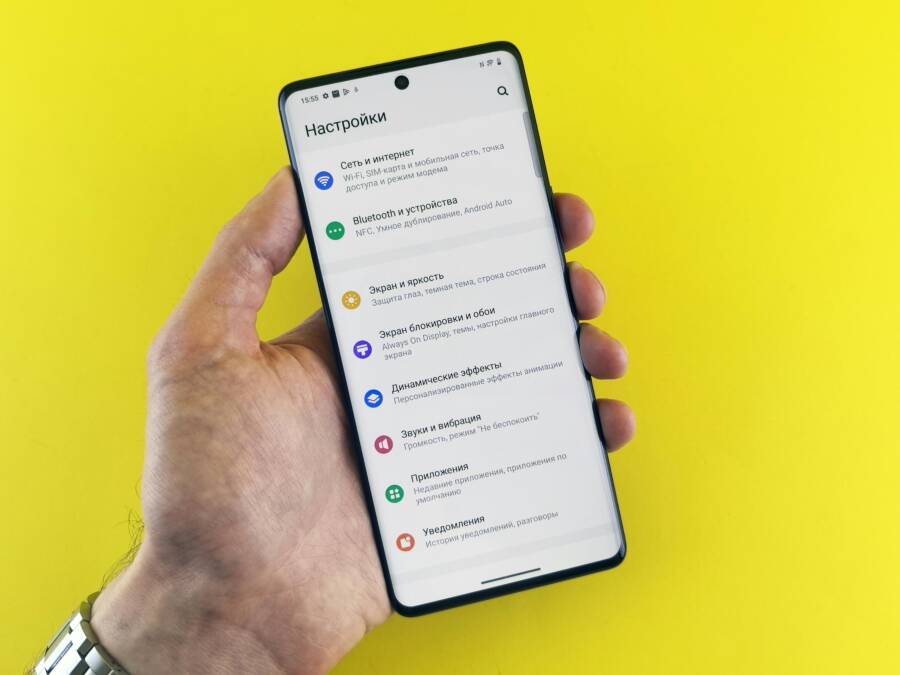
Images and visuals can help you see the paths clearly. If you want a visual cue during testing, the following image illustrates a typical smartphone settings menu at a glance. Photo by Andrey Matveev on Pexels. https://www.pexels.com/@zeleboba
- Why this matters for a smartphone user
- Being deliberate about defaults reduces friction in daily tasks. It also helps protect privacy by limiting data sharing to the apps you actually trust for a given action.
- A quick audit now saves minutes later when you’re in a hurry or juggling several apps.
External resources you may find useful
- Pixel: Set or clear default apps. https://support.google.com/pixelphone/answer/6271667?hl=en
- Pixel Tablet: Set or clear default apps. https://support.google.com/googlepixeltablet/answer/13591874?hl=en
- Android Authority guide: How to change default apps in Android. https://www.androidauthority.com/change-default-apps-android-2-633572/
- LifeWire guide: How to Easily Change and Clear Default Apps on Any Android Device. https://www.lifewire.com/manage-default-apps-on-android-11685512
By keeping defaults tidy, you’ll navigate your daily smartphone tasks with ease. When you need to switch back, you’ll know exactly where to go and what to expect.
iPhone: clear default app choices
Resetting how iPhone handles common tasks can save you taps and keep your device aligned with your daily routine. In this section, you’ll learn what defaults on iPhone you can change, where to find them, and how to test your changes for a smoother smartphone experience.
What can be changed on iOS
On iPhone, you can influence how some core tasks are handled by default apps. The key categories you can customize include the Default Browser App and the Default Mail App, with the option to prioritize other apps for features like web browsing and email. The exact availability of these options can depend on your iOS version and region, and in some cases you may still rely on built-in apps for certain actions. To start, head to Settings and look for Default Apps at the top of the list of apps. If you don’t see every category you expect, you might need to update iOS or check region-specific guidance from Apple. For quick reference, Apple’s guidance covers how to change default apps on iPhone, and it’s worth confirming you’re on a compatible version before you begin.
Photo by Brett Jordan
- Default Browser App: Choose which browser opens when you tap a web link.
- Default Mail App: Decide which app handles email links.
- Other default categories: Depending on iOS updates, you may see options for maps, keyboards, and translation.
- Availability notes: Some regions or devices may show fewer defaults; you may need to rely on in-app settings for certain tasks. Apple’s official support articles provide the current list and steps for your exact version.
For more on the iPhone defaults approach, see Apple’s step-by-step guides on changing default apps for features on iPhone and iPad and the related iPhone guide.
- Change your default apps for features on iPhone and iPad
- Change the default apps on iPhone
Steps to change defaults
Changing defaults on iPhone is straightforward, but it helps to follow a clean path. Start with the Settings app, then navigate to the Default Apps section, and pick the category you want to adjust. After selecting a new default app, follow any on-screen prompts to complete the setup. A green check mark confirms the current default for that category.
- Exact path to change a default app:
Settings > Apps > Default Apps > [Browser, Mail, etc.] > select the app - What to expect after changing:
The chosen app becomes the default for the selected category. If you switch apps later, you’ll see a new green check mark next to the current default. - Testing after changes:
Tap a link or perform the action again to confirm the new default handles the task correctly.
Helpful notes: some features may require you to follow extra on-screen steps to finalize the change. Only one app can be the default for most categories, though some tasks let you prioritize more than one app.
- For a quick walkthrough, Apple’s official guide to changing default apps on iPhone offers clear steps.
Change the default apps on iPhone
Resetting all settings to clear defaults
If everything feels off after changes, you can reset all settings as a last resort. This action clears custom defaults and reverts them to Apple’s built-in behavior, such as Safari and Mail, while keeping your data and apps intact. You may need to re-enter some preferences afterward.
There Is a Frequency That the Wealthiest Families Have Used for Generations and Most People Will Never Know It Exists
>>> Open the Door <<<
- Path to reset all settings:
Settings > General > Transfer or Reset iPhone > Reset > Reset All Settings - What resets:
Preferences, display options, and system settings. Personal content remains untouched. - What to expect after reset:
You’ll reconfigure preferences as you use the device again. Some prompts will reappear when you perform tasks that require an app.
Apple’s support resources outline the safe steps for resetting iPhone. If you need broader restoration, a factory reset is available, but that erases all content and settings. Always back up first.
- After resetting, test common tasks like opening a link or sending an email to confirm default behavior aligns with your preferences.
Change your default apps for features on iPhone and iPad
Notes on limitations and country issues
Not all default options are available everywhere. Regional differences, carrier restrictions, and device models can affect which defaults you can change. If a global default option isn’t present, you might need to use app-specific settings or on-screen prompts to guide behavior. In regions where App Installation is restricted, the ability to install alternate app stores or switch certain defaults may be limited. Always check the latest iOS release notes and Apple’s regional guidance for your country.
- If you’re in a country with limited default options, rely on the apps themselves to refine behavior, such as in-app settings for browser links or mail actions.
- Updates to iOS can shift where defaults live or how they’re labeled. Keep an eye on Settings after each major update.
- When in doubt, consult Apple’s official guidance for your region to confirm what’s supported.
External references you may find useful
- Change your default apps for features on iPhone and iPad
- Change the default apps on iPhone
Incorporating visuals and sources helps you verify steps and stay aligned with the latest guidance. Apple’s official pages remain the best anchor for iPhone defaults, while you can also explore trusted third-party articles for practical tips.
- For quick practical steps, see Apple Support: Change the default apps on iPhone
- If you want a broader view of how these options work across Apple devices, the iPhone guide on default apps is a solid reference
External links
- Change the default apps on iPhone
- Change your default apps for features on iPhone and iPad
Images and visuals can help you see the paths clearly. If you want a visual cue during testing, the following image illustrates a typical smartphone settings menu at a glance.
Photo by Andrey Matveev on Pexels. https://www.pexels.com/@zeleboba
Photo by Brett Jordan on Pexels Photo credit: Brett Jordan
Best practices and safety tips
Keeping your default app choices tidy isn’t a one-and-done task. It’s an ongoing habit that pays off in faster access, better privacy, and fewer surprises. Use these best practices to stay in control, protect your data, and keep your smartphone behaving the way you want.
Keep defaults simple and secure
Choose trusted apps for core tasks and limit permissions to what’s essential. This reduces the risk of data leakage and keeps your device lean. Avoid assigning too many defaults for sensitive activities like messaging, payments, or file sharing. Instead, pair every default with the minimum permissions it needs and use built-in privacy controls to audit access.
- Pick a primary browser and a primary messaging app you actually use daily.
- Review app permissions quarterly and revoke anything that isn’t essential.
- Keep apps up to date; updates often include security fixes and improvements to default handling.
- Use OS privacy features, like permission prompts and privacy dashboards, to monitor data use.
- For families or teams, consider a well-managed environment where you can enforce standards while still giving individuals choices.
If you want a quick reference on iPhone and Android defaults, Apple and Google provide official guidance on how these settings live and how to adjust them. For deeper security context, reputable outlets explain how to tighten privacy and control on these devices. It’s worth a glance to stay aligned with best practices.
- Apple: Change the default apps on iPhone
- Google Pixel: Set or clear default apps
- Android privacy and security settings guide
Smartphone users often underestimate how small changes add up. A simple audit now can cut data sharing, battery drain, and friction in your day. When you’re shopping for a new app, check the permissions it requests and ask whether those rights align with the task at hand. A focused approach keeps your device secure without slowing you down.
When to reset vs when to keep
A clear decision guide helps you act quickly without second guessing. Reset your defaults when you notice a flood of odd prompts, after a major OS update, or if you suspect misbehavior. Keep defaults when your current setup is stable, secure, and aligns with how you actually work.
- Reset when: you’re seeing repeated prompts to choose an app for one task; something feels off after an update; you suspect an app is misbehaving.
- Keep when: the existing setup is predictable, you trust the apps you’ve chosen, and there are no signs of abuse or data leakage.
- After a reset, test key actions like opening links, sharing files, and sending messages to confirm the behavior matches your expectations. If not, revisit the defaults for Browser, Phone, Messaging, and Assistant.
Having this simple rule of thumb makes it easy to decide on the spot. It also reduces the cognitive load of managing dozens of app settings over time. For users who manage multiple devices, apply the same logic across devices to keep a consistent experience.
Use device management for families or organizations
Mobile Device Management (MDM) and enterprise tools let you set and enforce defaults across many devices. This brings consistency, makes it easy to reverse changes, and provides a clear audit trail.
- Benefits:
- Consistency across all devices, which speeds onboarding and reduces support needs.
- Central control to reverse changes if someone installs a conflicting app.
- Auditing trails that show who changed what and when.
- Common setups:
- Enforce a standard browser and messaging app for work devices.
- Pre-approve apps used for specific tasks and block unapproved alternatives.
- Apply policies that update automatically when OS versions change.
- Getting started:
- Choose a reputable MDM solution and map out your default app strategy by task.
- Pilot the policy with a small group before rolling out widely to catch edge cases.
If you’re managing devices in a business or family setting, you’ll find reputable guides and vendor resources helpful. These references cover how to design effective default-app policies and how to implement them at scale.
- The Ultimate Guide to Mobile Device Management (MDM)
- How to build, enforce, and evolve MDM rules that work
- How to create a successful mobile device management policy
External resources can help you translate policy into practice, from onboarding workflows to ongoing compliance checks. Always test changes in a controlled environment before broad deployment to avoid unintended disruption.
Images and visuals can be helpful during testing. A quick screenshot of the settings path can serve as a handy reference for teams and households alike. Photo by Andrey Matveev on Pexels.
Key takeaways
- Keep defaults aligned with real usage and privacy preferences.
- Use built-in controls and keep software current.
- For groups, rely on MDM to maintain consistency and provide easy rollbacks.
Quick-start plan for personal devices
A streamlined, practical plan helps you regain control over default app behavior without slowing you down. This quick-start guide focuses on a simple, repeatable sequence you can repeat across both Android and iPhone. It emphasizes choosing apps you actually use, testing the results, and keeping a light maintenance routine. Think of it as a mini playbook you can pull out whenever your device starts behaving in unexpected ways.
5-step personal device plan
Step 1: List essential tasks (browser, messaging, maps, calls). Start by identifying the core activities you perform every day. This simple inventory makes it clear which apps you want to own. If you’re unsure, watch for patterns in the apps you open most often on a typical day. Keep this list handy so you’ll know what to prioritize when you set defaults on your smartphone.
Step 2: Pick preferred apps for each task. Choose a single browser, a single messaging app, and a map app that fit your workflow. If you already use more than one for different tasks, pick the one you rely on most. Your goal is a clean, predictable path from tap to action. When in doubt, lean toward options with good privacy controls and strong performance.
Step 3: Change defaults on Android and iOS as described. On Android, you’ll set defaults by category like Browser, Phone, and Messaging. On iPhone, you’ll find relevant switches under Settings that control how links and mail are handled. If the option isn’t obvious, consult the official guides for your OS version. See guidance from Apple and Google to locate the right menus. Change the default apps on iPhone Set or clear default apps
Step 4: Test by tapping a link or opening a file. After you set the defaults, perform a few real-world checks. Open a link from a message, tap a map link, or press a phone number to confirm the expected app takes over. If you see the wrong app, revisit the relevant category and adjust. A quick test after each change saves you from surprises later.
Step 5: Set a simple maintenance reminder to review monthly. Mark a monthly check on your calendar. During the audit, review permissions and tighten privacy if needed. A short routine keeps your setup aligned with how you actually use your device.
Test and verify after changes
Provide practical tests to confirm your choices are in effect. Open a link from a messaging app and observe which browser launches. Tap a map link and confirm the route opens in your preferred maps app. Press a phone number in a message and verify your chosen dialer handles the call. If the wrong app appears, recheck the default path and adjust the category accordingly.
- Practical test ideas:
- Open a link from a chat and verify the browser you selected loads the page.
- Click a map link in an email or message and ensure the correct map app opens.
- Tap a phone number in a message and confirm your preferred dialer starts the call.
- Quick validation tip:
- If you see a prompt asking to set a default, choose the right app and select Always or Just once based on how you want future actions treated.
For Pixel users and Android 14+ devices, Pixel Help covers the default apps workflow. Set or clear default apps
Maintenance checklist
Keep defaults tidy with a short, repeatable routine. After an OS update, during quarterly reviews, and whenever you install a new app that could handle a core task, run a quick audit. Include a fast permissions and privacy settings review to ensure you aren’t granting more access than necessary.
- Quick maintenance cadence:
- After OS updates.
- Quarterly reviews for core tasks (Browser, Phone, Messaging, Assistant).
- When installing a new app for a key task.
- Privacy and permissions:
- Audit each default app’s permissions. Revoke anything not essential.
- Review privacy settings and adjust data sharing to your comfort level.
- Practical tip:
- Keep a compact note of your preferred apps for each category. It’s handy if you switch devices or need to reapply a setup on a new phone.
Android and iPhone offer solid guidance for maintaining defaults. For Android, Google’s Pixel help and trusted guides walk you through keeping defaults aligned. For iPhone, Apple’s resources cover the latest options and where they live in Settings. Change the default apps on iPhone Set or clear default apps (Pixel)
Images and visuals can help you see the paths clearly during testing. If you want a quick visual cue, a typical settings path on Android or iPhone can be browsed in official guides or reliable tutorials.
Key takeaways
- Keep defaults aligned with how you actually use your device.
- Use clear, consistent app choices for core tasks.
- Schedule regular checks to preserve privacy and performance.
External references you may find useful
- Pixel: Set or clear default apps. https://support.google.com/pixelphone/answer/6271667?hl=en
- Apple: Change the default apps on iPhone https://support.apple.com/guide/iphone/change-the-default-apps-iphc57feab64/ios
- Android Authority: How to change default apps in Android. https://www.androidauthority.com/change-default-apps-android-2-633572/
Conclusion
Managing default app choices is a practical way to speed up everyday tasks on your smartphone, improve privacy, and keep your flow intact. A quick audit, then a few targeted changes to Android or iPhone ensures links open in your preferred browser, photos land in your chosen editor, and messages go through the right app. Try the 5-step plan and the quick-start checks, then bookmark this guide for easy reference whenever you upgrade or switch devices. If you run into a prompt or notice odd behavior, recheck the relevant category and set your defaults with confidence. Have you seen a real improvement after your last tweak? Share your results and keep this guide handy for future tweaks.
Thousands of People Were Struggling With Money Until They Discovered This One Ancient Secret Hidden in Sound
>>> Unlock It Now <<<
