What If the Only Thing Between You and the Life You Deserve Is a Hidden Wealth Code Waiting to Be Activated
>>> Open the Door <<<

Your phone knows more about your daily life than you might think, and that can feel unsettling when it comes to location data. This guide breaks down how location permissions work on iPhone and Android, why they matter, and how to decide which apps should see where you are. You’ll see practical steps you can apply today to keep your smartphone privacy intact.
We’ll walk through a simple review process you can replicate anytime, plus concrete best practices for granting and revoking access. By the end, you’ll know how to balance convenience with privacy, so your location data stays in your hands. This is about making thoughtful choices for your everyday smartphone use, without sacrificing functionality.
Why Location Access Matters for Privacy and Safety
Understanding how location access works helps you protect your privacy without losing the benefits location features offer. This section explains the real impact of constant location sharing and why it matters for everyday safety. You’ll also see why a balanced approach is best when you decide which apps can see where you are.
 Photo by Stefan Coders
She Pressed Play on a Strange Audio Track and Within Days Her Financial Reality Started Shifting in Ways She Could Not Explain
>>> See How It Works <<<

Privacy risks and everyday impact
Constant location access can feel invisible until it becomes a practical problem. When an app knows where you are all the time, that data can be shared with advertisers or even unknown third parties. Here’s what that looks like in everyday life:
- Targeted ads that follow you across apps and websites. Your location history can be stitched together with other signals to build a highly detailed profile. This can happen even if you never interact with the ad itself.
- Data crumbs leaking through analytics and partnerships. Small data points can reveal a lot when combined with other datasets. You might discover patterns about where you live, work, or frequently visit without realizing it.
- Unclear data practices. Some apps don’t clearly disclose how location information is used or who sees it. Without transparent policies, you’re left guessing who has access to your data and for what purpose.
- Risk if data falls into the wrong hands. A breach or misuse by a partner could expose your movements, routines, and preferences. This goes beyond ads to potential social or financial implications.
- Real-world safety concerns. Sharing precise live location with a service you don’t fully trust can create opportunities for stalking or unwanted contact. It can also be risky if a device is lost or stolen and location history is accessed.
To protect yourself, keep in mind that not every permission is needed all the time. If you’re not using a feature, turn off location access and review app settings periodically. Some apps offer a “while using the app” option or even a “never” setting. Being intentional with permissions reduces the amount of data floating around and makes it harder for hidden partners to build a complete picture of your life.
For further reading on the privacy implications of ad-based tracking, you can explore perspectives from privacy-focused sources and industry analyses. Ad-based tracking on phones uncovers military secrets provides a stark look at how location data can be exploited. It’s a reminder that every data point matters. You can also see discussions on how in-app ads relate to location data in community forums and privacy guides. Discussion on location tracking in apps offers practical user experiences and concerns. For a deeper business security view, How mobile app location tracking puts executives and enterprises at risk covers how these practices can affect organizations.
When you hear about location data, remember that you’re not just choosing a feature. You’re choosing who can see where you are and how that information might be used later. The goal is to minimize unnecessary exposure while still enjoying the helpful benefits location can bring.
Benefits of location features for safety and convenience
Location features are not just about finding a place on a map. They add real value to everyday tasks when used responsibly. The right balance can improve safety and convenience without turning your phone into a GPS log of your life.
- Maps and navigation. Real-time location helps you find the fastest routes, avoid traffic, and reach unfamiliar places with confidence. You can plan trips, check transit times, and discover nearby services. This makes commuting less stressful and more predictable.
- Rides and delivery services. Location sharing is essential for getting you picked up at the curb and for tracking a ride or delivery in real time. It helps drivers find you quickly and lets loved ones know when you’ve arrived safely.
- Location-based reminders. Set geo-fenced reminders that trigger when you reach a specific place. For example, you can be reminded to pick up groceries when you leave work or to grab your bag before you head out the door.
- Contextual suggestions. Some apps use location to offer relevant recommendations, such as nearby cafes, parks, or events. This can enrich your day without requiring you to search manually.
- Safety features. Location data enables emergency services to locate you faster in a crisis. Family safety apps can share location with trusted contacts during travel or in unfamiliar areas.
The key is to turn on location only when it truly adds value and to use app-specific settings to limit exposure. For instance, you can allow location access only while using the app, or grant access to a approximate location instead of precise coordinates. If an app doesn’t need location to function, consider denying permission or uninstalling it.
If you want to explore how location services improve safety in everyday navigation, you can read about GPS and personal safety in practical contexts. For a broader look at how GPS supports safety in urban and outdoor environments, this overview is helpful: Navigating the world: Why GPS is essential for safety on our streets. It explains how maps, walking paths, and driver apps benefit safety.
Additionally, ride-hailing and on-demand services rely on location to function smoothly. If you’re curious about how these apps work and why location access matters to the service model, check out this explainer: How Ride-Hailing Apps Works and Why It’s Changing Transportation Industry which breaks down the core mechanics behind location sharing in ride services.
Balancing safety with privacy means choosing sensible defaults and revisiting them regularly. Start by examining your most used apps and asking three questions: Do I really need this app to know my exact location? Can I use an approximate location instead? What happens to my data if I stop using the app? Answering these questions helps you keep control while enjoying the conveniences location brings.
How iOS and Android Handle Location Permissions
Understanding how your phone asks for location access helps you keep control of your privacy without losing useful features. Both iOS and Android offer clear permission choices, but they work a bit differently. This section breaks down how each system handles location rights, so you can decide which apps should know where you are.
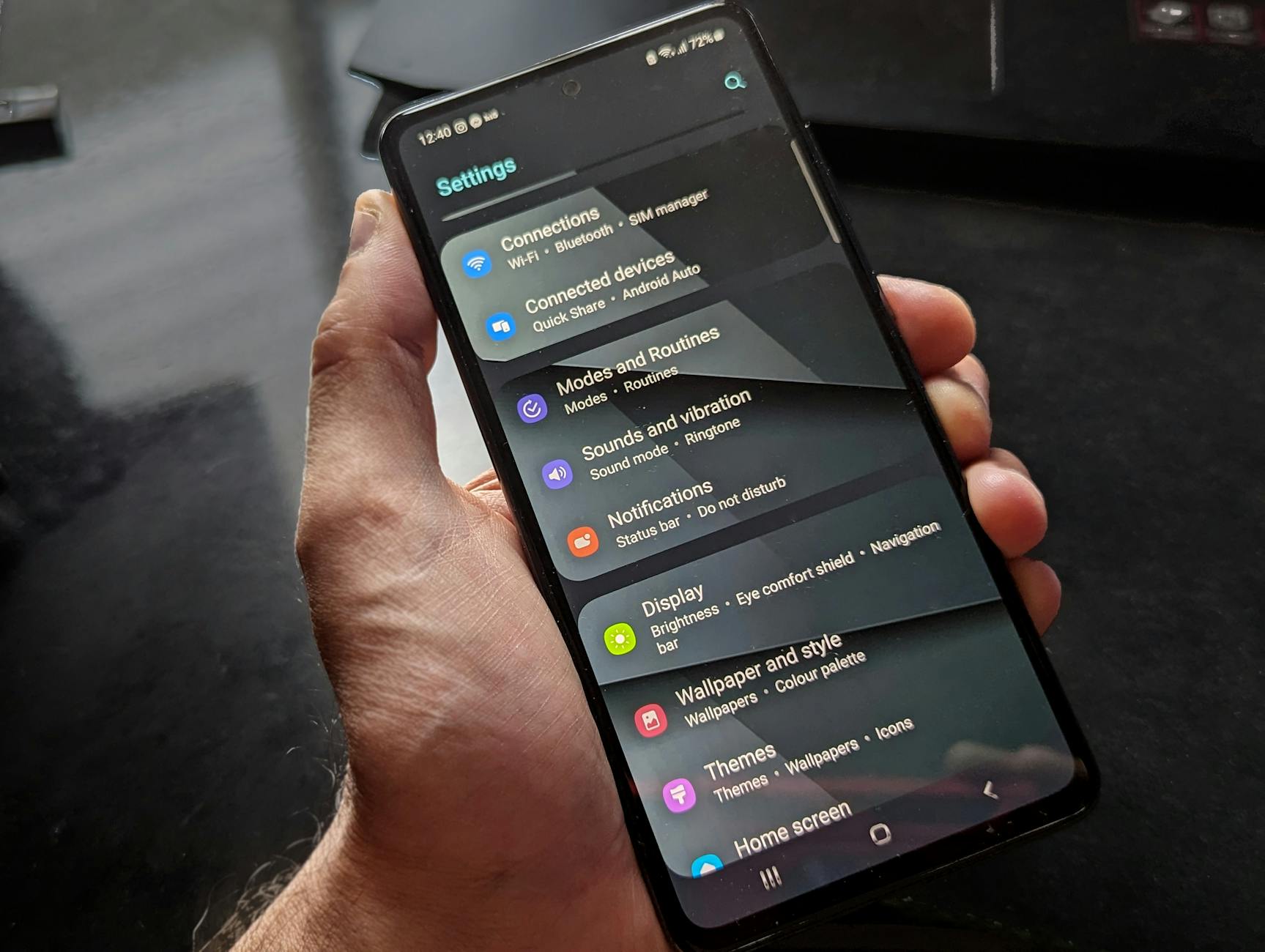 Photo by Watford London Media
iOS 18+ location controls explained
iOS gives you four core permission states for location:
- Never: The app cannot access your location at all.
- Ask Next Time: The app will prompt you for permission the next time it needs location data.
- While Using the App: The app can access your location only when you’re actively using it.
- Always: The app can access your location even when you’re not using it, if you grant this.
You’ll also hear about precise versus approximate location:
- Precise location is exact GPS data.
- Approximate location is a broader area, like a city or neighborhood.
Prompts appear the first time an app asks for location. Your default setting typically starts with “While Using App” or a similar option, but you can change it at any time. If you don’t enable location, some apps will still try to function with limited features or will not work as intended.
Apple makes it easy to review and adjust these permissions later. In Settings > Privacy & Security > Location Services, you can see which apps have access, switch between Never, While Using the App, or Always for each app, and toggle Precise Location on or off. If an app no longer needs location to function, deny it or remove its access entirely.
Helpful tip: use “Ask Next Time” for apps you barely use or where location isn’t essential. This keeps location data exposure down while still allowing convenience when you choose to grant access.
For more on how to manage Location Services on iPhone, you can consult Apple Support’s guides on granting and reviewing app permissions. Control the location information you share on iPhone and Turn Location Services on or off.
If you want a broader privacy context, Apple’s overview of Location Services explains how privacy settings work and what you can control. About privacy and Location Services on iOS, iPadOS and watchOS provides practical details on permissions and transparency.
When you review permissions, ask yourself: Do I need this app to know my exact location? Can I use approximate location instead? Regularly revisiting these choices keeps your data in your hands.
Android 15+ location controls explained
Android handles location permissions on a per-app basis and emphasizes user visibility through dashboards and app-by-app controls. Here’s the core idea:
- Per app permissions: Each app asks for location access, and you grant or deny it individually.
- Precise vs approximate location: You can allow exact coordinates or a rough area. Some apps may work fine with approximate data, saving you privacy.
- Dashboards and logs: The Privacy Dashboard and similar settings show which apps access location and when. These tools help you track and adjust permissions in one place.
To manage location on Android, start at Settings > Location. You’ll see a list of apps with their current permissions and can switch an app from “Allow all the time” to “Allow only while using the app” or to “Deny.” If an app asks for location to function but you don’t want to share, you can revoke access or switch to approximate location where the app still works.
Guiding steps you can follow:
- Open Settings and tap Location.
- Review each app’s permission and switch to the option that fits your comfort level.
- Use the app location permissions screen to adjust precise vs approximate sharing where available.
- Check the privacy dashboard or permission history to see recent activity and refine your choices.
For deeper guidance, Google’s support articles walk you through checking app permissions and using the privacy dashboard. Manage location permissions for apps and Choose which apps use your Android device’s location provide practical steps and visuals to help you get precise control. If you’re using Pixel devices, the Pixel-specific guidance covers extra steps like battery diagnostics that affect location behavior. Choose which apps use your Pixel phone’s location offers device-specific tips.
In practice, the goal is to connect location usefulness with privacy. Grant location only when an app truly benefits from it, and prefer “While Using the App” or even “Ask Every Time” for apps you don’t rely on. A quick review after a few weeks can prevent sneaky data sharing and keep your smartphone data footprint manageable.
If you want to explore how Android’s location controls fit into broader privacy practices, consider reading about app permissions and how dashboards help you stay in the loop. Google’s overview of app permissions provides context and steps you can apply across devices. Change app permissions on your Android phone is a solid starting point for most users.
Bottom line: both iOS and Android give you clear knobs to tune. Use them to minimize unnecessary data while keeping the features you rely on. Your smartphone should serve you, not the other way around.
Practical Step by Step to Review and Adjust App Location Permissions
Reviewing and tightening your app location permissions doesn’t have to be a chore. Think of it as a regular health check for your digital privacy. This section walks you through a practical, step by step approach to audit what’s using your location, tailor permissions per app, choose between precise and approximate location, and handle sensitive apps with extra care. The goal is to keep your essential conveniences while minimizing unnecessary data exposure.
Audit your installed apps quickly
Start with a fast but thorough audit. Create a short list of apps that currently have access to your location, then decide which are essential and which aren’t. A quick audit keeps your smartphone’s data footprint in check without delaying daily tasks.
- Open your device’s location settings and note every app that shows location access.
- Categorize apps into three groups: essential for day-to-day use, beneficial but nonessential, and unnecessary.
- For each nonessential app, ask: does it need location to function at all? If not, revoke access or uninstall.
- Keep a watchful eye on apps you use infrequently. An app you forgot about might still have location permissions lingering in the background.
If you’re unsure where to start, most systems provide a simple list of apps with their current permissions. On iPhone, you’ll see each app and can adjust quickly; on Android, you often have a per-app permission dashboard. For a quick reference, see how major platforms present this review process in their official help centers. For instance, Apple’s guidance on managing location access and permissions can help you confirm you’re looking at the right per-app controls. Control the location information you share on iPhone and related iOS help articles provide a solid baseline. On Android devices, the privacy dashboard consolidates permissions and gives you an at-a-glance view of which apps are actively using location data. Manage permissions from the privacy dashboard offers practical steps.
Pro tip: aim for a quick pass every few weeks. If you notice an unfamiliar app with location access, investigate its purpose and consider removing it. A light routine avoids a heavy overhaul later and keeps your privacy posture steady.
Adjust permissions per app
After you’ve identified which apps truly need location, tailor permissions with precision. Most smartphones let you choose among options like Never, While Using the App, or Always, and they may offer precise versus approximate location toggles. The per-app approach is central to practical privacy.
- Never: The app cannot access your location at any time.
- While Using the App: Location is available only when you actively use the app.
- Always: Location access is continuous, even in the background.
- Precise vs Approximate: Precise shows your exact coordinates; approximate reveals a broader area, like a city or neighborhood.
When an app no longer serves a needed function or you don’t trust its data practices, revoke access entirely. If an app still works reasonably well with approximate data, switch to approximate to curb precision without breaking features like local weather or nearby venues.
To apply these changes, go to Settings, locate the app in your location permissions screen, and select the desired option. On iPhone you’ll manage this under Settings > Privacy & Security > Location Services, then pick each app to adjust. On Android, Settings > Location presents a list of apps with their current permissions, letting you fine-tune per-app access and switch between precise and approximate sharing where available.
If you want deeper step by step visuals, Apple and Google offer detailed guidance. For iPhone users, Apple’s official guidance covers how to grant and review app permissions and how to disable access for apps that no longer need it. Turn Location Services on or off and related topics provide practical steps. On Android, Google’s help center walks you through reviewing and changing permissions on a per-app basis. Change app permissions on your Android phone is a solid starting point, with additional notes on location rights. Manage location permissions for apps – Android Help gives a concise overview of controlling location data at the app level.
A practical takeaway: grant location only when it meaningfully improves the app experience. If an app isn’t essential, deny or remove access. You’ll reduce data exposure and still keep useful features intact.
Choose between precise and approximate location
Precise location is powerful, but not always necessary. In many cases, approximate location is enough to deliver value while protecting your privacy. Knowing when to switch helps you strike the balance.
He Was Drowning in Bills and Burnout Until a Simple Daily Ritual Rewired His Brain for Wealth in Less Than a Week
>>> Start Your Shift Today <<<

- Use precise location only when it truly improves a feature, such as navigation to a specific destination or real-time ride tracking.
- Switch to approximate location when possible for apps like weather, nearby stores, or region-based content.
- If an app relies on location for security or age verification, keep precise data but limit it to during active use.
Switching between precise and approximate is usually an option within the per-app location settings. On iPhone, you’ll see a toggle for Precise Location near the per-app permission controls. Turning it off provides an approximate location for that app. On Android, the option may appear as a separate toggle or as part of the location permission prompt. If an app continues to function well with approximate data, keep it enabled and reduce precision.
Why this matters: approximate location reduces the risk of a complete movement picture being built from many data points. It still enables context-aware features without exposing your exact whereabouts all the time. If you’re curious about broader privacy implications, you can explore resources that discuss how location sharing intersects with targeted advertising and data sharing. For example, guidance from privacy-focused sources on location data and ad-based tracking offers useful context and is worth skimming. Practical explanations and user experiences can be found in community discussions and privacy guides as well. These sources can help you understand the trade-offs of precise versus approximate data.
An example to illustrate the idea: if a fitness app only needs to know your city to suggest local routes or gyms, approximate location may suffice. If a rideshare app needs your exact address to pick you up, precise data is appropriate during a ride. The key is to tailor the setting to the actual need each app has.
Handle sensitive apps with extra care
Certain apps demand stricter handling of location data. Banking, health, and family safety apps often deal with highly sensitive information. Treat these with heightened scrutiny to minimize risk and avoid unnecessary exposure.
- Banking apps: Location data may be used to detect unusual activity, but precise live location is typically not essential. Keep location access minimal, and prefer “While Using the App” or, if possible, disable location unless you’re actively using the app for a transaction.
- Health apps: Health data is sensitive by nature. Limit location sharing to what the app explicitly requires for health insights or geo-based services. Consider turning off location when the app isn’t in use.
- Children’s apps: If you manage a family device, enforce stricter controls. Enable location only when the app is actively used, and review what data is being shared with third parties.
In everyday use, ensure these apps have a clear, legitimate reason for location access. If you doubt the necessity, disable location or switch to approximate data. Regular checks are essential for maintaining trust and control.
If you want guidance from established authorities on tightening the screws for sensitive apps, consult official help and privacy resources from platform providers and trusted privacy media. These resources emphasize small, ongoing adjustments rather than one big overhaul. They also show how to monitor how and when location data is accessed, which helps you stay on top of new permissions or features that adjust data collection.
Together, these steps form a practical workflow you can perform on a regular cadence. A quick audit, per-app permission tweaks, smart use of precise versus approximate data, and extra care for sensitive apps create a resilient privacy posture without sacrificing the benefits you value. Your phone becomes a tool you control rather than a data beacon you barely notice.
Links and references to official guidance and privacy-focused resources can help you implement these steps with confidence. For iOS users, Apple’s privacy and Location Services guides are a solid starting point, while Android users can rely on Google’s privacy dashboard and permission management resources. See how these providers outline the core actions you’ll take to audit and adjust location permissions, then apply those steps to your own devices.
- Apple: Control app tracking permissions on iPhone
- Apple: Turn Location Services on or off
- Apple: About privacy and Location Services on iOS, iPadOS and watchOS
- Google: Manage permissions from the privacy dashboard
- Google: Change app permissions on your Android phone
- Google: Manage location permissions for apps – Android Help
Remember, the goal is to keep your essential features working while drastically reducing the amount of location data that’s collected in the background. A quick, recurring review makes this balance easy to maintain.
Best Practices for Choosing Which Apps Can Use Location
Managing location access is a daily privacy habit, not a one-time setup. The right approach keeps essential conveniences intact while cutting back on data sharing you don’t need. Use a practical, repeatable process: review what actually needs location, tailor permissions, and schedule regular checkups. Think of it as photo album curation for your smartphone data—keep the moments that matter, trim the rest, and revisit often to stay in control.
Prioritize essential services like maps and safety
Some apps rely on precise location to do their core jobs. Navigation, emergency features, and rideshare services are the most obvious examples. When you grant location, you’re enabling real-time direction, rapid response in a crisis, and accurate pickup or drop-off. That said, you don’t have to share your location with every app just because it asks.
- Navigation and safety first: Allow location only for apps that truly need it to function. For maps and emergency apps, precise location is often essential during use.
- Limit others: For apps that don’t rely on real-time location to deliver value, consider denying or using approximate data. If a service doesn’t require continuous tracking, switch to “While Using the App” or “Ask Next Time.”
- Control exposure: Prefer per-use grants over automatic, ongoing access. This reduces the chance that your movements get logged in ways you don’t expect.
To support this approach, see guidance on how to manage app location rights across platforms. For Android users, you’ll find practical steps to tailor per-app access and to distinguish precise from approximate sharing. Manage location permissions for apps offers clear actions you can apply today. For iPhone users, Apple’s per-app controls make it straightforward to revoke or adjust permissions as needs change. Turn Location Services on or off provides step-by-step directions you can follow in a few taps.
External context on the broader impact of location sharing reinforces why this matters. Location data can feed targeted advertising and raise questions about who sees what, when. If you want a deeper read, look at privacy-focused analyses and industry discussions that highlight how location data can be used beyond navigation. For a deeper business perspective on how location data affects security and enterprise risk, this resource offers relevant context: How mobile app location tracking puts executives and enterprises at risk.
Takeaway: start with essential services and keep others on a need-to-know basis. Your most relied-on apps should have location access, the rest should not or should use less precise data.
Limit always on access and prefer use based permissions
The strongest protection comes from limiting background access. The three practical defaults you should adopt are: use only when needed, demand occasional confirmation, and keep precision to a minimum unless it’s indispensable.
- Always on vs. use-based: Avoid “Always” unless a feature truly requires it, such as a live ride or a safety alert. Switch many apps to “While Using the App” or “Ask Every Time” for those you don’t use daily.
- Ask Every Time: This option may add friction, but it gives you control. If you value privacy, it’s a useful trade-off for apps that don’t need location constantly.
- Tradeoffs in plain terms: Using “While Using the App” means you’ll see fewer interruptions, but some background features might not work. “Ask Every Time” adds a prompt each time location is needed, which can feel annoying but protects privacy. For daily use, a mix of both often works best.
On Android devices, the Privacy Dashboard and per-app controls help you enforce these rules. You can see which apps have location rights and adjust them quickly. Manage location permissions for apps walks you through inspecting and tightening access, plus guidance on using approximate location when acceptable. On iOS, you can apply similar discipline by reviewing each app’s status and switching to less permissive settings when possible. Control the location information you share on iPhone is a good starting point to streamline this process.
If you want a broader view on best practices for location permissions across platforms, a practical overview from a major tech outlet covers the core steps and decision points for both iOS and Android. How to control which apps access your location on iOS and Android is a solid reference when you’re building your own permission checklist.
Bottom line: keep the default state tight. Grant location only when the app clearly benefits from it, and prefer prompts or usage-based permissions to give you ongoing control.
Set up regular reviews and auto resets
A smart routine keeps your privacy posture fresh without turning into a full-time project. Regular checks catch creeping data sharing and help you adjust as apps evolve.
- Monthly audits: Schedule a quick review of location permissions every 30 days. Look for apps that have gained new access or changed how they use data.
- Android auto reset: Some Android versions offer automated permission resets if an app hasn’t been used in a while. This helps prevent dormant permissions from hanging around.
- Simple steps to implement: Set a recurring reminder in your calendar. Start by listing all apps with location access, then reassess each one against its current function. If an app no longer serves a necessary purpose, revoke its permission or uninstall.
Practical guidance on Android auto-reset behavior shows how users can manage this feature and what to expect when permissions are reset. If you’re curious about how to handle automatic resets on Android, you can explore these discussions for deeper context: How do I stop Android’s auto-reset from revoking Location Services permissions? and a related Q&A on disabling the feature globally. For a broader sense of how to maintain control across devices, the Android Help pages on changing app permissions are useful. Change app permissions on your Android phone provides actionable steps you can apply.
In practice, a brief, monthly review is enough. Check who has access, confirm what they’re using it for, and remove permissions that no longer serve a clear purpose. If a device is shared or a family phone is in use, this becomes even more important to prevent unnecessary data exposure.
To reinforce the habit, consider a simple workflow: run a 5-minute audit, adjust a few permissions, and document any changes you make. A consistent cadence makes the practice feel effortless rather than burdensome.
External guidance that complements this approach includes official help resources from platform providers. For iPhone users, Apple’s guidance on permissions and Location Services gives a reliable framework for ongoing reviews. Turn Location Services on or off is a practical anchor in this routine. For Android users, Google’s privacy and permission resources help you stay in the loop with changes as the OS evolves. Manage permissions from the privacy dashboard is a good reference point for ongoing maintenance.
Key takeaway: treat location permissions as a living setting. A monthly check keeps you in the driver’s seat, ensuring the apps you rely on get what they need without over-sharing.
External links to support your routine:
- Android permissions best practices: https://developer.android.com/training/permissions/usage-notes
- iPhone location privacy basics: https://support.apple.com/en-ca/guide/iphone/iph3dd5f9be/ios
- Background location usage guidance from Google: https://developers.google.com/maps/documentation/navigation/android-sdk/background-location-usage
You don’t have to reinvent the wheel every time. A simple, consistent process—prioritize essential services, apply use-based permissions, and set up regular reviews—delivers confident control over your smartphone location data.
Ongoing Privacy Tools and Tips
Location privacy isn’t a one-off task. It’s an ongoing habit you keep refining as apps update and new features roll out. In this section, you’ll find practical ways to monitor, adjust, and test how location data flows through your smartphone so you stay in control without losing useful functionality. Think of it as a regular privacy tune-up for the devices you use every day.
Use built in dashboards and logs
Your phone stores a trail of which apps access location data and when. Reading this trail is straightforward once you know where to look. On Android, the Privacy Dashboard is a central hub that shows which apps have accessed location data and other sensitive permissions in a given period. It’s a quick way to spot apps that trigger location access long after you last used them, so you can prune or adjust as needed. Start by opening Settings and navigating to Location or Privacy, then tap into the Privacy Dashboard or permissions history. You’ll typically see a recent activity list with timestamps, the type of permission used (precise vs approximate), and the app name. If you notice unexpected access, revoke the permission or tighten the setting to “Only while using the app.” On iPhone, while the per-app controls are accessed through Settings > Privacy & Security > Location Services, you can still use the broader approach of reviewing app permissions to confirm which apps have ongoing access. The goal is simple: check in regularly to ensure your location data is being used by apps that genuinely benefit from it.
These dashboards aren’t just about ethics; they help protect you from data leakage and ad targeting that can pop up in the most surprising places. If you want to dig deeper, Google’s guidance on the privacy dashboard offers practical steps to review permissions and adjust them on Android devices. Manage permissions from the privacy dashboard provides a clear workflow you can apply today. For iOS users, Apple’s settings give you predictable control, and you can read how to turn location services on or off for a quick reset when things feel off. Turn Location Services on or off is a good anchor for this routine.
Key takeaway: treat dashboards as your privacy cockpit. A quick glance can reveal permissions you forgot about and prevent hidden data sharing from slipping into your day-to-day usage.
Manage shared devices and family accounts
Shared devices and family plans add a layer of complexity to location permissions. The right approach is to create clear boundaries and apply sensible defaults that protect kids while preserving useful features for adults. Start with a family device policy that matches your household’s needs.
- For kids and teens: limit location to “While Using the App” or even “Ask Next Time” for apps that don’t need live tracking. This helps you balance safety with autonomy and avoids constant geolocation logging. Explain why you’re limiting access so they understand how it helps keep their data private.
- For shared devices: designate a primary user who manages permissions. On a family phone, review location access every few weeks and adjust for new apps or new features. If a family calendar or maps app requires location, ensure all members know when it’s active and who can see it.
- App-specific routines: set up default permissions for common categories such as maps, rides, and weather. For example, allow precise location only during active use for navigation, but keep weather apps on approximate location.
In households, controlling location data isn’t just about privacy; it can reduce accidental data sharing that occurs when someone forgets to sign out or grant a background permission. When in doubt, use the “While Using the App” setting or “Ask Next Time” for apps used by multiple people. Android’s privacy tools and per-app controls make this practical; you can see and adjust permissions per account or device. For Android users exploring this on the device, the privacy dashboard helps you see who’s accessing what data and when, making it easier to keep everyone’s information shielded. Manage location permissions for apps – Android Help provides actionable steps and context. If you’re managing iOS devices in a family group, you’ll find similar controls in Settings that help you tailor permissions for each person and device.
Bottom line: a well-structured household policy keeps location data from becoming a shared liability. It’s about giving everyone the right amount of usefulness without opening doors to unnecessary tracking.
Keep testing it with real life scenarios
The best way to know if your location permissions are set up sensibly is to test them in everyday tasks. Try common scenarios and observe what prompts appear and how location access behaves.
He Was Drowning in Bills and Burnout Until a Simple Daily Ritual Rewired His Brain for Wealth in Less Than a Week
>>> Start Your Shift Today <<<
- Your daily commute: use a navigation app to see if it requires location in the background or only while you’re navigating. If the app doesn’t need live tracking when you’re not driving, switch to “While using the App” and monitor whether the routing accuracy and ETA remain acceptable.
- Planning a weekend out: open a weather or events app and note whether it needs precise coordinates to deliver local recommendations. If approximate location still yields relevant results, you’ve reduced risk without losing value.
- Rides and deliveries: when a ride is on the way, confirm the app gains location access only during pickup and drop-off windows. Once you’ve reached your destination, see if the app still needs background access.
- Family sharing moments: test a family safety feature by sharing your location with a trusted contact for a specific window, then retract access after the event.
As you work through these tasks, watch for prompts that seem intrusive or repetitive. If a legitimate app asks for location too often, revisit its permission level. Switching from “Always” to “While Using the App” in these scenarios often restores balance. Android’s dashboard and iOS settings both make these adjustments straightforward, so you can quickly implement a test result into a real policy.
If you want an additional viewpoint on testing location access in practice, you can read about how location services function during day-to-day activities in broader privacy contexts. For example, guidance on how GPS supports safety and everyday navigation can help you understand why some apps depend on location data more than others. You’ll also find practical explanations of how location data interacts with targeted advertising, which can inform decisions about granting permissions.
External resources you can consult as you test:
- Android privacy dashboard and app permissions: Manage permissions from the privacy dashboard
- iPhone permission management basics: Turn Location Services on or off
- General Android location control guidance: Change app permissions on your Android phone
Real world testing keeps your privacy plan honest. It helps you see where your data actually travels and whether you get enough value to justify that exposure.
Conclusion
Your privacy and usefulness can go hand in hand when you manage location access with intention. Start with a quick audit, tailor per app permissions, and choose precise or approximate data based on actual need. A smart smartphone can still deliver strong convenience while staying stubbornly private if you keep reviews regular and defaults tight. Review your settings now, then apply the steps today to balance safety, utility, and peace of mind.
There Is a Frequency That the Wealthiest Families Have Used for Generations and Most People Will Never Know It Exists
>>> Open the Door <<<
