
Are you planning a trip and want reliable connectivity without breaking the bank? This guide shows you how to pick the best international plan for your phone, so you stay online without surprise costs. We’ll break down your needs, compare plan types, and outline a simple decision process you can use right away.
Assess your travel pattern and phone needs
Before you pick a plan, take a clear look at how you actually travel and what you rely on your phone to do. Understanding your patterns helps you avoid paying for features you won’t use and nails down the essentials you do need. This section breaks down how to evaluate your trips, destinations, and everyday phone habits so you can choose with confidence.
 Photo by Gustavo Fring
How often you travel and where
Your travel cadence shapes the plan you should choose. Start by answering these quick questions:
- How often do you leave home for trips? If you travel multiple times a year, a data heavy plan can pay off, but if you’re a once-a-year traveler you might prefer pay-as-you-go options or a regional plan.
- What destinations are most common? Are you hopping within a single region, or bouncing across continents? Roaming rules and data costs vary widely by region, so know where you’ll be most of the time.
- Do you do seasonal trips or business trips? Seasonal holidays may bring peak prices or network congestion, while business travel often requires reliable uptime for calls and conferencing.
- Are you visiting rural areas, islands, or big cities? Urban centers usually have strong networks, but remote regions can be hit or miss.
- Do you rely on voice calls, text messaging, or data-driven apps? If you mostly message, you can save by choosing data-first plans with strong WhatsApp, iMessage, or other chat app support.
Practical takeaway: map out your last 12 months of travel and plot destinations by region. If you frequently visit the EU, for instance, you’ll want to understand EU roaming rules and how they affect charges. For a quick read on EU roaming, you can explore official guidance and current rules from reputable sources like the European Union’s roaming page. This helps you avoid surprises when you land. Roaming: Using a mobile phone in the EU
What this means for your plan choices:
- Frequent regional travel (EU, UK, North America): look for a regional or multi-region plan with predictable data costs and easy call options.
- Sporadic travel with long stays abroad: consider flexible options that don’t require long-term commitments or high upfront costs.
- Mixed travel including remote areas: you’ll want reliable data and hotspot capability, plus good coverage in rural regions.
If you want to dive deeper into roaming specifics, a few credible resources explain how regulations have evolved and what they mean for travelers. For example, current EU roaming regulations outline how charges change when you’re outside your home country, helping you plan ahead. European Union roaming regulations and practical guides summarize these rules for travelers. Data roaming in the EU explained provide FAQs for staying connected without surprises.
Data usage and calling needs on the move
Your data needs hinge on how you use your phone on the road. A little planning goes a long way. Consider these angles:
- Monthly data estimate: track your typical daily data use on the road. Light users who mainly check email and maps can get by with smaller packages, while heavy streamers or remote workers will need more data and reliable speeds.
- Voice calls vs messaging apps: if you primarily use messaging apps (WhatsApp, iMessage, Telegram), data plans with robust messaging support can be cost-effective. If you frequently dial out or host conference calls, look for plans with strong voice minute options or VOIP compatibility.
- hotspot capability: sharing your connection with a laptop or tablet is essential for many travelers. If you rely on hotspot, confirm the plan allows tethering without extra fees and offers sufficient data at reasonable speeds.
- Real usage simulation: replicate your typical travel week. Use a normal mix of navigation, photo uploads, video calls, streaming music during flights or layovers, and background app activity. This helps you estimate data need more accurately than guessing.
A practical approach to estimating data is to think in blocks:
- Navigation and maps on the go: 100–300 MB per day in urban areas, more if you’re driving or exploring with offline maps off.
- Messaging and email: 50–150 MB per day depending on media usage.
- Social media and light streaming: 100–300 MB per hour for a typical smartphone user.
- Backup and cloud syncing: 50–200 MB per day, higher if you auto-upload photos.
If you want to minimize costs, look for plans that offer a generous data allowance at a reasonable price and don’t penalize you for near-capacity usage. Also check for any regional data caps or throttling after a certain amount of data is used.
Tip: to simulate real usage, create a week-long test plan at home. Use your phone the way you would on trips, then check your data consumption to project a monthly need when traveling. This gives you a solid baseline and protects you from overage surprises.
For a practical edge, verify how your preferred plan handles roaming in the regions you visit most. Some providers still price roaming significantly, others include it in the base rate or offer predictable daily rates. If you’re traveling within the EU, the roaming rules may affect the final cost and coverage. You can review the current roaming landscape at official sources and trusted guides to ensure you’re informed before you buy. This helps you compare plans on an apples-to-apples basis.
If you’re curious about real-world roaming experiences in Europe, here are a couple of solid reads:
- EU roaming overview and consumer guidance
- Data roaming basics in the EU and how to stay connected without surprise charges
References and further reading can be found in the linked articles to help you understand regional nuances and avoid hidden fees.
To recap, the right plan matches both your travel tempo and how you use your device. By estimating data needs, clarifying calling habits, and confirming hotspot rules, you’ll narrow the field to options that fit your travel life rather than creating friction during trips. Use these insights to pick a plan that stays reliable when you’re on the move, not after you’ve arrived.
Explore plan types and how they work
Choosing the right international plan starts with understanding the two broad camps travelers rely on: carrier roaming add-ons and global or travel SIM options. Each has its own rhythm, price structure, and performance profile. In this section, you’ll learn how they differ in setup, cost, speeds, and coverage, and you’ll see a simple example to compare them side by side. By the end, you’ll be ready to pick the option that fits your trips without surprises.
Carrier roaming add-ons vs global SIMs
Carrier roaming add-ons are the easiest to start with. You buy a roaming package directly from your current wireless provider, often as a daily or monthly rate. The setup is usually seamless: you keep your existing number, your phone remains on your home network, and data starts flowing once you enable roaming. The upside is convenience and consistent support from your primary carrier. The downside is cost. Roaming rates tend to be higher per megabyte, and daily caps can constrain data use quickly if you stream or upload large files.
Global or travel SIMs operate with a different model. You purchase a SIM card or eSIM that works across many countries, sometimes with a single plan offering data, calls, and texts in a wide geographic footprint. The setup can be a little more involved. You may need to swap SIMs or install an eSIM profile before you depart, and you may have to manage separate numbers or plan specifics for each destination. However, the cost structure is typically more transparent, data is often cheaper, and many options include generous data pools that fit long trips.
To picture the difference, consider a 10-day trip across three regions. A roaming add-on might cost around $8–$12 per day with variable data speeds, while a global SIM could offer a fixed data bucket at a lower daily rate. The speed you experience depends on local networks and the provider’s partner tier, but global SIMs often perform well across multiple countries due to their regional economies of scale. For many travelers, the decision hinges on whether you value simplicity or price certainty over the entire journey.
A practical way to compare is with a simple example:
- You’re traveling from the United States to Western Europe and then to a Southeast Asian country.
- Roaming add-on: pay daily, data speeds depend on your home carrier’s roaming agreements, possible higher overage costs, and you keep your current number.
- Global SIM: buy a single plan or a couple of regional plans, install the eSIM, data is pooled across countries, and you may use a local number or keep the same one depending on the provider.
When you weigh these options, keep these factors in mind:
- Setup ease: roaming needs no change to your device settings; global SIMs may require a quick SIM swap or eSIM activation.
- Cost structure: daily rates vs fixed data pools; consider overage policies and whether calls are included or billed separately.
- Data speeds: roaming can be fast in urban hubs but slower in some rural pockets; travel SIMs often optimize for broad regional speeds.
- Coverage: roaming relies on your home carrier’s international partners; global SIMs rely on multiple networks to stitch together coverage.
For further reading on how these options stack up, you can explore insights from independent carriers, eSIM providers, and travel tech sites. Here are a few solid resources:
- Stay connected with roaming, SIMs and eSIMs compared
- Why travel SIMs outperform roaming in many scenarios
Local SIM and eSIM options for travelers
Local SIMs and eSIMs offer a different path. They rely on networks inside your destination country or a chosen region, often delivering the best price per gigabyte once you land. The cost advantage is the biggest draw. Local options tend to be cheaper than roaming because you’re buying data from a domestic carrier at local rates. If you’re staying for a week or more in a single country, this approach can be dramatically cheaper than keeping your home plan active overseas.
Device compatibility matters here. Unlocked phones are almost always required for local SIMs, and many modern smartphones support dual SIM configurations or eSIM profiles to manage two numbers on one device. As of 2025, most flagship devices and mid-range models support eSIM. If your phone is locked to a carrier, you’ll need to request an unlock before travel. This step is simple in many cases, but you should verify the unlock policy with your carrier before you leave.
Activation steps are straightforward:
- Check that your phone is unlocked and supports eSIM if you plan to use that route.
- Choose a local carrier or regional provider and purchase a SIM or eSIM plan.
- Install the SIM or add the eSIM profile in your device settings.
- Select the new plan as the active line for data and calls.
- Test connectivity soon after landing to confirm activation and coverage.
eSIM support has grown substantially by 2025. If your device supports eSIM, you can skip physical SIM swapping entirely on many trips. This is especially handy for quick turns around airports and busy transit hubs. Quick note for iPhone and many Android devices: you can keep your home line active for calls and texts and use a local data plan for data only, or you can switch to the local plan entirely for the duration of the trip.
When deciding between local SIM and eSIM options, weigh these factors:
- Destination density: local options shine when you stay in one country or region for a longer period.
- Activation speed: eSIMs can be activated in minutes from an app or online, while physical SIMs require swapping at arrival or in a store.
- Device support: confirm your phone is unlocked and supports eSIM if you want a seamless setup.
- Data vs calls: if you rely on VOIP and messaging apps, a data-centric plan can be enough; if you need regular voice calls, ensure the plan includes adequate calling options.
Links to practical guidance and provider options can help you understand real-world setup and costs. For example, you can read about practical local and eSIM strategies from travel-focused tech sources. Travel-friendly guides also explain how to compare local SIM options across popular destinations.
In sum, local SIMs and eSIMs offer strong value for longer stays or single-country trips. They demand a bit more upfront planning but often deliver the cheapest per-GB data. If you travel frequently to specific destinations, a local strategy can reduce costs substantially while keeping you online when you land. If you’re curious about how to pick between a local SIM and an eSIM, see the latest comparisons and tips from reputable providers. You can find detailed discussions and practical advice through trusted travel tech resources.
Weigh cost, coverage, and value
Choosing an international phone plan comes down to a simple equation: what will you spend, what will you get, and how reliably will it work where you travel. This section helps you weigh price against real-world coverage and the value you receive from each option. You’ll learn how to spot hidden costs, understand data limits, and compare coverage so you can pick a plan that fits your travel lifestyle without surprises.
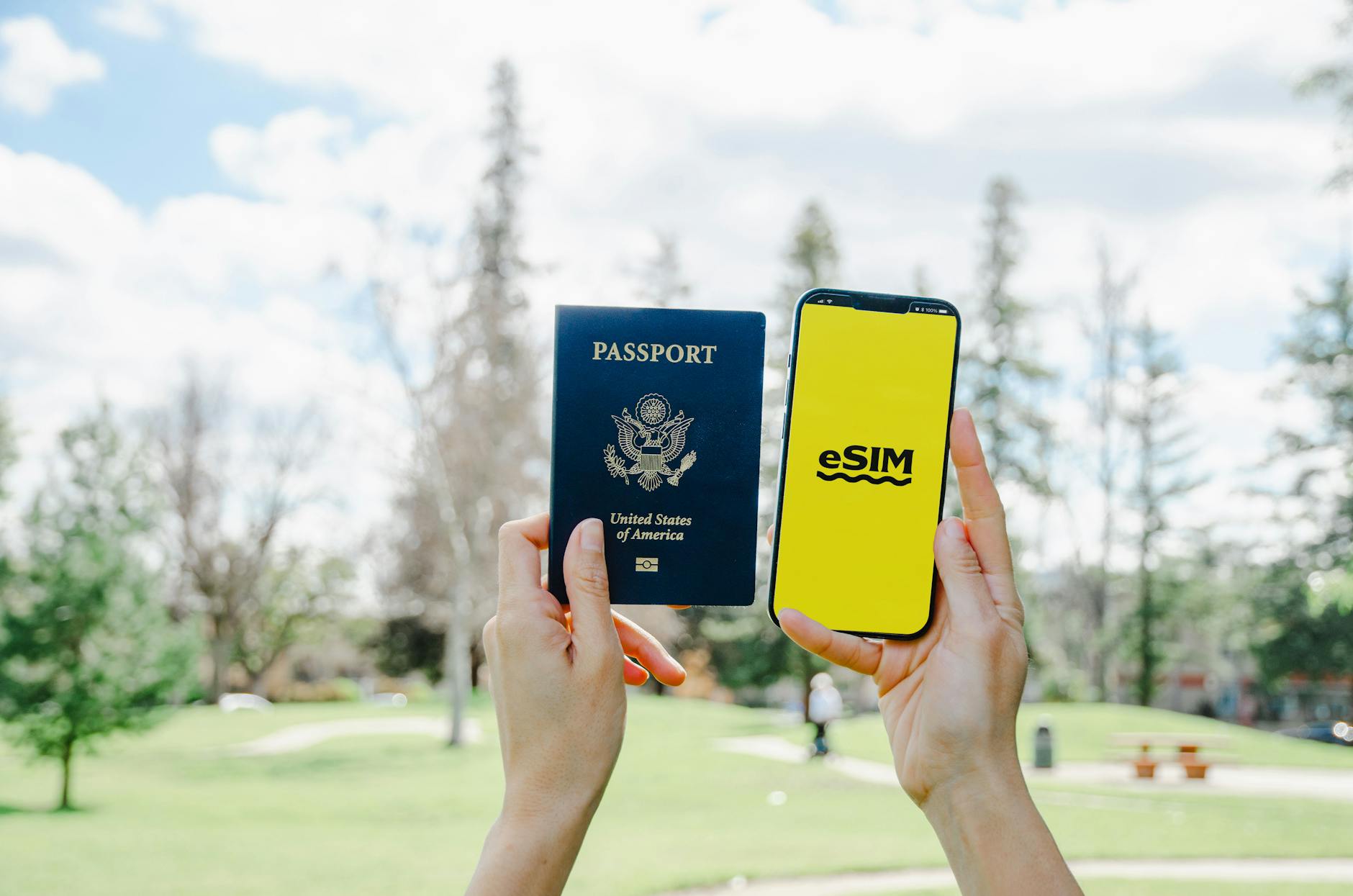 Photo by Jacob
Data limits, speeds, and overage rules
Data limits and speeds are the backbone of value. Start by confirming how data is measured and what counts toward your allotment. Many plans use gigabytes (GB) or megabytes (MB) per billing cycle, but some use a mixed model with high-speed data and a slower tier after you exhaust the fast pool. Look for throttling or deprioritization terms as you approach the cap, and note whether speeds stay usable for maps and messaging or drop to a crawl.
Clear examples help you compare quickly. A typical traveler might see:
- Global roaming add-ons: 1–2 GB per day at 2G–4G speeds, then throttling to a slow tier or higher per-GB charges.
- Global SIMs or regional plans: 10–20 GB data pools per month with 4G or 5G speeds, no surprise throttling until you reach any regional cap.
- Local SIMs: 5–15 GB per week in a country, often with strong speeds but limited to that country’s network.
Key questions to ask providers:
- How is excess data charged? Is there a per-GB rate after the high-speed allotment, or a hard cap that slows you down?
- Do speeds vary by region or by network type (3G, 4G, 5G)? How does this affect browsing, maps, and video?
- Is there a separate tethering allowance, or will hotspot use incur extra charges?
A practical tip is to photoscan your likely week on the road. Estimate 100–300 MB per day for navigation, 50–150 MB for email and messaging, and 100–300 MB per hour for social media or streaming. Compare those numbers against the plan’s high-speed data to gauge how far you can push during peak days. If you rely on video calls or cloud backup, ensure your plan covers those needs without pushing you into overage territory. For a deeper dive into data limits and throttling, see these resources:
- Throttling and fair-use policies explained
- Do unlimited data plans really stay unlimited
If you see a plan that promises unlimited data, check the fine print for throttling thresholds and time-based limits. A common pattern is a fixed high-speed cap (like 20–50 GB) followed by slower speeds. That difference matters when you’re traveling and depend on real-time navigation or video calls. Use a week-long at-home test to predict your actual needs and compare plans with real usage in mind.
Coverage reliability by region
Coverage quality varies by region, city size, and local infrastructure. It pays to verify ahead of time which networks your plan or SIM uses, and how those networks perform in the places you visit most. Start with these practical steps:
- Check official coverage maps from the provider and cross-check with traveler reviews for your destinations.
- Look for plans with access to multiple networks or reputable roaming partners in your frequent regions.
- Consider regional or multi-region options if you bounce between continents.
When evaluating coverage, focus on the regions you’ll actually visit. A plan might offer excellent data speeds in major capitals but struggle in rural areas or small islands. For popular destinations, read recent traveler reports about reliability, uptime, and customer support responsiveness. If you’ll be in remote areas or doing off-the-beaten-path travel, emphasize plans with strong rural coverage or generous hotspot allowances.
How this choice affects your decision:
- Frequent visits to Europe and North America: look for regional plans that cover both continents with predictable data rates and easy calls.
- Long stays in a single country: a local SIM or eSIM can deliver the best price and the most stable service for that country.
- Island hopping or rural trips: prioritize plans with robust roaming agreements and good rural network partnerships.
To help you compare coverage more concretely, explore independent reviews and official guidance on roaming rules and network performance. You can also consult traveler-focused comparisons to see how major providers perform across your top destinations. For quick context on coverage in the EU and roaming considerations, these sources offer broad guidance:
- EU roaming rules and practical traveler guidance
- Regional coverage comparisons for popular travel destinations
Remember, coverage is not just about speed. It’s about staying connected when you need it most. Map out your likely routes and testing windows, then align your choice with plans that promise consistent service where you’ll be.
Hidden fees and contract terms
Hidden costs can quietly sabotage a travel budget. Always read activation fees, minimum commitments, auto-renewals, and charges for international calls or SMS. Look for these common traps and how to avoid them:
- Activation or SIM swap fees: some carriers charge to activate a new line or to switch to a different SIM type (physical or eSIM).
- Minimum terms and auto renewals: many plans require a minimum period. If you cancel early, you may face penalties or unexpected charges.
- International calls and texts: some plans include data but bill separately for calls or SMS sent abroad. Check whether calls are included or if you’ll pay per minute, and whether there are any set-up fees.
- Roaming surcharges: even with a data plan, some destinations still incur extra roaming charges or daily fees when you use data abroad.
To avoid surprise costs, ask for a clean, itemized breakdown before signing up. Request a copy of the terms in writing and confirm cancellation procedures. If a plan seems too good to be true on price, it probably hides restrictions that will frustrate you on the road.
A few practical checks to keep in mind:
- Are there activation or equipment fees? What about SIM replacement if you lose your device?
- Is there a required minimum term, and what happens if you need to pause or cancel early?
- Do international calls or texts come at a separate rate, and is there a cap on roaming charges?
- Can you port your existing number, and what is the process if you switch networks mid-travel?
When you’re comparing offers, build a simple pros and cons table with three columns: cost, coverage, and restrictions. Put the most weight on hidden fees and real-world performance in your top destinations. This approach helps you avoid pricey lessons and keeps your travel budget intact.
If you want to explore more about how providers structure pricing, these resources offer clear explanations and comparisons:
- Throttling and fair-use policies: what “unlimited” really means
- Is unlimited data really unlimited: common caps and exceptions
By weighing data value, coverage reliability, and the fine print, you can choose the plan that gives you the best blend of price, performance, and simplicity. The right choice frees you to focus on the trip itself—not the bill that follows you home.
A practical, step by step plan to choose
Choosing an international phone plan for travel can feel overwhelming, but a simple, repeatable process helps you land on the right option fast. Use this step by step plan to evaluate your needs, gather solid options, compare them clearly, and test before you commit. Each step builds a clearer picture of what you truly need on the road, so you avoid paying for features you won’t use and keep your connectivity reliable.
Step by step evaluation
Start by mapping your travel and phone habits in plain terms. This keeps the process grounded and easy to explain to family or colleagues who will split the plan with you. Break it down into four lightweight steps:
- Assess needs: estimate how much data you require, how often you’ll use calls or VOIP apps, and whether you’ll tether a laptop or tablet.
- Collect options: list roaming add ons from your current carrier, global SIM offers, and local SIM/eSIM choices near your destinations.
- Compare side by side: create a simple grid that captures price, data allotment, speeds, coverage, and contract quirks.
- Decide and test: pick a plan for a trial period, test in-stay or near your departure, and confirm activation steps before you travel.
A practical approach to this evaluation is to treat your phone as a travel toolkit. If you travel often or with others, you’ll benefit from a plan that offers predictable data and straightforward support. A good reference on choosing an international plan from a major carrier can help you set expectations about what “international” typically includes and what it costs. Visit an example guide such as Verizon’s overview to frame your own decision process: How to pick an international plan. Verizon international plan guide
If you’re weighing options for multiple travelers, consider how often you’ll roam and where. The Points Guy offers insights on choosing based on your needs and destinations, which can help when you’re balancing price against practical coverage. Read their comparison mindset here: Best international phone plans for travel. The Points Guy: Best international phone plans for travel
Key takeaway: keep the evaluation simple and concrete. You’ll move quickly from questions to a short list you can compare without friction.
Quick comparisons you can do in 15 minutes
When time is tight, a one-page worksheet is your best friend. Create a compact table with these metrics:
- Price: monthly or per day cost, including any activation or SIM fees
- Data: total gigabytes, high speed data, and any throttling policy
- Speed: typical 4G/5G performance or expected throughput in your favorite destinations
- Coverage: regions or countries covered, plus how many networks are used
- Contract terms: minimum commitment, auto renewal, and cancellation rules
To keep it practical, fill the sheet once with a baseline plan and then compare two add ons you’re considering. For example, if you’re choosing between a roaming add on and a global SIM, line them up side by side. Focus on the most impactful differences first: total monthly cost, data pool size, and whether calls are included.
A quick comparison example might show:
- Roaming add-on: $8–$12 per day, data speeds depend on your home carrier, calls billed separately
- Global SIM: fixed data pool, potentially lower daily rate, local numbers optional or extra
A few ready-to-use tips:
- Prioritize plans that include hotspot data if you travel with a laptop or tablet.
- Check if the plan allows easy number porting or keeps your existing number active for calls.
- Look for transparent overage policies and no hidden fees.
If you want a concise read on roaming and SIM options, see a practical overview that compares roaming versus global SIMs and local options. A helpful starting article is Stay connected with roaming, SIMs and eSIMs compared. Stay connected with roaming, SIMs and eSIMs compared
Real-world guidance from travel-focused sources can also speed up your quick comparison. For example, a well regarded article on international plans covers what you should ask and how to paste it into your own worksheet. Guide to international mobile plans and SIM cards
Takeaway: a 15 minute quick comparison helps you narrow to two or three solid options. Then you can test and confirm details before you commit.
Tips for families or multiple devices
Traveling with the family or a group means sharing data and coordinating devices. A few smart moves keep everyone online without breaking the budget:
- Family plans and shared data pools: look for plans that offer a single data pool across multiple lines. This makes it easier to manage usage with a single bill and avoids data fragmentation.
- Manage devices on one bill: tablets, wearables, and mobile hotspots can be tied to a central account to simplify tracking and payments.
- Device compatibility: ensure all devices can work with the chosen plan, especially if you rely on wearables or kid devices. If you have an older tablet or a smartwatch, verify it supports the chosen SIM type or eSIM.
- Roaming rules for kids and seniors: choose plans with predictable daily rates and simple usage caps to avoid surprises.
- Activation and testing: set up the plan before you travel and do a quick test when you arrive. Make sure each device can access data, messaging, and calls as needed.
If you’re considering a family plan or a multi-line deal, compare the per-line cost against a shared data pool. In many cases, total savings come from a reduced per-line price and a larger combined data allowance. For practical guidance on multi-line options, you can refer to independent reviews and provider guides to see how plans stack up in real life.
A quick scenario to illustrate the approach: your family is traveling across two continents for two weeks. A shared data pool with a fixed daily rate across all lines can reduce confusion and keep everyone online during navigation, photo sharing, and group calls. The better option often blends simplicity with a robust data allowance rather than multiple separate plans.
Putting it all together, the best family or multi-device plan is one that minimizes admin work, eliminates surprises at checkout, and keeps data flowing when it matters most. When in doubt, test with a small subset of devices first and expand if the experience is smooth.
Links for further reading on family and multi-device options include practical guidance from travel and tech sites that compare multi-line plans and eSIM strategies across regions. Best international phone plans for travel
Conclusion
Choosing the right international phone plan comes down to cost, coverage, and how you travel. Review your last trips, estimate data needs, and compare options side by side to find the best fit. Test your chosen plan before a trip and adjust settings like data roaming to avoid surprises on the road. If you’ve found a great option, share it in the comments and tell us how it performed on your travels.