What If the Only Thing Between You and the Life You Deserve Is a Hidden Wealth Code Waiting to Be Activated
>>> Open the Door <<<

Tearing through noisy environments is a common problem. Missed calls in a crowded street or a loud meeting can be frustrating, but a vivid vibration pattern makes calls stand out without pulling your phone from your pocket. This guide shows you how to customize your vibration so you can spot an incoming call at a glance.
Many smartphones let you tailor vibration patterns with simple steps. On Android, you can set a general call vibration and even assign custom patterns to specific contacts. On iPhone, the options are more limited, but you still can adjust basic vibrations for all calls and enable or disable vibration as needed. The goal is to create a cue that’s quick to recognize and easy to distinguish from other alerts.
In this post you’ll learn the exact steps for both platforms. We’ll cover where to find the settings, how to preview different patterns, and how to apply per contact options on devices that support them. You’ll also see practical tips for choosing patterns that map to your daily routine, such as a short buzz for work colleagues and a longer rhythm for family. By the end, you’ll have a clear plan to make call notifications more noticeable with a simple tweak to your smartphone.
If you’re ready to stop missing calls, this quick guide will save you time and reduce stress. It’s written for real people with real devices, and you’ll be able to implement changes in minutes. Let’s walk through the steps you need to customize your vibration pattern for calls on both Android and iPhone.
He Was Drowning in Bills and Burnout Until a Simple Daily Ritual Rewired His Brain for Wealth in Less Than a Week
>>> Start Your Shift Today <<<

Why Customize Your Phone’s Call Vibration Pattern
Customizing how your phone vibrates for calls gives you a quick, reliable cue in any situation. It helps you identify who is calling without pulling your phone out or hunting for the screen. When you set up patterns that fit your daily routine, you’ll miss fewer calls and reduce everyday stress. Below, you’ll find practical reasons to tailor vibrations, plus tips to implement patterns that suit Android and iPhone.
There Is a Frequency That the Wealthiest Families Have Used for Generations and Most People Will Never Know It Exists
>>> Open the Door <<<

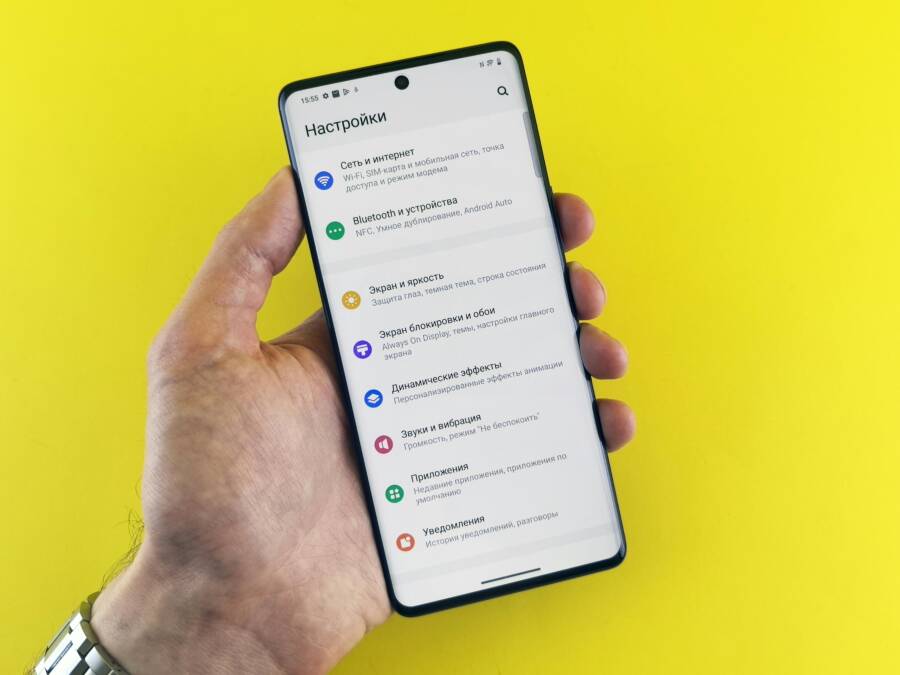
 Photo by Andrey Matveev
Personal and practical benefits
- Quick identification: A distinct pattern helps you know who’s calling at a glance. You can assign a short buzz for coworkers and a longer rhythm for family.
- Hands-free recognition: In loud rooms or noisy streets, a recognizable vibration saves you from grabbing the phone to check the caller.
- Accessibility boost: Varied patterns aid users with hearing or attention differences, making calls easier to notice.
How this helps in different environments
- In a busy office or cafe, a unique vibration pattern cuts through chatter better than a generic alert.
- During workouts or commutes, a tactile cue ensures you don’t miss important calls when your phone isn’t in sight.
- For parents or caregivers, per-contact patterns let you distinguish urgent calls from regular messages at a glance.
Quick paths to setup on Android and iPhone
- Android users can create custom vibration patterns and even assign them to individual contacts. This means a quick, personal cue for colleagues or important clients. For step-by-step guidance, see Android Authority’s walkthrough on making custom vibrations for contacts on Android.
Link: https://www.androidauthority.com/how-to-make-custom-vibrations-on-android-3506993/ - iPhone users can craft custom vibrations for specific contacts, giving you a clear signal for who is calling. See MacRumors’ guide on set a custom vibration alert for a contact on iPhone or explore Gadget Hacks for creating custom vibrations for contacts on iPhone.
Links:- https://www.macrumors.com/how-to/set-custom-vibration-alerts-contacts-ios/
- https://ios.gadgethacks.com/how-to/create-custom-vibrations-contacts-iphone/
Simple, effective patterns to try
- Short pulse for work colleagues: a brisk two-beat pattern to signal a non-urgent call.
- Medium rhythm for close family: a three-beat, slightly slower pattern that’s easy to notice.
- Long cadence for emergencies: a longer sequence that stands out and can be felt through clothing.
How to test and refine your patterns
- Preview regularly: Most devices let you hear or feel the vibration while you’re in the settings. Use this to confirm it’s distinct.
- Compare against other alerts: Make sure your pattern isn’t easily confused with other vibrations or notifications.
- Iterate in small steps: Change one beat length at a time. This keeps the cue intuitive and easy to remember.
Quick tips for consistency
- Use patterns that map to your routine. If you spend a lot of time in meetings, a subtle, steady pattern might work better than a flashy one.
- Keep a few spare patterns for different groups. You don’t need a pattern for every contact, but a couple of well-chosen cues can cover most scenarios.
- Consider accessibility needs. If you or someone you know relies on touch cues, choose patterns that are clearly different in length and rhythm.
Want more depth? Explore related guides
- Learn how to set a custom vibration alert for a contact on iPhone to create a tailored cue.
Link: https://www.macrumors.com/how-to/set-custom-vibration-alerts-contacts-ios/ - Create custom vibrations for contacts on iPhone to feel who’s calling or texting.
Link: https://ios.gadgethacks.com/how-to/create-custom-vibrations-contacts-iphone/ - Make custom vibrations for Android contacts to identify callers while the phone is silent.
Link: https://www.androidauthority.com/how-to-make-custom-vibrations-on-android-3506993/
By investing a few minutes to customize call vibrations, you gain clarity in a world full of distractions. It’s a small tweak with a big payoff, keeping you in control of your notifications and helping you stay connected when it matters most.
Step-by-Step Guide to Change Vibration on Android Phones
Vibration patterns are a simple but powerful way to tag calls in your pocket. Whether you’re walking through a crowded venue or juggling a busy day, a distinct pattern helps you identify who’s calling without pulling out your phone. Below are device-specific, clear, action-forward steps you can follow today. Each subsection focuses on a popular Android family and ends with practical tips you can apply immediately. For best results, test patterns in real life to ensure they stand out in your usual environments.
Samsung Galaxy Phones
Samsung Galaxy devices offer a straightforward path to customize call vibration through the Phone app. Start by opening the Phone app, then tap the three dots in the corner to access Settings. From there, navigate to Call alerts and ringtones and select Call vibration. You can pick a pattern that resonates with you and adjust the intensity using the available slider. A quick tap on the preview option lets you hear or feel the pattern before saving it.
If your Galaxy device is part of the S25 series, the same steps apply, ensuring consistency across generations. After setting up the pattern, test it in real life by placing a call to yourself or asking a friend to call you in a typical scenario (busy hallway, quiet office, or a moving car). This real-world test helps confirm the cue stands out amid ambient noise.
Helpful reference
- Samsung support pages explain how to manage sounds, vibrations, and notifications on Galaxy devices, including how to customize alert options. This can help you understand additional notification controls beyond call vibration. https://www.samsung.com/ca/support/mobile-devices/sounds-vibrations-and-notifications-on-your-samsung-galaxy-devices/
Additional reading
- For a focused walkthrough on adjusting call settings on Galaxy phones, use the official guide, which reinforces how to tailor your experience to your workflow. https://www.samsung.com/us/support/answer/ANS10007266/
Practical tip
- If you want a quick test, set a short, crisp pattern for coworkers and a longer rhythm for family. Then try a scenario you frequently encounter, like a workstation meeting or a gym session, to confirm it remains audible but not disruptive.
Google Pixel Devices
Pixel phones put more emphasis on vibration and haptics to deliver nuanced feedback. Start by opening Settings and choosing Sound & vibration. From there select Vibration & haptics. Here you can turn on Adaptive vibration to let patterns adjust with your usage patterns, which can be convenient when you move between pockets, bags, and hands. You can also link vibration patterns to your phone’s ringtone so the same cue travels with the caller’s identity.
Adjustment specifics
- Enable Adaptive vibration to keep cues consistent across contexts, while still feeling distinct when a call arrives.
- Use the pattern linkage to ensure the pattern aligns with the selected ringtone, creating a cohesive alert system.
- You can fine-tune the intensity, duration, and rhythm of patterns to suit your environment. Pixel devices often respond to location and activity, which can auto-adjust the feel of the vibration.
Practical tip
- Some Pixel users report ongoing enhancements to vibration options via the Pixel Sounds app and related updates. If you’re curious about emerging capabilities, keep an eye on Google’s support threads and official update notes.
Useful reference
- Change volume, sound and vibrate settings on your Pixel phone, including vibration and haptics. https://support.google.com/pixelphone/answer/2819577?hl=en
- For community discussions about different vibration patterns for contacts, see Google Pixel Help threads. https://support.google.com/pixelphone/thread/60672118/different-vibration-patterns-for-different-contacts?hl=en
Additional reading
- Learn how to switch to vibration mode from ringing mode and other vibro-related tweaks in Pixel. https://support.google.com/pixelphone/thread/246540226/switch-to-vibration-mode-from-ringing-mode?hl=en
Practical tip
There Is a Frequency That the Wealthiest Families Have Used for Generations and Most People Will Never Know It Exists
>>> Open the Door <<<
- If you work in loud environments, pair a high-amplitude, short rhythm for urgent calls with a longer, gentler pattern for less critical alerts. This makes the difference instantly recognizable.
OnePlus Phones
OnePlus devices offer a clean path to control vibration intensity for calls. Go to Settings > Sound & vibration > Vibration intensity. Here you’ll see sliders for incoming calls that let you dial in how strong the vibration feels. You can also tie specific patterns to ringtones if your device supports a per-call pattern option. If your model includes a dedicated Call vibration pattern option, enable it and experiment with different rhythms.
Tips for testing and refinement
- Start with a strong pattern for important contacts, then scale down for regular ones.
- If you don’t see a Call vibration pattern option, make sure your phone’s system updates are current, as features can vary by software release.
- Always test against real-life scenarios to guarantee the cue is noticeable without being disruptive.
Practical reference
- OnePlus product help pages cover general sound and vibration settings and give guidance on getting the most from your device’s audio cues. https://www.oneplus.com/uk/support/product
- For more in-depth manuals, the OnePlus manuals section provides step-by-step guides you can reference. https://www.oneplus.com/om/support/manuals
Representative tips
- Use a crisp two-beat pattern for colleagues and a three-beat rhythm for family, then reserve a longer cadence for emergencies. The key is easy recall and clear distinction from other alerts.
Putting it all together
- Start with a baseline: choose a simple two-beat pattern for everyday calls.
- Build a small library: assign a couple of patterns to the people you contact most.
- Test in real life: place calls in different environments and adjust until patterns pop. Remember, the goal is rapid recognition, not complexity.
By following these device-specific steps, you can craft a tailored call vibration system that makes missed calls a thing of the past. A few minutes of setup now can save you stress later, especially in busy days and noisy settings. If you want more depth, you can explore additional guides and community discussions linked above, which offer deeper dives into pattern design and per-contact customization.
How to Adjust Vibration Patterns on iPhone
Customizing vibration patterns on your iPhone lets you identify calls by feel, not just sight. This section focuses on practical, hands-on steps you can take to tailor vibrations for different contacts and scenarios. You’ll learn how to create or choose patterns, test them in real life, and use per-contact options where available. Think of it as giving your smartphone a personal rhythm that maps to your daily routine.
Create or modify a general call vibration
- Open the Settings app and go to Sounds & Haptics.
- Tap Ringtone (or the specific alert type you want to adjust) and then choose Vibration.
- You can select a built-in pattern or create a new one by tapping Create New Vibration. Record a pattern by tapping the screen in the rhythm you want, then save it.
- Preview the pattern to confirm it feels distinct and easy to recognize in crowded spaces. If it’s not perfect, tweak the tempo or length and try again.
- Assign the chosen vibration to your default ringtone so every incoming call carries that baseline cue.
Useful reference
- Change iPhone sounds and vibrations. https://support.apple.com/guide/iphone/change-sounds-and-vibrations-iph07c867f28/ios
Set per-contact vibration patterns
- Open the Contacts app or the Phone app, select a contact you want to customize.
- Tap Edit, then tap Ringtone or Text Tone depending on whether you want a call or message cue. If the option exists on your device, you’ll see a Vibration selector.
- Choose an existing pattern or create a new one specifically for that contact. This lets you know exactly who is calling without looking at the screen.
- Save your changes and test by asking that person to call you or send a test message.
Note: Per-contact vibrations are supported on many iPhone models with current iOS versions. If you don’t see the option, check for an iOS update or use the general pattern as a reliable fallback.
Testing patterns in real life
- Test in different environments: a bustling office, a noisy cafe, and a quiet hallway.
- Compare against other alerts: ensure the pattern is not easily confused with texts or calendar alerts.
- Make small adjustments: shift one beat at a time until the cue feels intuitive.
Pro tip
- Pair a strong but not overwhelming pattern with important contacts, and reserve a lighter cue for everyday calls. This helps your brain learn the difference faster.
Accessibility considerations
- If you rely on tactile cues, choose patterns with clear length differences and avoid patterns that could blur in clothing or during movement.
- For users with hearing impairments, pair vibration cues with a visible on-screen notification or LED indicator when possible.
Quick reference for iPhone users
- Apple’s official guide offers detailed steps for changing sounds and vibrations, including how to create custom patterns and assign them to specific contacts. This is a reliable starting point if you want to dive deeper. https://support.apple.com/guide/iphone/change-sounds-and-vibrations-iph07c867f28/ios
Want deeper insights? Explore related guides
- Replace ringtones with custom vibrations on an iPhone to tailor cues to your contacts. https://macmost.com/replace-ringtones-with-custom-vibrations-on-an-iphone.html
- Create custom vibrations for contacts on your iPhone to feel who’s calling or texting. https://ios.gadgethacks.com/how-to/create-custom-vibrations-contacts-iphone/
- Set a custom vibration alert for a contact on iPhone to know who’s calling at a glance. https://www.macrumors.com/how-to/set-custom-vibration-alerts-contacts-ios/
By investing a few minutes to tailor vibration patterns, you gain a quick, reliable way to identify calls without pulling your phone from your pocket. A well-chosen cue can reduce missed calls and improve focus in busy environments.
Quick pattern ideas to get you started
- Short two-beat pulse for colleagues.
- Three-beat rhythm for close family.
- Longer cadence for emergencies or urgent alerts.
How to refine patterns over time
- Use the pattern preview to compare with other alerts.
- Adjust tempo and beat length in small increments.
- Keep a small library of patterns for the people you contact most.
Extra Tips and Common Fixes for Vibration Issues
Vibration can feel like a small thing, but when it stops working, it creates big frustration. This section blends practical fixes with quick checks that apply to most smartphones. You’ll find fast, actionable steps to get your calls vibrating again, plus little habits that keep vibration settings reliable over time. If a problem repeats, these steps will help you isolate whether it’s software or hardware. And if you’re juggling multiple devices, the tips apply to both Android and iPhone without slowing you down.
Photo by Andrey Matveev
Quick checks that save time
- Confirm vibration is enabled for calls in Settings on your device. A missing toggle is a common reason for silence.
- Test with a quick pattern preview in the vibration settings. If you don’t hear or feel anything, try a different pattern length or intensity.
- Restart your phone. A simple reboot clears minor software glitches that can mute vibrations.
- Check the sound profile. If the phone is in Do Not Disturb or Silent mode, call vibration may not play as expected.
Common fixes that cover all major brands
- Update software: A pending update can fix a vibration bug and improve overall reliability.
- Reset vibration settings: If your device allows it, reset to default vibration patterns and re-create a new cue from scratch.
- Check accessibility options: Some devices have adaptive or reduced vibration settings that can dampen or disable patterns.
- Inspect hardware: If the phone has been dropped or exposed to moisture, the motor inside may be damaged. In that case, a professional check is wise.
Platform-specific quick fixes
- Android general fixes: If vibration stops during calls, verify the alert options in the Phone app and ensure the vibration pattern is assigned to the correct ringtone. For a broader look, Samsung’s guidance covers typical vibration adjustments on Galaxy devices. Link: https://www.samsung.com/levant/support/mobile-devices/solutions-for-when-your-galaxy-phone-wont-vibrate-when-receiving-calls-or-notifications/
- iPhone general fixes: If the iPhone won’t vibrate for calls, confirm that both “Vibrate on Ring” and “Vibrate on Silent” are enabled in Settings > Sounds & Haptics. If problems persist, Apple’s official guide offers deeper steps. Link: https://support.apple.com/guide/iphone/change-sounds-and-vibrations-iph07c867f28/ios
Per-contact testing and refinement
- Create a small pattern library: A couple of distinct patterns cover most people you call. This keeps things simple and memorable.
- Test in real life: Try the patterns in a busy office, a loud cafe, and a quiet hallway to ensure visibility and distinctness.
- Keep the library lean: Too many patterns can blur the cues. A focused set reduces confusion and speeds recognition.
Quick testing checklist
- Use the pattern preview after you create or modify a vibration. Confirm it stands out from other alerts.
- Compare with other alerts: Ensure your chosen pattern isn’t easily confused with texts or calendar alerts.
- Do a live test with a friend: Have someone call you from a typical distance and voice level to verify audibility and feel.
Practical tips for better consistency
- Map patterns to routine contexts: A strong, short rhythm for urgent calls and a longer cadence for routine alerts helps quick recognition.
- Revisit patterns regularly: A quick review every few weeks ensures your cues stay intuitive as you change environments.
- Consider accessibility needs: If touch cues are hard to notice, pair vibrations with a visual or audible cue for redundancy.
Quick references to deepen your understanding
- For Android users, see Samsung’s guidance on customizing alert options on Galaxy devices. Link: https://www.samsung.com/ca/support/mobile-devices/sounds-vibrations-and-notifications-on-your-samsung-galaxy-devices/
- For Pixel users, Google’s support pages describe how vibration and haptics can be tuned, including linking vibration patterns to ringtones. Link: https://support.google.com/pixelphone/answer/2819577?hl=en
- If you suspect a hardware issue, Asurion’s guide covers common reasons a phone might stop vibrating and when to seek repair. Link: https://www.asurion.com/connect/tech-tips/fix-iphone-not-vibrating/
When to seek deeper help
- If multiple fixes fail, the problem might be hardware related. A professional diagnostic can confirm a worn-out vibration motor or other internal issue.
- Persistent issues after updates can indicate compatibility problems with certain apps or settings. Checking official support forums or contacting customer support can provide device-specific guidance.
By applying these tips, you’ll restore reliable vibrations with minimal effort. A well-tuned cue saves you time, reduces stress, and helps you stay on top of important calls in busy days. If you want more depth, revisit the linked guides for device-specific steps and deeper troubleshooting.
Images used in this section enhance scanning and comprehension, giving readers quick visuals of the kind of settings they’ll adjust. If you’d like more visuals or a quick how-to video, I can add those as well.
Conclusion
Custom call vibrations give your smartphone a personal rhythm that cuts through clutter. On Android, open Settings, then Sound & vibration, Vibration & haptics to enable basic patterns and test them. For per contact cues, use the Contacts app to assign a unique vibration to key people. On iPhone, go to Settings, Sounds & Haptics, choose Ringtone and create a new pattern, then assign that vibration to general calls or individual contacts if your model supports it. Test in real life to confirm the cue is clear in busy environments.
Try a simple two beat pattern for colleagues, a three beat rhythm for family, and a longer cadence for urgent alerts. Use a mix of short, medium, and long pulses to map to your daily routines. Do this directly from your current smartphone, then tweak based on how often you reach for the device in noisy settings.
Experiment with different tempos and lengths until the cue feels instantly recognizable. A quick setup now can reduce missed calls and ease your daily load. If you run into any snags, share your experiences in the comments so others can benefit from your patterns.
She Pressed Play on a Strange Audio Track and Within Days Her Financial Reality Started Shifting in Ways She Could Not Explain
>>> See How It Works <<<
