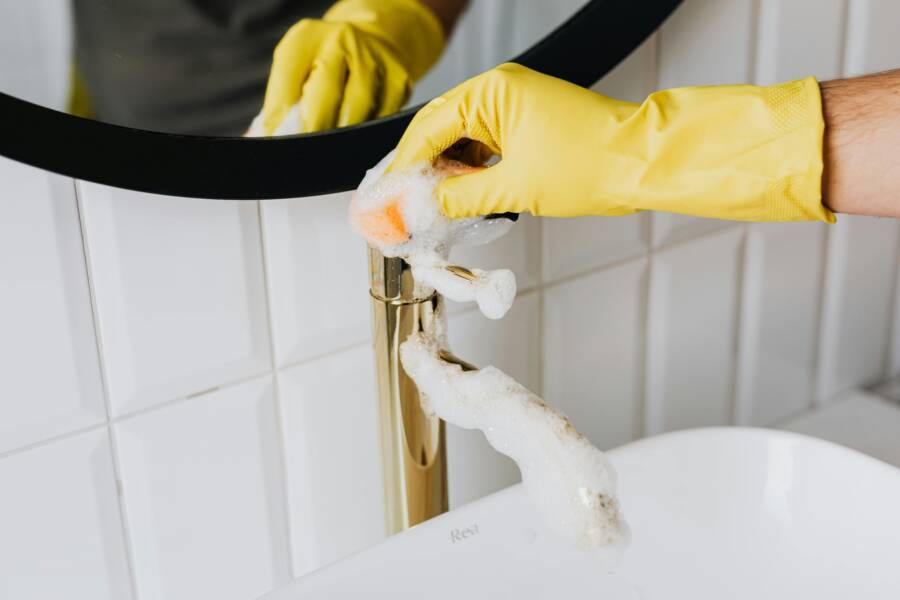
A bathroom faucet that leaks or looks dated is more than a cosmetic issue. It wastes water, raises your utility bill, and can make a bathroom feel old. If you want a quick upgrade, replacing the faucet is a solid DIY project. Home Depot carries a wide range of faucets, fittings, and tools that make the job straightforward. With a little planning, you can install a fresh look and improved efficiency in one weekend.
If you’re ready for a simple, practical project, read on. This guide walks you through choosing the right faucet, gathering supplies from Home Depot, and completing a smooth installation with clear, step by step instructions.
Why replace your bathroom faucet now
A few factors make replacing a faucet a smart move. First, constant leaks can waste gallons of water each day and wear out seals. Even a small drip adds up over time. Second, a new faucet can reduce water use with an efficient aerator and better flow control. Third, updating the faucet is one of the easiest ways to refresh a bathroom’s look. A modern finish can pull together a sink, vanity, and hardware.
Before you shop, ask yourself a few questions. Do you prefer a single lever for hot and cold control, or a two-handle setup? Do you want a high arc for more clearance, or a low profile for a tighter space? Are you replacing an existing four inch centerset faucet or a single hole design? Knowing these answers helps you pick the right model at Home Depot.
What you’ll need from Home Depot
Stocking up at Home Depot keeps the project moving without trips to the hardware store mid install. Here’s a practical shopping list that covers most bathroom sink setups.
- A new faucet kit. Choose a model that fits your sink’s hole pattern and matches your style. Common options include single handle and two-handle centerset designs.
- Flexible supply lines for hot and cold water. Look for lines with 1/2 inch compression fittings and metal or braided stainless steel for durability.
- Plumber’s tape (Teflon tape) and thread sealant if needed for metal connections.
- Plumber’s putty or silicone sealant. Use putty for porcelain sinks and silicone for most other surfaces.
- Basin wrench and adjustable wrench. A basin wrench is essential to reach mounting nuts under the sink.
- Bucket, towels, and a soft cloth for cleanup.
- Silicone caulk or sealant for any final watertight seal around the faucet base.
- Optional but helpful items: a towel bar or sink stopper, a flashlight for visibility, and a screwdriver or power driver if your faucet requires screws.
With these supplies on hand, you’ll have everything you need to complete the install without delays.
Turn off the water and prep the workspace
Preparation matters as much as the install itself. A calm start prevents water sprays and missteps.
- Locate the shut off valves under the sink. Turn both the hot and cold valves clockwise until they stop. If your home has older valves that are stiff, use a wrench carefully to avoid damaging the stems.
- Open the faucet handle to relieve pressure. This step lowers the chance of water spraying when you disconnect lines.
- Place a bucket beneath the supply connections. A towel or two helps catch any residual water that drips.
- Clear the area. Remove stored items from under the sink and wipe the counter area around the faucet. A clean workspace makes the job safer and faster.
- Inspect the mounting area. Check the faucet deck for grime or old sealant. A clean surface helps the new faucet seal properly.
Following these steps reduces surprises and sets you up for a neat installation.
Remove the old faucet: a straightforward process
Take your time with the removal. It’s easier than it sounds when you proceed methodically.
-
Disconnect the water lines. Use an adjustable wrench to loosen the fittings, then carefully pull the lines away from the faucet. Have a rag handy in case a little water leaks.
-
Remove mounting hardware from below. Most faucets are held in place by one or two nuts. From under the sink, loosen and remove these nuts using a basin wrench. If space is tight, switch to a combination of a basin wrench and adjustable pliers.
-
Lift the faucet from the top. Once the hold-down nuts are free, lift the faucet straight up and out. If it sticks, gently wiggle it side to side while you lift.
-
Clean the mounting surface. Remove old putty or sealant with a scraper or putty knife. Wipe the surface clean so the new faucet seats evenly.
-
Inspect supply lines. If your lines are old or stiff, replace them during the new faucet install. It’s easier to swap them now rather than later.
-
Prepare for the new faucet. Dry the deck, check for any damage, and look at the hole pattern to ensure the new faucet will fit.
A careful removal avoids surprises later and makes the installation smoother.
How to choose and install the new faucet
Choosing the right faucet matters for both function and style. Here are practical tips to guide your decision.
- Match the hole pattern. Most sinks use three or four mounting holes. A single hole faucet can still fit with a deck plate for coverage, while a three or four hole setup is standard for spread-style faucets.
- Decide on the finish. Brushed nickel, chrome, and matte black are popular. Pick a finish that complements your vanity hardware and fixtures.
- Consider the intake size. Standard supply lines fit most homes, but confirm the connector size on your new faucet and the shutoff valves.
Now for the installation steps.
-
Apply a gasket or sealant as needed. Some faucets have built-in gaskets that seal against the sink deck. If yours doesn’t, apply a thin bead of silicone sealant around the base or use plumber’s putty on a porcelain sink.
-
Position the faucet. From above, place the faucet into the mounting holes. Align the handle and any decorative escutcheons so everything sits straight.
-
Secure from below. Under the sink, thread the mounting nuts onto the faucet shanks. Use a basin wrench to tighten evenly. Avoid over tightening; it can crack the sink or deform the faucet.
-
Attach the supply lines. Connect the hot and cold lines to the corresponding valves. Start with a snug hand tighten, then give each a quarter turn with the wrench. Do not overtighten as that can strip fittings.
-
Connect to the faucet. Attach the other ends of the supply lines to the faucet ports. Use Teflon tape on threaded connections if required and tighten firmly but carefully.
-
Check alignment and neatness. Ensure hoses don’t kink and that the faucet handles open and close smoothly. Wipe away any excess sealant.
If you follow these steps, your new faucet should be secure, functional, and looking sharp.
Test for leaks and fine tuning
Testing is the moment that confirms your work.
- Open the hot and cold valves slowly. Let water fill the lines and observe the connections. If you notice a drip at any joint, tighten a bit more—be careful not to overtighten.
- Run water through the faucet. Check both hot and cold sides for leaks at the base, the spout, and the supply connections.
- Check the pedestal and deck. Ensure there is no seepage around the faucet base. If you see seepage, reseal with a thin, continuous bead of silicone along the base.
- Inspect the aerator. Remove it, rinse if necessary, and reattach. A clogged aerator can reduce flow and create a strip of irregular water flow from the spout.
A thorough check ensures the install stands up to daily use.
Choosing the right faucet for your sink
If you’re shopping at Home Depot, keep these considerations in mind:
- Style and finish. Your faucet should match the vanity hardware and the rest of the bathroom fixtures.
- Spout reach and height. A higher arc gives more room for washing hands or filling containers. A short arc feels cleaner in a tight space.
- Handle type. A single lever is simple to use; two handles offer traditional control and a classic look.
- Water efficiency. Look for faucets with a good flow rating and a reputable aerator. This helps save water over time.
If you’re unsure, Home Depot staff can help you compare models and confirm compatibility with your sink. Reading customer reviews can also provide real world insight into durability and fit.
Finishing touches and maintenance tips
A small care routine helps your faucet keep its shine and function.
- Clean the aerator periodically. Remove mineral buildup with a small brush and vinegar if needed.
- Wipe down the faucet daily. A quick wipe reduces water spots and keeps the finish looking new.
- Check connections every six months. A quick inspection can catch loose fittings before they leak.
- Use the right sealant. For most metal sinks, silicone sealant protects the base while the faucet is in use.
- Replace supply lines every several years. If lines show signs of wear or corrosion, swap them to prevent leaks.
These steps extend the life of your faucet and prevent avoidable problems.
Common mistakes and how to avoid them
Even seasoned DIYers run into a few snags. Here are the most common missteps and simple fixes.
- Not turning off both valves. Always shut off both hot and cold supply valves before starting.
- Overtightening nuts. This can crack fittings or the sink deck. Tighten until snug, then stop.
- Skipping a proper seal. A dry deck invites leaks. Use a thin bead of silicone or a proper gasket where needed.
- Misplacing supply lines. Label or color code lines to prevent cross connections when you reconnect.
- Ignoring manufacturer instructions. Faucets vary; follow the included guide for the best results.
By staying mindful of these points, you reduce the chance of leaks and ensure a solid install.
Troubleshooting quick fixes
If you run into trouble after the install, these quick checks help.
- Dripping from the base. Reapply silicone sealant around the base after dried a few hours.
- Low water flow from the faucet. Clean or replace the aerator; ensure the valve is fully open.
- Uneven handle operation. Check that the handle arms are aligned and that mounting nuts are snug but not over tightened.
- Noisy supply lines. Secure hoses to avoid rubbing against metal edges; consider adding a small shield or clip if needed.
These fixes are often doable in under an hour and prevent a wrap of frustration.
Conclusion
Changing a bathroom faucet using Home Depot supplies is a practical home improvement project that yields immediate rewards. A fresh faucet improves water efficiency, reduces the chance of leaks, and brings a new look to your bathroom. With the right tools, a little prep, and careful steps, you can complete the installation and enjoy a reliable, stylish fixture for years to come.
If you found this guide helpful, consider picking up a matching set of accessories like a new drain assembly or a decorative deck plate to finish the look. Share your experience or ask questions in the comments below. Your next home improvement win could be just a faucet away.