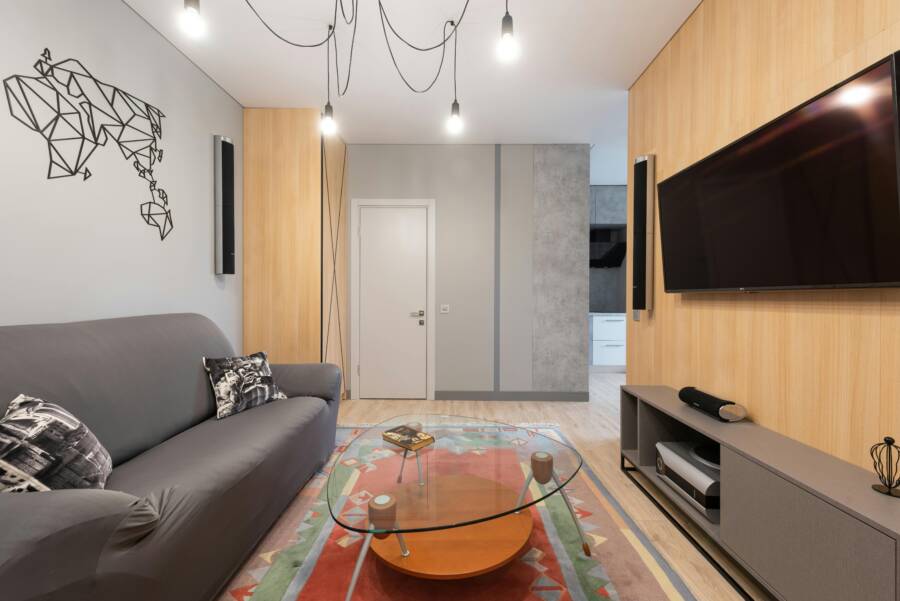
Tired of wobbly shelves and mismatched cords cluttering the living room? A simple DIY TV stand can fix that, fast and on a tight budget. This project is friendly to beginners, uses basic Home Depot items, and creates a custom look that fits your space. The plan below keeps things straightforward and costs under $100. Expect about 4 to 6 hours of work. You’ll learn a basic build that looks tidy and supports a big screen without breaking the bank. This is a great DIY TV stand Home Depot project and a solid example of a simple TV stand build.
Grab your measuring tape and start picturing how this stand will anchor your living area. If you’re ready to roll, you’ll see how easy it is to cut, assemble, and finish a sturdy air of furniture that feels tailor made. You’ll find all the steps below, with clear measurements and practical tips to help you stay on track.
Grab These Home Depot Materials and Tools First
Before you buy, check Home Depot online stock for these items and plan for pickup or delivery. You want a clean, consistent result, so choose materials that pair well in color and grain.
- One 4 x 8 foot sheet of 3/4 inch plywood
- Four 24 inch table legs
- Pack of 50 #8 x 2.5 inch wood screws
- Two tubes wood glue
- Four heavy-duty shelf brackets
- Optional: wood stain or sealant and a kit of sandpaper
Why these items work
- Plywood sheet: It’s strong and flat, ideal for a stable base and a lightweight frame. Cutting it into shelves and legs gives you exact dimensions for a 48 x 20 inch footprint that suits a 55 inch TV.
- Table legs: Short, sturdy legs lift the stand to a comfortable height and keep the frame square.
- Wood screws and glue: A glued joint plus screws creates a strong, lasting bond for the frame and shelves.
- Shelf brackets: They reinforce the middle shelf, helping the stand hold media gear and a soundbar more securely.
- Finish options: Stain or sealant protects the wood and ties the piece to your room’s color scheme.
Tip: Consider stock availability and delivery times. If you’re unsure about cutting, Home Depot offers wood cutting services in-store, which can give you precise components while still keeping costs down.
Photo by Max Vakhtbovycn Photo by Max Vakhtbovycn Photo credit: Photo by Max Vakhtbovycn (https://www.pexels.com/@heyho)
Key Wood Pieces and Hardware
The heart of the build is a single 4 x 8 foot sheet of plywood. Plan to cut it into two 48 x 20 inch shelves for the top and bottom surfaces and four 24 inch legs for the stand. This keeps the center of gravity low and gives you a clean, symmetrical look. The hardware is simple but strong enough to handle daily use.
- One 4×8 foot 3/4 inch plywood sheet cut to:
- Two 48 x 20 inch shelves
- Four 24 inch legs
- Pack of 50 #8 x 2.5 inch wood screws
- Two tubes wood glue
- Four heavy-duty shelf brackets
Plywood strength matters. A 3/4 inch panel provides rigidity for holding a TV plus a bit of gear on the middle shelf. The plywood holds up to typical living room loads if you avoid heavy, off-balance items. The combination of glue and screws gives you joints that stay tight even with daily use.
Basic Tools to Get or Rent
Here’s a practical set for this build. If you don’t own every tool, Home Depot offers affordable rental options, especially for a circular saw.
- Circular saw or handsaw
- Cordless drill with assorted bits
- Tape measure
- Clamps (4)
- Sandpaper (120 and 220 grit)
- Safety goggles
- Work gloves
If you’re new to power tools, start with hand tools and rely on a straight edge for accuracy. For a cleaner cut, the circular saw is worth renting or borrowing. Check Home Depot’s rental desk for a small saw option, which keeps your upfront costs low.
Cut, Assemble, and Build Step by Step
This section walks you through each stage with clear steps. Have your materials ready and measure twice before you cut. Using a clean workshop area helps keep everything precise and safe. You’ll capture a few “before cut” photos as you go to document progress.
Step 1: Make All the Cuts Safely
- Mark the plywood with a straight edge for the two shelves at 48 x 20 inches and the four legs at 24 inches.
- Use a straight guide on the circular saw to keep edges square.
- Cut the shelves first, then the legs. Secure the plywood with clamps so it doesn’t move.
- For safety, wear goggles and keep hands away from the blade at all times.
- Double check measurements against your TV size and stand footprint before cutting the last piece.
A neat set of cuts makes assembly much easier and reduces the risk of wobble later. If you’re unsure about a cut, opt for the store’s cutting service to ensure accuracy.
Step 2: Sand for Smooth Edges
- Start with 120 grit to knock down any rough edges from the cut.
- Move to 220 grit for a silky finish.
- Wipe away all dust with a clean cloth or tack cloth so the glue adheres well.
- Sanding before assembly prevents splinters and makes painting or staining easier.
Smooth edges give the stand a professional look and make handling items safer.
Step 3: Build the Frame and Attach Legs
- Clamp the bottom shelf into place as your base.
- Attach the four legs to the corners with wood screws and a dab of wood glue at the joints.
- Use a level to ensure each leg is vertical and the shelf sits flat.
- Tighten the screws only until they sit flush to avoid cracking the wood.
- Check the frame for square by measuring the diagonals; they should match.
A square, stable frame is the backbone of a reliable stand. The glue provides initial bond, and the screws lock it tight.
Step 4: Add Middle Shelf and Braces
- Install the shelf brackets on both sides of the middle shelf placement.
- Slide in the middle shelf and secure it with screws through the brackets.
- Add a back brace from scrap wood diagonally if you want extra rigidity against tipping.
- Ensure everything sits evenly and the TV will rest flush against the back edge.
This step adds internal support and helps bear the weight of media devices.
Step 5: Check Stability and Level
- Place a mock TV on top to test balance. If the unit tips, adjust the legs.
- Check the stand with a small level along both axes.
- Confirm the stand remains steady when pressed from different angles.
- Do a final wipe down and re-tighten any loose screws.
A stable stand prevents accidental tipping and keeps electronics safe.
Finish Your Stand and Avoid Rookie Mistakes
A finish protects wood and lets you customize the look to match your space. You have three simple options: stain, paint, or a clear sealant. Each option works well on plywood when you seal edges and joints.
- Stain or paint: Choose a color that complements your room. Use a brush or cloth to apply evenly and wipe off excess.
- Sealant: A clear poly seal protects the wood from spills and daily wear. Apply thin coats and sand lightly between coats.
- Add features: Consider making cable holes or adding wheels for mobility. Wheels give you flexibility when you rearrange furniture, and cable holes help hide cords for a tidy look.
Safety tips to keep in mind
- Always wear gloves when handling wood and screws.
- Keep loose clothing and long hair away from saw blades.
- Use a dust mask if you sand for long periods.
Common errors and how to fix them
- Wrong cuts: If a shelf is a bit long, trim with a fine saw and recheck fit.
- Uneven top surface: Recheck level and adjust leg heights as needed.
- Loose joints: If a joint feels wobbly, apply more glue and re-tighten screws after the glue sets.
Take your time with finishing. A good finish makes the project feel like shop quality, not a quick DIY job.
Conclusion
Building a simple TV stand using Home Depot products is a smart, affordable project that yields a clean, tailored result. You’ll save money, gain a sturdy platform for your TV, and learn practical carpentry steps that set the stage for future projects. Start by shopping the materials, then follow the steps step by step. The result is a sturdy stand that fits your space and style. If you try this Home Depot TV stand tutorial, share photos or tweaks with friends and family to inspire their own projects. Your DIY skills are on display, and the payoff is a room that feels complete.
For readers who want to explore more, the DIY path is full of simple projects that reinforce the same careful approach. With the right plan and a bit of patience, you’ll build confidence along with furniture. Remember to keep safety first, measure twice, and enjoy the process.