
What If the Only Thing Between You and the Life You Deserve Is a Hidden Wealth Code Waiting to Be Activated
>>> Open the Door <<<

Picture this: you’re at a family gathering, pull out your phone, and snap a portrait. Your subject stands sharp in focus, while the background melts into a soft, dreamy blur. That pro-level shot wows everyone, all without a fancy DSLR.
You’ve seen it in feeds everywhere. Friends post stunning portraits with creamy bokeh behind their faces. But your phone shots stay flat, with busy backgrounds stealing the show.
Bokeh means those soft, blurred lights or areas right behind the subject. It makes photos pop and draws eyes straight to what’s important. Pros use it to add magic; now you can too.
Who doesn’t crave this for Instagram stories, family pics, or quick everyday snaps? It turns ordinary moments into eye-catchers. Social media thrives on it, and your album deserves the upgrade.
Thousands of People Were Struggling With Money Until They Discovered This One Ancient Secret Hidden in Sound
>>> Unlock It Now <<<

Good news: you don’t need extra gear. Tap into your smartphone’s power with built-in camera modes like Portrait. Or try simple manual tweaks for any shot.
We’ll walk you through easy steps: native tools on iPhone and Android, free apps that nail the effect, and tips to perfect it every time. Get ready to blur backgrounds like a boss and level up your photography game. Your next photo will steal the show.
Activate Portrait Mode for Instant Background Blur
Your smartphone packs a powerful tool right in the Camera app: Portrait mode. It blurs the background instantly and keeps your subject sharp. Tap a few buttons, and you get pro-style photos without extra apps or gear. Let’s break it down for iPhone and Android.
iPhone Portrait Mode Steps
Open the Camera app on your iPhone. Swipe left until you see Portrait mode (iPhone 7 Plus and newer models handle this best).
Frame your subject 2 to 8 feet away from the camera. The phone detects faces or objects and shows a yellow Portrait label when ready. Tap the shutter button to snap the shot.
After you take the photo, head to the Photos app for tweaks. Tap Edit, then adjust the Depth slider to control blur strength. Play with lighting options like Studio Light or Contour Light for extra flair.
Apple outlines these steps in detail on their support page for Portrait mode. You can also edit effects later to fine-tune any shot.
Android Portrait Mode Guide
Android phones vary by brand, but Portrait mode works much the same. Start with your Camera app and look for Portrait, Live Focus, or a similar icon.
On Samsung Galaxy phones, select Portrait mode. The phone auto-focuses on faces; tap to adjust manually if needed. Slide the shutter strength before capture for custom blur.
Google Pixel users get smart options like Top Shot or pair Night Sight with Portrait for low-light blur. OnePlus and other brands call it Live Focus; tap to lock focus on your subject.
Check your phone model’s settings, as names differ. Many include a blur strength slider post-shot, so test it out. This built-in feature turns everyday snaps into standouts.
Quick Tips for Portrait Mode Success
Nail the blur effect with these straightforward habits. Each one helps your smartphone separate the subject from the background cleanly.
- Face your subject head-on: This lets the camera lock focus fast and creates even blur. Side angles confuse detection and weaken the effect.
- Pick simple backgrounds: Busy patterns fight the blur; plain walls or open space let it shine and keep eyes on your subject.
- Use natural light: Soft daylight highlights faces without harsh shadows, making the bokeh look smooth and real.
- Hold the phone steady: Shake ruins sharpness; brace your elbows or use a timer to avoid blur from motion.
- Keep 3-6 feet distance: Too close flattens the effect; this sweet spot mimics real camera depth for natural results.
- Review right away: Zoom in on the preview. If the blur looks off, retake it while conditions match.
- Clean your lens first: Smudges scatter light and muddy the background; a quick wipe sharpens everything.
Practice these, and your portraits will draw likes every time. Your phone handles the rest.
Master Manual Blur Without Special Modes
Portrait mode delivers quick results, but not every smartphone has it, and sometimes you want full control. Basic camera settings let you create blur the old-school way. These tricks rely on distance, zoom, and light. They work on any phone camera app in standard photo mode. You control the depth yourself, and the results look natural.
Position Your Subject Right for Natural Blur
Distance separates your subject from the background. Keep your subject 1 to 2 feet from the lens. Place the background at least 5 feet away. This setup mimics a wide lens aperture and creates soft separation.
Think of a pet photo. Position your dog close while the yard stretches far back. The grass blurs into a green haze, and Fido stays tack sharp. Or try a flower: hold your phone near the bloom with trees distant. Petals pop against fuzzy leaves.
Why does this work? Light rays from the background spread out before hitting the sensor. Close subjects stay focused; far elements smear. Test it outdoors. Step back from your subject, then move them forward. Snap shots at different gaps. You’ll see the blur build with more space.
Your smartphone handles this without extras. Just frame and shoot in regular mode.
Zoom and Crop for Deeper Blur Effect
Zoom compresses the scene and boosts background blur. Tap 2x optical zoom if your phone offers it, or use digital zoom up to 2x to avoid quality loss. The background shrinks and softens.
After capture, open the gallery and crop tight. Trim edges to fill the frame with your subject. This pulls focus closer and amps the effect. A loose portrait becomes intimate with creamy blur behind.
Any phone camera pulls this off. Start with a person against a park scene. Zoom in, shoot, then crop to head-and-shoulders. The trees melt away. For more on zoom tricks for phone blur, check proven steps from photography sites.
Practice on still subjects first. Hold steady to keep sharpness. Crop in apps like Photos or Gallery for precise control. Results rival Portrait mode every time.
Play with Lighting to Boost Blur
Light contrast makes blur pop. Shine bright light on your subject from the front. Keep the background dimmer. This draws eyes forward and fades rear details.
He Was Drowning in Bills and Burnout Until a Simple Daily Ritual Rewired His Brain for Wealth in Less Than a Week
>>> Start Your Shift Today <<<

Skip harsh shadows; they add clutter. Soft front light smooths skin or fur. Try sunset glow: position your subject with the sun low ahead, dark sky or foliage behind. The warm tones enhance separation.
Indoors, use a lamp aimed at faces. Dim room lights create depth. For a kid’s portrait, lamp on them, curtains drawn back. Toys blur softly.
Quick lighting setups to try:
- Window light: Face subject to pane; shade the wall behind.
- Lamp boost: Clip-on light forward; turn off overheads.
- Golden hour: Shoot at dusk for natural falloff.
These steps stack with distance and zoom. Your smartphone turns everyday scenes into keepers. Experiment, and watch flat shots transform.
Top Apps to Add or Enhance Background Blur
Built-in tools work well for fresh shots, but what about old photos or fine tweaks? Apps step in to add or boost blur on any image in your smartphone gallery. They handle tricky scenes where Portrait mode misses the mark. Free options suit quick fixes, while pro picks deliver polish for serious edits. Let’s look at the best ones to try right now.

Photo by ready made
Free Apps for Easy Blur Edits
Free apps pack strong tools without a price tag. They load fast and edit straight from your camera roll. Snapseed and AfterFocus top the list for simple, effective blur.
Start with Snapseed, Google’s powerhouse editor available on both iPhone and Android. Open any photo, tap Tools, and select Lens Blur. Drag the on-screen circle to set your focus area over the subject. Pinch to resize or rotate it for the perfect fit. Adjust sliders for blur strength, transition, and highlight shapes in the background. The result mimics real bokeh with clean edges. Check Google’s official Lens Blur guide for exact pinch gestures and tips.
Next, grab AfterFocus for touch-based control. Load your image, then use the brush to mark the foreground (your subject) in green and the background in red. The app analyzes depth and applies a smooth blur. Refine edges with the erase tool if needed, then tweak intensity. It shines on portraits where backgrounds clash. Both apps save edits nondestructively, so your originals stay safe.
There Is a Frequency That the Wealthiest Families Have Used for Generations and Most People Will Never Know It Exists
>>> Open the Door <<<

These tools fix flat shots in under a minute. Test them on a recent selfie. You’ll see why they beat basic filters.
Pro Apps Worth the Download
Paid apps unlock smarter features like AI analysis and layers. They suit frequent shooters who want DSLR-level results. Focos leads for iPhone users, while Lightroom works across platforms.
Focos uses AI to generate depth maps on existing photos. Shoot in any mode, import to the app, and it simulates Portrait-style separation. Adjust focal points post-shot, swap blur styles (like swirl or zoom), and control light falloff. A one-time buy around $1 keeps it simple, no ongoing fees. iPhone’s depth data pairs perfectly, but it handles regular shots too.
Adobe Lightroom offers selective edits for precise blur. Import your photo, add a radial or brush mask over the background, then drop exposure and clarity. Stack masks for complex scenes, like blurring just the edges. The mobile version syncs with desktop for pro workflows. Note the subscription model at $5 monthly, though a free tier covers basics.
Weigh one-time buys like Focos against Lightroom’s subs based on your needs. Frequent edits justify the cost; casual use might stick to free apps. Download one today, and transform a plain park pic into a standout portrait. Your feed will thank you.
Avoid Mistakes and Get Pro-Level Results
Blurring the background on a phone camera sounds simple, but small missteps can ruin the effect. This section helps you spot and fix common mistakes while arming you with practical techniques to consistently produce pro-level results. You’ll learn how to curb fake looking blur, select the right accessories, and keep your edits clean and natural. The goal is clear subject separation that feels real, not gimmicky.
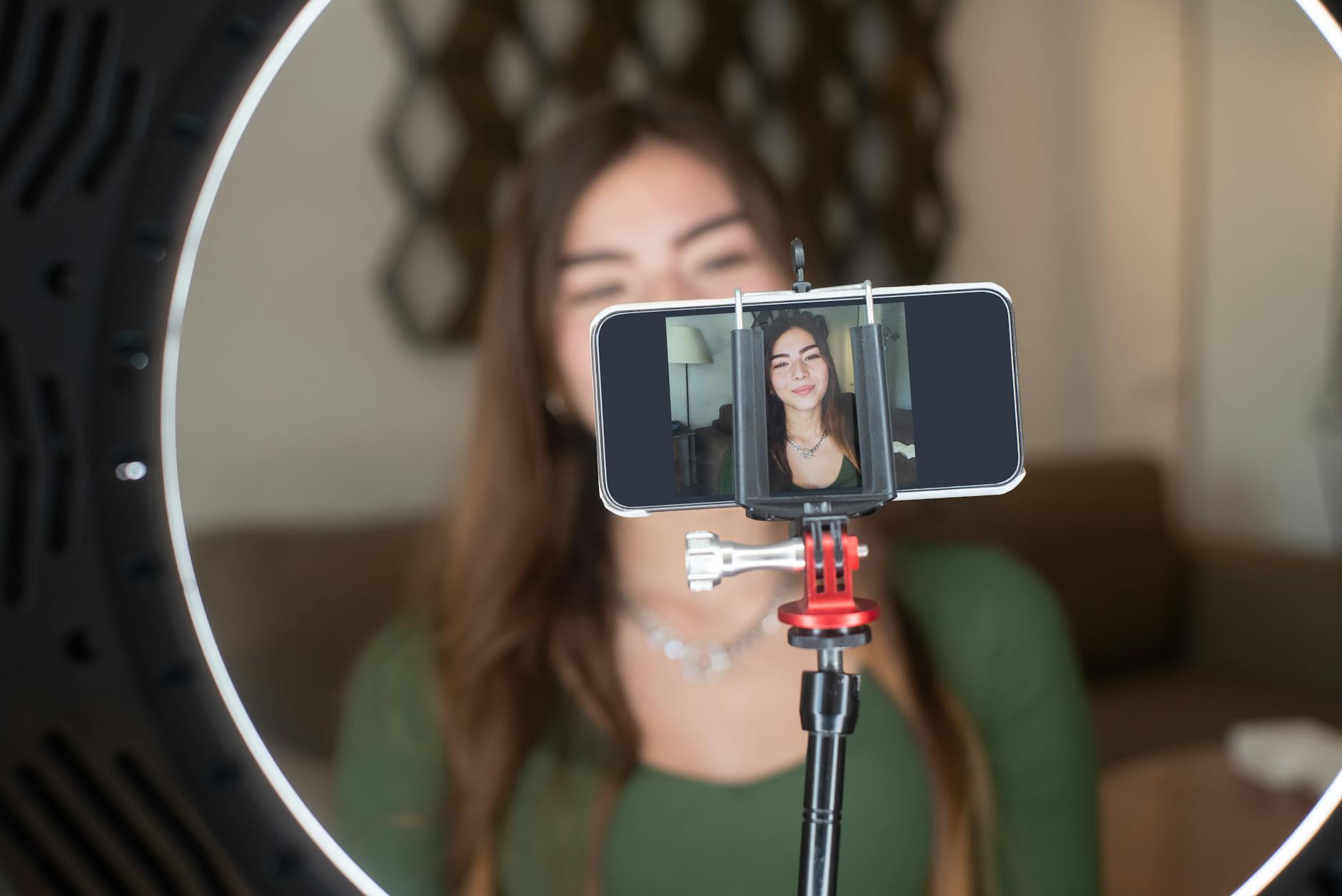 Photo by Kampus Production
Fix Fake-Looking Blur Issues
Natural looking blur is all about edge preservation and believable depth. When the blur looks artificial or the subject’s edges are jagged, the result feels staged. Use these checks to keep blur authentic.
- Subtle blur strength matters. Strong blur can make the subject float or look smeared. If your subject’s edges start to blur too, dial the strength back a notch. Small adjustments make a big difference.
- Match light tones between subject and background. If the subject is bright while the background is dim, the transition can look harsh. A gentle gradient of light across the scene reads as natural depth.
- Preserve clean edges. Soft, feathered edges look real, whereas abrupt cutouts betray the effect. If you see halos or halos around hair or clothing, refine the selection or reduce blur slightly.
- Use a simple background. Busy textures confuse the depth cue. A plain wall or extended space gives a smoother gradation between subject and backdrop.
- Consider the focal plane. If the subject is slightly off-center or tilted, the blur can feel forced. Aim for a level head-on or slightly three-quarter angle to keep depth cues consistent.
If you still notice an artificial look, try a quick revert and reapply with a lighter touch. For many phones, applying a shallow blur in post can be more convincing when you adjust only the background and keep the subject pristine. For deeper technical context on why some devices produce odd blur, this guide offers useful perspectives on portrait mode behavior and depth mapping: Why your phone’s portrait mode fakes the blur.
When you need a little more control, use a dedicated blur tool that respects edges. Snapseed’s Lens Blur, for example, gives you manual control over the blur region and strength, helping you sculpt a more natural transition. For quick steps, see the official (and practical) guidance on depth editing in Snapseed: Lens Blur in Snapseed.
- Quick practice tip: start with a clean, single-subject shot against a simple background. Take three shots with different blur strengths, then compare. The middle option often lands closest to a natural look.
Essential Accessories for Better Phone Shots
A few well-chosen accessories can dramatically improve background blur without complicating your workflow. The right tools help you maintain distance, stabilize the frame, and control lighting. Here are budget-friendly picks that deliver real value.
- Clip-on lenses for wider aperture effects. A small, external lens can simulate a shallower depth of field by effectively widening the apparent aperture. Look for lenses labeled as “macro,” “wide,” or “bokeh” that fit your phone model. They’re inexpensive and quick to attach, usually under $20.
- Mini tripods for stability. Even light camera shake can ruin depth cues, especially in low light. A tiny tripod provides a solid base for steady framing, letting you hold the phone still while you adjust distance and framing.
- Ring lights or compact LEDs. Controlled lighting makes background blur read as natural. A ring light or a small clip-on LED helps illuminate the subject evenly and reduces harsh shadows that kill depth perception.
- Budget planning: set a cap of under $20 for each accessory. You’ll find reliable options that improve sharpness, edge retention, and lighting without breaking the bank.
Here are ways to pair these tools for better results:
- Use a clip-on lens to slightly exaggerate depth while you position the subject 2 to 3 feet away. This combination helps to separate subject from background without looking fake.
- Stabilize with a mini tripod, then adjust the distance. Small movements can dramatically alter the bokeh quality.
- Add a ring light to keep facial highlights even. Balanced lighting ensures your subject remains the focal point while the background softens gracefully.
If you want to explore more about how accessories influence blur quality, this practical overview discusses portrait depth and lens choices in real-world scenarios: Why portrait mode sometimes fakes the blur. For hands-on guidance on blur tools and edge control in editing, check out how to refine depth with Snapseed: Lens Blur guide.
- Pro tip: when shopping for clip-on lenses, confirm compatibility with your phone’s camera placement and size. A poor fit can introduce vignetting or misalignment, which defeats the purpose of a cleaner blur.
- Quick test routine: after attaching accessories, shoot a quick portrait against a plain background in both natural daylight and a controlled lamp setup. Compare the results and note which combination of distance, lighting, and lens alignment delivers the most natural edges.
Incorporating these accessories into your workflow can lift your phone portraits from decent to share-worthy. The trick is to pair light, stable framing with deliberate distance and controlled lighting. With a little practice, you’ll blur backgrounds like a pro without needing a bulky camera kit. For additional context on finding the right depth tools and their impact on image quality, you can explore expert discussions and user experiences here: Portrait mode analysis and tips. You can also reference practical editing workflows in Google’s Lens Blur guide: Lens Blur in Snapseed.
Conclusion
Blurring the background on a phone camera is within reach whether you use Portrait mode, manual distance tricks, or a quick app edit. Portrait mode delivers instant separation with minimal effort, while manual tweaks let you control depth when your device lacks a dedicated option. Apps like Snapseed or AfterFocus extend your options, letting you fine tune edges and blur strength after the shot.
Practice makes results feel natural. Start with a simple subject against a clean background, and test different distances, lighting, and light angles. Keep an eye on edge quality and avoid overblurring. Small adjustments can turn a flat portrait into a showstopper. Your smartphone handles most of the hard work; your eye for composition finishes the job.
If you want more depth, try low light or mixed lighting scenarios next. Slightly brighter backdrops and softer shadows often produce smoother, more believable blur. Pair a steady hold with a short burst and pick the cleanest frame for editing. Then compare results across methods to find what works best for your style.
Share your results and favorite method. Tell us your phone model to help readers tailor tips to their setup. With a little practice today, you’ll see blur that feels natural and compelling, not gimmicky.
Thousands of People Were Struggling With Money Until They Discovered This One Ancient Secret Hidden in Sound
>>> Unlock It Now <<<