What If the Only Thing Between You and the Life You Deserve Is a Hidden Wealth Code Waiting to Be Activated
>>> Open the Door <<<

Outdoor spaces have a simple goal — they should extend your living area and boost your home’s warmth and value. When you pair solid planning with the right materials, a deck, patio, balcony, or garden becomes a place for mornings with coffee, afternoons with friends, and evenings of quiet as the sun goes down. Home Depot stands as a practical partner for many of these transformations, offering everything from durable decking to smart lighting and helpful design guidance. This article shares real stories, practical tips, and a clear path to recreating similar results in your own yard or balcony.
Imagine turning a tired outdoor corner into a welcoming retreat without breaking the bank. That possibility sits within reach with steady planning, the right materials, and a few smart purchases. Below you’ll find why Home Depot often comes into play, several real world examples, and a straightforward approach to plan and execute a project of your own.
Why Home Depot is a go to for outdoor makeovers
Home improvement stores are convenient for one reason: they pull together a wide range of products under one roof. For outdoor projects, that means decking materials, pavers, railing systems, planters, irrigation kits, lighting, and weather resistant furniture all in one place. For many homeowners, the ability to see and touch samples helps them choose the right finish for their climate and budget. Expert staff can steer you toward the best design choices and explain maintenance needs in plain terms.
Prices are often competitive, and promotions run seasonally which can trim costs on larger projects. The online catalog makes it easy to compare options, check availability, and map out a shopping list before you set foot in the store. If your project involves heavy lifting, tool rental and delivery options save time and minimize trips. For many DIYers, that blend of price, selection, and guidance is a compelling reason to start and finish a project more smoothly.
He Was Drowning in Bills and Burnout Until a Simple Daily Ritual Rewired His Brain for Wealth in Less Than a Week
>>> Start Your Shift Today <<<

Outdoor space transformations: Real projects that inspire
Cozy balcony turned green retreat
A small city balcony can feel cramped, but a few thoughtful moves create a lush, inviting space. In this transformation, a compact timber deck was installed to raise the floor, paired with weather resistant planters and a vertical garden. The planting plan uses compact ferns, trailing ivy, and a few bright annuals to add color without crowding the space. A lightweight outdoor rug anchors the seating area and a pair of folding chairs keeps the space flexible for guests.
Key choices include a shallow drainage layer beneath the deck to prevent puddling in rain, compact composite decking that looks like real wood but requires less upkeep, and wall mounted lighting to keep the area bright after the sun goes down. The result is a balcony that feels twice as large and much more usable in the evenings. The project stayed within budget by prioritizing a few focal elements, then layering in smaller touches like planters and textiles.
Sunlit patio upgraded with durable decking and shade
This project centers on a sun facing patio that needed relief from constant glare and heat. The answer combined a durable composite deck with a simple shade solution. A pergola style shade canopy was installed using powder coated posts and lightweight fabric. The deck boards chosen are moisture resistant and easy to clean, with a neutral tone that hides dirt between cleanings.
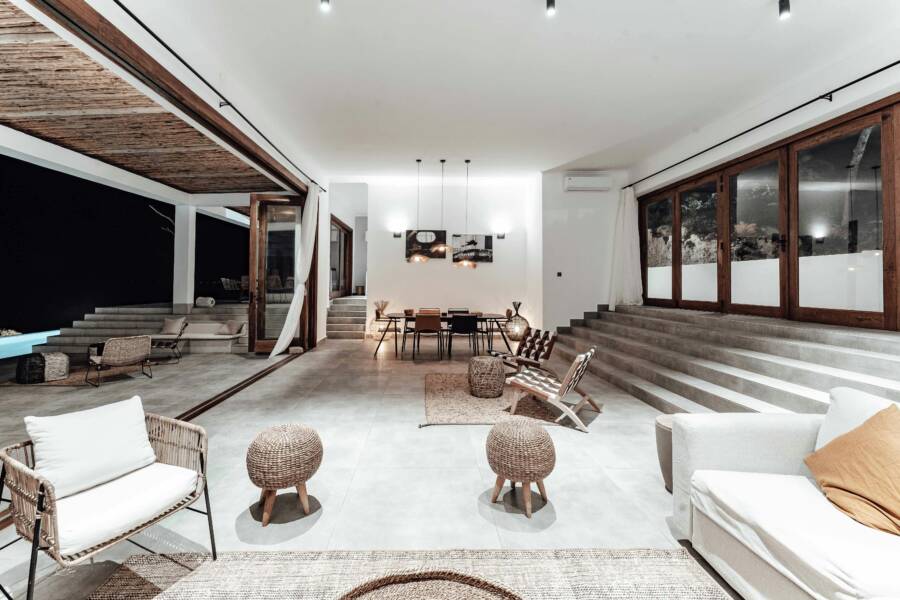
To make the space inviting, an outdoor dining set, a weatherproof rug, and a few wicker chairs were added. Weather resistant cushions and quick-dry pillows finish the look. Lighting was layered to support after dark meals: string lights overhead for ambiance, plus path lights guiding guests to the door. The result is a comfortable room outdoors that naturally extends the home’s living space.
Family friendly backyard with smart lighting
A backyard designed for active families needs flexible zones. First, a large patio area was built with durable pavers that tolerate traffic and weather changes. A separate lawn space was kept clear for play. The highlight is a smart lighting scheme that can switch between softer tones for evenings and brighter, task oriented lighting for gatherings. The system uses weather resistant fixtures that hold up in rain and heat.
Seating clusters include a modular sectional and a couple of stools around a low table, making it easy to rearrange for dinner parties or quiet evenings. A small play area was defined with border edging, keeping play away from planters and the main seating area. The project demonstrates how outdoor living can be adaptable without complicating maintenance.
Courtyard hardscape with paver paths
This transformation focuses on structure and flow. A drab courtyard received a new layout with curved paver paths that connect the house to a garden bed and a small seating niche. The project uses a rectangular stone to frame a circular seating area, giving the space a clear focal point. For drainage, a slight slope and a discreet trench system were installed beneath the paving.
Beyond looks, durability was a priority. The pavers chosen are resistant to cracking and staining, and a sealant helps keep color consistent over time. The final touch is a low, drought friendly border planting that requires minimal watering while providing seasonal color. The courtyard becomes a useful, welcoming extension of the home.
She Pressed Play on a Strange Audio Track and Within Days Her Financial Reality Started Shifting in Ways She Could Not Explain
>>> See How It Works <<<

Budgeting for a DIY outdoor project
Budgeting is the backbone of any outdoor transformation. Start with a clear list of must haves versus nice to haves. This helps you allocate funds where they matter most. A practical approach is to price major elements first: decking or paving, structural components such as rails or pergolas, and lighting. Then add mid tier items like furniture, planters, and textiles.
He Was Drowning in Bills and Burnout Until a Simple Daily Ritual Rewired His Brain for Wealth in Less Than a Week
>>> Start Your Shift Today <<<
A simple rule helps breathing room: set aside 10 to 15 percent of the budget for the unexpected. Outdoor work often reveals small fixes or upgrades you hadn’t planned. If you’re aiming for a complete look in phases, price each phase separately so you can decide what to tackle first based on season, weather, and cash flow.
DIY tasks save money, but recognize when to call in help. Simple projects like laying a deck can be doable for a confident homeowner, while more complex tasks such as major drainage, grading, or structural work may benefit from pro input. Home Depot materials and tools cover the spectrum, allowing you to scale your project as you learn and grow more comfortable.
Materials that matter: Weather, maintenance, and longevity
Choosing the right materials is essential to long term satisfaction. For decking, composite boards offer durability with minimal upkeep, while solid wood provides warmth but requires routine sealing and staining. Railings should balance safety with style; aluminum and vinyl options tend to last longer with less maintenance than wood.
Pavers and outdoor flooring should be selected with your climate in mind. Porous pavers handle rain better and help with drainage, while solid concrete options can be more economical. For planting beds, consider soil mix that drains well and supports the plant types you prefer. Drought tolerant perennials reduce irrigation needs and still provide color through the seasons.
Lighting and outdoor electrical products deserve careful planning. Choose fixtures rated for damp spaces, and plan a simple power layout that reduces visible cords. A small investment in smart lighting can improve energy efficiency and user convenience, letting you program scenes for evenings, dinners, or quiet mornings on the porch.
Step by step plan to plan and execute
A clear plan keeps a project on track. Here is a practical outline you can adapt.
- Define your goals. Decide what problem you want to solve and what success looks like.
- Measure and map. Sketch the space and measure key dimensions. Note tree roots, slopes, and drainage.
- Design your layout. Choose a material palette and identify focal points such as a seating area or a dining zone.
- Source materials. Compare products for price, durability, and maintenance. Create a detailed shopping list.
- Prepare the site. Clear debris, fix drainage, and level the ground where needed.
- Install and finish. Build, lay, and secure components; seal, stain, or treat as required.
- Maintain and adjust. Regular cleaning and seasonal checks keep the space alive year after year.
This approach keeps you organized and helps you avoid overspending. It also makes it easier to coordinate deliveries and plan for weather windows.
Tools and resources from Home Depot that save time
- Design guidance and staff support. In store and online, you can get tailored recommendations for your space.
- Project calculators and planning tools. These help estimate material needs and costs before you buy.
- Wide selection of outdoor hardware. From fasteners to sealants, you’ll find the small items that keep projects sturdy.
- Tool rental and delivery. If you don’t own the right tools or need extra capacity for a weekend, rental is a clear win.
- Seasonal promotions. Timing purchases around sales can reduce costs for large projects.
Combining these resources keeps your project moving without surprises. The goal is to improve your space with durable materials and smart, simple choices.
Before you start: common mistakes and how to avoid them
- Poor measurements. Always triple check length and width, and account for space for furniture and access.
- Skipping drainage planning. Water should move away from the house; inadequate drainage leads to algae, mold, and sinking.
- Underestimating maintenance. Some materials require regular cleaning or resealing; neglect leads to faster wear.
- Buying too little. It’s better to have a little extra than to run out mid installation.
- Overlooking lighting. A well lit space adds safety and usability after dark.
A methodical approach reduces these pitfalls. Use a simple checklist, verify measurements, and confirm material quantities before ordering.
The afterglow: Long term care and seasonal care
Outdoor spaces thrive with routine care. Clean surfaces a few times a year, sweep debris, and inspect fasteners for tightness. If you installed a wooden deck, seal or stain it as recommended by the product instructions to preserve color and prevent moisture damage. For pavers, tighten loose stones and relevel if needed to maintain a smooth surface. Irrigation schedules should be adjusted with the seasons so plants stay healthy without wasting water.
Seasonal care also means updating seasonal decor and adjusting lighting to suit daylight changes. A space that adapts with the seasons stays inviting year round. It’s worth revisiting your layout as plants mature, furniture wears in, and you learn more about how you actually use the space.
Conclusion
Outdoor transformations require clear goals, careful material choices, and steady execution. When you combine practical planning with a solid toolkit and reliable supplies, you can turn almost any outdoor area into a welcoming living space. A well designed balcony, patio, or courtyard becomes a place for everyday moments as well as special gatherings. Commit to a plan, respect your budget, and stay flexible as your project grows. Your future self will thank you for the effort and the comfort you gain from a space that truly fits your home.
She Pressed Play on a Strange Audio Track and Within Days Her Financial Reality Started Shifting in Ways She Could Not Explain
>>> See How It Works <<<