When the weather swings from hot to cold, your comfort hinges on a reliable HVAC system. Home Depot offers more than products; it provides a full range of heating and cooling services through licensed professionals. From a smooth installation to ongoing tune-ups, you can get help at every stage of your system’s life. This guide breaks down what to expect, how to choose the right option, and why Home Depot can be a strong ally for keeping your home comfortable year round.
Choosing the right HVAC partner matters as much as choosing the right equipment. A well planned project saves energy, lowers utility bills, and reduces the chance of surprises on a cold winter night or a hot summer day. Home Depot’s approach centers on clear guidance, licensed installers, and flexible options that fit real homes and real budgets.
Why Home Depot is a practical choice for HVAC needs Home Depot combines product variety with service depth. You can browse efficiency ratings, select equipment that fits your climate, and arrange installation with a single trusted source. The process aims to be straightforward, with clear pricing and credible warranties. For many homeowners, that blend of shopping convenience and dependable service adds up to concrete peace of mind.
What you can expect from Home Depot HVAC services
- Professional installation and replacement: Trained technicians handle equipment setup, refrigerant charging, duct connections, and system testing.
- System design and consultation: Technicians assess your home to recommend the right furnace, air conditioner, heat pump, or hybrid option.
- Maintenance and tune ups: Regular checks help your system run efficiently and catch small issues before they become big problems.
- Repairs and diagnostics: If something goes off, a pro can pinpoint the issue, order parts, and restore performance.
- Air quality improvements: Options like humidifiers and higher efficiency air cleaners support healthier indoor air.
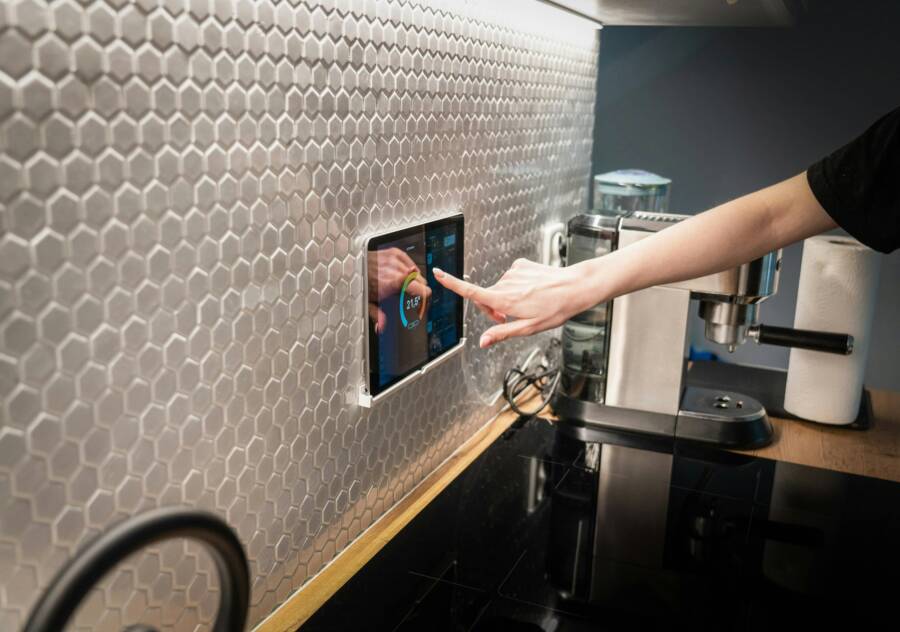
- Smart controls and thermostats: Pairing equipment with an intelligent thermostat can improve comfort and control.
- Ductwork services: Sealing, insulation, and adjustments often boost efficiency and comfort.
HVAC services offered by Home Depot Installation and replacement Installing a new system is a major project. Home Depot coordinates with licensed HVAC contractors to ensure proper sizing, placement, and venting. A good installation starts with a proper load calculation to determine the right size of furnace or air conditioner, reducing the risk of short cycling or wasted energy. The team helps you choose equipment with a favorable balance of upfront cost and long term savings.
Maintenance and tune ups Scheduled maintenance keeps systems healthy. A typical tune up includes checking refrigerant levels, inspecting electrical connections, measuring airflow, and testing safety controls. Regular servicing can extend the life of your equipment and maintain efficiency. Maintenance plans may also include priority scheduling and discounted service rates.
Repairs and diagnostics When a system acts up, prompt diagnosis matters. A technician will listen for unusual noises, examine the thermostat and controls, and test electrical components. If a part needs replacement, they can source it and complete the repair. Timely repairs help minimize discomfort and prevent further damage to the system.
Air quality improvements Indoor air quality matters for comfort and health. Humidifiers, dehumidifiers, air purifiers, and enhanced filtration options can reduce allergens, dust, and humidity swings. Home Depot partners with brands that offer reliable performance and low maintenance requirements.
Smart controls and thermostats A smart thermostat integrates with existing equipment and home networks. It can learn patterns, provide easy scheduling, and adjust temperatures based on your routine. This technology helps you save energy while keeping your home comfortable when you arrive at the door.
Ductwork services Leaky or poorly insulated ducts waste energy and strain your system. Duct sealing and insulation improve airflow and reduce energy loss. In some cases, a duct design update is part of the project to deliver balanced cooling or heating more evenly through the home.
Energy efficiency upgrades High efficiency equipment lowers operating costs and reduces environmental impact. The right choice depends on your home’s size, climate, and insulation level. Common upgrades include high SEER air conditioners, efficient heat pumps, and modern gas furnaces. Home Depot supports customers with guidance on energy star rated options and potential rebates.
Understanding the installation process From the first visit to the final test, a Home Depot HVAC project follows a clear sequence. The goal is to ensure you understand what’s happening and why each step matters.
- In home assessment A technician visits to review your current system, inspect the space, and measure key factors such as room sizes, insulation, and air leakage. This visit helps determine whether you’re upgrading a single component or replacing the entire system.
- Equipment selection You’ll receive recommendations tailored to your climate, home size, and budget. The team explains efficiency ratings, expected energy usage, and maintenance requirements. This is a good time to ask about running costs and potential rebates.
- System design and load calculation A proper load calculation ensures the new unit matches your home’s needs. This step helps avoid over or undersizing which can affect comfort and efficiency. The final selection should balance performance with long term savings.
- Installation day On installation day, licensed technicians install the equipment, connect ducts and vents, and set up the thermostat. They perform safety checks and test the system under different operating modes.
- Commissioning and education After testing, the team explains how to use the controls and what to expect during operation. You’ll receive maintenance guidance and a record of warranty details.
- Service and follow up A good installer will schedule a follow up or provide a clear contact for future questions. This ongoing connection helps ensure ongoing performance.
Maintenance plans that protect your investment A maintenance plan offers more than routine tune ups. It creates a structured schedule that can catch issues early and keep efficiency high. Key benefits include regular inspections, priority service during peak seasons, and potential discounts on parts and labor. A well managed maintenance plan also provides documentation you can use when selling the home, showing that the system has been cared for over time.
- Seasonal checks: A twice yearly visit aligns with heating and cooling seasons to keep the system balanced.
- Performance reports: Clear notes on system health let you see trends and plan replacements before failures occur.
- Repair discounts: Plans often include reduced rates on parts and service, which adds up over years of ownership.
Financing options and warranties Affordability is a central concern with home upgrades. Home Depot typically offers financing choices that spread the cost of major purchases over time, making it easier to plan a comfortable home. Warranties cover parts and labor for a period after installation, giving you protection against factory defects and installation-related issues. When you review options, pay attention to what the warranty covers, the duration, and any maintenance requirements needed to keep the warranty valid.
Financing and warranty considerations to keep in mind
- Interest rates and terms: Compare plans to find one that fits your budget over the life of the system.
- Coverage details: Look for protection that includes essential components like the compressor, heat exchanger, and controls.
- Maintenance requirements: Some warranties depend on regular professional maintenance, so schedule and complete visits as required.
Energy efficiency and upgrades that pay off Choosing an efficient system is more than the sticker price. It affects monthly bills, comfort, and the home’s overall value. The right equipment can reduce energy use, especially during peak times.
- SEER and HSPF ratings: Higher numbers indicate better efficiency for air conditioning and heat pumps. Aim for models that fit your climate and budget.
- ENERGY STAR options: These units are designed to save energy without sacrificing comfort. They often qualify for rebates.
- Variable speed and zoning: Equipment that adjusts output to demand maintains even temperatures and reduces waste.
- Duct efficiency: Efficient conductors mean less loss. Sealing and insulating ducts can make a big difference.
Smart thermostats and home integration Smart controls offer more than convenience. They optimize when and how your system runs, which can lower energy use. Many homeowners find that linking a smart thermostat to an internet connection makes scheduling simpler and more precise. The result is a consistent comfort level with less wasted energy.
DIY steps you can safely take There are a few tasks you can handle without a professional, especially during seasonal maintenance and small improvements.
- Regular filter changes: A clogged filter reduces airflow and forces the system to work harder.
- Grading indoor air quality aids: Simple improvements like adding a filter with higher MERV rating can help, while respecting the system’s design.
- Thermostat management: Learning the basic programming of a smart thermostat can save energy without any tools.
What requires a licensed professional
- Refrigerant handling: This is strictly regulated and must be performed by a qualified technician.
- Major installations or replacements: Any new equipment, duct changes, or vent adjustments should be done by pros to ensure safety and performance.
- Gas and electrical work: These areas pose serious risks and require proper codes and inspections.
Choosing the right system for your home Selecting the right system hinges on several factors. A buy decision should consider climate, home size, insulation, and future plans for the property.
- Climate and comfort needs: In hotter climates a high efficiency air conditioner or heat pump may be a good fit, while colder areas benefit from robust furnaces.
- Home size and layout: Larger homes or multistory layouts may need zoning or multiple zones to maintain even comfort.
- Insulation and air sealing: Better insulation can reduce load and save money over time.
- Budget and long term savings: A higher upfront cost may yield larger long term savings through reduced energy use.
- Maintenance capacity: Some systems require more regular service than others; plan accordingly.
The customer experience and safety top of mind A strong service experience rests on clear communication, skilled technicians, and reliable support after installation. When you work with Home Depot, you have access to licensed professionals who understand local codes and safety standards. They complete background checks and bring proper certifications to every job. After install, most teams provide a walkthrough of controls, safety considerations, and what to expect in the coming weeks.
Getting started with Home Depot HVAC services
- Online quote and scheduling: A user friendly online tool helps you explore equipment options and book a visit.
- In store consultation: If you prefer face to face, you can consult with a specialist in person to review room layouts and usage patterns.
- Compare options: Review different systems, energy ratings, and price points to find the best fit.
- Financing and warranties: Discuss plans that fit your budget and understand the warranty coverage on both parts and labor.
- Schedule installation: Once you choose, a licensed installer coordinates the project timeline and required permits.
Making the most of your investment A well managed HVAC project delivers value beyond the initial installation. The right system not only maintains comfort but also preserves indoor air quality and reduces energy bills. The combination of professional installation, reliable service, and smart controls can transform how your home feels day to day.
Realistic expectations help keep projects on track
- Timeframe: A typical installation spans one to a few days depending on the complexity and whether duct work is required.
- Disruption: Teams aim to minimize noise and mess, leaving rooms clean and functional as soon as work is complete.
- Performance checks: After setup, technicians test all modes, verify thermostat accuracy, and confirm that safety controls operate properly.
Common questions homeowners ask
- Do I need to replace my ductwork when upgrading the system? In many cases a duct check is wise to verify efficiency and airflow. Replacing or sealing ducts can significantly improve performance.
- How long do new systems last? Most installs are designed for 12 to 15 years of reliable service with proper maintenance.
- Will energy savings cover the cost? Savings depend on climate, system efficiency, and how you use it. A well matched, properly installed system typically cuts energy use and reduces the need for frequent repairs.
The relationship between comfort and value A good HVAC plan balances upfront costs with long term savings. A system designed with your home in mind will deliver consistent comfort across seasons. It also helps preserve your equipment by minimizing strain and optimizing performance. When you choose Home Depot, you gain access to knowledgeable pros who can guide you toward the options that fit your home and budget.
Conclusion: Take control of comfort with Home Depot HVAC services A well designed heating and cooling setup is more than a purchase. It is a long term partnership that helps you stay comfortable, save energy, and enjoy reliable service. With Home Depot, you get access to licensed professionals, clear guidance, and flexible options that fit real homes. Whether you’re installing for the first time, upgrading to a higher efficiency system, or simply scheduling regular maintenance, you can approach the project with confidence. Start with a clear plan, ask questions, and choose a system that aligns with your climate and lifestyle. When you treat comfort as an investment, Home Depot stands ready to help you protect it year after year.