Flood and Water Damage Tools from Home Depot: Essential Gear for Cleanup and Recovery
Flooding can turn a quiet basement into a wet mess in minutes. Home Depot offers a broad range of tools to help you remove water fast, dry surfaces, and prevent further damage. This guide breaks down the core gear you’ll want, how to use it, and how to decide which options fit your space and budget.
Why Home Depot is a Practical Choice for Flood Cleanup Tools Home Depot is a convenient one stop shop for flood cleanup needs. You’ll find wet and dry vacuums, submersible pumps, dehumidifiers, air movers, moisture meters, and more in one place. The store also provides flexible rental options if you only need gear for a short project. Staff can help you match tools to the scale of a flood and the layout of your home. That means you’ll get practical advice alongside reliable equipment.
After you shop, you can pick up gear at a nearby store or have it delivered. This accessibility makes it easier to respond quickly when water invades a space. For a home project, you don’t need to wait days for delivery or hunt through multiple shops. The aim is simple—get the right tools into your hands fast so you can start drying and reducing damage.
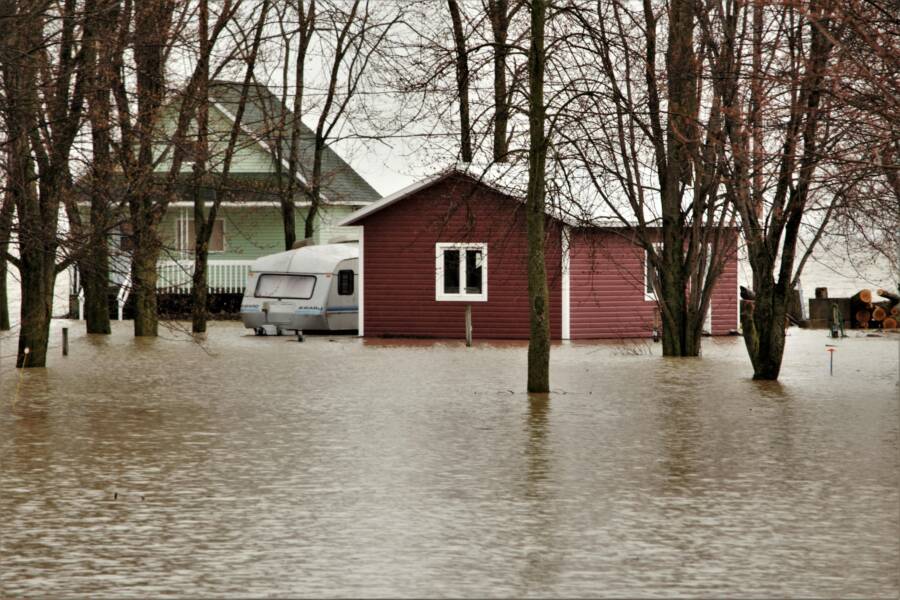
[Image: Flood response in progress] Photo by Franklin Peña Gutierrez
Core tools for water damage restoration The right toolbox covers extraction, drying, moisture tracking, and ventilation. Below are the essentials you’ll likely reach for in most residential scenarios.
Wet and dry vacuums and pumps
- Wet/dry vacuums act as the first line of defense. They remove standing water and dry damp surfaces. Look for a model with high suction and a large recovery capacity for basements or garages.
- Submersible pumps handle larger volumes of water from a flooded area. They stay in the water while the intake draws it away to a safe location. They’re ideal for basements, crawl spaces, or outdoor pools that push water away from the structure.
- In smaller rooms, a quality shop vac can manage damp carpet padding and residual moisture after you pull out standing water. The key is to switch to the right tool as the flood changes from wet to dry.
Dehumidifiers and air movers
- Dehumidifiers reduce humidity levels inside the space. They pull moisture from the air so walls and flooring dry evenly and prevent mold growth.
- Air movers create a steady breeze across surfaces. This speeds up evaporation and helps moisture migrate to the dehumidifier’s intake.
- Together these units are powerful but easy to use. You’ll often run them in combination, moving air around the room and letting the dehumidifier do the rest.
Moisture meters and leak detectors
- A moisture meter checks wood, drywall, and other materials for hidden dampness. This helps you determine when a area has dried enough to proceed with repairs.
- Thermo humidity meters and infrared detectors spot damp spots behind walls or under floors. They reveal trouble spots you might not see with the naked eye.
- Regular checks with a moisture meter keep you from guessing. They provide a simple, repeatable way to confirm progress.
Sump pumps and drainage gear
- A sump pump moves water from a low area to a safe discharge point. This is particularly helpful when a basement or crawl space collects groundwater.
- Basins, hoses, and discharge lines help you direct water away from the structure. Proper setup reduces the chance of a quick repeat flood.
- Battery backups add peace of mind during outages. They keep the pump running when the power dips or fails.
Other essential gear
- Portable generators can power pumps and fans during a power outage. They help you maintain a steady cleanup flow when electricity is down.
- Weatherproof cords, outlets, and GFCI protection keep the setup safe in damp conditions.
- Cleaning and disinfecting supplies finish the job. After removing water, you’ll want to clean surfaces and prevent mold growth.
Safety and prep gear Safety tops every flood cleanup plan. Water and electricity can mix to create serious hazards. Always switch off power to the affected area before you start any cleanup. Use a properly rated extension cord and keep cords away from water. Wear protective gloves, goggles, and a respirator if you’re dealing with mold or dusty conditions. A sturdy mask helps when you’re moving damp materials or sweeping up debris. If you’re unsure about structural safety, pause and seek professional guidance.
Ventilation is essential. Open doors and windows if weather allows. Use fans to move air but avoid directing airflow toward you as you work. A small plan for airflow speeds up drying and reduces musty odors.
How to select the right tool kit for your space Choosing tools begins with a clear view of the flood size and the space you’re working in. Start with these questions:
- How much water needs extraction? For small spills, a wet/dry vac may be enough. For larger floods, you’ll likely need a pump.
- What materials are affected? Wood, drywall, carpeting, and insulation all dry at different rates. Your drying strategy should reflect this.
- Is there a power source nearby? If not, consider battery powered or portable generators to keep fixtures running.
- How quickly do you need results? If time is tight, prioritize devices that move air and remove moisture fast.
A practical approach is to assemble a compact kit for small to medium floods and add a pump for bigger incidents. Home Depot offers both individual tools and ready made kits for quick setup. Look for units with easy setup, simple controls, and clear manuals. A compact kit should be light enough to carry, but sturdy enough to withstand frequent use.
Rental vs purchase options at Home Depot For infrequent floods, renting can be the smarter choice. Rentals let you use professional grade gear without a long term commitment. You can return it when your project ends, and you’ll often get flexible pickup times. If floods are a recurring risk in your area or you’re preparing for storms, buying makes sense. A personal collection gives you quick access when water shows up. Home Depot provides warranty options and service support for most purchases, offering peace of mind as you tackle the mess.
Aftercare: drying, mold prevention, and storage Once the water is gone, the real work begins. Proper drying is crucial to prevent mold and structural damage. Keep humidity under control for several days after the initial cleanup. Continue to run dehumidifiers and air movers in cycles until moisture readings stay low. Clean and disinfect affected areas to minimize mold spores. Replace any heavily damaged materials that can’t be dried safely.
Storing flood cleanup gear properly also matters. Dry all equipment before storing to prevent rust and mold. Keep cords untangled and stored in a dry place away from moisture. Regularly inspect hoses and seals for wear and replace worn parts to extend the life of your tools.
Practical planning tips for homeowners
- Create a quick response kit and label it clearly. Include gloves, respirator, a flashlight, a moisture meter, a spare filter, and a few drying towels.
- Position the kit near potential flood points. If you know your basement tends to flood, store equipment in a waterproof bin on a higher shelf.
- Practice a dry run. Assemble the gear, test the pumps, and review safety steps with everyone in the home. A familiar plan reduces confusion during a real event.
A real world example to guide your setup Imagine a basement that’s mildly flooded after a heavy rain. You pull out a wet/dry vac to remove standing water first. Then you set up a dehumidifier and place a few air movers to circulate air across walls and carpet. After a few hours, you swap to a submersible pump for any remaining water near the sump. You monitor humidity levels with a moisture meter, ensuring the space is dry before finishing with deodorizing steps. This approach minimizes damage and speeds up your return to normal use.
What to know about brand and product quality Home Depot carries a range of tools suitable for homeowners and professionals. Look for simple controls, durable housings, easy filter changes, and parts that are readily available in stores or online. Read user reviews to gauge reliability and ease of use in real homes. A straightforward warranty or service program helps you feel confident in your purchase.
Caring for your flood cleanup tools
- Clean filters and dry surfaces after use. This keeps equipment ready for the next job.
- Inspect cords and plugs for wear. Replace damaged parts before the next use.
- Store gear out of direct sunlight in a clean, dry place. Regular maintenance keeps tools performing well.
Conclusion Floods can disrupt daily life, but the right tools make recovery faster and safer. Home Depot provides a practical mix of extraction devices, drying gear, moisture detection tools, and safety equipment to handle most home water events. By selecting the right combination for your space, setting up a quick response plan, and taking care of gear after use, you can protect your home from long term damage. If you’re facing a flood or want to prepare for storm season, start with a simple kit and scale up as needed. Your future self will thank you for the calm, organized approach.
Photo by Franklin Peña Gutierrez