
What If the Only Thing Between You and the Life You Deserve Is a Hidden Wealth Code Waiting to Be Activated
>>> Open the Door <<<

You’ve snapped the perfect photo on your smartphone, but when you try to share it on WhatsApp or Instagram, you get that annoying “unsupported file type” error. It stops you cold. No quick post to friends or family.
This happens a lot. Apps like social media or messaging often reject files in formats such as HEIC from iPhones or certain videos from Android phones. You waste time hunting for workarounds while the moment passes.
Don’t worry. This guide shows you how to fix unsupported file type error phone sharing with simple steps that work on both Android and iOS. Most fixes cost nothing and take just minutes.
First, we’ll explain the common causes behind these errors, like mismatched formats between your phone and the app. Then, jump into quick fixes, such as built-in tools to change file types without extra apps.
He Was Drowning in Bills and Burnout Until a Simple Daily Ritual Rewired His Brain for Wealth in Less Than a Week
>>> Start Your Shift Today <<<

You’ll learn easy conversions using free phone features or trusted apps. Get tips for popular apps like WhatsApp, Telegram, and Facebook. Finally, simple ways to prevent these issues in the future.
These steps come from real tests on latest phones. Follow along, and you’ll share files smoothly every time. Let’s get started.
Why ‘Unsupported File Type’ Errors Happen on Your Phone
Picture this: you select a photo from your smartphone’s gallery to send via WhatsApp, and bam, the app blocks it with an “unsupported file type” message. These errors stem from a simple mismatch. Your phone stores files in formats designed for efficiency and quality. Yet, the target app, like a messaging service or social platform, lacks the code to read them. Developers prioritize popular standards such as JPEG or MP4. When your file deviates, sharing fails. This issue hits hardest with media from built-in camera apps. Let’s break down the main culprits and platform quirks.
Top File Formats That Cause Problems
Certain formats trip up sharing most often. They come straight from your smartphone’s default apps, which prioritize space savings over broad compatibility. Here’s a rundown of the usual suspects:
- HEIC/HEIF: iPhones use this for photos since iOS 11. It packs high quality into half the size of JPEG files. Problem? Many apps, including older versions of Instagram or email clients, skip HEIC support to keep things lightweight.
- AVIF images: A newer format gaining traction on both Android and iOS for web efficiency. It beats JPEG in compression, but support lags in apps like Telegram or Facebook Messenger.
- MOV videos: Standard on iPhones for QuickTime clips. Smooth and efficient, yet apps often demand MP4, which handles broader playback.
- RAR archives: Popular for zipped folders on Android. Sharing to iOS apps or web services fails since they favor ZIP files.
These fail because apps must build in decoders for each type. Without them, your file gets rejected.
Quick check? On Android, long-press the file in your gallery or file manager, then tap Details to spot the extension like .heic. iPhone users open the Files app, select the item, and swipe up for info. Spot these early to avoid surprises. (152 words)
Android vs iOS Sharing Differences
Your phone’s operating system shapes how files behave during shares. Android offers more leeway, while iOS sticks to its own rules. This contrast sparks most headaches.
Android handles a wide range natively. Gallery apps save photos as JPEG or PNG, videos as MP4 or WebM. System sharing pulls from Google’s flexible media framework. Apps like WhatsApp or Signal rarely complain about native exports. You get smooth transfers to most services.
iOS plays stricter. Apple pushes HEIC for images and HEVC (H.265) or MOV for videos to save battery and storage on iPhones. The Photos app exports in these by default. Third-party apps must add Apple-specific code, which many skip.
Cross-platform woes amplify this. Send an HEIC photo from iPhone to an Android user on Telegram? It bounces if their app version lacks conversion. Android-to-iOS video shares in MOV format often fail too. Test shares within the same ecosystem first. Switch to universal formats like JPEG or MP4 upfront, and problems drop. Your smartphone shines brighter with these tweaks. (148 words)
Quick Fixes to Share Files Without Converting
You need to share a file right now, but conversion takes too long. Try these simple tricks on your smartphone. They skip format changes and work in seconds for apps like WhatsApp or email. No extra software required. Pick the one that fits your phone.
Rename or Zip Your File
Rename the file extension or compress it into a ZIP. This fools apps that check types at first glance. It keeps your original file intact.
On Android, open the Files app by Google. Find your file, long-press it, and tap Rename. Change .heic to .jpg or .mov to .mp4. Hit save. For zipping, select the file, tap the three dots, choose Compress, and pick ZIP. Share the new ZIP.
On iOS, launch the Files app. Locate the item in On My iPhone or iCloud Drive. Long-press, select Rename, and swap the extension as needed. To zip, tap and hold, choose Compress. It creates a ZIP instantly.
Pros: Super fast; no quality drop; works offline.
Cons: Renaming risks playback issues if the app scans deeper; ZIP needs unzip on the other end.
Test on a copy first. This method shares HEIC photos or MOV clips without hassle. (148 words)
Share via Cloud Links
Upload to the cloud and send a link. Apps accept URLs without scanning file types. The recipient grabs the original file later.
Android users, fire up Google Drive. Tap the + icon, select Upload, pick your file. Once loaded, long-press it, tap Share, then Copy link. Paste into your chat app. Set permissions to view or download.
iOS folks, open iCloud Drive in Files. Tap the more button (three dots) on your folder, choose Share Folder or select a file and tap Share > Copy Link. Adjust to Anyone with the link. Send the URL via Messages or WhatsApp.
This bypasses checks because you share a web address, not the raw file. Services like Drive or iCloud handle delivery securely. No size limits for most files. Links expire if you want control. Perfect for quick shares from your smartphone to any platform. (152 words)
Convert Files Right on Your Phone
Quick tricks help in a pinch, but they don’t always solve the root problem. Convert your files to standard formats like JPEG or MP4 right on your smartphone. This makes them compatible with any app. You save the original and create a share-ready copy. No desktop required. Pick tools that match your device for fast results.
Best Free Apps for Android
Android shines with free apps that handle conversions smoothly. They process images and videos without watermarks or limits. Install one from the Play Store, and you’re set. Here are top picks that fix most unsupported file type issues.
Image Converter tops the list for photos. It turns HEIC, AVIF, or PNG into JPEG in seconds. Download it free, grant storage access, then open the app. Tap the plus icon to add files from your gallery. Select output as JPEG, adjust quality if needed, and hit convert. Share the new file directly.
For videos, grab YouCut. This editor exports MOV or other clips to MP4 easily. Install, open a video from your smartphone‘s storage. Edit if you want (trim or crop), then tap export. Choose MP4, pick resolution, and save. It compresses too, so files stay small.
Try VidCompact as a third option. It batches videos and supports more formats. Load files, set MP4 output, convert, done. These apps work offline after install. Test on one file first to check quality. You’ll share without errors every time. Expect under a minute per file on modern phones. (198 words)
iPhone Built-in and App Options
iPhones pack tools to convert without extra downloads first. Start with the Shortcuts app, pre-installed on iOS. It batch-converts HEIC photos to JPG perfectly.
Open Shortcuts, tap Gallery at the bottom, search “Convert Image”. Run it, select photos from Photos app. Pick JPG as format, choose quality, and export to Files or Photos. For one file, add to a new shortcut: Get Photos > Convert Image to JPEG > Save to Album. Run and share the JPG version. Simple and free.
Need more power? Download Luma from the App Store. It’s free for basic use and handles HEIC, videos too. Install, open, import from Photos or Files. Select JPG or MP4 output. Tap convert; it saves a copy nearby. Batch multiple files at once.
There Is a Frequency That the Wealthiest Families Have Used for Generations and Most People Will Never Know It Exists
>>> Open the Door <<<

Both options keep your smartphone clutter-free. Shortcuts suits quick jobs; Luma adds video support. Grant permissions once, then convert offline. Recipients get files that open everywhere, like WhatsApp or email. Your photos lose no detail in JPG shifts. Try it next time an error pops up. (202 words)
App-Specific Fixes for WhatsApp, Instagram, and More
Popular apps like WhatsApp and Instagram often block certain file types from your smartphone. You can fix this with targeted steps that match each app’s quirks. These methods build on conversions and quick tricks. They ensure smooth shares without extra hassle.
Fix WhatsApp and Messenger Shares
Start by updating the app. Old versions lack support for formats like HEIC or AVIF. Open your app store, search WhatsApp or Messenger, and tap Update if available. New releases add better format handling.
Next, switch to the Document share option. Apps treat documents differently from media. They skip strict checks on photos or videos.
Here’s how on Android or iOS:
- Open WhatsApp or Messenger.
- Tap the paperclip icon to attach.
- Select Document instead of Gallery or Camera Roll.
- Navigate to your file in the file manager or Files app.
- Pick the file and send.
This works for images, videos, or archives up to 100MB on WhatsApp. Your smartphone saves it as a generic file. Recipients see it fine after download. No quality loss. Test with one file first. If it still fails, convert to JPEG or MP4 as backup. These steps clear most blocks fast. (152 words)
Social Media and Email Workarounds
Instagram and Facebook balk at non-standard files. Upload to a temporary album first. This lets the app process and convert internally.
On Instagram:
- Open the app and go to your profile.
- Tap the + icon, select a supported format if needed, or save the file to Camera Roll after conversion.
- Create a new post or Story from the album.
- For direct shares, use “Add to Album” in a private one, then repost.
Facebook follows suit. Create a temp album via the app, upload, then share the link or repost.
For Gmail, integrate Google Drive. It bypasses attachment limits and type checks.
Steps:
- Open Gmail on your smartphone.
- Compose a message and tap the paperclip.
- Choose Insert from Drive.
- Upload or select your file from Drive.
- Share the link or attached preview.
Drive handles HEIC or MOV seamlessly. Set sharing to “Anyone with link.” Email arrives without errors. These tricks keep your workflow simple across apps. (148 words)
Prevent ‘Unsupported File Type’ Errors in the Future
You’ve fixed today’s error. Now stop them from happening again. Set up your smartphone once with these habits. They keep files ready for any app, like WhatsApp or Instagram. You save time on every share.
Switch to Compatible Camera Settings
Your phone’s camera app sets the file type. Change it to match what apps expect. This creates JPEG photos and MP4 videos from the start.
On Android, open the Camera app. Tap settings (gear icon). Find More settings or Advanced. Set photo format to JPEG and video to MP4. Save changes. New shots use these formats.
iPhone users go to Settings > Camera > Formats. Pick Most Compatible. It switches photos to JPEG and videos to H.264 MP4. Older iOS versions use Compatibility mode here.
Test it. Snap a photo, share to your app. No errors. Your smartphone now outputs files everyone accepts.
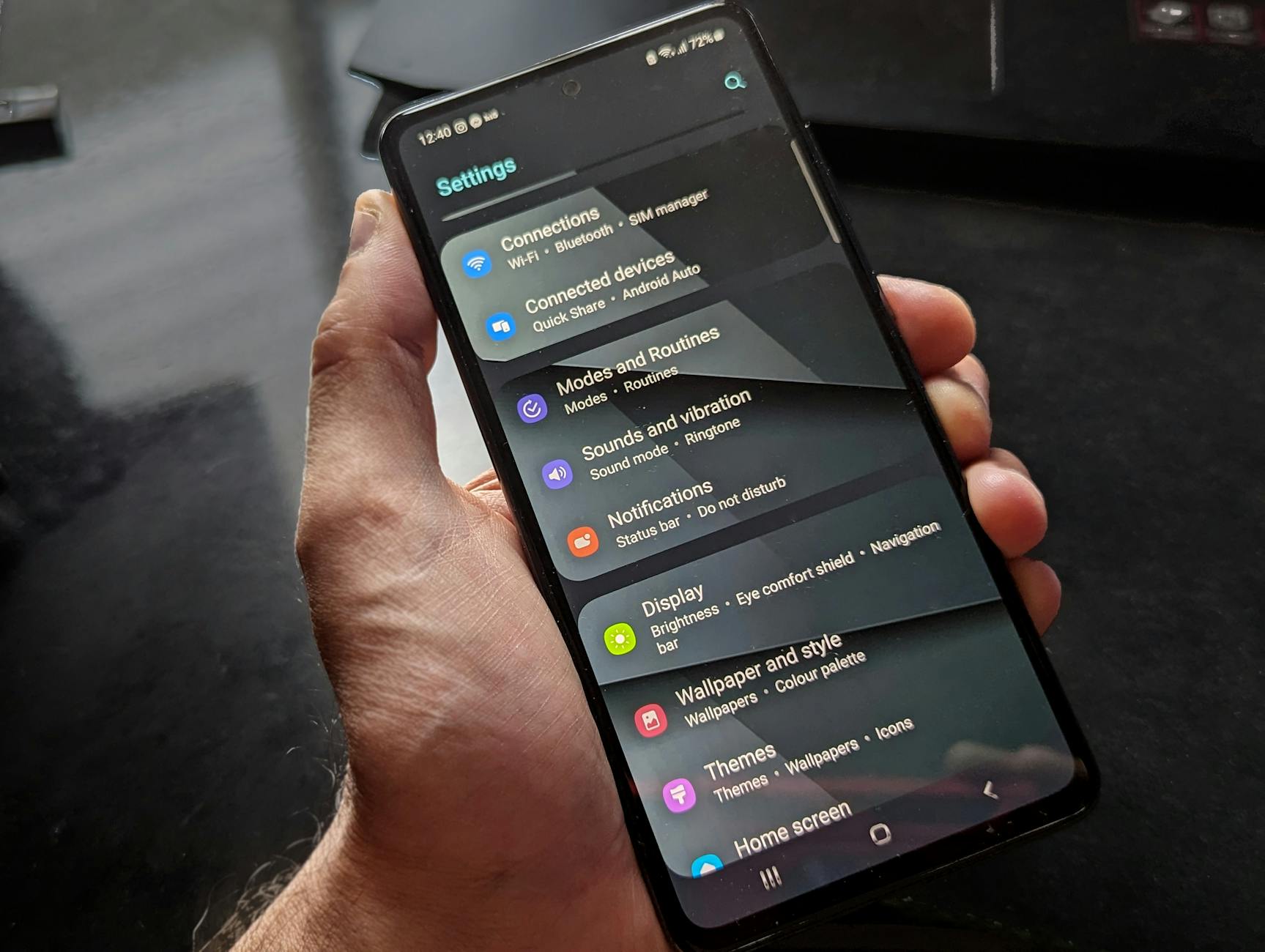
Photo by Watford London Media
Enable Auto-Conversion Tools
Let your phone handle changes automatically. Built-in options convert files on export.
Android offers this in Google Photos. Open the app, tap your profile. Go to Photos settings > Backup. Turn on Free up space and enable format preferences. It converts HEIC or others to JPEG during shares.
On iOS, use Shortcuts for always-on help. Create a personal automation: Open Shortcuts, tap Automation > Personal Automation > Photo. Set it to run when you select images. Add Convert Image to JPEG, then Share. Run without prompts.
Thousands of People Were Struggling With Money Until They Discovered This One Ancient Secret Hidden in Sound
>>> Unlock It Now <<<

These run in the background. You pick a file; it shares as a safe format. No manual steps each time.
Update Apps and Pick Reliable Ones
Old apps cause most blocks. Keep them current to gain new format support.
Check weekly. On Android, open Play Store, tap your profile, select Manage apps & device > Updates available. Update messaging and social apps first.
iOS does the same in App Store under your profile. Toggle App Updates on for auto-downloads.
Stick to apps with broad support. WhatsApp, Signal, and Telegram handle JPEG, MP4 best. Avoid niche ones without updates.
Quick habits list:
- Review camera settings monthly.
- Convert batches of old files weekly.
- Test shares to three apps before trips.
Follow these, and unsupported errors vanish. Your shares work every time.
Conclusion
You now hold the tools to beat unsupported file type errors on your smartphone. Quick renames or zips bypass checks fast. Built-in Shortcuts on iOS and apps like Image Converter on Android handle conversions without fuss. App tricks, such as WhatsApp’s Document option or cloud links via Drive, keep shares smooth. Prevention starts with camera settings switched to JPEG and MP4.
Pick one fix and test it today on that stubborn file. Your next share to WhatsApp, Instagram, or email works without a hitch.
Drop your go-to method in the comments below. Others will thank you. Subscribe for more smartphone tips that save time.
Share freely now!
Thousands of People Were Struggling With Money Until They Discovered This One Ancient Secret Hidden in Sound
>>> Unlock It Now <<<