She Pressed Play on a Strange Audio Track and Within Days Her Financial Reality Started Shifting in Ways She Could Not Explain
>>> See How It Works <<<

Ever stare at a to do that won’t show up where you expect it, no matter how many times you refresh? It’s a friction you feel every day when your tasks live on your phone and your PC but refuse to stay in sync. You’re not alone, and the relief is closer than you think.
This guide tackles the most common syncing hiccups across iPhone, Android, Windows, and Mac, focusing on popular task apps. We’ll fix things that break the flow, and we’ll keep the steps practical and repeatable. The goal is simple: get your list updating reliably so you can move from planning to doing without interruptions. Task syncing is about a smoother cross device workflow, not tech drama.
You’ll get a straightforward, step by step plan: verify sign in and account types, check app and OS updates, review sync settings and permissions, and test with a real task. The guide also covers how to spot data conflicts, when to reconfigure accounts, and how to keep your changes flowing across devices. By the end, you’ll know exactly what to adjust to restore a steady cross device task flow.
Diagnose the Sync Problem: Pinpoint Why Tasks Won’t Sync Across Phone and PC
When your tasks don’t show up on both devices, it creates friction in your day. This section walks you through a practical diagnosis so you can identify where the break is, whether it’s on one device or across all of them. We’ll keep things simple and actionable, using real-world examples like iPhone vs Android or Windows vs macOS. By the end, you’ll know which device or account to focus on first and how to verify every step in the process.
There Is a Frequency That the Wealthiest Families Have Used for Generations and Most People Will Never Know It Exists
>>> Open the Door <<<

Check which devices are affected
- Start with a quick test on each device. Create a new task on your phone and see if it appears on your PC within a few minutes.
- Repeat the test in reverse: add a task on your PC and check the phone. If it syncs in one direction but not the other, there’s likely a device-specific issue.
- Compare different platforms. For example, try iPhone vs Android or Windows vs macOS to spot platform-specific quirks.
- Note the last successful sync time on each device. If one device shows an older timestamp, the problem may be local to that device.
- Track recent changes. List any app updates, OS updates, or sign-in changes within the last 24–72 hours.
- Use a simple checklist to stay organized:
- Is the same account signed in on both devices?
- Are you connected to the internet on both devices?
- Is the app updated to the latest version on both devices?
- Has a recent change caused a data conflict that needs resolution?
If you’re using Microsoft To Do or a similar service, the issue might be tied to how the service handles sign-ins across devices. See a practical guide on syncing Microsoft To Do across platforms for reference. https://www.guidingtech.com/fix-microsoft-to-do-not-syncing/
Verify cloud account sign in and subscription status
- Confirm the active account on every device. Open the app on each device and verify the email or account name shown in the settings.
- Check for multiple accounts. If you have personal and work accounts, ensure you’re using the same one across all devices for the same task list.
- Review subscription status if your app requires a paid plan for full sync features. Some features may be limited on free plans.
- Keep a simple sign-in checklist:
- Are you signed in with the same account on phone and PC?
- Is the account active and not expired?
- Do you have the required plan for full sync on all devices?
- If you suspect a sign-in issue, sign out on all devices and sign back in with the same credentials. Microsoft To Do users can reference Microsoft’s guidance on syncing accounts for multi-device setups. https://support.microsoft.com/en-us/office/syncing-your-microsoft-to-do-account-61aeee82-6b3e-451b-ba80-79e1b66aca33
Ensure reliable internet and correct device time
- Test the internet connection on both devices. Try a quick website load and a search to confirm speed and stability.
- Switch networks if you suspect a flaky connection. Move from Wi-Fi to mobile data or vice versa to see if syncing behavior changes.
- Toggle airplane mode on and off to reset network adapters quickly.
- Check date and time settings. Make sure the clock is synchronized across devices and set to the correct time zone.
- Some apps require a consistent time for secure syncing. If your device time is off, sync may fail or be delayed.
- If you see frequent disconnects, check router logs or contact your internet provider for stability issues.
Understand if the issue is real time or delayed sync
- Real time sync means changes appear almost instantly across devices. Delayed sync happens when updates show up after a short lag.
- Quick test: create a task on one device, then watch the other device for a few minutes. If it appears after a delay, you’re in a delayed sync scenario.
- Some apps batch changes and push them at intervals. This is normal for certain services and can affect perceived immediacy.
- If you notice persistent delay, check the service status page for the app you’re using. For Microsoft To Do, there are official guidance and status indicators you can consult. https://www.microsoft.com/en-us/microsoft-365/service-status
If you want to read more about common sync issues and how to fix them, see the practical tips from a well-known tech guide that covers basic checks, sign-in consistency, and app updates. https://www.techjockey.com/question/18228/how-to-fix-sync-issues-in-todoist
For Windows users, another solid reference explains how to address syncing problems with Microsoft To Do across devices and the web. https://support.microsoft.com/en-us/office/syncing-your-microsoft-to-do-account-61aeee82-6b3e-451b-ba80-79e1b66aca33
And if you’re troubleshooting across multiple devices, these steps outline general syncing best practices and how to verify service health. https://learn.microsoft.com/en-us/answers/questions/5294964/microsoft-todo-apps-not-syncing-with-online-websit
Finally, a practical guide on fixing Microsoft To Do not syncing on Windows offers actionable fixes you can apply right away. https://www.guidingtech.com/fix-microsoft-to-do-not-syncing/
Align Apps and Operating System Settings Across Devices
Cross-device task syncing starts with a simple idea: keep the same app and OS settings across every device you use. When your apps share a common ground, updates, permissions, and data flow smoothly from your smartphone to your PC and back. This section walks you through practical, tangible steps to align accounts, cloud sync, permissions, and updates so your task lists stay in harmony.
Use the same account or subscription for all devices
Using a single account across devices is the backbone of reliable sync. When all your devices sign in with the same email or account name, your tasks, lists, and preferences transfer without confusion. Here’s how to make it happen and verify you’re on the same profile.
- Sign in on each device with the same credentials:
- On your phone, open the app and sign in using your primary email address.
- On your PC, sign in with the same account through the app or via the web login.
- Verify the active profile in the app settings:
- Open the app on each device and navigate to Settings or Account.
- Confirm the email or account name matches across devices.
- If you use subscriptions, confirm the same plan is active on every device:
- Check the plan status in Settings > Subscriptions (or similar) on each device.
- If a device shows “trial” or “expired,” update to the same plan on all devices.
- Quick check example:
- Phone: sign in with [email protected]
- PC: sign in with [email protected]
- Tablet: sign in with [email protected]
- If you ever need to switch accounts, sign out on all devices and sign back in with the new, single account to avoid conflicts. For Microsoft To Do users, see Microsoft’s guidance on syncing accounts for multi-device setups: https://support.microsoft.com/en-us/office/syncing-your-microsoft-to-do-account-61aeee82-6b3e-451b-ba80-79e1b66aca33
Why it matters: a mismatched account can create duplicate tasks, skipped updates, and locked data. A single, consistent profile keeps your lists unified.
Enable cloud sync and background activity permissions
Cloud sync is the engine that moves tasks between devices, but it only runs if the app is allowed to stay online and busy in the background. Use this practical checklist to enable cloud sync and background activity on phone and PC.
- In-app cloud sync:
- Open the app on each device and locate Settings > Sync or Cloud Sync.
- Ensure the toggle is ON and that the preferred sync direction is set to automatic.
- Background activity on mobile:
- iOS: Settings > [App] > Background App Refresh > ON; make sure Notifications are allowed as well.
- Android: Settings > Apps > [App] > Battery > Allow background activity; ensure Data usage permits background data.
- Background data on PC:
- Windows: Settings > Privacy > Background apps > turn the app ON; ensure it has permission to run in the background.
- macOS: System Settings > General or Privacy > Background Tasks > allow the app to run.
- Network considerations:
- Connect to stable Wi‑Fi or cellular when needed, and avoid roaming restrictions that can pause syncing.
- Practical test:
- Create a new task on one device and verify it appears on the other within a couple of minutes.
- If you’re using Microsoft To Do, you can reference the guidance on enabling background refresh and multi-account usage: https://support.microsoft.com/en-us/office/how-do-i-enable-disable-background-app-refresh-e0f8a2af-7f54-471d-9953-bf7189f12912 and https://support.microsoft.com/en-us/office/using-multiple-accounts-with-microsoft-to-do-49d89f46-781a-497b-ac3c-f9ab45b0937f
Why it matters: without background activity permission, syncing can stall or stop entirely when the app isn’t in the foreground.
Check app permissions, battery saver, and data limits
Aggressive battery or data saver modes can pause syncing without you realizing it. A quick audit of permissions and limits prevents silent pauses in your workflow.
- Review background data permissions:
- Android: Settings > Apps > [App] > Data usage > Background data ON.
- iOS: Settings > [App] > Background App Refresh ON.
- Disable battery saver interference when syncing:
- Android: Settings > Battery > Battery optimization > [App] > Don’t optimize.
- iOS devices usually keep background work permitted, but ensure Low Power Mode isn’t overly restricting background activity.
- Check data limits and throttling:
- Ensure there are no data caps forcing the app to pause syncing.
- If you use a data saver mode on your PC or router, make sure the app isn’t blocked from the internet in a background state.
- Add exceptions for the task app:
- In your firewall or security software, whitelist the app so it can access the internet without prompts.
- Practical test:
- Set a short timer and watch for a sync after a task is created. If it fails repeatedly, re-check permissions for the specific platform.
- Example reference for adjusting battery settings on Android: https://driversnote.helpscoutdocs.com/article/137-android-battery-saving-settings
Why it matters: restrictive settings can create gaps that look like a broken sync, even when the service is healthy.
Update apps and operating systems to the latest versions
Keeping apps and OS up to date is not flashy, but it pays off in compatibility and reliability. Updates fix bugs, improve compatibility with cloud services, and tighten security so syncing can happen without friction.
- Update checklist for each platform:
- iOS: Open Settings > General > Software Update; enable Automatic Updates.
- Android: Settings > System > Advanced > System update; enable Auto-retrieve or Auto-update apps.
- Windows: Settings > Update & Security > Windows Update; turn on automatic updates.
- macOS: System Settings > General > Software Update; enable automatic updates.
- Verify after updating:
- Open the task app and perform a quick test: create a task on one device, check others within a few minutes.
- Enable automatic updates where possible:
- This reduces the chance of missing fixes that affect sync and ensures you stay on supported versions.
- Helpful references:
- For iPhone users, automatic updates guidance: https://www.fema.gov/about/news-multimedia/mobile-products/app-help-center/update-apps-automatically-iphone
- General tips about automatic updates across devices: https://www.installdown.com/managing-updates-setting-automatic-updates
Why it matters: outdated software can drift apart, making a once-quiet syncing routine suddenly unreliable.
External resources referenced in this section offer deeper dives into account syncing, background activity, permissions, and updates. For deeper guidance on managing accounts and sync health, you can consult the Microsoft and third-party resources linked above.
Assess Common Blockers by App
When you’re trying to fix task syncing between a phone and a PC, the root cause often sits with the specific app you rely on. Each ecosystem has its own quirks, from how accounts are linked to how data is stored in the cloud. In this section, we break down the typical blockers for four popular task apps and give you practical, repeatable steps to diagnose and resolve them. Think of this as your quick-reference playbook for cross-device task flow.
Todoist sync specifics
Todoist remains a favorite for its clean interface and robust project structure, but it isn’t immune to hiccups. Sync delays can show up as tasks appearing late or out of order. Project visibility issues can make a list seem missing on a device even though it exists on another. And if you use sharing or multi-tenant setups, mismatched permissions can create silent sync gaps.
Key issues to watch for:
What If the Only Thing Between You and the Life You Deserve Is a Hidden Wealth Code Waiting to Be Activated
>>> Open the Door <<<

- Delayed task appearances across devices.
- Projects not visible on one platform after creation on another.
- Sign-in drift between personal and team accounts.
What to do:
- Re-authenticate quickly: sign out of Todoist on all devices, then sign back in with the same credentials. If you’re on a shared workspace, confirm you’re logging into the correct workspace as well.
- Check the service status: Todoist occasionally experiences partial outages. If the status page shows an incident, wait for the fix and then retry syncing.
- Verify project sharing: if you rely on shared projects, confirm all invited members still have access and that you’re viewing the correct project in each app.
- Confirm server health: occasionally a server-side hiccup can affect the sync API. If problems persist, monitor the status page and reattempt after a short window.
- Re-verify cross-device consistency: after re-authentication, create a test task on one device and verify its appearance on the other within a few minutes.
- External reference: Syncing issues across devices and a practical guide to Todoist syncing issues.
Why this matters: Todoist relies on a consistent account and healthy cloud services. A quick re-auth and a glance at the status page can restore normal flow and prevent future surprises.
Photo to accompany this section: 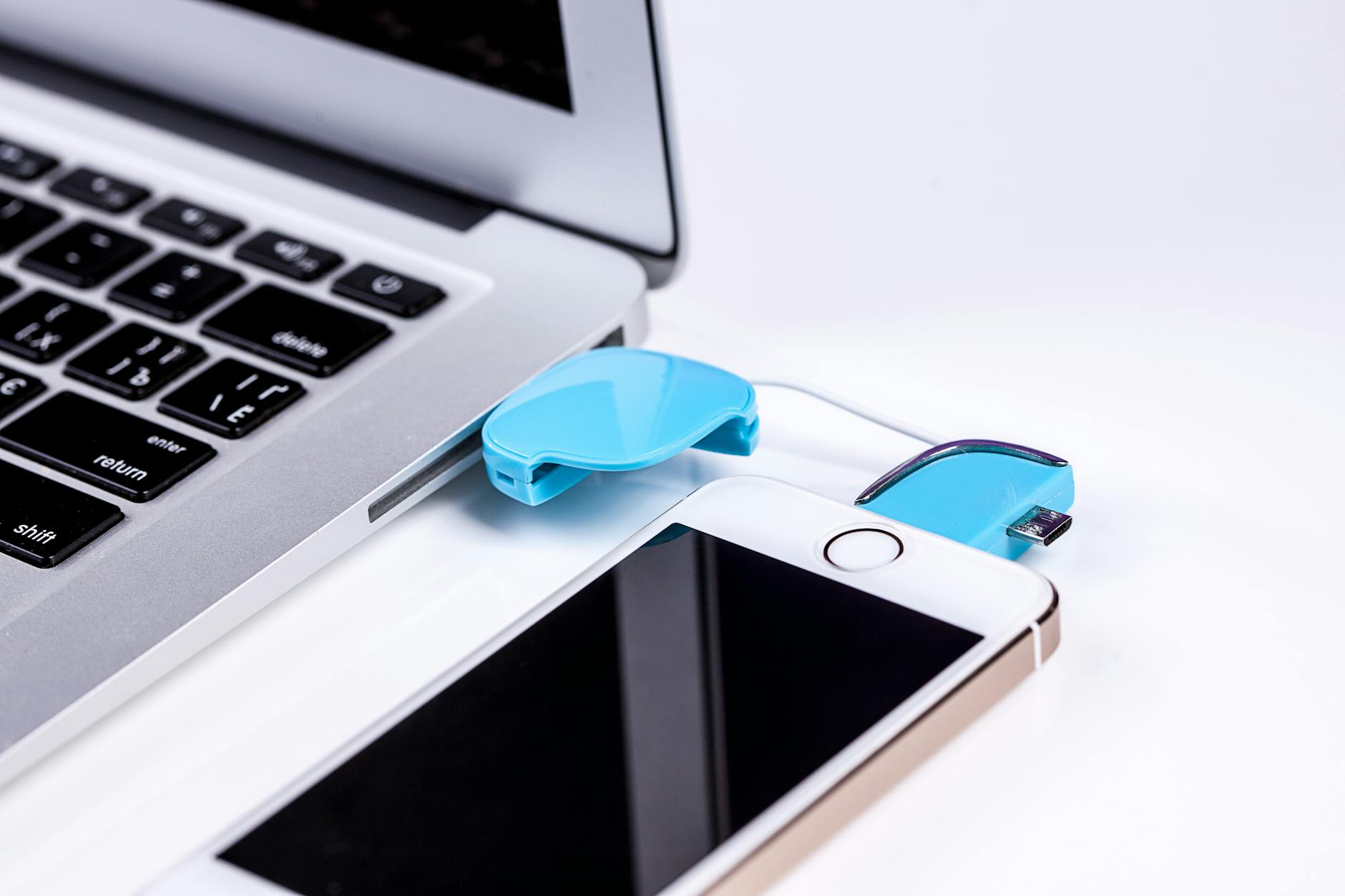 Photo by https://www.pexels.com/@pixabay
Microsoft To Do and Outlook Tasks
Microsoft To Do ties tightly to your Microsoft account and Office 365. Sync behavior can vary depending on whether you’re signed in with a personal Microsoft account or an organizational account. If lists aren’t appearing on one device, it’s often because the account used on that device isn’t the same as on the others or because Outlook task sharing settings aren’t aligned with your To Do lists.
What to check:
- Consistent account usage: ensure the same Microsoft account is signed in on every device, including the web, Windows app, iOS, and Android.
- Workspace and group visibility: if you’re using Outlook for work, confirm that the same task lists are shared and visible to the intended users.
- Subscription status: some features may require specific Office 365 plans or Microsoft 365 subscriptions.
- Re-authentication steps: sign out of all devices, then sign back in with the same Microsoft account. For multi-device setups, refer to Microsoft’s guidance on syncing accounts.
- Verify sharing setup: in Outlook, check that the task lists you rely on are shared correctly and that permissions allow updates from all devices.
Useful reference: detailed guidance on syncing your Microsoft To Do account and managing multiple accounts.
Image: If you use a Mac or PC, you can spot check by opening the To Do app, confirming your account, and trying a live sync test across platforms.
Photo to accompany this section: Optional
Google Tasks and Google Workspace
Google Tasks is tightly integrated with Google Workspace and can sync across Android, web, and third‑party clients. The common blockers here involve sign-in consistency, Workspace-level controls, and features that simply aren’t available in every interface.
What to inspect:
- Sign in with the same Google account: make sure all devices, including any web clients, are using the same account.
- Workspace settings: some organizations apply policies that affect cross-device data sharing. Check with your admin if Workspace settings could block cross-device task syncing.
- Platform gaps: Google Tasks works well for basic lists but might lack some features on non-Google clients. If you rely on subtasks or dates, verify what each platform supports.
- Re-auth and cross-device checks: sign out and sign back in on all devices when issues occur, then run a quick cross-device test.
- Reference resources: official Google Workspace Tasks pages and a practical overview of Google Tasks across platforms.
Tip: If a test task doesn’t appear on Android after creating it on the web, confirm you’re logged into the same Google account on both devices.
Image: An accompanying image could show a user interacting with Google Tasks across a tablet and laptop.
Photo to accompany this section: Optional
Apple Reminders and iCloud cross-device syncing
Apple Reminders rely on iCloud to push updates between iPhone, iPad, and Mac. If any device isn’t signed into the same Apple ID or iCloud isn’t syncing Reminders, you’ll see gaps.
What to verify:
- Same Apple ID across devices: sign in with the same Apple ID on iPhone, iPad, and Mac.
- iCloud settings: confirm Reminders is enabled in iCloud settings on every device.
- iCloud status: ensure there’s no iCloud storage issue that could affect syncing.
- Reminders integration: if you use Reminders with other apps or Calendars, confirm those integrations aren’t breaking the flow.
- Quick validation: create a reminder on one device and confirm it shows up on the others within a few minutes.
- Helpful references: setup reminders across devices and use Reminders on iPhone, iPad, or Mac pages to troubleshoot.
Photo to accompany this section: Optional
External considerations and quick actions
- When the blocker isn’t obvious, run a quick cross-device test with a single, simple task. If it fails, you know you’re dealing with a core sync issue rather than a task-specific problem.
- If you manage multiple accounts for the same app, consider consolidating to a single account to avoid duplicates and conflicts.
- Keep a log of changes. A simple notebook or a digital note with timestamps helps you quickly trace when a problem started and what you changed to fix it.
Links for deeper reading
There Is a Frequency That the Wealthiest Families Have Used for Generations and Most People Will Never Know It Exists
>>> Open the Door <<<
- Todoist status and syncing guidance: read the status and troubleshooting pages for real-time updates.
- Microsoft To Do syncing accounts: official guidance on how to manage multi-device setups.
- Google Tasks and Workspace: overview and product pages for understanding how Tasks interacts with Workspace.
- Apple Reminders and iCloud: official support articles for cross-device syncing.
Images and credits
- If you use images, ensure they fit the content and add visual clarity for readers. For this section, a photo showing multiple devices syncing content helps readers picture the problem and solution.
Next steps for readers
- After you verify each app’s core blockers, run a final cross-device test with a handful of tasks. If everything stays in sync, you’ve implemented a robust baseline. If not, repeat the targeted checks with a sharper focus on the account and sign-in state.
External resource references to support your further reading (examples)
- Todoist status and known issues page
- Microsoft To Do syncing account guidance
- Google Tasks and Workspace product pages
- Apple Reminders and iCloud help pages
Photo by Pixabay: Close-up of a laptop and smartphone connected via USB cable for data transfer. Credit: Photo by https://www.pexels.com/@pixabay
Step by Step Recovery Plan to Restore Sync
When task lists fail to stay in sync across your phone and PC, the friction costs you time and focus. This section offers a practical, repeatable recovery plan. It breaks down the process into four focused steps, so you can rebuild a reliable cross‑device workflow without guesswork. You’ll follow a lightweight, safe sequence that minimizes data loss and gets your tasks flowing again.
Re authenticate and Re install
If sign in or app installation is the culprit, a clean re authentication and reinstall often clears the path. Start with sign out on every device, then sign back in with the same account. This resets session tokens and can resolve subtle sign-in drifts that hide behind normal UI.
- When to sign out and sign back in:
- After a failed sync that affects multiple devices.
- If you recently changed your password or updated your account type (personal vs work).
- If a platform update coincides with missing or out-of-date lists.
- How to reinstall on each device:
- Mobile (iPhone or Android): Delete the app, restart the device, reinstall from the App Store or Google Play, then sign in with the same account.
- Desktop (Windows or macOS): Remove the app, reboot, reinstall from the official store or vendor site, then sign in again.
- Data safety before removal:
- Confirm data is backed up to the cloud or the app’s own cloud backup if the app supports it.
- If you rely on local exports, perform a quick export of your current lists.
- Restoring from cloud backup:
- Sign back in and allow the app to restore from the cloud. If automatic restore isn’t enabled, look for a restore option in Settings > Backup and Restore.
- Quick reference:
- Ensure the same account is used on all devices to prevent sign-in drift.
- Reinstall is a strong reset when the app’s local data appears corrupted or out of date.
- Quick reference links:
- Microsoft To Do syncing accounts: https://support.microsoft.com/en-us/office/syncing-your-microsoft-to-do-account-61aeee82-6b3e-451b-ba80-79e1b66aca33
- Todoist sync troubleshooting: https://www.todoist.com/help/articles/troubleshoot-syncing-issues-in-todoist-d6dDzzpF
Tip: If a specific device never reappears the latest task, re authentication on that device first. This often isolates whether the problem is device‑side or cloud service side.
 Photo by Harry Tucker
Clear cache and reset connections
A cluttered cache or stale credentials can block fresh data from flowing. Clearing caches and reestablishing connections gives the app a clean slate to work from.
- Clear app caches:
- Mobile: In the app settings, look for Storage or Cache and clear cache. If the app doesn’t expose this, consider clearing the app data via system settings (Android) or reinstalling (iOS).
- Desktop: Clear the app cache through the settings or by deleting cache files in the user profile, then relaunch the app.
- Clear stored credentials:
- Sign out, then clear saved passwords or tokens in the app’s settings. Re sign in to regenerate fresh credentials.
- Remove and re add accounts:
- Remove the account from the app on each device.
- Re-add the account and confirm permissions for cloud sync and background activity.
- Simple platform specific sequence:
- Mobile: Settings > Apps > [App] > Storage > Clear Cache; Sign out > Clear Saved Data (Android only) > Reinstall > Sign in.
- Desktop: App > Preferences > Clear Cache > Sign out > Quit > Reopen > Sign in.
- Why this helps:
- It eliminates corrupted local copies that can stall the sync engine.
- Cross‑device confirmation:
- Create a small task on one device and verify it appears on the other within a couple of minutes.
- Helpful reference:
- Microsoft cache clearing guide for its apps: https://support.microsoft.com/en-us/office/how-do-i-clear-the-cache-or-locally-reset-refresh-the-client-app-944d786e-e992-48ec-aeb6-c6fd33bbb0ca
- Note: If you still see issues after clearing the cache, check for account or subscription quirks that might affect cross‑device access.
Test the sync cycle with a new task
The fastest way to confirm you’re back in sync is a controlled test. Use a fresh task to track how quickly updates propagate and to catch edge cases.
- Prepare a test task:
- Create a new task on your phone with a clear label like “TEST: Phone to PC sync”.
- Use a simple due date or priority to keep it straightforward.
- Observe the cycle:
- Check if it appears on the PC within 1–3 minutes. If not, note the delay.
- Extend the test to edits:
- Edit the task on the PC (change due date or description) and verify the update on the phone.
- Complete the task on the phone and confirm the completion state reflects on the PC.
- Repeat across different states:
- Create, edit, and complete tasks on both devices, ensuring the transitions appear promptly on the other device.
- When to escalate:
- If any state fails to sync after multiple rounds, it’s worth focusing on account consistency and background activity settings.
- Extra resources:
- Use calendar integrations to verify that cross-app visibility stays aligned when you pair tasks with calendar events. See Todoist and Google Calendar integration guidance for context: https://todoist.com/help/articles/use-google-calendar-with-todoist-QcGnb1uZ
If needed, switch to a different method temporarily
If the primary sync path stubbornly refuses to cooperate, a temporary workaround can keep you productive while you fix the underlying issue.
- Temporary workaround ideas:
- Web app as a central hub: Access your task list via the web interface while you work on mobile or desktop clients.
- Central plan for the moment: Use a single, shared plan in a web app or one platform for a few days and gradually reintroduce multi-device syncing.
- Benefits:
- Keeps your workflow uninterrupted.
- Reduces the risk of conflicting edits when devices are out of sync.
- Limits:
- You may lose some offline capabilities.
- Some notifications and subtasks may behave differently across platforms.
- Practical approach:
- Identify one primary device to capture new tasks and edits, then mirror essential updates to other devices when the primary has internet access.
- When to switch back:
- After you confirm the underlying sync paths work again or after applying targeted fixes from the earlier sections.
- Helpful reference:
- Guides on cross-device workflows and temporary web app use for ongoing projects.
External resources you can consult for broader context include status pages and cross‑platform guidance from major task apps. For Todoist, you can review the incident details and syncing guidance at their status page: https://status.todoist.net/cmf52oxbu000auss7mk93c9tn
If you’re using Microsoft To Do, Microsoft’s documentation on multi‑account and background activity can be handy: https://support.microsoft.com/en-us/office/how-do-i-enable-disable-background-app-refresh-e0f8a2af-7f54-471d-9953-bf7189f12912
Images and credits
- A suitable image can illustrate a cross-device workflow. Consider an image showing a smartphone and laptop synced together. If you use imagery, credit the source accordingly.
Next steps for readers
- After you complete these steps, run a final cross-device test with a handful of tasks. If everything stays in sync, you’ve built a reliable baseline. If not, revisit the account and sign‑in state first.
External resource references to support your further reading (examples)
- Todoist status and syncing guidance
- Microsoft To Do syncing accounts
- Google Tasks and Workspace
- Apple Reminders and iCloud
Photo by Pixabay: Close-up of a laptop and smartphone connected via USB cable for data transfer. Credit: Photo by https://www.pexels.com/@pixabay
Prevention Tips for Reliable Task Sync in the Future
A reliable cross‑device task flow starts before you hit the first task. By setting a clear, consistent foundation now, you reduce the chance of hiccups later. Think of it as laying a stable bridge between your phone and PC. The goal is simple: keep your tasks moving smoothly across devices so you can stay productive without reworking sync problems every week.
Choose a single cloud first workflow
Adopt one primary cloud service for tasks and stick with it across all devices. A single cloud plan reduces conflicts from duplicates, mixed permissions, and sign‑in drift. Start with a central plan and align all devices to it. If you must switch later, do it deliberately and keep a log of changes so your devices can catch up.
- Pick one hub for tasks (for example Todoist, Microsoft To Do, or Google Tasks) and sign in with the same account everywhere.
- Avoid mixing personal and work accounts for the same list to prevent duplicates.
- When you adopt a central plan, set a clear rule: all new tasks go to the primary cloud first, then propagate to other devices.
- Regularly verify that each device shows the same list structure, including projects or lists, and that shared access remains intact.
For Todoist users, it’s especially useful to understand how calendar integrations can keep a single workflow visible across platforms. See the official guidance on calendar integration for more context. Use the Calendar integration
Why this matters: a unified cloud workflow creates a single source of truth. It minimizes conflicts and makes cross‑device syncing predictable.
Set up regular backups of tasks data
Backups protect you from data loss and make recovery faster if something goes wrong. A simple, repeatable backup routine reduces anxiety and keeps you focused on work, not on fear of lost lists.
- Export lists periodically from your task app or enable automatic backups if available.
- Store backups in a secondary location you trust, like a cloud storage folder or a dedicated drive.
- Include critical metadata in backups when possible, such as due dates, priorities, and reminders.
- Practice a quick restore drill every few months to ensure you can recover from a failure.
If you’re exploring backup options for different apps, you can reference useful backups for Google Tasks and Microsoft To Do on official sites and app stores. For Google Tasks, the Apple App Store page highlights planning and syncing workflows, which can complement your backup strategy. Google Tasks: Get Things Done and Microsoft To Do on the App Store. Microsoft To Do – App Store – Apple
Why this matters: backups give you a quick, safe path to restore a working baseline after an unexpected sync hiccup.
Schedule periodic checks and maintenance
A monthly maintenance ritual keeps everything aligned and prevents drift from creeping in. A light, regular check is far more effective than a long, reactive repair later.
A simple monthly checklist:
- Update all apps and OS to the latest versions.
- Verify you’re signed in with the same account on every device.
- Confirm two‑way sync works by creating a task on one device and checking the other.
- Review any error messages or notifications from the app this month.
Maintenance isn’t glamorous, but it pays off in calmer days and fewer surprises. If you rely on Microsoft To Do, you can consult Microsoft’s guidance and status indicators to spot issues early. Get help for Microsoft To Do
Why this matters: regular upkeep sustains a stable syncing rhythm and reduces the time spent debugging issues.
Know when to contact support
Even well‑managed systems will hit stubborn snags. Knowing when to contact support saves time and protects your workflow. Look for persistent errors after updates, recurring data inconsistencies, or a cloud service status that affects multiple devices.
Signs to reach out:
- Repeated errors after updates on more than one device.
- Data gaps that persist after re-authentication or reinstallation.
- Unexpected changes in sync behavior, like a task that disappears or changes do not propagate.
Helpful tips before you contact support:
- Capture examples of the issue with timestamps.
- Note the steps you took before the problem appeared.
- Include device type, OS version, app version, and account details in your report.
- Run a quick cross‑device test and share the results.
If you’re dealing with Microsoft To Do, Microsoft’s support resources offer a clear path to help. Get help for Microsoft To Do can help you prepare the right information before you reach out.
Why this matters: a precise support request shortens resolution time and helps you restore a stable sync faster.
External reading for deeper context
- Todoist troubleshooting and status pages to monitor syncing health. Troubleshoot syncing issues in Todoist
- Microsoft To Do signaling and support options. How to contact Microsoft support for the To Do app on iOS
- General app health and cross‑device guidance. Microsoft To Do Help Center
Additional actionable notes
- Keep your primary device as a stable source of truth for new tasks during the transition to a single cloud workflow.
- If you use multiple accounts for the same app, consider consolidating to minimize duplicates and conflicts.
- Maintain a simple change log that records sign‑in status, app updates, and any configuration changes.
These preventive steps create a reliable, future‑proof task syncing setup. With a single cloud backbone, regular backups, ongoing maintenance, and a clear path to support, your phone and PC stay in sync with less friction and more momentum.
Conclusion
Most cross device sync issues come down to a few core checks. Start with the account you use, then align settings across devices, and apply targeted app fixes. When these pieces line up, your tasks flow between smartphone and PC with much less friction.
A steady cloud backbone matters. Use the same account on every device, enable cloud sync in the app, and keep background activity allowed. Regular updates to both apps and operating systems reduce the chance of new glitches.
Prevention matters as much as fixes. Adopt a single cloud workflow, back up task data, and schedule periodic checks. A quick monthly review catches drift before it slows you down.
Try these steps today and share your results. If you run into trouble, tell me where the sync breaks and which app you’re using, so I can tailor the next steps.
What If the Only Thing Between You and the Life You Deserve Is a Hidden Wealth Code Waiting to Be Activated
>>> Open the Door <<<