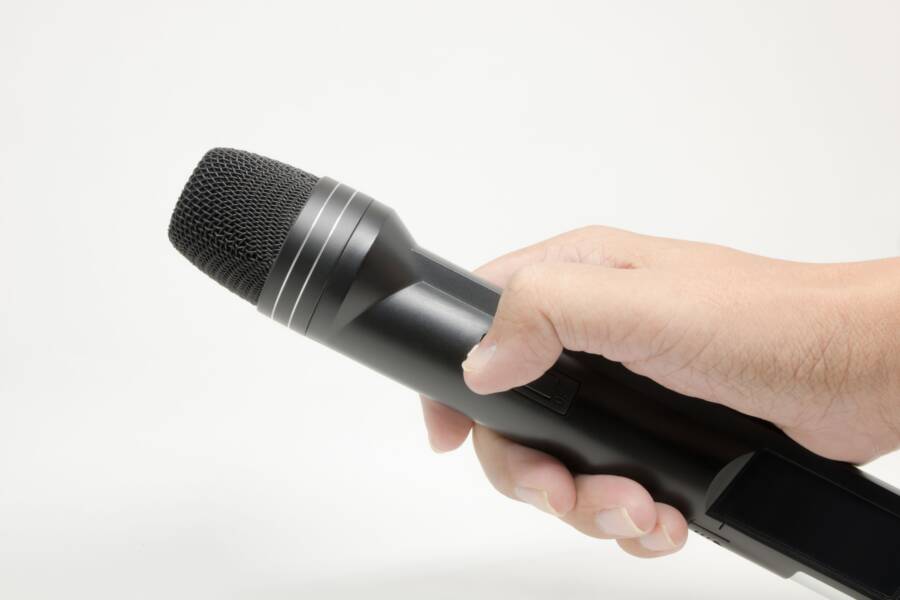
Voice recorders fail when software glitches disrupt the microphone or storage permissions. You can often fix this problem on your smartphone by restarting the app or checking your privacy settings. Most hardware issues are rare, so you will likely resolve the recording error with a few quick software adjustments.
This guide helps you identify the root cause of your audio trouble. Follow these steps to restore your recording functionality and ensure your device captures audio correctly.
Check the Basics Before You Panic
Most audio recording issues on your smartphone are simple to fix. You do not need technical expertise or a repair shop to restore sound quality. Before you assume the internal hardware is broken, perform a few basic checks. These initial steps often resolve the conflict without further effort.
Clean Your Microphone and Check for Obstructions
The most common cause of poor audio quality is physical blockage. Smartphones collect dust, lint, and debris inside the tiny microphone ports over time. When these openings become clogged, your device cannot capture sound waves properly.
Examine the bottom of your phone near the charging port for visible dirt. You might also find a secondary microphone near the rear camera lens. Use a soft, dry toothbrush to gently clear away any debris from these areas. Never insert sharp metal objects like needles or paperclips into the ports, as you will likely damage the sensitive mesh membrane.
Your protective case might also cause problems. Some thick, rugged cases possess imprecise cutouts that partially cover the microphone. Try removing the case entirely and record a test clip to see if the sound improves. If the microphone works without the case, you have identified the culprit. You may need to trim the case material or purchase a better-fitting alternative to keep your recording clear.
Close Background Apps That Use the Microphone
Many applications on your smartphone require microphone access to function. If another app keeps the microphone active in the background, your voice recorder will fail to start. This happens because most operating systems grant exclusive access to the microphone to only one app at a time.
Check your recent apps list and close any tools that might conflict with your recording session. Programs like video chat services, voice assistants, or communication platforms are common offenders. If you recently finished a video call, the app might still hold the microphone connection open in the background.
Consider these common scenarios where background apps cause recording silence:
Voice assistants like Siri or Google Assistant might be waiting for a wake word.
Video conferencing tools often reserve the audio input while they stay open in the background.
Social media apps with live streaming features sometimes lock audio drivers.
Navigation apps with voice control functionality can occasionally compete for system resources.
Force closing these applications usually releases the microphone driver immediately. After you clear the background tasks, relaunch your voice recorder and verify the input levels. You should see the audio meter respond to your voice as soon as the conflict clears. If the problem persists, perform a full device restart to reset all system audio processes.
Software Solutions for iPhone Voice Recorder Issues
Software errors often interfere with audio recording on your smartphone. When the hardware is functional but your recordings remain silent, the problem usually stems from hidden system configurations or outdated software. You can resolve these technical hurdles by adjusting your privacy settings or refreshing the operating system.
Verify Microphone Permissions for Your Apps
iOS protects your privacy by requiring explicit permission for apps to access the microphone. If the recorder app lacks this authorization, it remains silent during your attempts to capture audio. You should check your privacy settings first to ensure the app has the necessary access.
Open the Settings app on your iPhone.
Scroll down to find the Privacy & Security section.
Tap on Microphone to view the list of installed applications.
Locate your voice recorder app in the list.
Toggle the switch to the on position to grant microphone access.
If the switch is already green, try toggling it off and back on again. This action forces the operating system to re-register the permission request for that specific app. After you make these changes, restart the voice recorder to verify that it captures audio correctly. If the app still fails to work, you may need to delete and reinstall it to clear any corrupted configuration files.
Update Your Software to the Latest Version
Outdated software frequently creates compatibility gaps that prevent core apps from functioning. Apple regularly releases iOS updates to patch known bugs that impact system hardware drivers, including the microphone input. An outdated version might struggle to communicate with the internal audio processor on your smartphone, causing erratic behavior or complete silence in your recordings.
Navigate to the Settings menu and select General, then tap Software Update. If a new version is available, follow the prompts to install it. Keeping your device updated ensures that all system-level audio drivers remain compatible with the latest app requirements.
If your device is already up to date, check if the voice recorder app itself has an available update in the App Store. Developers often release patches specifically designed to fix audio issues introduced by recent iOS changes. Maintaining the latest versions of both your operating system and your applications provides the most stable environment for reliable audio recording.
Fixing Voice Recording Problems on Android Devices
Software glitches on your Android smartphone often prevent the voice recorder from functioning. These errors frequently stem from corrupted temporary files or conflicts with other system processes. Clearing your app cache and testing your device in a restricted mode helps identify if a specific app is causing the trouble.
Clear Cache and Data for the Recording App
Temporary files often become corrupted over time and cause the recording app to crash or hang. Clearing these files removes the junk data without deleting your saved audio recordings. You can reset the app to its original state through your settings menu.
Open the Settings app on your smartphone.
Select Apps or Manage Apps to see your full list of installed software.
Find your voice recorder in the list and tap on it.
Select Storage to view the space usage details.
Tap Clear Cache to remove the temporary files.
If the problem continues, tap Clear Data to reset all app configurations to their factory defaults.
Clearing the cache forces the application to build fresh temporary files when you open it next. You should restart your smartphone after this process to ensure all audio services reload correctly. This simple action resolves most minor performance issues caused by stored data conflicts.
Test Your Microphone in Safe Mode
Safe mode acts as a diagnostic environment for your smartphone. It disables all third-party apps and runs only the essential software that came with your device. If your microphone works in this mode, you know the recording issue comes from an app you installed later, not your hardware.
To enter safe mode, hold the power button until the power menu appears on your screen. Long-press the Power Off icon until a prompt appears asking if you want to reboot into safe mode. Confirm your choice and wait for the phone to restart.
Once in safe mode, launch your default voice recorder and try to capture a short audio clip. The microphone is working properly if you hear clear sound in your recording. This result indicates that a third-party app creates a conflict during normal operation.
You should exit safe mode by performing a normal restart of your smartphone. Afterward, remove recently installed apps one by one to find the specific program causing the interference. Identifying the culprit this way allows you to keep the rest of your apps while restoring your recording capability.
When to Consider Hardware Repair or Professional Help
Software fixes resolve most audio issues, yet physical damage requires a different approach. You should seek professional help if your microphone fails after a physical impact, liquid exposure, or after you confirm that no software setting corrects the silence. Recognizing when to stop troubleshooting protects your smartphone from accidental damage during repairs.
Signs of Permanent Internal Damage
Physical signs of hardware failure often appear after a drop or exposure to moisture. If your device took a hard hit, the delicate ribbon cables connecting the microphone to the mainboard might have disconnected. You may also hear crackling or buzzing sounds even when no audio recording is active.
Watch for these indicators that your hardware needs an expert:
Audio recordings produce constant static or silence even after a full factory reset.
The microphone port shows signs of corrosion from water or humidity exposure.
Other people cannot hear you during phone calls, confirming the issue is not limited to one app.
Your smartphone displays error messages related to hardware detection upon startup.
If you observe these symptoms, stop attempting software changes immediately. Attempting to force a software update on damaged hardware can lead to further system stability issues.
Evaluating Repair Costs versus Replacement
Deciding whether to repair your smartphone depends on the age and current value of the device. Professional repair shops often charge a flat fee for microphone module replacement, but this cost can approach the value of older models. You should obtain a quote from an authorized service center before committing to any service.
Compare these factors before you choose a repair:
Most modern devices house the microphone as part of a larger component assembly, such as the charging port board. Replacing this module is relatively affordable for many popular smartphone models. However, if the motherboard sustained damage, the repair cost might outweigh the benefits.
Ask the technician to perform a diagnostic test before they start any physical work. A professional assessment provides a clear path forward, allowing you to decide if a repair is worth the investment for your specific situation.
Conclusion
Most recording issues on your smartphone stem from simple software conflicts rather than permanent hardware failure. You can usually restore functionality by cleaning the microphone port, closing competing background apps, or resetting your privacy permissions.
Follow this final checklist if your recorder remains silent:
Clear away dust or lint from all microphone ports.
Remove your phone case to rule out physical obstructions.
Force close apps that might be using the microphone.
Verify that your recorder has explicit microphone access in settings.
Restart your device to clear temporary system glitches.
If these steps fail to produce results, perform a software update or test the device in safe mode. Physical damage is rare, but it is the likely cause if you detect crackling sounds or if the microphone fails across every application. Professional repair is the best path forward only after you confirm that no software setting can fix the problem. Most audio problems disappear once you address these common, manageable technical hurdles.