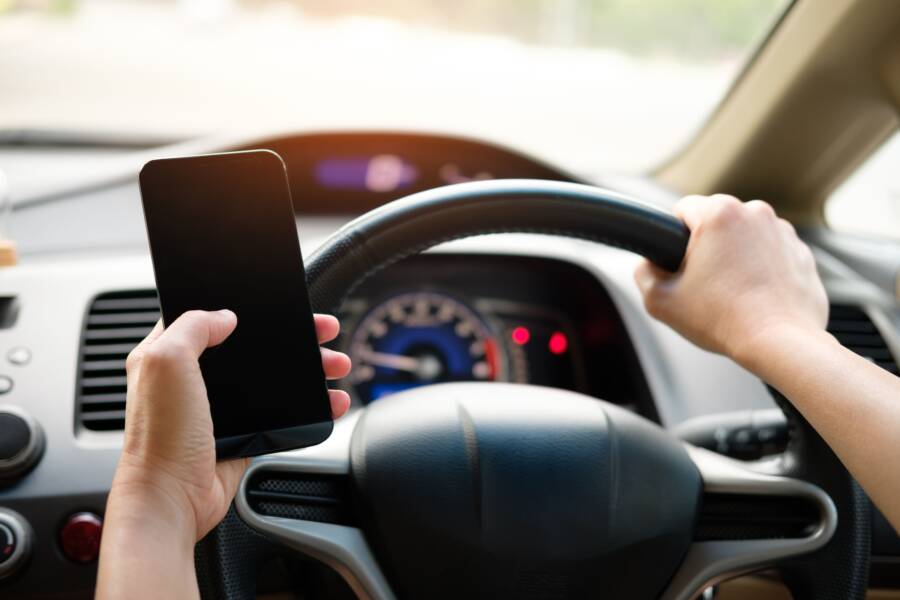
If your smartphone stops broadcasting navigation prompts through your car speakers, the issue is often a misconfigured Bluetooth profile or a simple software glitch. You likely have your audio output set to media-only mode, which ignores voice guidance from apps like Google Maps or Waze.
This guide provides simple steps to restore your connection on both iOS and Android devices. By adjusting your notification settings and checking the Bluetooth handshake, you will get your directions back in seconds.
Check Your Phone Bluetooth and Navigation App Settings
When your navigation voice fails to play through your car speakers, the problem often lies in how your smartphone communicates with the vehicle. Bluetooth handles different types of data, such as phone calls and media audio. If the wrong profile is active, your phone might send audio to the wrong place or keep it silent during turns. Checking these settings ensures that your device treats navigation prompts as high-priority media.
Verifying Bluetooth Audio Output Profiles
Your smartphone separates audio tasks into distinct Bluetooth profiles. If the media audio profile is disabled for your car, navigation prompts will not transmit to the speakers. You must confirm that these permissions are active in your device settings.
To check these settings on Android:
Open your phone Settings and tap Connected devices.
Find your car in the list of paired devices and tap the gear icon next to its name.
Look for the toggles for Phone calls and Media audio.
Ensure both switches are turned on.
On an iPhone, the process is slightly different because iOS manages these connections automatically. If you experience issues, go to the Bluetooth menu in Settings and tap the info icon (i) next to your vehicle name. Toggle the Show Notifications option off and then back on to refresh the handshake. You might also need to tap Forget This Device and re-pair your smartphone to reset the connection profiles entirely.
Adjusting Navigation App Voice Guidance Settings
Even with the correct Bluetooth settings, your app must be configured to send audio over the car connection. Most navigation apps include a specific toggle to play voice prompts over a Bluetooth channel. Without this, your phone may attempt to play sound through its internal speaker while ignoring the active Bluetooth link.
For Google Maps users, open the app and tap your profile icon. Select Settings, then choose Navigation settings. Locate the setting labeled Play voice over Bluetooth and make sure it is enabled. If this toggle is off, your phone will fail to interrupt your music or podcast audio when a turn-by-turn instruction occurs.
Apple Maps handles this similarly, though it relies on your system-wide voice settings. Within the Apple Maps settings menu under Spoken Directions, ensure that the Directions on Radio toggle is active. This forces the smartphone to treat navigation instructions as a phone call or media stream, which causes the car to pause music playback momentarily. These internal settings are just as important as the main Bluetooth connection for a reliable, audible experience on the road.
Troubleshooting Connection Conflicts and Software Glitches
Sometimes, your smartphone maintains a stable Bluetooth link for music, yet it fails to broadcast turn-by-turn navigation instructions. This discrepancy usually stems from a minor communication error between your device and the vehicle infotainment system. You can often resolve these glitches by refreshing the connection handshake or clearing outdated cache files. These troubleshooting steps typically fix audio routing issues without requiring specialized technical knowledge.
Toggling Bluetooth and Restarting Your Smartphone
Turning your connection off and back on is the most effective way to clear temporary glitches. This action forces the phone to re-establish its handshake protocol with your car, which often fixes silent navigation prompts. You should start this process by opening the quick settings menu on your smartphone.
Turn off Bluetooth on your smartphone and wait for about ten seconds.
Power off your phone completely and restart it to clear active memory.
Once the phone finishes booting, navigate back to your settings.
Toggle Bluetooth back on and wait for the device to reconnect with your car.
This brief cycle resets the communication layer between the two systems. If the navigation audio remains absent, the issue likely resides within the stored profile data rather than the connection status itself.
Deleting and Re-pairing Your Device
Corrupted cache files sometimes interfere with how the car recognizes your smartphone for specific audio tasks. When toggling the connection fails, removing the existing pairing profile is the standard fix. This action forces the system to treat your phone as a brand-new device, rebuilding the profile from scratch.
Follow these steps to perform a clean pairing:
Open the Bluetooth settings menu on your car display and on your phone.
Select your vehicle from the phone list and choose the option to Forget or Unpair.
Delete the phone entry from the car infotainment system as well to ensure a clean slate.
Restart your phone one more time before putting it into pairing mode.
Initiate a fresh search on your car display and follow the on-screen prompts to connect the devices again.
When you reconnect, your phone might ask for permission to access contacts or message history. Grant these permissions, as they are sometimes linked to the overall Bluetooth profile stability. A fresh pair clears out any lingering bugs that prevent your phone from successfully handing off voice navigation data to the speakers.
Understanding Car Audio Source Priorities
Your car infotainment system manages multiple audio inputs simultaneously. It must decide which signal takes precedence when navigation apps and music players compete for your speakers. Most modern vehicle systems prioritize incoming phone calls over media playback to ensure safety. This feature is known as the Hands-Free Profile.
The Role of Hands-Free Profile in Navigation
Navigation apps often exploit the Hands-Free Profile (HFP) to guarantee you hear directions. By mimicking a phone call, the application forces the car to interrupt your current media stream. Your car interprets this data as an urgent communication rather than background music. Once the audio signal finishes, the car returns your speakers to the original source.
This behavior is helpful if your vehicle otherwise ignores navigation prompts. You might see your phone screen display a call from your own number or from “Bluetooth Audio” during a navigation instruction. This is not a malfunction. It is a specific routing method the app uses to command the audio channel.
If you struggle to hear your navigation, consider how your smartphone manages these priority levels:
The smartphone identifies the navigation prompt as a high-priority event.
The HFP connection creates a temporary virtual call to the car speakers.
Your infotainment unit pauses your music or radio to play the voice guidance.
The system restores your previous audio source after the instruction ends.
Some car audio systems allow you to adjust the volume of these “calls” independently. If the volume is too low, you might miss your turn while the music continues to play. Check your car’s primary audio settings menu to find the HFP or call volume slider. Adjusting this level ensures your phone navigation is audible even when your media volume is set to a low or moderate level.
If your smartphone lacks the proper HFP permissions, the car may block these signals entirely. Always verify that your connection settings allow the device to manage phone call audio. A stable Bluetooth link is necessary for this process to work reliably across different vehicle brands.
Common Questions About Bluetooth Navigation Issues
You might wonder why your smartphone fails to play directions while your music works perfectly. These audio conflicts occur because modern vehicles treat navigation prompts and media as separate data streams. Understanding how your device handles these connections helps you resolve issues faster without needing professional help.
Why do I hear my music but not my map directions?
This happens because your car infotainment system prioritizes the music channel over the navigation channel. Sometimes, the navigation app does not trigger the necessary audio interrupt command. Your smartphone might be sending directions to the phone speaker instead of the car Bluetooth system. Check your app settings to ensure the voice guidance is set to play over the Bluetooth channel.
Does my smartphone need a specific update to fix audio?
Software bugs in your operating system occasionally interfere with Bluetooth stability. Manufacturers release updates to fix these communication errors between cars and mobile devices. Always check if a newer version of your mobile software is available in the settings menu. Installing these updates often restores the missing handshake required for turn-by-turn audio.
Can old car infotainment systems cause these navigation problems?
Older car audio systems struggle with newer Bluetooth standards used by modern devices. You may find that your older vehicle lacks the software to manage multiple audio inputs at once. If your car system cannot handle simultaneous calls and media, consider using an auxiliary cable as a reliable alternative. This connection bypasses the Bluetooth limitations entirely for clear navigation audio.
Does the volume level on my car affect voice guidance?
Your car controls different volume levels for calls, navigation, and music. If you notice your directions are silent, you might simply have the navigation volume turned down too low. Try increasing the volume while the navigation voice is speaking. Many vehicles lock the volume adjustment to the active audio source, so timing is important when you make this change.
These common issues often stem from simple configuration errors rather than broken hardware. Checking these specific settings usually restores your audio performance immediately. Regular maintenance of your Bluetooth profile keeps your connection stable during your daily drive.
Conclusion
Restoring navigation audio is usually a matter of correcting small configuration gaps in your apps or Bluetooth settings. Focus first on confirming that your smartphone has permission to stream media or phone-call audio to your vehicle. Checking these software settings solves most audio failures without complex hardware interventions.
Always keep your device operating system updated to prevent future connection bugs. Regularly installing updates ensures your phone maintains a stable handshake with your car infotainment system. Try these simple software adjustments before you consider a factory reset of your vehicle audio.