She Pressed Play on a Strange Audio Track and Within Days Her Financial Reality Started Shifting in Ways She Could Not Explain
>>> See How It Works <<<

Imagine waking up to a notification that a hacker has tried to sign into your email account from a distant city. It happens more often than you think, especially when passwords are weak or recycled. Two-factor authentication on your phone adds a second wall that stops most intruders, even if they guess your password. This post shows you how to set it up quickly on your smartphone so you stay one step ahead.
Two-factor authentication, or 2FA, means you need two proofs to prove it’s you: your password and a temporary code sent to your phone. It’s a simple shield that blocks hackers who manage to get your password. The benefits are clear: it blocks access if your password is compromised, protects your main accounts like Apple ID or Google, and reduces the impact of data breaches. In this guide you’ll find practical steps you can follow today to enable 2FA on both major platforms.
We’ll cover two paths to get you there. For iPhone users, you’ll learn how to enable 2FA in your Apple ID settings and fortify your iCloud access. For Android users, the setup 2FA Android process helps secure your Google account and linked services. Along the way, you’ll pick up quick tips to keep your mobile data safer and simpler to manage. Ready to add this extra lock?
Why Add Two-Factor Authentication to Your Phone Right Now
Two-factor authentication (2FA) adds a second line of defense to your accounts. It makes it much harder for thieves to get in, even if your password is stolen. With most attacks now shortcutting passwords, turning on 2FA on your phone is one of the smartest security moves you can make today. Below you’ll find practical reasons to enable 2FA right away, plus quick references to trusted sources that explain how it works and why it matters.
She Pressed Play on a Strange Audio Track and Within Days Her Financial Reality Started Shifting in Ways She Could Not Explain
>>> See How It Works <<<

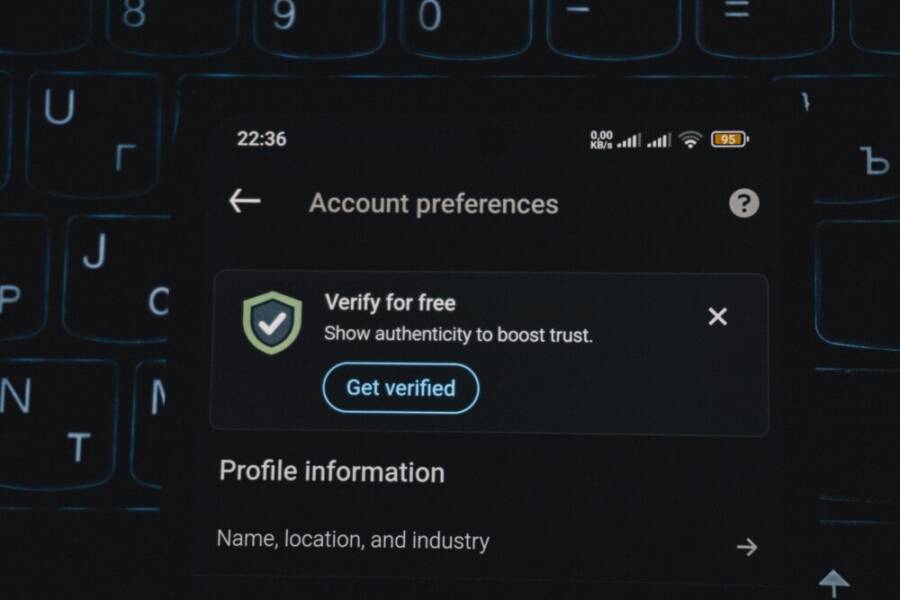
Photo by Zulfugar Karimov
There Is a Frequency That the Wealthiest Families Have Used for Generations and Most People Will Never Know It Exists
>>> Open the Door <<<

What is 2FA and why it matters
Two-factor authentication requires two proofs of identity. Usually, that means your password plus a temporary code from your phone or an authentication app. This extra step blocks most login attempts that rely solely on stolen credentials. It’s particularly effective against phishing and credential stuffing, where attackers still fail even when they have your password.
- Protection in practice: If a hacker has your password, they still need the second factor to access your account. This drastically reduces unauthorized sign-ins.
- Key benefits: Blocks access during data breaches, strengthens critical accounts like Apple ID or Google, and minimizes damage from credential theft.
To understand the broader impact, consider how 2FA reduces automated attacks. In 2025, 2FA blocks nearly all bot-driven login attempts, with only a small fraction slipping through. The high-level takeaway is clear: turning on 2FA dramatically lowers your risk. For more on how it works and its advantages, see expert overviews from trusted providers.
- Learn more from: Two-Factor Authentication Statistics: First Line of Defence
- Explore trends and real-world impact: 2025 Multi-Factor Authentication (MFA) Statistics & Trends
- How 2FA protects you: Two-Factor Authentication (2FA): What it is, how it works
Immediate benefits of enabling 2FA on your phone
Enabling 2FA on your phone yields tangible benefits you can feel quickly.
- Harder to compromise: Even if a password leaks, you still need the second factor to sign in.
- Better protection for daily services: Email, cloud storage, banking, and social platforms all gain an extra shield.
- Less risk from phishing: Many phishing attempts fail when a second factor is needed.
- Cost-effective security: The setup cost is minimal, and the long-term savings from prevented breaches are substantial.
If you manage multiple accounts, the added security compounds. With a single 2FA setup on your primary devices, many linked services gain stronger protection by default. This reduces the chance that a compromised service will cascade into others.
For a deeper dive into practical benefits and how to choose an authentication method, see authoritative sources such as ESET and Fraud.com.
- More on benefits from: 10 Benefits of Multi-Factor Authentication
- Why 2FA is important for fraud prevention: Two-Factor Authentication (2FA) – Why use it?
Real-world impact: data breach prevention and numbers you can trust
Numbers help you see what 2FA delivers in the real world. In 2025, data shows that when 2FA is enabled, the majority of automated attacks fail. More importantly, a large share of breaches could be prevented if more users and organizations adopted 2FA across key services.
- Automated attack blocking: 2FA prevents about 99.9% of bot-driven login attempts.
- Password-only risk: Over 99.9% of hacked accounts do not have 2FA enabled, illustrating how powerful this extra step is.
- Breach prevention potential: Experts estimate that widespread 2FA use could stop a large portion of cyberattacks, saving billions in breach costs.
- Adoption gaps: A sizable share of workers still operates accounts without 2FA, especially outside major organizations.
- Cost efficiency: Implementing 2FA is inexpensive relative to the cost of a data breach.
These figures emphasize a simple truth: turning on 2FA now reduces risk across your most valuable accounts. You don’t have to wait for a full organizational rollout to protect yourself. Start with your personal accounts and expand from there.
- For more context on effectiveness and trends: Two-Factor Authentication Statistics: First Line of Defence
- Broader MFA trends and benefits: 2025 Multi-Factor Authentication (MFA) Statistics & Trends
Quick-start: what you’ll need to set up 2FA on your phone
Getting started is simple and fast.
- A smartphone with a working internet connection.
- Access to the account you want to protect (Apple ID, Google account, or other major services).
- A method for receiving the second factor, such as an authenticator app (Google Authenticator, Authy, or Microsoft Authenticator) or a hardware security key.
- Basic familiarity with your device settings.
If you’re unsure which 2FA option to pick, start with an authenticator app. It works across most services and doesn’t rely on SMS, which is more prone to interception. When you set up 2FA, you’ll follow prompts to link the app to your account and confirm your second factor.
- Trustworthy setup guidance: What is 2FA and how it works
- Practical MFA guidance and benefits: 10 Benefits of Multi-Factor Authentication
In the next section, you’ll see how to enable 2FA on iPhone and Android step by step, so you can protect your most-used accounts without delay.
Get Your Phone Ready Before Enabling 2FA
Before you flip the switch on two-factor authentication, take a moment to prep your device. A little prep work now saves headaches later and makes the setup smoother. Think of it as tuning your smartphone for a security upgrade. Below are practical steps to get your phone ready, plus quick checks that keep the process fast and reliable.
Update your device and apps
Keeping your phone’s operating system current is the first line of defense. Updates patch security flaws and improve compatibility with authentication methods. Do the following:
- Check for OS updates and install any available patches.
- Update your authentication apps (Google Authenticator, Authy, Microsoft Authenticator) to the latest version.
- Ensure you have adequate storage and enough battery life for the setup process.
If you plan to use an authenticator app, updating ensures smooth QR code scans and reliable code generation. For guidance on how updates strengthen 2FA, see reputable overviews from major providers.
What If the Only Thing Between You and the Life You Deserve Is a Hidden Wealth Code Waiting to Be Activated
>>> Open the Door <<<

- Learn more about Apple’s 2FA steps: Two-factor authentication for Apple Account
- Explore how authenticator apps work and why they matter: The best authenticator apps and how they work
Choose your primary 2FA method
There are a few solid options, each with its own pros. Pick the method that fits how you use your phone day to day.
- Authenticator apps: Generate time-based codes on your phone. They work offline and don’t rely on SMS.
- SMS verification: Handy if you don’t want to install an app, but less secure due to SIM swap risks.
- Hardware security keys: The strongest option for high-value accounts, best used with compatible devices.
For most users, a trusted authenticator app plus a backup method (like SMS or a hardware key) provides both convenience and security. If you’re unsure, start with an authenticator app and keep paper backup codes in a safe place. For Android users, you can enable MFA with the Google app or Google Settings, then add an authenticator for ongoing protection. For iPhone users, Apple’s official path reinforces the same idea with your Apple ID.
- Refer to step-by-step setup for Android: Turn on 2-Step Verification – Android
- For a general setup overview on iPhone: Two-factor authentication for Apple Account
Prepare your accounts list
Make a quick inventory of the accounts you want to protect first. Prioritize high-risk or high-value services such as email, cloud storage, banking, and social platforms. For each account, gather:
- The primary username or email address used for sign-in.
- The preferred 2FA method you’ll enable.
- Backup recovery options (backup codes, secondary email, or a trusted phone number).
If you’re unsure where to start, begin with the accounts that hold the most
Step-by-Step: Enable 2FA
Easy Guide: Turn On 2FA for Android Phones
Securing your Android phone starts with enabling two-factor authentication (2FA) on the accounts you use most. This section focuses on a practical, step-by-step path to turn on 2FA for your Google account and how to choose a solid authenticator method that fits your daily routine. Think of 2FA as a second lock you carry in your pocket; it makes unauthorized access far less likely even if someone gets your password.
Why Android users should enable 2FA now
If you own an Android device, you already rely on Google services every day. Turning on 2FA adds a critical layer of defense for your Google account, which in turn protects Gmail, Drive, Photos, and any apps linked to your login. The second factor can be a code from an authenticator app, a hardware key, or a prompt on your phone. In practice, 2FA reduces the risk of credential theft and phishing by forcing a second proof of identity.
- Stronger protection for essential services: Email and cloud storage are often the first target in breaches.
- Better resilience against phishing: Even if attackers steal your password, the second factor blocks access.
- Flexible options: You can start with an authenticator app and add a backup method later.
For a quick overview of why 2FA matters for Android users, see the official guidance from Google and independent security sources.
- Read about enabling 2-Step Verification on Android: Turn on 2-Step Verification – Android
- Learn how Google Authenticator fits into 2FA on Android: Get verification codes with Google Authenticator – Android
Choose a reliable 2FA method for everyday use
There are several solid options. Your choice depends on convenience, the devices you own, and how you sign in most often.
- Authenticator apps: Generate time-based codes on your phone. They work offline and do not rely on SMS. This is the most common choice for Android users.
- SMS verification: Simple to set up, but less secure due to SIM swap risks. Consider this as a backup method rather than your primary 2FA route.
- Hardware security keys: The strongest option for high-value accounts. They work with compatible devices and provide a physical second factor.
For most people, an authenticator app plus a backup method delivers a great balance of security and convenience. If you’re new to 2FA, start with an authenticator app such as Google Authenticator or a reputable alternative. You’ll gain portability and stronger protection without extra hardware.
- Trusted app options and guidance: The Best Authenticator Apps for 2025
- Alternative opinions on providers: Best authenticator app that is not Google
Quick-start checklist before you begin
Before you jump into the setup, collect a few essentials to streamline the process.
- A smartphone with a stable internet connection.
- Access to your Google account and the password you use to sign in.
- An authenticator app installed on your device, or a hardware security key if you have one.
- A backup option, such as recovery codes or a second verification method, in case you lose access to your primary 2FA method.
If you’re unsure which path to take, start with an authenticator app. It works across most services and reduces exposure to SIM-based threats. You can always add a backup method later.
- Setup reference for Android: Turn on 2-Step Verification – Android
- General overview for iPhone users as cross-check: Two-factor authentication for Apple Account
Step-by-step: Enable 2FA on Android
Follow these practical steps to turn on 2FA for your Google account from an Android phone. The process is straightforward and designed to minimize friction.
- Open your Google account settings. You can access this from the Google app or via a web browser by signing into your Google account and navigating to Security.
- Under “How you sign in to Google,” select “Turn on 2-Step Verification.” If prompted, sign in again.
- Choose your primary second factor. If you’re using an authenticator app, select “Authenticator app” and scan the QR code shown on the screen with your app.
- Set up a backup method. Add an SMS verification number or a hardware security key if you have one.
- Save your backup codes in a secure place. These codes help you regain access if you lose your phone.
During the setup, Google may prompt you to verify the second factor immediately. Complete that step to confirm the method works. If you’re using an authenticator app, you’ll see a rotating code every 30 seconds that you’ll need to
Conclusion
Enabling two factor authentication on your phone adds a reliable, extra layer of protection for your most important accounts. It dramatically reduces the risk of unauthorized access even if someone knows your password, and it works well with both popular platforms and diverse devices.
The path is simple: choose a primary 2FA method, set up a backup option, and keep recovery codes in a safe place. Using an authenticator app on your smartphone is the most practical and secure choice for daily use, with hardware keys as a strong backup for high value accounts. With a quick setup, you gain peace of mind and a faster route to safer daily logins.
Take action now. Turn on 2FA for the services you use most, then extend coverage to other accounts over the next days. Share this approach with friends and family so they protect their own data too.
Your accounts are safer when you lock them with a second factor. Start today, stay vigilant, and enjoy the confidence that comes with better online security.
Thousands of People Were Struggling With Money Until They Discovered This One Ancient Secret Hidden in Sound
>>> Unlock It Now <<<
