A memory sticks with a family caught in a sudden power outage after a weekend storm. The house goes quiet, lights flicker, and the fridge hums down to a sigh. In seconds, calm turns to uncertainty. The simplest move is to have an emergency preparedness kit within reach. It costs little, and it pays big when minutes matter. Home Depot stocks durable, low cost items that work well in a storm, flood, or blackout. This guide shows you how to assess your needs, assemble a practical shopping list, and put everything together with smart tips. Build one today and breathe easier tonight.
Why start with Home Depot items? They offer strong build quality, everyday prices, and a wide selection you can mix and match. You avoid shipping delays and complicated returns that come with online orders. You can walk the aisles and pick up what you need on the spot. You’ll also find items designed for real world use, from weatherproof gear to multi use tools. These products stand up to floods, quakes, or long blackouts. Smart shopping means looking for sales, bulk buys, and combo packs that stretch your budget.
Assessing needs first helps you tailor a kit that fits your family. Think about home size, ages, pets, and medical requirements. A one person kit won’t cover a family of four without adjustments. A realistic goal is enough supplies for 72 hours per person. That means enough water, food, and basic gear for three days without outside help. Start by noting rooms where you spend the most time and the easiest places to grab items quickly. Then move to a concrete shopping list you can pull off the shelf in minutes.
Key items you can source from Home Depot cover four core areas. Water and food basics, shelter and warmth, light and power, plus first aid and hygiene. The goal is to keep things simple, sturdy, and easy to replace. Below you’ll find practical product ideas, general price ranges, and why each item matters. I’ve noted typical aisle locations to speed up your trip. Use the list as a starting point and adjust for your household.
Why Home Depot Items Make the Best Emergency Kit
- Quality you can trust: Durable construction helps items survive rough handling or weather exposure.
- Everyday price points: You won’t pay premium for basic gear that lasts.
- Wide selection under one roof: Mix and match gear from plumbing, hardware, and electrical aisles rather than shopping many stores.
- Easy access and rapid deployment: You can grab items quickly during a stressful moment.
For emergencies, the benefits go beyond price. Weatherproof gear can keep you dry during a storm. Multi use tools reduce the number of things you carry. Simple items like duct tape and rope adapt to unexpected repairs. In a flood or quake, reliable lighting and powered devices keep communication and visibility intact. Shopping smart means prioritizing essential gear, looking for sales, and choosing versatile products that serve multiple roles. The aim is a compact kit that is still robust when conditions worsen.
Key Items to Buy from Home Depot for Your Kit
Below are must have categories with concrete ideas. Prices are general ranges you can expect to see in most Home Depot stores. Aisle notes reference where items typically live, but keep in mind store layouts vary.
- Water and sanitation basics
- Shelter and warmth gear
- Light, power, and tools
- First aid and hygiene supplies
Water and sanitation basics
- 5 gallon water storage bucket set (2 per person for rotation) — price typically $6–$12 each. Aisle: Plumbing and Hardware. These sturdy buckets keep water clean and organized.
- Water storage bags or jugs (food grade) — $5–$15 each. Aisle: Hardware or Storage.
- Bleach for water purification (unscented, 128 oz or smaller) — $2–$6. Aisle: Grocery or Cleaning Supplies depending on store.
- Water purification tablets or drops — $5–$12. Aisle: Outdoor or Emergency Preparedness.
- Trash bags, heavy duty (walnut size) — $3–$7. Aisle: Cleaning or Kitchen.
- Portable toilet options like disposable bags or small buckets with liners — $5–$15. Aisle: Household or Cleaning.
- Basic soap and hand sanitizer — $2–$6 for soap, $1–$4 for sanitizer. Aisle: Cleaning and Health.
- Toilet paper (one roll per day per person as baseline) — $0.50–$1.50 per roll. Aisle: Paper.
- Dust masks or respirators (N95 style) — $2–$10 per box. Aisle: Paint or HVAC.
Shelter, warmth, and protection gear
- Heavy duty tarps, 8×10 ft or 9×12 ft — $8–$20. Aisle: Lumber or Outdoor.
- Additional 6×8 ft tarp for porch or window cover — $6–$15. Aisle: Hardware.
- Duct tape, wide (2 to 3 inches) — $2–$5. Aisle: Hardware.
- Rope or cord, 50 ft — $5–$15. Aisle: Hardware.
- Mylar emergency blankets (4 pack) — $6–$12. Aisle: Outdoor or Emergency.
- Sleeping bags or emergency blankets if stocked — $15–$40. Aisle: Outdoor or Camping.
- Rain ponchos (adult and kid sizes) — $2–$8 each. Aisle: Outdoor or Hardware.
- Work gloves, heavy duty — $5–$15 per pair. Aisle: Hardware.
- Window sealant tape or weather stripping — $3–$12. Aisle: Hardware or Hardware Adhesives.
- Basic reflective markers or flashlights for visibility — $3–$15. Aisle: Outdoor or Lighting.
Light, power, and tools
- LED flashlights (handheld) and extra batteries — $8–$25 per light; batteries $5–$15 per pack. Aisle: Lighting and Hardware.
- Headlamps with batteries — $10–$25. Aisle: Lighting.
- Battery powered lanterns or compact solar lanterns — $10–$30. Aisle: Lighting or Emergency.
- Hand crank or weather radio with NOAA alerts — $15–$40. Aisle: Electronics or Emergency.
- Multi-tools or compact pocket tool sets — $10–$40. Aisle: Hardware.
- Small utility knives or fixed blade knives — $5–$15. Aisle: Hardware.
- Hammers, nails and basic repair kit — $5–$20 for nails, $5–$15 for a basic hammer. Aisle: Hardware.
- Tape measure, pliers and screwdrivers — $5–$15 each. Aisle: Hardware.
First aid and hygiene supplies
- Basic bandages, antiseptic wipes, and ointment set — $4–$12. Aisle: First Aid or Medical.
- Nitrile gloves (disposable) — $3–$8 per box. Aisle: Medical or Cleaning.
- Bath soap and hand sanitizer — $2–$6 per item. Aisle: Cleaning.
- Toilet paper and paper towels — $6–$12 per pack. Aisle: Paper.
- Personal hygiene items, small packs for bags — $2–$10. Aisle: Health or Personal Care.
- Basic antiseptic spray or wipes — $3–$10. Aisle: Health.
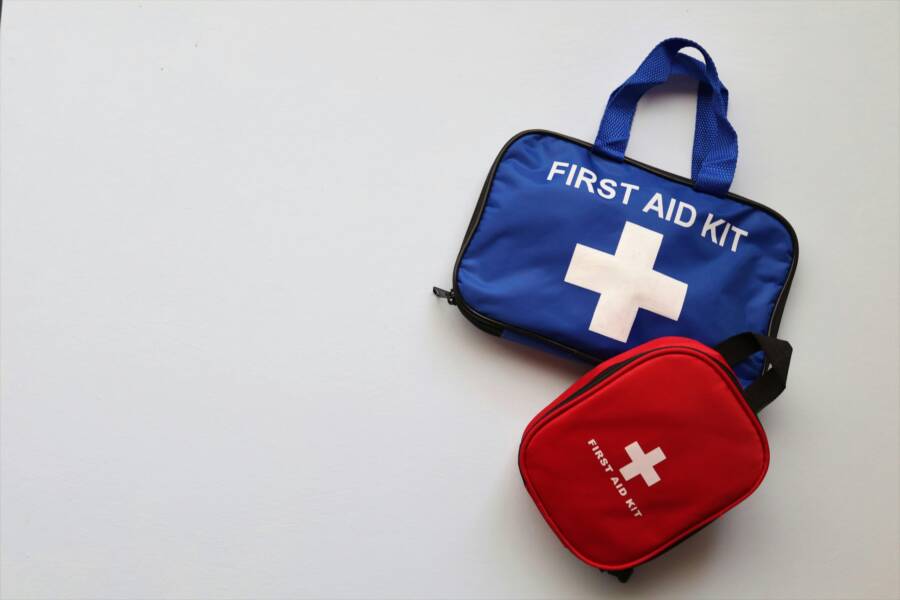
First aid and hygiene are practical in any emergency. Start with a compact kit that covers cuts, scrapes, and cleaning needs. You can add a small bottle of saline, antibiotic ointment, and a thermal blanket later if you want to expand the kit.
Water, Food, and Sanitation Basics
- 5 gallon water storage bucket for each person — fill and rotate every six months.
- Water storage bags or jugs to supplement buckets.
- Bleach tablets for water purification — a few tablets can keep water safe for drinking for several days.
- Trash bags and small bags for waste.
- Portable toilet options like bags or buckets for bathroom relief during a power outage.
- Simple cleaning supplies to maintain hygiene and reduce risk of illness.
- Focus on basic staples that last and are easy to store. Bottled water is convenient but heavier and more costly to replace over time. With proper storage, water in pails stays fresh and ready to use.
Shelter, Warmth, and Protection Gear
- Heavy tarps provide quick shelter or a windbreak when a storm hits.
- Duct tape helps seal windows or make temporary repairs on the fly.
- Mylar blankets and sleeping bags add warmth without bulk.
- Rain ponchos and gloves keep you dry and safe during cleanup.
- A few simple covers can seal doors or cover broken windows in minutes.
Light, Power, and Tools
- LED lanterns and flashlights cut through darkness without chewing through batteries.
- Extra batteries or a small solar charger keeps essential devices alive.
- A hand crank radio keeps you informed when power is out.
- A basic toolkit with a knife, hammer, and nails lets you perform small repairs.
- Simple rope and duct tape enable quick fixes and makeshift shelters.
- Carry a compact multitool for versatile everyday tasks and emergencies.
First Aid and Hygiene Supplies
- A basic kit with bandages, antiseptic wipes, gloves, soap, and hand sanitizer helps prevent infection.
- Keep a small supply of toilet paper, towels, and sanitizing wipes.
- Build a simple kit first; you can add more items as needed.
How to Assemble and Maintain Your Emergency Kit
- Gather items in a single afternoon using your list as a guide.
- Place everything in sturdy plastic bins with secure lids.
- Label each bin by category (Water, Shelter, Light, First Aid) for quick access.
- Store in a cool, dry spot such as a garage or utility room where the temperature stays relatively steady.
- Check the list twice a year. Rotate water every six months to stay fresh.
- Test batteries and flashlights to ensure they work.
- Customize the kit for kids, pets, or any medicines your family relies on.
- Use a simple checklist you can print and reuse.
A practical template helps you stay organized. Create a one page sheet with sections for Water, Food, Shelter, Light, and First Aid. Include a space to note the date of the last check and the next due date. You can place the checklist on the inside of a bin lid for quick reference. A small, wheeled cart makes the kit easy to move when you need to evacuate.
Smart Storage and Checkup Tips
- Use clear plastic bins with secure lids to protect contents from dust and moisture.
- Choose bins designed for under bed or shelf storage if space is tight, or opt for a rolling cart you can push to the car when you need to evacuate.
- Store the kit away from flood zones and direct sunlight to prevent degradation of materials.
- Create a family drill plan that assigns roles and shows everyone where to find items.
- Maintain a simple update log so you know when things were last checked or rotated.
Conclusion
An emergency preparedness kit built with Home Depot items gives your family practical protection without breaking the budget. The right mix of water storage, shelter gear, light and power options, and basic health supplies ensures you can endure the first 72 hours after a disaster with confidence. Start with a quick evaluation of your household needs, then assemble a focused list and gather supplies in a single shopping trip or two. With smart storage and routine checks, you’ll stay ready without constant fear. Head to Home Depot this week, pick up the essentials, and set up your kit in a cool dry corner of the garage. A well planned kit brings peace of mind and a sense of safety for you and your loved ones. If you can team up with a neighbor, consider a buddy system for shared shelter or supply swaps. Stay safe, be prepared, and take action now.