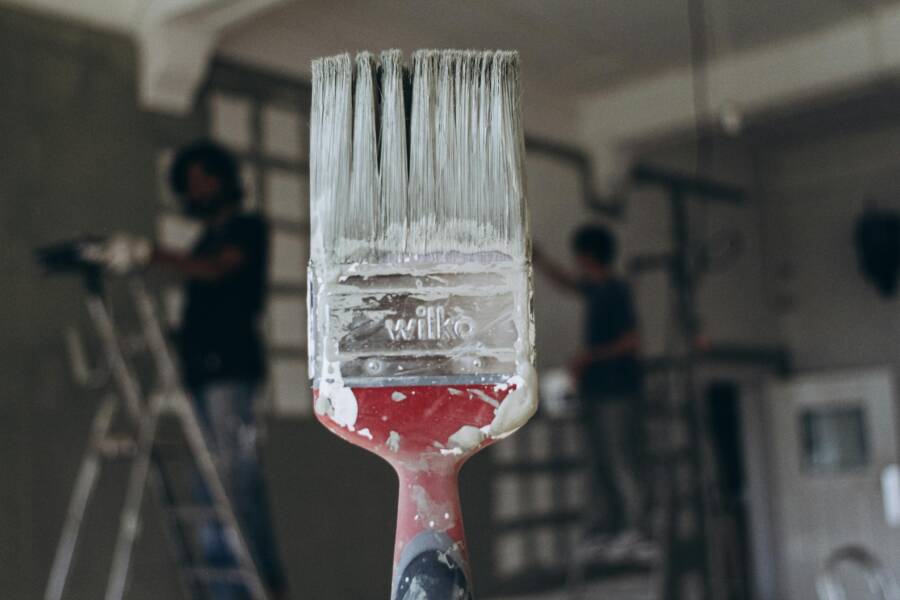
Painting a wall can transform a room as simply as it changes the light in a space. With a clear plan and the right supplies, you can finish a fresh coat in a weekend. This guide walks you through a practical DIY wall painting project using a straightforward Home Depot shopping list. You’ll learn how to pick color, prepare the space, and execute a smooth, durable finish without surprises.
A solid plan starts with a honest look at the room. Consider how natural light shifts during the day, the mood you want from the space, and how often you expect to touch up the wall. With those questions answered, you can build a focused shopping list, avoid overbuying, and stay within budget. The goal is a clean, even finish that lasts. If you’re tackling a bathroom or kitchen, you’ll want a durable, washable finish. For living rooms or bedrooms, you may opt for a softer sheen. Either way, the right primer and topcoat are worth the extra step.
Plan your color and finish, then lock in a simple shopping list. When you walk into Home Depot, you’ll find a spectrum of options, but you can keep it simple by choosing two things first: the base paint and a matching primer if your walls have stains or strong color. Sample pots are helpful for testing in small areas before you commit. With the right choice, your final result will feel cohesive and calm rather than loud or busy. A well-chosen color can brighten a room, make a ceiling feel higher, or visually enlarge a space.
Plan color and finish with intention. The plan you create now saves trips back to the store and time later on the project floor.
Plan Your Color and Finish
- Start with lighting. Natural light can alter how a color reads on a wall.
- Test in multiple spots. Put small swatches on different walls to see how they look at different times of day.
- Choose a sheen that suits the room. Flat or matte hides flaws; eggshell and satin resist fingerprints; semi gloss is easy to wipe for kitchens and baths.
- Pick a neutral base if you want flexibility. Neutrals pair with most furniture and art.
- Decide on primer needs. If you’re painting over a bold color or repairing marks, primer helps the topcoat cover evenly.
Home Depot shopping list for a successful paint job
A practical shopping list keeps the project on track. The items below cover prep, application, and cleanup. You can adjust quantities based on room size and wall condition.
- Paint and primer: latex or water-based paints are common, plus a compatible primer if needed
- Painter’s tape: for clean edges around trim and ceilings
- Drop cloths or plastic sheeting: to protect floors and furniture
- Sandpaper or a sanding block: for smoothing rough spots
- Spackle or putty for small holes and dents
- Putty knife: to apply filler smoothly
- Caulk and caulk gun: for gaps along trim
- Plastic paint tray with liner and a roller cover (3/8 inch or 1/2 inch nap for walls)
- Roller frame and extendable pole: to reach higher walls without a ladder
- Angled brush set: for cutting in along corners and trim
- Roller tray liners: to simplify cleanup
- Stain-blocking product (if needed): for tough stains or water spots
- Cleaning supplies: rags, mild soap, bucket, sponge
- Ladder or sturdy step stool: if you have high walls
- Safety gear: gloves and a small mask if you’re sensitive to fumes
- Paint cans opener and stir sticks: for proper mixing
Buying the right tools at Home Depot makes the process smoother. If you want to save time, consider a starter kit that includes a roller, tray, brushes, tape, and a small can of primer. That way you have everything in one go and avoid multiple trips.
Prep the Space
Preparation is half the job. A clean, well protected workspace makes the finish look better and lasts longer.
- Clear the room and cover the floor. Move furniture away from the walls and lay drop cloths across the surface. Secure the cloth with tape so it doesn’t slide.
- Remove hardware and light covers. Take down switch plates, outlet covers, and any wall art. This reduces edge work and protects fixtures.
- Clean walls. Dust and dirt can cause uneven texture. Wipe surfaces with a damp rag and let them dry completely.
- Repair flaws. Use spackle for small holes and dents. Let it dry, then sand smooth so the wall is even.
- Sand rough edges. Lightly scuff glossy areas so the paint adheres well.
- Tape edges. Apply painter’s tape along trim, windows, and baseboards. Press down firmly to prevent peeling.
- Prime if needed. If you’re covering a dark color, painting over stains, or painting new drywall, a primer helps the finish go on evenly.
The painting process is where your plan comes to life. With the room prepped, you can focus on clean edges, consistent coverage, and proper drying times.
The Painting Process
- Stir and pour. Mix paint thoroughly to avoid color variation. Pour into the tray while leaving a margin for clean work.
- Cut in first. Use an angled brush to paint along ceilings, corners, and edges. Work in small sections to keep a wet edge.
- Roll with intention. Dip roller evenly and roll in a W pattern to distribute paint; fill the gaps with light, even strokes. Work from top to bottom in sections.
- Maintain a wet edge. Avoid letting the first coat dry before finishing a section; this prevents lap marks.
- Apply two coats for best results. A single coat rarely delivers full coverage. Let the first coat dry per the manufacturer’s guidance, then apply a second coat.
- Check for consistent color. After the second coat sets, look for uneven patches or missed spots. Touch up as needed.
Drying times vary by paint and room conditions. In a typical room, plan for a few hours between coats and longer if the air is cool or humid. If you’re unsure, test a small area before moving to the next section.
Finish and Cleanup
After the final coat dries, remove the tape carefully to reveal crisp edges. If you see stray paint on trim, touch up with a small brush. Clean brushes and rollers right after use so the tools last longer.
- Remove tape while edges are dry or just tacky. This helps keep the line sharp.
- Inspect walls for any drips or missed spots. Sand lightly and touch up as needed.
- Clean tools. Rinse brushes and rollers with water if you used latex paint. Wring out excess water and let them dry before storing.
- Return furniture and decor. Put back switch plates, art, and lamps once the room is ready.
Time and Budget Guidelines
- Coverage and materials. A gallon of standard wall paint typically covers about 350 to 400 square feet. Primer coverage is similar, depending on the surface.
- Cost expectations. Paint usually runs from about 30 to 60 dollars per gallon, primer similar, plus the cost of tools. A complete, clean look for a small to mid-sized room can stay under a few hundred dollars if you choose midrange products and reuse existing supplies.
- Time frames. Plan for a weekend project. A single coat may take a half day with prep, a second coat adds more time, and drying time varies with humidity and temperature.
Common Mistakes and How to Avoid Them
- Skipping prep. Skipping cleaning and filling holes leads to a rough finish.
- Not protecting the floor. A clean drop cloth makes cleanup faster and reduces slips.
- Rushing coats. Let each coat dry fully before the next. Patience pays off with fewer touch ups.
- Overworking the roller. Pressing too hard creates uneven texture.
- Ignoring primer needs. Light walls with bold colors benefit from primer to ensure even color.
Why a Home Depot Shopping List Fits This Project
- Accessibility. The store carries everything you need in one trip, from paint to tape to tools.
- Clear options. You can compare products, read labels, and pick finishes that suit your room.
- Helpful services. If you want color ideas or a matching primer, staff can point you to reliable options.
- Returns and guarantees. Most items come with straightforward return policies if you change your mind during the project.
Ready to Start Your Project
- Gather the essentials first. A tidy workspace reduces stress and speeds up the job.
- Test color in small areas. A quick sample helps avoid costly mistakes.
- Work in stable weather. If you can, paint during a dry, mild period when humidity is low.
- Create a simple timeline. Set realistic goals for prep, first coat, and second coat.
Conclusion
A well planed painting project can refresh a room with minimal cost and effort. By starting with a practical color plan, building a focused Home Depot shopping list, and following a disciplined prep and paint routine, you’ll enjoy a durable, even finish. The joy of a room that feels brand new comes from clean edges, consistent color, and thoughtful touches along the way.
If you’re ready, map out your color scheme today, list your supplies, and schedule a painting window. A fresh wall can change how you feel in a room and how you use it. It’s a small project with a big payoff.
What you gain from this approach goes beyond the walls. You sharpen a practical skill, gain confidence in home projects, and create a space that suits your daily life. Share before and after photos to motivate others and to track your own progress. When you finish, take a moment to admire the clean lines and the quiet energy the color brings to the room.
If you’d like more tips on selecting colors, choosing the right finish, or planning future projects, I’m here to help. A thoughtful paint job is a chance to improve comfort and enjoyment in your home.