A sturdy bench you can finish in a weekend starts with smart planning and the right lumber. This guide shows you how to build a simple bench using readily available Home Depot boards. It’s a practical project that yields a reliable seat for entryways, porches, or a garden corner. You don’t need fancy tools or special wood. With careful measuring and solid fasteners, you’ll have a bench that lasts.
In this plan you’ll get clear cut lists, step by step instructions, and finishing tips that help you avoid common mistakes. The result is a timeless piece that fits with many styles, from farmhouse to modern. Let’s start with what you’ll need.
Materials and Tools You Need
Choosing the right lumber makes the build easier and stronger. For a 48 inch long bench, you can use common pine or softwood, which is affordable and easy to work with. If you prefer a tougher look, use a hardwood top or a thicker frame.
- Lumber (approximate quantities for a 48 inch bench)
- 2×6 boards for the seat supports and rails (4 pieces, 48 inches each)
- 2×4 or 2×6 boards for the legs and cross braces (4 legs, 24 inches tall, plus braces)
- 1/2 inch plywood or 2×6 boards for a solid seat (optional if you want a smooth top)
- Fasteners
- 2 1/2 inch wood screws (galvanized for outdoor use)
- 1 1/2 inch wood screws for internal connections
- Wood glue
- Sandpaper
- 120 grit for initial smoothing
- 220 grit for final finish
- Finishing supplies
- Exterior urethane, polyurethane, or outdoor spar stain
- Wood conditioner if you’re staining
- Tools
- Tape measure, pencil
- Miter saw or circular saw with guide
- Drill/driver with bits for pilot holes
- Orbital sander (optional but helpful)
- Clamps to hold parts during assembly
- Optional hardware
- Corner braces for extra stability
- Non-slip pads for the legs if you’ll use the bench on a smooth floor
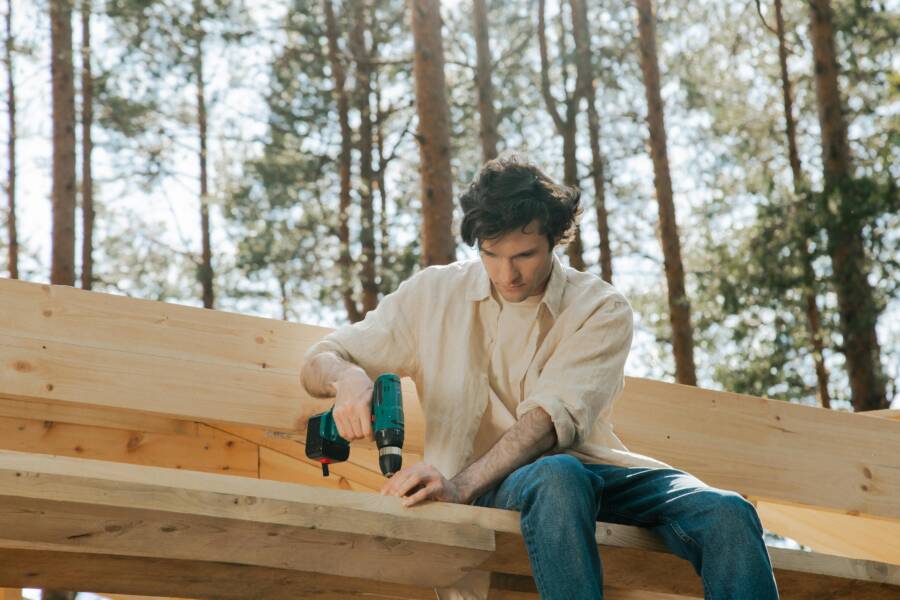
Photo by Mehmet Turgut Kirkgoz

Photo by Mehmet Turgut Kirkgoz
Cut List and Planning
Planning reduces waste and saves time. A 48 inch bench is versatile for most spaces, and you can scale it to fit your nook if needed. Here’s a simple cut plan that keeps things straightforward.
- Seat supports: two 2×6 pieces, each 48 inches
- Side rails: two 2×6 pieces, each 40 inches (these sit under the seat and run along the length)
- Legs: four pieces, 24 inches tall
- Bracing: two pieces, 24 inches long to connect legs and stop wobble
- Seat surface: if you’re using boards for the top, three 2x4s or 2x6s cut to 48 inches each, spaced evenly
Tips for efficient cutting:
- Use a scrap piece as a depth stop to keep consistent cuts.
- Mark your cut lines clearly and group pieces by type to stay organized.
- If you’re aiming for a smooth top, consider using plywood and a solid frame under the seat.
Before you cut, confirm the finished height you want. A typical indoor bench sits between 17 and 18 inches high. If you’re making an outdoor or entryway bench, 17 inches is comfortable for most people. You can adjust the leg length to match your space, but keep the seat width at about 48 inches for a sturdy feel.
Step-by-Step Assembly
A clean, simple build keeps the process enjoyable. Follow these steps in order to assemble a sturdy bench without surprises.
- Prepare the parts
- Sand the cut edges lightly with 120 grit sandpaper to remove splinters.
- Dry-fit pieces. Lay out the legs, rails, and side supports to ensure everything lines up.
- Build the frame
- Start with the two long side rails. Attach the two 48 inch seat supports to each rail using screws and wood glue. Space them evenly so the top boards will lie flat.
- Turn the frame over and add a cross brace between the legs at the lower end. This brace stops wobble and adds rigidity.
- Attach the legs
- Position the legs at the frame corners. Predrill holes to prevent splitting, then drive screws through the rails into the legs.
- Check the frame for square. A quick trick is to measure diagonally from corner to corner; equal measurements indicate a square frame.
- Add the seat
- If you’re using solid boards for the seat, lay them across the top with small gaps between boards for drainage if the bench will be outdoors.
- If you’re using plywood, attach it to the top with screws along the edges, ensuring a clean, flat surface.
- Secure the seat with screws that go into the frame from underneath. Use glue at each contact point for extra strength.
- Finalize the assembly
- Wipe away any glue squeeze-out and let the bench dry.
- Lightly sand any rough areas and round sharp edges for a comfortable touch.
- Optional hardware touches
- Add corner braces at the joints for extra durability.
- Install non-slip pads on the bottom of each leg to protect hardwood floors and keep the bench steady on slick surfaces.
If you prefer a quicker route, you can substitute a solid top with a single wide board, but you’ll want to ensure it’s properly supported to avoid warping.
Finishing Touches for Longevity
Finish protection is the key to a bench that lasts, especially if it sits outdoors or in a high-traffic area.
- Choose a finish based on where the bench will live. An outdoor sealant or spar varnish with UV protection helps resist sun and rain. For indoor use, a warm stain followed by a clear top coat looks great.
- Apply in a well-ventilated area. Follow the product’s directions for recoating times.
- Consider a light stain only if you want to highlight the wood grain. For a natural look, clear finishes work well.
- Don’t skip sanding between coats. It helps the next layer adhere and smooths any raised fibers.
Maintenance basics:
- Wipe the bench with a damp cloth to remove dust.
- Refinish every couple of years if it’s outdoors or after heavy use indoors.
- Check screws and joints periodically and tighten if needed.
Budgeting and Time
This project is friendly to most budgets and timelines. If you’re buying starter materials, the total cost will ride with lumber prices and finish options. Pine is typically affordable and easy to work with, which makes it a popular choice for first time woodworkers. If you choose a more durable hardwood or prefinished boards, your cost will rise, but the bench will last longer with less upkeep.
A weekend is a realistic target for most DIYers. You’ll spend a few hours cutting and assembling, followed by a couple of sessions for sanding and finishing. If you’re rushing, you can complete the build in one longer day, but many people prefer to spread the steps over two days to allow finish coats to cure fully.
Variations to Fit Your Space
A bench should feel right in its space. Here are a few easy tweaks you can try.
- Longer or shorter
- Change the seat length to fit a specific doorway or porch. A 42 inch or 60 inch bench works well in different layouts.
- Backless or with a back
- A back adds comfort for longer sits. For a simple variant, angle the backrest slightly and attach it to the rear rail.
- Storage solutions
- Add a lower shelf or a hollow space under the seat for shoes or cushions. Use a plywood panel to enclose the storage area for a cleaner look.
- Outdoor ready
- Use exterior-grade screws, weather-resistant finishes, and pressure-treated lumber to extend life outdoors.
Quick Tricks to Improve Results
- Dry fit first: It saves rework and improves accuracy.
- Use a batten or spacer when attaching the seat boards to ensure even gaps.
- Invest in a decent finish. A good top coat makes a world of difference in appearance and durability.
- Keep it simple: A straightforward build is usually the most satisfying. If you’re new to woodworking, this bench is a great confidence booster.
Maintenance and Care Guidelines
A bench that lasts is easy to care for. Here are practical tips.
- Regular cleaning helps, especially for outdoor benches. Wipe down with a damp cloth and mild soap.
- Inspect joints every season. Tighten screws as needed and reapply finish if you notice wear.
- Protect from harsh weather. When possible, keep the bench under cover or bring it indoors during winter months, especially in climates with heavy rain or snow.
- Use coasters or cushions on the seat to reduce wear and keep it looking good longer.
Conclusion
A simple bench built from Home Depot lumber offers a satisfying blend of practicality and style. With a straightforward cut plan, solid joinery, and a finish that suits your space, you’ll have a piece that feels sturdy and well made. This project is approachable for first time woodworkers while still producing a durable result for seasoned DIYers.
If you’re ready to turn raw boards into a reliable seat, gather your materials, set up your workspace, and follow the steps above. A weekend of careful work can yield a bench you’ll enjoy for years. Start with the basics, and you can always add your own touches later, whether that means a curved back, a hidden storage area, or a custom stain that matches your home.
Would you consider this bench for an entryway or a patio corner? Share your space and any tweaks you plan to try. A small project like this can spark bigger ideas for your next woodworking adventure.