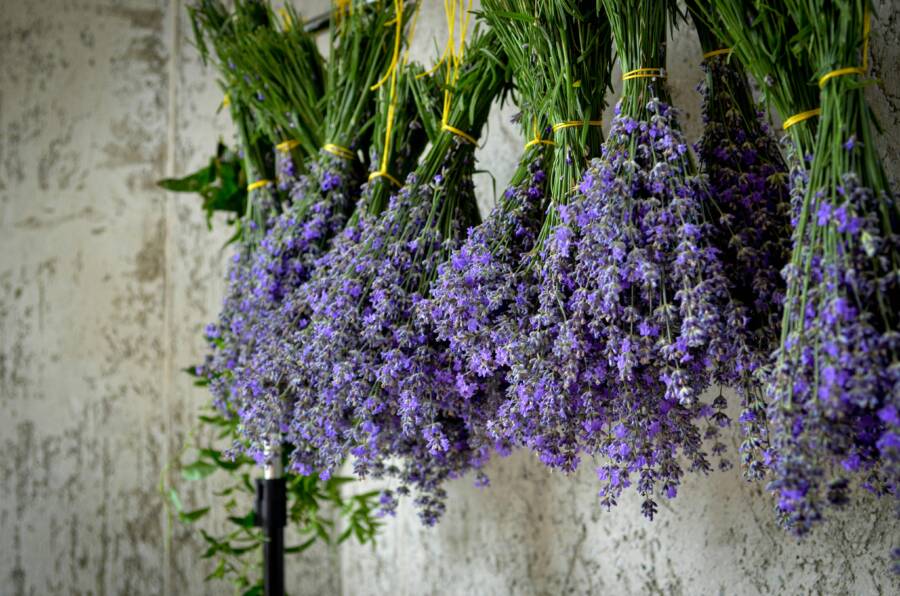
A fresh herb garden is closer than you think. With a few sturdy supplies from Home Depot, you can build a compact raised bed that fits almost any outdoor space. The payoff is immediate—basil for pasta nights, rosemary to scent the air, and parsley for garnish, all within arm’s reach. This guide keeps things simple, practical, and repeatable, so you can get growing fast.
Photo by Centre for Ageing Better.
Photo by Centre for Ageing Better
Why a raised herb garden makes sense
Raised beds offer steady soil, reliable drainage, and easy access. Herbs prefer well-drained soil and plenty of sun, and a raised bed helps you control both. You’ll spend less time bending and more time harvesting. A compact design is ideal for balconies, patios, or small yards. With the right parts from Home Depot, you can assemble a sturdy setup in a weekend.
A key advantage is weed control. When you fill a bed with fresh soil and compost, you start with a clean slate. Mint, thyme, and oregano tolerate a range of conditions but thrive when roots stay warm and soil stays evenly moist. The result is an herb garden that grows more vigorously with less effort.
Design options: choosing the right raised bed
Your space determines the best approach. Here are practical choices to consider:
- Material: Cedar wood beds are durable and natural looking. Metal or powder-coated options can be lighter and give a modern touch. Choose a height that reduces bending if you want easier access.
- Size: A 3×4 foot bed covers a good amount of herbs without overwhelming a small space. For balconies, consider a compact 2×3 foot bed or deep containers on a stand.
- Drainage: Pre-drilled beds with a bottom liner work well. Add a layer of landscape fabric to prevent soil from filtering into the drainage layer.
- Location: A sunny, south or west-facing spot brings the best performance for most herbs. If you’re limited to partial sun, select sun-happy varieties like basil and thyme and group shade-tolerant herbs nearby.
A simple layout works nicely. Put high sun herbs such as basil and rosemary along the center or back for maximum light, and place thyme, oregano, and chives toward the front for easy access when cooking.
Photo cue: a well-chosen bed setup makes daily care quick and enjoyable.
(If you’re viewing images on the site, this is a friendly reminder to pick visuals that match the plan above.)
Planning your Home Depot shopping list
A smooth build starts with a clear list. Here are the essentials you’ll find at Home Depot, with practical notes to keep you on track.
- Raised bed kit or building materials: A cedar kit or a simple frame that you assemble on site.
- Hardware and fasteners: Exterior screws, corner brackets, and a moisture-resistant sealant if you choose wood.
- Soil mix and compost: A high quality potting mix plus organic compost creates a fertile base.
- Drainage and amendment options: Perlite or coco coir to improve drainage and air space.
- Mulch or decorative rock: Helps retain moisture and keeps weeds down.
- Irrigation basics: A drip irrigation kit or soaker hose, plus a timer if you want automation.
- Plant markers and labels: Easy to identify herbs as they grow.
- Starter plants or seeds: Basil, parsley, cilantro, thyme, oregano, rosemary, chives, and mint.
- Tools: Hand trowel, pruners, gloves, watering can.
- Optional extras: A small trellis for climbing herbs like oregano varieties, seed starting trays if you plan to start from seed.
A practical approach is to buy the bed, soil, and mulch first, then add irrigation and plants as you finalize your layout. This helps keep costs predictable and lets you adjust as you go.
Soil, drainage and bed filling
The health of your herbs starts with the soil. Use a mix that drains well yet holds enough moisture for frequent watering. A simple formula works nicely:
- 60 percent high quality potting soil or compost-rich mix
- 40 percent compost for nutrients
- A splash of perlite or coco coir to improve drainage and air pockets
Begin by laying a base layer of small stones or broken pottery near the bottom to aid drainage. Add a thin landscape fabric if you’re worried about soil mixing with a base layer. Fill the bed evenly, then water lightly to settle the mix. The goal is moist but not soggy soil.
Herbs appreciate consistent moisture. Check weekly and adjust watering based on sun exposure and weather. A drip kit makes this easier and keeps leaf tips from turning brown.
Planting guide: which herbs thrive in raised beds
Start with a mix of culinary staples and a few favorites. Here’s a practical planting plan for a typical 3×4 bed:
- Basil: Sunny, warm spot. Pinch off tips to encourage branching and more flavor.
- Parsley: Sun to partial shade. Plant in clusters for easy picking.
- Cilantro: Tolerates partial shade; tends to bolt in heat, so harvest frequently.
- Thyme and oregano: Drought-tolerant and sun-loving. Plant near the front for easy snipping.
- Rosemary: Needs sun and well-drained soil; a pot-friendly option if your bed stays moist.
- Chives: Slow spreader, great for borders and easy to pull for garnish.
- Mint: Best kept in its own contained area to control spreading. If you keep it in the bed, use a root barrier.
Plant herbs in groups that share water needs. Space plants according to label guidance, giving each herb enough room to grow without crowding. It’s fine to start with a few starter plants and add a few more as you see how the bed fills in.
Watering and irrigation made easy
Consistency wins with herbs. A built-in drip system or a simple soaker hose helps you water deeply without wetting every leaf. A basic hose-end timer simplifies routine watering, making your herbs easier to care for during busy weeks.
Tips to optimize watering:
- Water early in the day to reduce fungal issues and sun scorch.
- Check the soil an inch below the surface; if it’s dry, it’s time to water.
- Mulch lightly after planting to reduce evaporation and regulate soil temperature.
If you don’t want to install irrigation, a lightweight watering can with a fine rose works well for smaller beds. It’s a good way to develop a feel for how much water each herb needs.
Care, harvest and maintenance
Herbs are forgiving plants, and smart pruning keeps them productive. A few simple habits make a big difference:
- Harvest often: Regular snipping encourages compact growth and more leaf production.
- Pinch back basil and mint to prevent leggy growth and to promote bushier plants.
- Remove spent flowers on herbs like basil and cilantro to extend harvest time.
- Watch for pests and treat early with simple, garden-friendly methods such as manual removal or a light spray of soapy water.
Keep an eye on mint. It can become aggressive if left unchecked. If you’re growing it in the bed, consider trimming back and rotating it to a corner with a root barrier so it doesn’t overrun other herbs.
A weekly check is enough for most home setups. If you notice wilting despite watering, investigate soil drainage and root health. A compact bed makes this easy to diagnose.
Season extension ideas
You can stretch the growing season with proactive steps. A lightweight row cover over the bed shields herbs on cooler nights. In late fall, you can bring containers indoors or into a sunny sunroom to keep a few plants thriving.
If you live in a climate with light frosts, you can also move your raised bed to a sheltered location during chilly spells. A small cloche or cold frame can be a good upgrade for more persistent herbs like thyme and rosemary.
Budget friendly tips and time savings
Fresh herbs don’t have to break the bank. Here are some smart moves to keep costs down and gains up:
- Start with a simple bed kit and a few starter plants. You can add more herbs as you get comfortable with care routines.
- Use a mix of seeds and starter plants to balance cost and reliability. Seeds let you expand once you know your space, while established plants give quick returns.
- Reuse containers when possible. A few large pots on a stand can replicate a raised bed on a balcony.
- Choose durable, weatherproof materials for long life. A cedar bed offers natural resistance to the elements and looks good in any yard.
Even with a modest budget, you can create a productive herb garden that lasts for years. The key is planning, simple routines, and care that fits your schedule.
Quick setup guide: bringing it all together
- Choose a sunny corner and measure the space.
- Select a bed size and material that fits your spot.
- Install a drainage layer and fill with a soil mix tailored for herbs.
- Plant herbs with spacing that matches their peak growth patterns.
- Add mulch and install a simple irrigation plan if you want automation.
- Label each herb so you can trace harvests and plan meals.
A neat layout helps you keep everything organized. With a little regular care, you’ll be harvesting fresh herbs in a few weeks.
Final setup and ongoing care
Once your bed is in place, it’s all about routine. Water consistently, prune as needed, and track what thrives in your climate. If you notice a herb slowing, give it a little extra space or rotate it to a sunnier spot. A well-tended bed becomes a reliable source of flavor for weeknight dinners and weekend projects alike.
Remember to keep the area around the bed tidy. Remove fallen leaves and spent stems to reduce disease pressure and keep pests in check. With a solid plan and the right Home Depot supplies, your raised herb garden can be a source of pride and enjoyment for seasons to come.
Conclusion
A DIY raised herb garden is a practical, rewarding project that fits small spaces and busy schedules. With thoughtful planning, the right materials from Home Depot, and a simple care routine, you’ll enjoy fresh herbs within reach and on your own schedule. Tailor the bed to your space, fill it with a smart soil mix, plant a mix of herbs you actually cook with, and set up a light watering routine. Your kitchen countertop will thank you with brighter flavors and a constant supply of greens.
Photo by Centre for Ageing Better.
Photo by Centre for Ageing Better
If you found these steps helpful, share your own layout ideas or a photo of your herb bed in the comments. Tell us which herbs you grow first and what meals you love to season with them. And if you’re ready for a more ambitious project, we can plan a companion garden for vegetables and edible flowers next.