Plants bring life to any room, but a crowded window ledge and mismatched pots can steal the focus. A thoughtfully built plant shelf using items from Home Depot lets you display greenery, herbs, and small treasures in a clean, organized way. It’s affordable, customizable, and surprisingly quick to complete over a weekend. This guide walks you through planning, sourcing, building, and decorating a plant shelf that fits your space and taste.
From the moment you start, you’ll see how simple materials and a clear plan can turn a bare corner into a living, growable gallery. You’ll learn how to choose the right height, select sturdy shelves, and add drainage and lighting without dragging in complicated tools. By the end, you’ll have a stable, stylish display that makes every plant feel at home.
Planning the perfect plant shelf
Before you hammer a nail, map out your space. A well designed plant shelf does more than hold pots; it creates momentum in a room.
- Measure the area: Note the width, depth, and available floor space. If the spot is narrow, a slim ladder shelf may fit better than a wide bookcase.
- Decide on height and tiers: Consider how tall your tallest plant is and how often you’ll rotate pots. Three to five tiers are enough for most living rooms and kitchens.
- Plan drainage and moisture: Indoor plants need drainage not to leak onto floors. You’ll want a tray or waterproof shelf base beneath each pot, plus a little space for air flow.
- Think about lighting: Proximity to natural light varies. If the location gets bright, you can place sun lovers on top. If it’s a low light corner, reserve the top for sturdy, low light species.
Sourcing materials at Home Depot
Home Depot offers a range of affordable, durable options that suit DIY enthusiasts of all levels. The key is to pick components that are easy to assemble and can handle the weight of moist soil and plant pots.
- Frame and supports: Look for metal or wooden uprights that you can cut to length. Steel brackets provide strong support for heavier pots, and wooden uprights make for a warm, natural vibe.
- Shelves: Choose shelves that are at least 12 to 14 inches deep so you have room for large pots and decorative accents. Material options include pine, birch plywood, or metal shelving if you want a more industrial look.
- Supports and fittings: You’ll need brackets or shelf pins depending on the shelving you choose. Make sure they’re rated to hold the weight you expect.
- Drainage and waterproofing: A shallow tray under the bottom shelf protects the floor. Consider a weather resistant sealant for the edges if you plan to keep the shelf near a humid area like a kitchen or bathroom.
- Finishing touches: Sandpaper for smoothing, wood stain or paint for a finished look, and inexpensive felt pads to protect floors.
Step by step: build and install
A practical plan helps you move fast without risking mistakes. Here’s a straightforward workflow to assemble a sturdy plant shelf.
- Build the frame
- Cut uprights to your desired height, using a handsaw or a power saw. If you have a specific room height in mind, add 1 to 2 inches for clearance.
- Attach horizontal supports at even intervals. Use wood screws for wood frames or metal brackets for a metal frame. Pre drill to prevent splitting.
- Add shelves
- Align each shelf with the supports and secure them with screws or shelf brackets. Space the tiers evenly to balance the visual weight across the shelf.
- If you’re using metal shelving, follow the manufacturer’s assembly instructions. Ensure all shelves sit level before you proceed.
- Create drainage and protection
- Place a thin, shallow tray on the bottom shelf or beneath each pot to catch excess water. This keeps your floor clean and makes watering less of a risk.
- If you’re placing the unit on a slick floor, add felt pads to the legs. This reduces shifting and protects the surface.
- Finish and seal
- Sand rough edges, then apply your chosen finish. Wood can be stained in a light oak or walnut to highlight grain. If you prefer a modern look, paint in a neutral color like white, gray, or black.
- Let the finish dry completely before arranging plants. A fresh coat of sealant helps, especially in humid spaces like kitchens.
- Arrange plants and accessories
- Start with larger plants on the bottom and work upward with smaller varieties. This creates a layered effect that feels balanced.
- Use a mix of leaf shapes and textures. A few trailing vines add movement, while compact succulents provide structure.
- Add decorative items sparingly. Small planters, framed photos, or a wooden figurine can personalize the shelf without clutter.
A ready-to-display example
Once you have the frame and shelves in place, a practical arrangement helps you visualize what works. On the bottom shelf, place a tall fiddle leaf fig or rubber plant in a big pot with a smart, decorative outer container. The middle shelf can hold several medium pots, including a string of pearls and a couple of leafy greens. The top shelf is ideal for bright, compact plants and a touch of personality such as a ceramic sculpture or a small stack of books. Balance color with white planters and a neutral tray to keep the look cohesive.
Styling ideas that elevate the display
The beauty of a plant shelf lies in its versatility. A few simple ideas can transform the vibe of the whole room.
- Run a theme through color: Use pots in three complementary tones, like sage green, terracotta, and cream. Keep the color for the containers consistent to unify the space.
- Mix textures: Combine ceramic pots with woven baskets and metal troughs. The contrast adds depth and interest.
- Add height differences: Use stands or risers on some shelves to create varying heights. It helps plants feel less crowded and makes the display more dynamic.
- Include practical accents: A small watering can, a moisture meter, or a mini trellis for vines can be both decorative and useful.
Image inspiration
[image]
Photo by William Warby
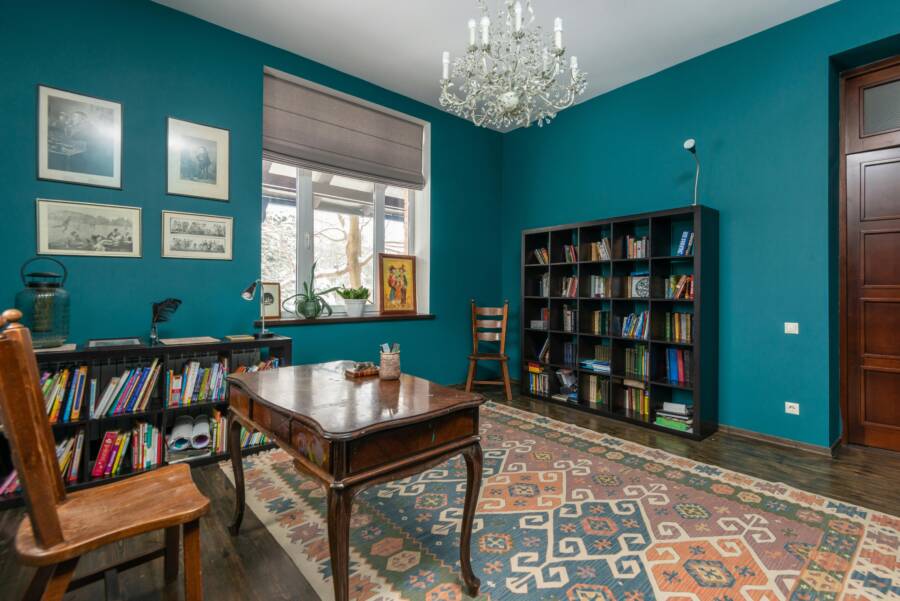
This image captures a playful, sustainable approach to plant display. It highlights the idea that reusing items or choosing quirky containers can make your setup feel personal and fun without sacrificing stability.
Practical tips for plant health
A beautiful shelf is also a healthy shelf for your plants. A few straightforward tips keep greenery thriving.
- Choose the right plants for light levels: In bright spots, go for fiddle leaf figs, pothos, or philodendrons. In dim corners, opt for snake plants orZZ plants that tolerate low light.
- Water correctly: Check soil moisture before watering. Overwatering is a common mistake on shelves where excess water can drain onto the floor.
- Provide airflow: A shelf that sits away from walls and windows helps plants dry evenly and reduces the risk of mold.
- Rotate plants: Every few weeks, rotate pots so all plants get light on all sides. This helps them grow evenly and stay robust.
Cost and time considerations
A DIY plant shelf from Home Depot is budget friendly. Here’s a practical estimate to help you plan.
- Materials: Depending on the size and finish, expect to spend between $80 and $180. A bigger frame with high quality shelves may lean toward the upper end.
- Tools you might need: A screwdriver, a drill, a saw for precise cuts if you’re adjusting the frame length, and sandpaper for a smooth finish.
- Time commitment: If you already have some basics at home, you can complete the project in a weekend. A careful two day plan helps you move at a steady pace without rushing.
Maintenance and upkeep
A shelf that lasts longer needs a simple care routine.
- Clean the shelves every few months with a damp cloth to remove dust and soil particles.
- Check fittings and screws annually. Re tighten any loose hardware to keep the unit stable.
- Refresh the plant lineup as seasons change. Swap in new textures and colors to maintain a fresh look.
Variations to suit your room
Every space is different, and small changes can tailor the shelf to your needs.
- Wall mounted option: If floor space is tight, a wall mounted frame protects the floor and adds a sculptural element to the room.
- Rustic vibe: Use reclaimed wood for a warm, earthy feel. A simple oil finish enhances the grain and tones down brightness.
- Urban industrial: Metal frames with dark finishes complement concrete floors or exposed brick walls for a modern loft look.
- Kitchen friendly: Include hanging baskets or magnetic planters for herbs. Ensure drainage is well managed to avoid mess.
A quick note on safety and stability
When you plan and build, stability is the priority. Use a level to verify that each shelf sits flat. If you have kids or pets, anchor the shelf to the wall to prevent tipping. Always place heavy pots on the lower shelves.
Connecting with your space
A plant shelf is more than storage; it’s a way to connect your space with nature. The right arrangement can make a small corner feel larger and a busy room feel calmer. By combining sturdy materials sourced from Home Depot with thoughtful design, you create a display that does more than hold plants. It anchors the room and invites daily care.
Where to start
If you’re ready to begin, set a simple goal. Pick a corner, measure the space, and sketch a quick layout. Then head to Home Depot to gather the essential pieces: a frame, a few durable shelves, and a shallow tray or two for moisture control. You’ll likely find everything you need in one trip, and you’ll leave with a plan that fits your timing and budget.
A closing note on creativity
The best plant shelves reflect the people who use them. They combine function with a touch of personality. It might be a favorite color, a beloved pot, or a small piece of art perched between greenery. The point is to make a greenscape that feels you. A shelf built with care invites you to slow down, water thoughtfully, and enjoy the space you’ve created.
Conclusion
A DIY plant shelf from Home Depot is a practical project with big rewards. It turns unused corners into living displays, supports plant health, and boosts your home’s style. Start with a clear plan, pick sturdy components, and let your plants lead the design. With a little time and care, you’ll enjoy a durable, attractive setup that makes every plant feel at home. Ready to get started? Gather your measurements, pick a finish you love, and bring your green space to life.
Image section

Photo by William Warby