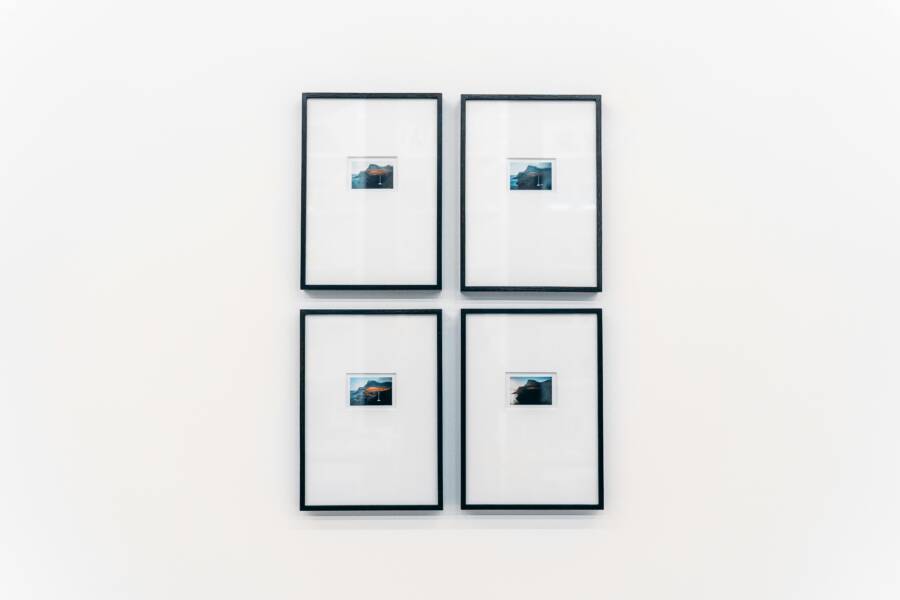
A photo display on wire is a simple, stylish way to show off memories without heavy frames. It’s easy to adjust as your collection grows, and you can build it with supplies you can grab at Home Depot in one afternoon. This guide walks you through planning, choosing the right materials, and assembling a versatile display that looks sharp in any room.
A wire and hook setup keeps walls clean and flexible. You can change photos by season or mood, and you won’t risk large holes from nails. Whether you rent or own, this approach delivers a polished gallery feel with minimal effort. Below you’ll find a step by step plan, plus practical tips to customize the design to suit your space.
Why a wire and hook display works for home walls
A wire and hook display has several strengths. It’s budget friendly compared with traditional frames and custom installations. It also offers quick changes; swap a photo, slide a new memory into place, and you’re done. The system relies on light tension rather than heavy hardware, which protects delicate walls from excess weight. And because you can space the photos at varying intervals, you can create a dynamic rhythm that mirrors your personality.
Another benefit is scalability. Start with a straight line along a bare wall and expand later with additional rows or a grid. It’s a flexible approach that grows with your collection. For busy households, this setup keeps walls lively without turning into a wall of glass.
What you’ll need from Home Depot
Here’s a practical shopping list. The aim is to keep things simple, affordable, and sturdy enough to hold framed prints and photos.
- Picture wire or stainless steel cable: Choose a length that fits your wall and reserve some extra for tension.
- Eye screws or wall anchors: Use eye screws for stud walls, or anchors if you’re mounting into drywall without a stud.
- S hooks or small clip hooks: These let you hang photos on the wire with ease.
- Turnbuckles: A few small turnbuckles help you tighten the wire and keep it taut.
- Wire cutters and pliers: You’ll use these to trim wire and secure connections.
- Tape measure, pencil, and level: Accurate measurements save you from rework.
- Stud finder: Optional but helpful for locating solid anchors.
- Optional decorative clips or clothespins: A touch of whimsy for casual displays.
A rough budget range helps you plan. If you’re shopping carefully, expect to spend around 40 to 100 dollars for all the basic items. The price varies with wall length and the type of wire you choose. The goal is a sturdy, long lasting setup that stays strong with everyday use.
Plan your layout before picking up a single screw
A well planned layout saves time and avoids wall damage. Start by measuring the space and choosing the height for the top row. A common approach is to place the first line about 60 to 72 inches from the floor for living rooms and hallways, adjusting to fit your furniture and ceiling height.
Sketch a rough plan on paper. Decide whether you want a single straight line or a grid with two or three parallel lines. If you have a large wall, two lines running parallel can create a cross room focal point. For smaller spaces, a single line with a few strategically placed photos can feel intimate without crowding the wall.
Next, map out where the eye screws will go. Space the anchors according to the widths of your photos plus a little space between each piece. A good rule of thumb is 3 to 5 inches between frames; for very small photos you can narrow the gap to about 2 inches. If you are using a grid, plan the vertical length and horizontal rows so each photo sits comfortably without looking crowded.
Mark these points with a pencil. A quick check with a level keeps things aligned. If you plan to run multiple lines, mark your wall as you would for a gallery, making sure the lines are parallel and evenly spaced.
Step by step assembly for a sturdy, attractive display
With a plan in hand, you can assemble the display in stages. Here is a clear, repeatable process that works for most rooms.
-
Install the anchor points. Drill and insert eye screws or wall anchors at each marked point. If you’re going into studs, fasten directly into wood for extra security. Drywall without studs benefits from anchors that distribute weight over a wider area.
-
Run the wire. Attach the wire or cable to the first anchor, then pull it tight toward the opposite anchor. A turnbuckle on one end lets you fine tune the tension. If you’re building a grid, run cables between multiple anchors, creating a rigid frame that holds the photos in place.
-
Tension the line. Use pliers to twist the turnbuckle until the wire feels firm but not overly tight. A slightly slack line can help absorb small shifts over time, especially in drafty rooms or on unlevel walls.
-
Add hanging hardware. Clip hooks or S hooks onto the wire at each photo point. Position hooks where you want to hang the frames. If you’re using clips, space them in line with the photo centers.
-
Hang photos. Start with the largest frame first, then fill in smaller pieces around it. Use level to ensure each item sits straight. If you have mixed media, secure heavier frames near the ends of the wire or grid to keep balance.
-
Make adjustments. Step back and view the whole display. Adjust distances and angles as needed. A little shift can make a big difference in how the gallery reads.
Design variations you can try
A few tweaks can transform a simple line into a striking feature wall. Here are design ideas that stay practical and keep costs down.
- Cable grid for a modern look: Create a square or rectangular grid by installing perpendicular wires. Leave generous spacing in the grid so the frames have room to breathe. This setup looks sharp in contemporary living rooms and home offices.
- A single line with clips: For a casual vibe, install one straight wire with simple clips holding each photo. It’s easy to rotate photos without removing any hardware.
- Mixed line lengths: If you have an irregular wall, run two or three short lines at different heights. This creates visual interest without clutter.
- Seasonal rotations: Keep a small rotating stock of photos or prints that you update regularly. Pair the wire display with a shelf or plant to refresh the scene throughout the year.
- Light accents: Add a strand of battery powered fairy lights along the wire for evenings. The soft glow enhances mood without overpowering photos.
- Frames and finishes: Use a consistent color for all hooks and wires to unify the display. Or mix metals for a curated, eclectic feel.
Safety and maintenance tips
A well built display stays safe and looks good longer. Here are practical reminders to keep things stable.
- Use the right anchors. Drywall alone can fail with heavy frames. If you’re unsure, opt for wall anchors or mount into studs. This prevents sag and keeps photos level.
- Don’t overload a single line. Check the weight rating of the wire and hooks. If you plan to hang large frames, distribute weight across multiple lines.
- Inspect periodically. A quick check every few months helps you catch loose screws, bent hooks, or sagging wire before a problem develops.
- Keep pets and kids in mind. A low set wire line can be at risk from curious hands. If you have young children, place the display higher or add a simple safety barrier.
- Protect the wall. Use small felt pads behind frames if necessary to avoid scratches as photos shift.
Styling your display like a pro
The right arrangement makes all the difference. Here are practical styling tips to elevate the look.
- Vary photo sizes. Mix portrait and landscape orientations to create rhythm. A few oversized frames anchor the display, with smaller photos filling the spaces.
- Use a color story. You can group photos by color tones or contrast. A consistent palette helps the gallery feel cohesive.
- Add personal touches. Include a small print of a ticket, a postcard, or a favorite poster. These personal items keep the display fresh and meaningful.
- Keep a rhythm. Even spacing helps the eye move smoothly from one piece to the next. If you pull back and still feel busy, remove a couple of pieces and re balance.
- Create focal lines. Place one standout photo toward the center or at an endpoint to catch the eye first.
- Clean as you go. Wipe frames and wire with a soft cloth to remove fingerprints and dust. Regular cleaning keeps the display looking sharp.
Cost and time estimates you can trust
A wire and hook gallery wall is budget friendly and time efficient. Here’s what most people experience.
- Materials: Expect 40 to 100 dollars depending on wall length, wire thickness, and the number of anchors. If you already own basic tools, the cost drops further.
- Time: A careful plan and precise mounting take about 2 to 4 hours. If you’re new to this, set aside extra time for level checks and adjustments.
- Maintenance: A quick quarterly check keeps things stable. Re tighten turnbuckles or reposition a hook if you notice any slack.
- Longevity: Quality wire and hardware from Home Depot last for many years with normal wear. A well balanced setup reduces risk of damage to photos or walls.
A simple checklist to speed up your project
- Confirm wall type and wall anchors.
- Plan layout on paper and mark anchor points.
- Install anchors and run wire with appropriate tension.
- Attach clips or hooks and test with a few sample photos.
- Hang photos in order of size and composition.
- Step back and adjust spacing and height as needed.
Using the Home Depot shopping approach
Home Depot makes this project straightforward. Look for a set of essential items in the hardware aisle. If you prefer, ask a store associate for guidance on weight limits and best anchor choices for your wall type. The store often carries pre cut lengths of picture wire, cable clamps, and turning devices that help speed up setup. You can also source decorative clips to add a personal touch. The key is to choose materials that are compatible with each other and well suited to the room you’re decorating.
Maintaining a clean, timeless look
A wall display should feel fresh rather than cluttered. Here are quick ideas to keep the display timeless.
- Limit the number of pieces per line to avoid visual overload.
- Keep a steady pace by aligning centers and edges.
- Rotate seasonal memories for ongoing interest.
- Pair the display with a nearby shelf or console to balance the space.
The value of a well placed photo display
A carefully built wire and hook display adds character without heavy frames or sacrifices. It offers flexibility to update your memories as life changes. It also creates a talking point in your home. When guests walk by, they notice not just the photos but the clean, organized presentation that supports them.
Conclusion
A DIY photo display using wire and hooks from Home Depot gives you a practical project with a big payoff. It’s affordable, adaptable, and easy to customize. With a clear plan, the right materials, and a little patience, you can transform a plain wall into a gallery that reflects your life and style. Start with a simple line, then expand as your photo collection grows. Before you know it, your hall or living room will feel personal and inviting.
If you try this approach, share a photo of your finished display. You can also tell us what you would change next time. Your experience helps others see how simple it is to create a gallery wall that fits their space.