She Pressed Play on a Strange Audio Track and Within Days Her Financial Reality Started Shifting in Ways She Could Not Explain
>>> See How It Works <<<

A calm, tidy home screen is more than looks; it shapes how you start and finish your day. When the icons and widgets are simple and purposeful, your smartphone feels like a quiet tool rather than a constant distraction. This post shows how to create a peaceful home screen that supports focus, not frenzy, with real, practical steps you can try today.
We’ll cover color choices that calm the eye, a clean layout that reduces visual noise, and gentle interactions that feel effortless. You’ll find quick setups for both iOS and Android, plus tips you can apply to any smartphone. The goal is clear: fewer interruptions and more focus as you move through your day.
If you want a smarter, calmer phone, this guide is for you. It blends straightforward adjustments with small habits that add up. Whether you’re new to smartphone customization or just chasing a less cluttered vibe, you’ll walk away with a practical plan you can implement now.
Plan a Calm Layout: Color, Wallpaper, and Icon Design
A calm home screen balances color, texture, and structure so you can focus on what matters. This section walks you through a practical plan for choosing colors, selecting wallpaper, and shaping icons so your phone feels serene rather than chaotic. You’ll get actionable steps you can try today, plus quick checks to make sure everything stays legible and comfortable to use.
Thousands of People Were Struggling With Money Until They Discovered This One Ancient Secret Hidden in Sound
>>> Unlock It Now <<<

Choose a Simple Color Palette
Start with 2–3 soft, muted colors. Think warm neutrals, gentle blues, sage greens, or dusty pastels. These tones reduce eye strain and create a cohesive look across your home screen. To implement:
- Assign a primary color to folders and top-level widgets. This anchors the layout and makes it easy to scan.
- Use the second color for accents like notification badges, selected icons, or the clock widget. This draws attention without shouting.
- Reserve the third color for subtle highlights, such as app labels on folders or the outline of a dock.
Apply these colors consistently. If you use a light wallpaper, prefer lighter variants of your chosen palette for text and icon labels. For darker wallpapers, swap to lighter accents to maintain contrast. If you want some ready-made inspiration, explore muted color palettes like these: they offer gentle combinations that work well on screens and in real life. You can browse curated palettes here: https://coolors.co/palettes/popular/muted and https://paperheartdesign.com/blog/color-palette-peaceful-palettes.
Quick test tip: view your home screen with app icons in place and check the contrast of labels against the background. If labels blend into the wallpaper or are hard to read, adjust the color for the text or choose a lighter/darker variant for the labels. A simple contrast check helps keep readability intact while preserving the calm vibe.
Pick a Peaceful Wallpaper
Wallpaper sets the mood without stealing attention from apps. For a calm layout, choose natural tones or solid, low-contrast backgrounds. Avoid busy patterns that compete with icons and labels. Consider these options:
- Natural textures like soft wood, sand, or a gentle gradient that fades from one muted tone to another.
- Solid backgrounds in your chosen color family to create a clean canvas for icons.
- Subtle micro-patterns with very low contrast if you want a bit of depth without distraction.
Readability matters. Your app labels should still be easy to read over the wallpaper, so test the wallpaper with the home screen at different brightness levels. Daylight, evening, and low-light situations can all affect legibility, so make sure your setup holds up across conditions.
If you’re hunting for wallpaper ideas, minimal and peaceful options are plentiful. Great sources include minimalist wallpaper collections and photo libraries that emphasize calm tones. For inspiration, check out minimalist wallpapers from Unsplash and Pexels, which offer a range of clean, soothing backdrops. You can start here: https://unsplash.com/s/photos/minimalist-wallpaper and https://www.pexels.com/search/minimalist%20wallpaper/.
Use Clean Icon Shapes and a Soft Grid
A calm home screen benefits from consistent icon geometry and a tidy grid. Here’s how to tighten up icon design:
- Choose rounded icons with similar sizes. Consistency reduces visual noise and makes the screen feel orderly.
- Use a clean, balanced grid. Stick to a uniform number of columns and consistent icon spacing to create a disciplined look.
- Group similar apps together. Place work apps in one section, social and entertainment in another, and utilities in a third. This minimizes scattering and speeds access.
- Keep folders simple. Label folders with short, clear names to reduce cognitive load and keep the screen visually calm.
To maintain harmony, ensure the icon outlines and fills align with your palette. If you use a colored dock, match its hue to your primary color for a seamless edge-to-edge feel.
For additional inspiration on calm color ideas and icon behavior, explore calming color palettes and their practical use on home screens. See the curated color resources mentioned earlier, and consider testing a few layouts before settling on one. If you want to broaden your options for peaceful visuals, you might find it helpful to view a wide range of calm color palettes here: https://theapplaunchpad.com/color-palettes/calm.
Example approach: create a three-zone home screen. Zone 1 for core apps with neutral icons and a light accent color, Zone 2 for productivity folders with a slightly deeper shade, Zone 3 for media and social apps in a soft, cooler tone. This arrangement keeps frequent actions visible while providing a calm, predictable rhythm as you navigate.
Tips for long-term consistency:
- Review your layout weekly. If you add new apps, consider whether they fit into an existing color group or deserve a new folder with a simple label.
- Avoid over-customizing. Too many color variations defeat the purpose of calm. When in doubt, pare back to two main colors plus a neutral base.
- Use folders with clear, minimal labels. Short names like “Work,” “Tools,” or “Media” reduce clutter and help your brain process the screen quickly.
By combining a simple color palette, a peaceful wallpaper, and clean icon design, you create a home screen that supports focus rather than distraction. A well-planned layout guides your attention to the tasks that matter and makes navigation feel almost effortless. For further reading on calming color palettes and their impact on mood and usability, you can explore additional resources linked here: https://coolors.co/palettes/popular/muted, https://paperheartdesign.com/blog/color-palette-peaceful-palettes.
If you want to see more ideas or test different looks, consider exploring additional wallpaper options and layout ideas from reputable sources that emphasize ease of use and visual balance. For minimalist wallpaper options, see https://unsplash.com/s/photos/minimalist-wallpaper and https://www.pexels.com/search/minimalist%20wallpaper/.
Declutter Your Home Screen for Peace
A calm home screen starts with a clean foundation. By removing clutter, tightening layout, and sticking to a simple system, your phone becomes a tool that supports focus rather than distraction. This section walks you through practical steps to prune unused apps, streamline widgets, and organize with thoughtful folders. You’ll feel more in control when every tap serves a purpose.
Remove Unused Apps
Set a regular cadence to review apps every few weeks. Look for apps you haven’t opened in a month or two, and remove or hide them. Keeping only what you actually use lightens the mental load and speeds navigation. A compact, purposeful screen helps you find essential tools without hunting through a sea of icons.
- Start with a quick audit: open the app drawer, scroll through, and note apps you rarely touch.
- Delete or offload apps you don’t need. If an app is useful only occasionally, consider moving it to a hidden page or a dedicated folder.
- Keep a small set of essentials front and center. Place the most-used tools in the dock or a single accessible row for rapid access.
If you want a deeper dive into the benefits of digital decluttering, see how people report improved focus and reduced stress after trimming down their apps. For context and practical ideas, you can explore resources like The Happy Space Co and Wired’s take on home screen decluttering, which offer concrete steps you can apply today: https://thehappyspaceco.com/blog/7-easy-steps-to-organize-and-declutter-your-phone and https://www.wired.com/story/how-to-declutter-your-home-screen/.
Limit Widgets to Essentials
Widgets should act as tiny, useful bursts of information, not busywork. Limit yourself to 2–3 widgets that give you the essentials at a glance. Fewer widgets mean less visual noise and a sharper focus on what matters.
- Choose a clock or calendar widget for quick time management. Pair it with a simple weather widget only if it serves a real daily need.
- If you rely on a focus timer or note widget, keep it compact and aligned with your color palette for a cohesive look.
- Place widgets in a dedicated zone or on a single screen so you can glance at them without interrupting your flow.
Remember, too many widgets can fragment attention. A clean, minimal setup keeps your home screen calm and practical. For ideas on minimal widgets and how to implement them, this article offers a clear approach to a streamlined home screen: https://medium.com/@abhaythakor2020/how-to-create-a-minimalist-home-screen-in-2025-a-step-by-step-guide-d644ea760452. You can also explore launcher options that support a clean widget experience: https://www.thehappyspaceco.com/blog/7-easy-steps-to-organize-and-declutter-your-phone.
What If the Only Thing Between You and the Life You Deserve Is a Hidden Wealth Code Waiting to Be Activated
>>> Open the Door <<<

Group with Simple Folders
Folders reduce clutter by bundling related apps together under clear, single-word labels. A predictable order helps you find what you need quickly and keeps the screen feeling under control.
- Label folders with one clear word, such as “Work,” “Tools,” or “Media.” Short labels reduce cognitive load and speed recognition.
- Keep a consistent folder order across screens. Place the most used folders where your thumb naturally rests on the home screen.
- Maintain a small number of folders. If you have many apps, consider consolidating them into broader categories to preserve calm.
A well-structured layout makes navigation feel effortless. If you want practical ideas on organizing a phone with simple folders, you can see examples and tips from helpful guides that focus on quick setup and predictable layouts: https://getorganizedhq.com/how-to-organize-your-phone/ and https://techtips.colonielibrary.org/organize-phone-home-screen/. Sharing experiences from communities can also spark new, easy-to-maintain setups, such as screen organization ideas discussed in user forums: https://www.reddit.com/r/intj/comments/101u0p4/screw_selfies_lets_share_our_phone_screen/.
By combining a light app footprint, essential widgets, and clear folders, you establish a home screen that supports peace and focus. A well-organized mobile workspace makes it easier to start the day with intention and complete tasks with less friction. If you’re curious about the broader benefits of digital decluttering, consider these perspectives on how less can be more when it comes to your tech habits: https://alltechbenefits.org/news-insights/the-power-of-digital-decluttering-a-fresh-start-for-your-tech-mind/ and https://www.lemon8-app.com/@etherealpeonies/7286715641481036289?region=sg.
Gentile Interactions and Accessibility
A peaceful home screen relies not only on visuals but on how you interact with your device. Gentle interactions reduce cognitive load, prevent sensory overwhelm, and support accessibility for every user. This section covers practical tweaks you can apply to ensure your phone responds with calm feedback, remains legible, and supports assistive features when needed. You’ll find actionable steps you can implement today, plus trusted references for deeper reading.
Soft Animations and Dark Mode
Subtle motion and gentle lighting can make navigation feel smoother and less jarring. Start by dialing back motion and employing dark mode to ease eye strain in low light.
- Prefer minimal transitions: set screens to switch with a soft, nearly invisible animation rather than bold slides. Slower, simpler motion helps your brain track changes without distraction.
- Enable dark mode for eye comfort: dark themes reduce glare and improve readability in dim environments. On many devices you can schedule dark mode to align with sunset or your personal routine. For Android and iOS, it’s often a single toggle in Display or Accessibility settings. See guides for turning on Dark Mode on your phone and maintaining consistency across devices: https://www.techtimes.com/articles/312621/20251111/how-turn-dark-mode-android-phones-better-eye-comfort-display.htm, https://help.redpocket.com/how-to-use-light-and-dark-mode-on-your-phone.
- Manage motion in accessibility settings: if you notice motion effects feel distracting, use the “Reduce Motion” option. This disables most parallax and zoom animations while keeping essential feedback intact. Apple provides straightforward steps to reduce motion on iOS devices, and similar options exist on Android. Learn more here: https://support.apple.com/en-us/111781.
Practical tip: test your home screen with a simple tap sequence. If a button press feels abrupt or the screen wobbles visually after each action, reduce the animation intensity or disable nonessential motion. A calmer feedback loop helps you stay focused on the task at hand rather than on the device’s transitions.
For a quick comparison, imagine driving in a city with a smooth, well-lit road versus one with abrupt jarring bumps. The smoother the ride, the less energy you expend on navigation. That mindset translates to your phone interactions as well.
Readable Typography
Typography shapes how fast and accurately you consume information. Clear, generous type helps you scan labels and read content without effort.
- Choose larger, clean fonts: aim for body text around 14–16 points on most screens, with titles slightly larger. A single, legible font family across the system reduces cognitive load and keeps the UI cohesive.
- Use consistent label sizes: keep app labels, folder names, and widget text uniform. Inconsistent sizing pulls your eyes in multiple directions and disrupts flow.
- Ensure high contrast: text should stand out clearly against backgrounds. If your wallpaper or color palette reduces legibility, switch to a lighter text color or a darker background. You can test contrast quickly by viewing text at typical device brightness levels and ensuring enough separation between text and its backdrop.
- Favor simple, widely supported fonts: system fonts are usually optimized for legibility and performance. If you add custom fonts, keep them restrained to avoid visual noise.
To see how typography choices impact readability in real-world setups, explore resources about readable color and type combinations. For practical examples of calm, readable type in mobile layouts, you can review general typography guidelines and mood-friendly palettes linked here: https://coolors.co/palettes/popular/muted and https://paperheartdesign.com/blog/color-palette-peaceful-palettes. These references help you select typefaces and color contrasts that stay legible in various lighting conditions.
A quick test you can perform: place a sample paragraph from your favorite article on your home screen as a note, then adjust the font size and weight until it remains comfortable to read from typical use distances. The goal is clean, effortless reading, not font drama.
Accessibility Basics
Designing for accessibility benefits everyone, not just people with disabilities. Start with universal essentials and expand as needed.
- Adjustable text size: ensure you can scale text without breaking layout. This helps readers with low vision or those who prefer larger text for longer reading sessions.
- Color contrast checks: routinely verify that text and important UI elements maintain strong contrast across wallpapers and themes. If provided, use built-in contrast checking tools or third-party checks to stay confident about readability.
- Screen reader support: enable compatibility for screen readers on the device. Ensure critical actions have descriptive labels so assistive tech can convey purpose clearly.
- Keyboard and touch navigation: verify that all interactive elements are reachable and operable with a single hand and with external devices if you use one.
In practice, you can implement these basics by keeping a simple, consistent layout and testing with accessibility features turned on. If you want deeper guidance on how to use accessibility settings on your phone, there are solid, reliable references available that walk you through enabling these options across platforms: https://www.reddit.com/r/GalaxyFold/comments/y005qg/just_found_out_you_can_achieve_iphone/ and https://support.apple.com/en-us/116203. These resources can help you confirm the steps work smoothly for your specific device.
What If the Only Thing Between You and the Life You Deserve Is a Hidden Wealth Code Waiting to Be Activated
>>> Open the Door <<<
A calm, accessible home screen isn’t about ticking boxes. It’s about providing a smoother, more predictable experience that reduces stress. When your phone responds in a friendly, readable way, you spend less energy fighting the interface and more on what matters.
External resources can offer deeper explanations and visual demonstrations:
- For reducing motion on iOS, the official support article is a solid starting point: https://support.apple.com/en-us/111781
- To learn how to enable dark mode consistently across devices, review these guides: https://www.techtimes.com/articles/312621/20251111/how-turn-dark-mode-android-phones-better-eye-comfort-display.htm
- A practical look at how to apply calm color palettes to your layouts: https://coolors.co/palettes/popular/muted
As you refine your settings, keep a single rule in mind: readability and comfort come first. Gentle feedback, thoughtful typography, and inclusive accessibility features create a home screen that feels welcoming rather than busy.
If you’d like, I can tailor this section further to reflect your preferred device mix (iOS vs Android) or include a quick, copy-paste checklist your readers can use to implement these changes in one sitting.
Make It Yours: Mood and Focus Customization
A peaceful home screen isn’t about stripping features away. It’s about molding the look and behavior of your phone to fit your day. You can tailor mood profiles, establish clear focus modes, and apply time-based tweaks that transition smoothly from work to rest. The goal is a device that supports your priorities, not one that constantly taps at your attention. Below are practical, proven approaches you can implement today to make your phone feel like a quiet, reliable tool.
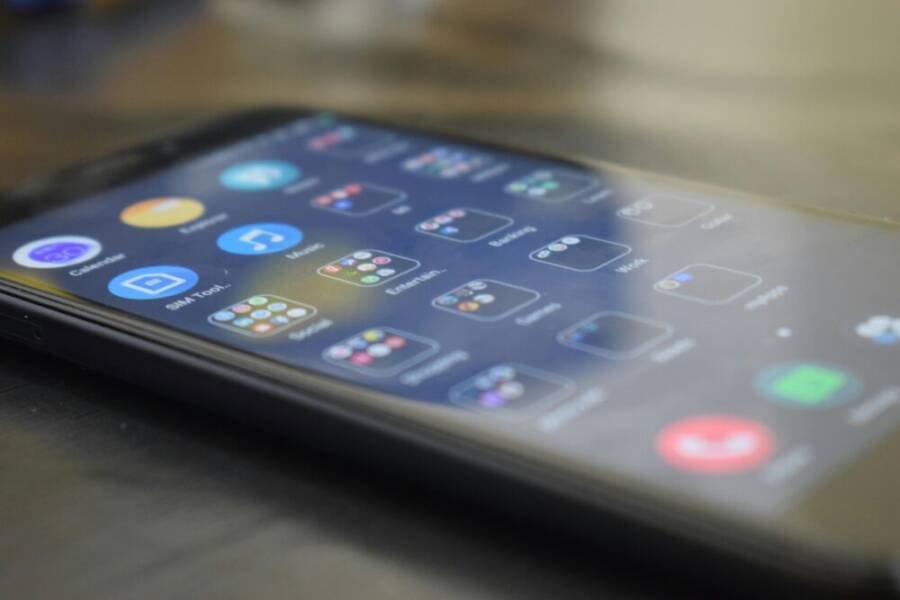
 Photo by Amarnath Radhakrishnan
Create Mood Profiles
Mood profiles are mini, switchable layouts that reflect your current activity. Work mode, home mode, and wind-down mode each get their own screen setup so you can move between them in seconds. Here’s how to build them so you can switch with ease.
- Work profile: Prioritize productivity with a clean dock, essential tools in a single row, and notifications muted on non-urgent apps. Keep focus widgets like calendar and task lists visible, but avoid adding nonessential social apps to the main screen.
- Home profile: Create a gentle, familiar feel. Use a calm wallpaper, slightly warmer color accents, and a minimal set of utilities you use during the day. Place entertainment and lifestyle apps toward the edges so they don’t intrude on tasks.
- Wind-down profile: Dim the screen, reduce color saturation, and move nonessential apps to a hidden page. A clock, weather, and simple reminders can sit in a single, low-contrast panel to guide relaxation.
To make mood profiles seamless, save the layouts as separate home screens or Focus-driven pages. On iOS, you can assign Focus modes to specific home screens or lock screens, so your mood changes with a tap. On Android, set up Focus mode or Digital Wellbeing routines that trigger after certain times or events. For inspiration on how users structure Focus-driven home screens, see discussions about Focus screens and customization here: Apple discussions and Reddit threads.
- Apple: How to set up home screens for Focus modes
- Reddit: How to separate Focus home screens
Links help readers dive deeper into platform-specific steps and real-world setups. Consider guiding readers to try a three-screen approach, then adjust as they gain familiarity. A simple testing process keeps the mood profiles practical rather than a moving target.
Helpful tip: pair mood profiles with consistent icon shapes and a restrained color palette. When your screens share a common visual language, switching between moods feels like changing gear on a bike rather than reconfiguring a whole interface.
Set Focus Modes
Focus modes are purpose-built tools that cut distractions while you work, study, or sleep. The trick is not just turning them on, but tailoring what stays visible and what disappears from view during each mode. Here’s a practical guide to using do not disturb, silence, or focus modes effectively.
- Define the interruptions you can tolerate. For work, silence emails and social alerts; for reading, mute notifications while still letting calendar alerts pass through.
- Customize which apps are allowed. Create a “critical” list for urgent communications and a separate “routine” list that you don’t want to block entirely.
- Assign home screen configurations. In iOS, you can choose which Home Screens are accessible during a Focus. On Android, Focus modes or Digital Wellbeing can similarly hide or pause apps.
A well-tuned Focus mode feels less like a barricade and more like a calm boundary. It keeps you in the moment with fewer interruptions, while still letting you catch important updates when you want them. For readers who want step-by-step platform guidance, there are ready-made tutorials and user-tested setups available from platform guides and community discussions. On iOS, Focus mode customization is frequently discussed in official and user communities; on Android, Digital Wellbeing offers a straightforward path to tailored modes.
If you want ideas that fit a busy life, try creating separate focuses for work, daily errands, and wind-down time. You can then switch quickly via a home screen tap, a widget, or a quick settings panel. The result is a phone that respects your boundaries rather than commandeering your attention.
Links with concrete steps and examples can help readers implement these modes more confidently:
- iOS focus screens and customization
- Android Digital Wellbeing Focus mode setup
The core benefit is consistent, low-stress interactions. When your device respects your focus, you break fewer tasks and drift less into mindless scrolling. A small change today can translate into noticeably steadier days tomorrow.
Time-Based Screen Tweaks
Time-based tweaks turn a good layout into a reliable routine. The idea is to automate subtle changes that align with natural rhythms—less glare during late hours, cooler tones for early mornings, and a simplified interface after you clock out. Here are practical tips you can apply by time of day.
- Dim wallpaper at night: lower brightness on the wallpaper to reduce eye strain while preserving enough contrast for readability.
- Lower widget visibility after hours: reduce the number of widgets or hide nonessential ones so the screen looks calm without sacrificing essential information.
- Lock away nonessential apps after hours: push less-used apps to a secondary page or off the main dock to minimize temptations.
Setting up automatic changes helps your phone support you passively, so you stay productive during the day and unwind more easily at night. Platforms provide built-in options to implement these tweaks:
- For iOS, you can pair time-based changes with Focus modes and scheduled wallpaper transitions.
- For Android, Digital Wellbeing and related tools support automatic adjustments based on time or location.
If you want a quick plan to start, try a simple rule set: during work hours, keep a clean, high-contrast home screen with a single row of essentials; after 9 pm, dim the wallpaper and push nonessential apps off the main screen. Readers can experiment with more refined schedules once the baseline feels comfortable.
Incorporate reliable sources for readers who want deeper guidance on automation. For iOS users, official guides and community posts offer practical walkthroughs. For Android users, Digital Wellbeing resources detail how to set up and refine Focus modes and bedtime schedules.
- iOS Focus and wallpaper automation
- Android Digital Wellbeing Focus mode setup
A practical testing tip: observe how you use your phone during a typical day of tasks and distractions. Note where you feel friction or waste time. Then tune the time-based rules to eliminate those moments. A few deliberate tweaks can yield big gains in calm, sustained attention.
Integrated image suggestions
- An image showing a calm home screen with muted colors and minimal widgets can illustrate the concept of mood profiles and time-based tweaks.
- A photo that depicts a user adjusting Focus mode on a smartphone can visually reinforce the practical steps described.
Photo credits and attribution
- Photo by Amarnath Radhakrishnan
External reading and reference links
- Create Mood Profiles: ideas for multiple screen setups and transitions
- Set Focus Modes: step-by-step setup guides for iOS and Android
- Time-Based Screen Tweaks: automation strategies for day and night use
If you’d like, I can tailor the section further to your preferred device mix (iOS vs Android) or add a lightweight, copy-paste checklist your readers can apply in one sitting.
Step-by-Step Setup Guide for iOS and Android
A peaceful home screen starts with a practical setup that fits your day. This section breaks down quick, actionable steps for both iOS and Android so you can tailor your device to support calm, focused use. Follow these steps in sequence, then tweak based on your own habits. You’ll finish with a clean, legible layout that feels like a quiet tool rather than a source of constant interruption.
iOS Quick Setup
Getting a calm, organized iPhone home screen is about choosing the right wallpaper, a readable grid, and a simple system for apps and widgets. Here’s a straightforward path you can follow this week.
- Choose a muted wallpaper: look for soft gradients, natural textures, or solid colors in your palette. This creates a calm backdrop that doesn’t compete with icons or text. Test readability at different brightness levels to ensure labels stay legible.
- Adjust display and brightness: enable True Tone if you have it, set Auto-Brightness to respond to lighting, and consider a lower brightness in the evenings. These options reduce eye strain and keep your screen friendly to your eyes throughout the day.
- Configure widgets with purpose: pick 2–3 essentials such as a clock, calendar, and a simple weather or focus timer. Place them on a single screen or a dedicated widget stack so they’re quick to glance at without clutter.
- Enable Focus modes: use a focused profile for work, another for home, and a wind-down setting for evenings. Keep notifications from nonessential apps muted during Focus periods, and allow only the most important alerts to pass through.
- Organize apps into folders: create a small set of folders labeled with concise words like “Work,” “Tools,” and “Media.” Keep the most-used apps on the dock for instant access, and avoid crowding the home screen with too many icons.
- Test and iterate: walk through your daily routine on a typical day and note where you feel friction. If you tap a dozen times to reach a tool you need, move it closer or tuck it into a simple folder. The goal is repeated actions that feel effortless.
If you want a deeper look at minimal, calm layouts on iOS, explore practical examples and designer approaches that emphasize readability and balance. For reference and inspiration, these sources offer concrete ideas and layouts that readers have found useful: a minimalist approach on Mobile Home Screens and a curated discussion of Focus-driven setups.
To broaden your options, consider trying a three-zone approach on iOS: Zone A for core tools with a light accent, Zone B for productivity helpers in a slightly deeper shade, and Zone C for media and social apps in a cooler, muted tone. This separation keeps frequent actions front and center while maintaining a cohesive, peaceful vibe. If you’d like to see concrete examples, here are some additional reads and visuals to spark ideas: Minimalist iPhone home screen ideas and Blank space layouts for calm interfaces. For a quick, image-driven guide to layout decisions, you can also check out the iOS home screen ideas hub: Zapier’s iOS home screen ideas.
Practical tip: keep a simple, repeatable setup. After two weeks, you’ll know what works and what doesn’t, and you can lock in a stable, peaceful arrangement.
Android Quick Setup
Android offers flexibility to shape a calm home screen with a restrained grid, clean icons, and thoughtful widgets. Use these steps to build a serene, easy-to-navigate layout.
- Pick a calm wallpaper: choose soft colors or natural patterns with low contrast. This keeps icons legible and reduces visual noise.
- Set grid density: a 4×5 or 5×5 grid helps you maintain a tidy layout. If you prefer fewer scrolling moments, opt for a grid that fits your most-used apps on the main screens.
- Arrange icons with intention: group similar apps together and place the most-used ones in the bottom dock or a central row for quick access. Consistent icon sizes also help reduce visual clutter.
- Select essential widgets: limit widgets to 2–3 essentials, such as a calendar, clock, and a focus timer. Keep widgets compact and aligned with your color palette for a cohesive look.
- Use a simple launcher if desired: a lightweight launcher can help you enforce a clean grid, consistent icon shapes, and fewer distractions. Look for launchers that emphasize minimal design and fast access to core apps.
- Test and adjust: regularly review your layout during a typical day. Move apps that you use most often to easily reachable spots and tuck rarely used ones onto a hidden page or folder.
If you want more Android-specific ideas, several guides assemble practical steps for organizing home screens and choosing the right launcher. For a balanced approach that readers find actionable, check out modern takeaways on Android home screen setup and organization. For example, you can explore a 2025 guide to Android home screen customization and a detailed, user-tested organization post that shows nine screens with purposeful roles. See these references for concrete steps you can implement today: Mastering Your Android Home Screen: A 2025 Guide and A Step-by-Step Guide to Customizing Your Home Screen Easily.
Short practical note: keep a single, calm grid across screens. A consistent layout makes it easy to switch tasks without reorienting yourself each time.
Tip for both platforms: aim for a uniform color treatment across icons, folders, and widgets. A single, quiet palette reduces cognitive load and helps you move through your day with fewer interruptions. If you want a quick, copyable checklist for readers to apply in one sitting, I can tailor a version that covers iOS or Android depending on your audience mix.
Conclusion
A peaceful home screen rests on calm colors, a lean app footprint, and gentle interactions. By embracing a simple color palette, minimal widgets, and clear mood profiles, you create a focused environment that supports your daily tasks rather than fights with them, whether you’re using an iPhone or an Android smartphone. Start with small, intentional adjustments and test how they feel; small updates over time compound into lasting clarity. Try a quick mood profile today, a minimal wallpaper tomorrow, and watch your smartphone become a steadier tool for work, rest, and everything in between.
Thousands of People Were Struggling With Money Until They Discovered This One Ancient Secret Hidden in Sound
>>> Unlock It Now <<<