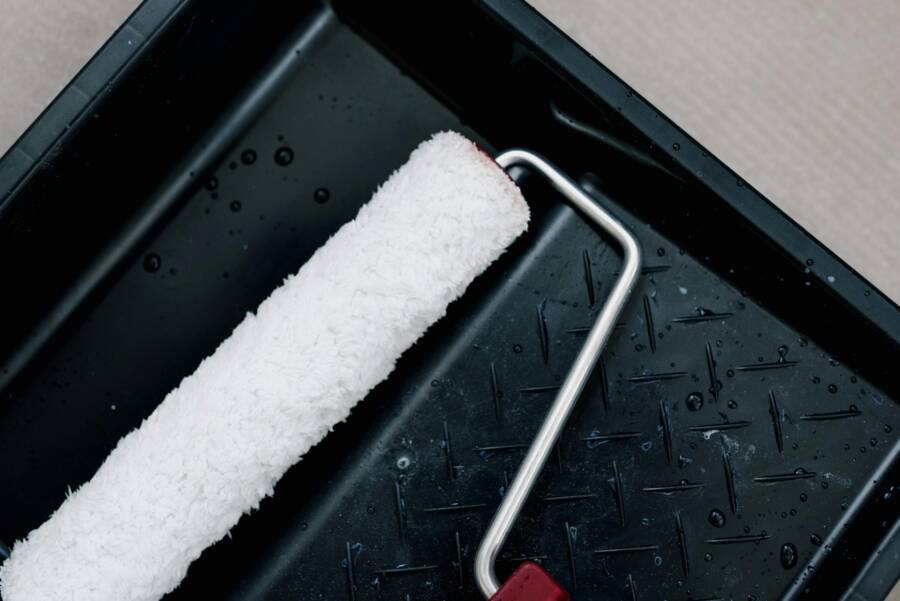
DIY projects bring color, personality, and value to a space. They also leave behind messes that can slow you down if you don’t handle cleanup right. This guide shows you how to tackle post project cleanup quickly and safely using reliable Home Depot products. From planning a cleanup kit to choosing the right cleaners, you’ll find practical steps that keep your workspace tidy and ready for the next project.
A smart cleanup approach saves time, protects surfaces, and reduces waste. It’s not just about wiping away paint. It’s about sealing the work area, protecting tools, and disposing of debris properly. With the right products and a simple routine, you can finish strong and move on to your next project with confidence.
Why a solid cleanup plan matters Cleanup often takes longer than the actual DIY work. Rushing to finish can leave stubborn stains, lingering odors, and scattered debris. A plan helps you:
- Protect your surfaces and unfinished floors from damage.
- Keep tools in good condition so they last longer.
- Reduce dust and fumes that can affect your home environment.
- Stay organized, so you’re ready for the next project.
A little prep goes a long way. Start by setting a cleanup goal: what needs to be cleaned, when, and with which products. Then gather the right supplies so you won’t have to pause to hunt for them mid cleanup.
Build a simple cleanup kit you can reuse A ready-to-go cleanup kit makes cleanup effortless. Here are core components you’ll want to stock. You can find these items in the Home Depot cleaning and painting sections.
- Protective gear: gloves, safety glasses, and a disposable coverall or apron to prevent skin contact with solvents and dusty debris.
- Cleaning cloths: microfiber rags for streak-free finishes and lint-free work. Keep a dedicated set for paints and solvents.
- Absorbent materials: paper towels, rags, and shop towels for spills, plus some absorbent pads for larger messes.
- Cleaning solutions: a versatile cleaner for general surfaces, a degreaser for greasy tools, and a dedicated paint thinner or mineral spirits for oil-based finishes.
- Scrub tools: sturdy brushes and non-scratch pads for stubborn residue.
- Water supply and containment: a small bucket, a spray bottle, and a reusable wipe bucket for messy cleanup.
- Waste bags and containers: heavy-duty trash bags and a separate container for disposal of hazardous waste if required.
Photo by Ivan S
Photo by Ivan S
A well organized kit helps you move quickly from step to step. It also reduces the chance you’ll leave a room half cleaned.
How to choose the right cleaning products at Home Depot Home Depot offers a broad range of products designed for different tasks. Picking the right one reduces effort and improves results. Use these guidelines to navigate the shelves.
- For minor dust and dirt: a mild all purpose cleaner works well on walls, baseboards, and surfaces not damaged by moisture.
- For stubborn grime: a heavy duty degreaser is effective on tools, surfaces with oil, and dirty hands.
- For paints and finishes: mineral spirits or a paint thinner handle oil based products, while water based paints are easier to clean with soap and water.
- For floors: a gentle floor cleaner that suits your floor type helps avoid dulling or damage.
- For tools and brushes: a cleaner or solvent that dissolves residue without harming tool metals extends their life.
Remember, always read the label first. Look for surface compatibility, required ventilation, and any safety instructions. If you’re unsure, test a small area before applying to a larger surface.
Cleaning up paint spills and splatters Paint is the most common post project mess. The right approach can save you from long scrubbing sessions.
- Wipe up excess paint quickly with a disposable rag or paper towels.
- For washable latex paint on walls, use warm water with a mild dish soap and a soft sponge. Rinse with clean water and dry with a microfiber cloth.
- Oil-based paints or stains require a solvent such as mineral spirits. Apply a small amount to a cloth and gently rub the stained area. Ventilate the space and wear gloves.
- For stubborn brush marks or drips, a plastic scraper can lift the paint without scratching the surface. Follow up with the appropriate cleaner for the surface type.
- After paint cleanup, wash your tools with the recommended cleaner to prevent residue hardening inside brush bristles or rollers.
Solvent safety and storage Solvents are effective but come with risks. Protect yourself and the home environment by following these tips.
- Ventilate the area well. Open doors and windows or use fans to move air.
- Wear protective gear. Gloves keep your skin safe, while goggles shield your eyes from splashes.
- Use only in small quantities. Start with the minimum amount needed to tackle the job.
- Store solvents upright in a cool, dry place away from heat and flames. Tighten lids after use.
- Keep containers clearly labeled. If you’re storing multiple products, use a labeled, closed cabinet to prevent confusion.
Cleaning tools and equipment after a project Tools deserve care too. Proper cleaning extends their life and keeps results consistent.
- Wipe tools immediately after use to prevent paint or solvent from drying on blades, brushes, or rollers.
- For brushes and rollers, rinse latex paints with warm soapy water, then blot and air dry. Oil-based finishes require mineral spirits followed by soap and water.
- Power tools should be unplugged before cleaning. Use a damp cloth to remove dust and wipe down surfaces that collect grime. Avoid spray cleaners near electrical components.
- Store tools in a dry place. Organize by project type for faster setup next time.
Disposal and recycling guidelines Waste from DIY projects can be hazardous or simply bulky. Handling disposal properly protects the home and the environment.
- Check local regulations for paint, solvents, and solvents containers. Some communities accept dried paint in household hazardous waste programs.
- For small amounts of paint, let it dry in a well-ventilated area before disposing of the can with your regular trash if allowed.
- Use a dedicated bag for debris from sanding, cutting, or drilling. Separate recyclable materials when possible.
- If you’re unsure how to dispose of a product, ask Home Depot associates. They can point you to the right program or disposal options.
- Recycle paper and cardboard used for packing and masking where possible to reduce waste.
Common cleanup mistakes and how to avoid them Mistakes happen. Here are easy corrections to keep cleanup efficient and safe.
- Rushing through cleanup: take a moment to sort debris and protect surfaces before you start.
- Mixing cleaners: some chemicals react badly when combined. Use one product at a time and rinse surfaces well between applications.
- Skipping ventilation: keep air moving to reduce fumes and odors. This makes cleanup more comfortable.
- Ignoring tool care: dirty tools stain surfaces and degrade results. Clean tools promptly.
A quick start cleanup plan you can use right away
- Put on protective gear and clear the area. Move objects away from work spaces to prevent accidental contact with cleaners.
- Tidy up loose debris. Use a broom and dustpan to collect dust, nails, and small scraps.
- Tackle stains and spills. Address paint or solvent spills first to prevent set and spreading.
- Clean surfaces in stages. Start with lighter cleaners on non porous surfaces, then move to tougher stains if needed.
- Clean tools and put them away. Dry brushes and rollers before storage.
- Wrap up by disposing of waste. Place used towels and paper into the correct bags or containers.
- Store leftover products properly. Reseal containers and label them clearly for future use.
Image to illustrate cleanup in action After a challenging project, a well organized cleanup makes all the difference. The following image captures the type of scene you’ll want to recreate in your space. It shows a tidy workspace with a few essential cleanup products arranged on a bench, ready for use.
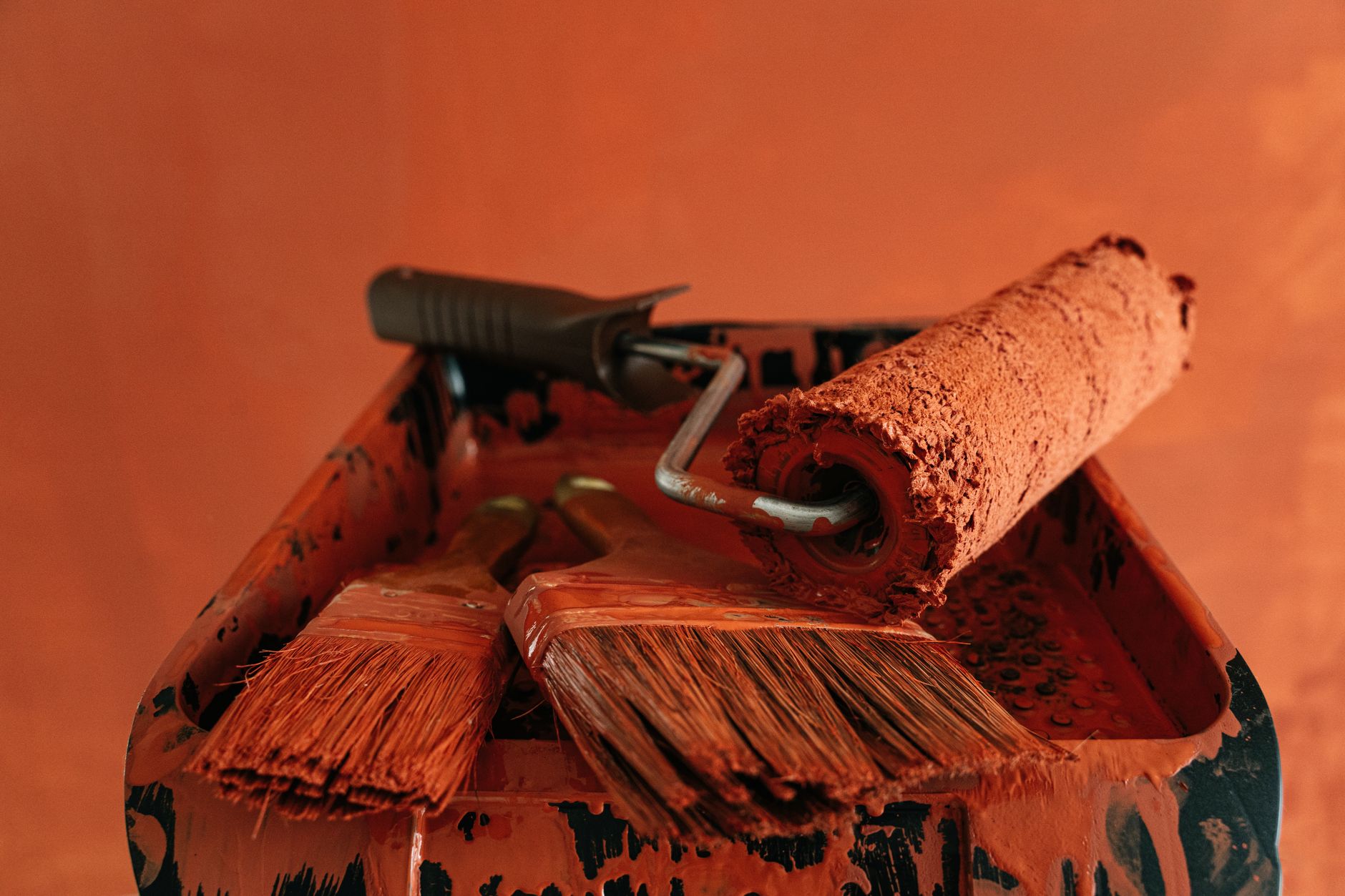
Photo by Ivan S
Putting it all together: a practical workflow for homeowners A steady workflow helps you move from messy to spotless with less stress. Here’s a simple, repeatable routine you can adapt to any project.
- Before you start: gather your cleanup kit, select the cleaning products for the job, and plan where waste will go.
- During the project: do small cleanup tasks between steps. Wipe surfaces as you finish a section, and keep tools organized.
- After the project: perform a full cleanup, then inspect for any missed spots. Store supplies and dispose of waste responsibly.
Why Home Depot products fit a homeowner’s cleanup plan Home Depot products are designed for real world use in homes. They balance effectiveness with user safety and straightforward instructions. A few reasons this makes cleanup easier:
- Availability: easy to find in stores or online, so you can restock quickly.
- Clear labeling: you won’t guess how to use them, which reduces mistakes.
- Versatility: many cleaners work on multiple surfaces, saving money and space.
- Support: store associates can help you pick the right product for your surface and project.
A note on surfaces and finishes Different surfaces ask for different cleaners. Here are quick guidelines to avoid damage:
- Painted walls: avoid harsh solvents that could pull color from the surface. A mild cleaner with water usually works best.
- Wood surfaces: use products formulated for wood to prevent warping or finish damage.
- Metal: for oxidized spots or rust, a specific rust remover or degreaser may be appropriate, followed by a protective finish.
- Tiles and stone: use cleaners labeled safe for stone or tile to avoid etching or dulling.
Integrated safety considerations Safety is not an afterthought. It should guide every decision from product selection to storage.
- Ventilation matters. Open windows and run a fan when using solvents.
- Kids and pets: keep cleaners out of reach. Store them in a locked cabinet after use.
- Protective gear: gloves and eye protection aren’t optional for solvents or caustic cleaners.
- Reading labels: this is how you prevent misuse and injury.
Practical tips for busy homeowners
- Label everything. A simple label on each bottle saves time if you’re juggling multiple projects.
- Create a dedicated storage area. Keep all cleanup supplies in one place to speed up your workflow.
- Use dust sheets and drop cloths effectively. Reuse them when possible after washing according to the product’s guidelines.
- Clean in logical zones. Group tasks by surface type or room to avoid backtracking.
Final thoughts: turning cleanup into a strength A successful DIY project ends with a clean, organized space. You’ll save money by reusing tools and supplies and protect your home’s interior and surfaces. The more consistent you are with your cleanup routine, the quicker you’ll be ready for the next project.
Conclusion Cleanup isn’t a separate task you finish and forget. It’s part of the project itself. The right Home Depot products give you the tools to tidy up effectively, protect your surfaces, and store materials safely for future use. By planning a simple kit, following safe practices, and sorting waste correctly, you’ll keep your home clean and your project momentum going strong. Start with a quick checklist, gather your kit, and approach cleanup with the same focus you bring to your DIY work. Your space will thank you for it, and you’ll be ready to tackle the next project sooner than you think.
If you found this guide helpful, share your cleanup wins in the comments. Tell us which Home Depot products you reach for after a project and how they saved you time. And if you’re gearing up for a new project, drop a note about the surface you’ll work on next; we’ll tailor cleanup tips to help you get perfect results every time.