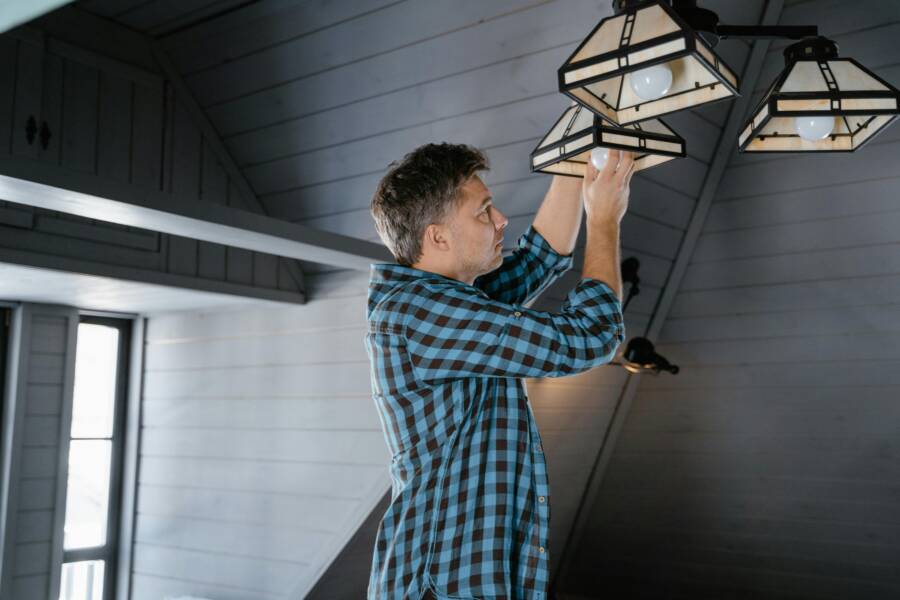
Getting the lighting right in a home project starts with the basics. Home Depot shelves are full of bulbs, fixtures, and smart options, which can feel overwhelming. The wrong choice can wash out color, waste energy, or create glare that hurts the eyes. This guide flags the biggest mistakes buyers make and shows practical fixes you can apply today.
Choosing the Right Bulbs: The Basics Home Depot Shoppers Often Get Wrong A common misstep is picking bulbs by wattage alone. Today the label that matters is lumens for brightness and watts only as a rough guide. Look for high lumens in LED form and ignore old wattage jargon. A 60 watt equivalent LED usually needs about 800 lumens, a 75 watt equivalent around 1100 lumens, and a 100 watt equivalent about 1600 lumens. These numbers tell you how bright the bulb will feel in a room.
Next, check the base type and fixture. Most Home Depot fixtures use standard E26 bases in North America, but some compact fixtures or specialty lamps need smaller bases. If the base doesn’t match, you’ll waste time and money returning products. When you’re unsure, ask a store associate to confirm base size and dimming compatibility.
A related pitfall is assuming all LED bulbs fit every fixture. Some fixtures have built in warm-up delays, small housings, or specific beam angles that affect brightness. For ceiling cans and track lighting, pay attention to the beam spread. A narrow beam can feel intense in a close space, while a wide beam works better for ambient lighting.
Color Temperature and brightness: Not all LEDs are the same Color temperature sets the room’s mood. Home Depot often labels bulbs with “soft white,” “bright white,” or “daylight,” but these terms map to a range of kelvin values. Soft white usually sits around 2700 to 3000 K; bright white around 3500 to 4100 K; daylight from 5000 to 6500 K. The right choice depends on room use.
Use cases guide your pick. Living rooms and bedrooms grow cozier with 2700 to 3000 K. Kitchens and workspaces benefit from 3500 to 4100 K for clarity without cold stare. Garages or utility areas can tolerate daylight tone for better visibility. CRI, or color rendering index, also matters. A higher CRI (85 or higher) helps colors look true in art, fabrics, and skin tones.
In practice, you’ll often find a mix of temperatures in a single home. That’s OK. The key is matching temperature to task and room. If you’re unsure, test a few bulbs in a lamp that gets regular use and compare how colors look in daylight versus inside the room.
Dimmers, switches, and compatibility: A trap for the uninformed Dimming is not optional in many rooms. It adds flexibility and saves energy by reducing voltage on demand. The mistake is buying dimmable bulbs without confirming compatibility with your dimmer switch. Some older dimmers are not optimized for LEDs and cause flicker, humming, or uneven brightness changes.
Check two things before you buy. First, confirm the bulb is labeled “dimmable” and note the dimmer type recommended by the bulb maker. Second, determine if your dimmer is incandescent-rated or universal. If it’s the former, you may need a modern LED-compatible dimmer. Home Depot often stocks dimmers and bulbs with clear compatibility notes. If you’re installing a smart lighting system, you may choose bulbs that connect to a hub or a bridge via standard Wi Fi or Bluetooth.
If you’re unsure about wiring, hire a pro. A quick consult can prevent hot sparks from awkward wiring or miswired circuits. A small upfront investment can save you from costly repairs and unsafe setups later.
Outdoor lighting pitfalls: Weather, durability, and safety Outdoor fixtures face rain, heat, cold, and sun. A landscaper may want a cheap floodlight, but if it isn’t rated for outdoor use, it will fail quickly. At Home Depot, look for IP ratings that indicate water and dust resistance. For exterior wall lanterns, choose fixtures designed to resist corrosion and include sealed gaskets.
Plan for the long haul. Outdoor lights should tolerate temperature swings and keep wiring protected. Use bulbs rated for exterior use, and avoid placing fixtures where branches or shrubs can cause heat buildup or contact with hot bulbs. Decide on warm or cool color temperatures depending on the home’s style and the landscape. Warm tones tend to blend with stone and wood, while cooler tones highlight modern facades or garden features.
Also consider security lighting. A good setup uses motion sensors or dusk to dawn options, but be mindful of glare. Too much brightness can disturb neighbors and waste energy. Position lights to illuminate pathways and entry doors without shining directly into bedrooms or windows.
Fixture placement and lighting layout: Too much or too little A room can feel off if you stack single overhead lights without a plan. The best approach uses three layers: ambient, task, and accent. Ambient light fills the space softly. Task light provides focused brightness for activities like reading or cooking. Accent lighting highlights artwork or architectural features.
Home Depot offers many options for layered lighting, including ceiling fixtures, floor lamps, table lamps, track lighting, and wall sconces. A common mistake is buying all fixtures in the same style without considering function. The result is a space that looks balanced from a catalog but feels flat in real life.
Take a quick planning step. Map the room and note high traffic zones, seating areas, and work surfaces. Then assign a primary ambient light, a few task lights, and a couple of accent pieces. If you’re replacing a single ceiling fixture, aim for about 2.5 to 3.5 times the room’s height in lumens for comfortable ambient lighting. Use dimmers so you can adjust brightness during different tasks and moods.
Energy costs, warranties, and reading the fine print LEDs save money over time, but you still want to shop with intent. Compare lumens per watt to determine true efficiency. An LED bulb that uses 9 to 12 watts to deliver 800 to 1100 lumens is typically a solid choice for most rooms. The longer bulb life reduces replacement frequency, cutting maintenance costs.
Watch for energy star labeling. Energy Star bulbs meet performance and efficiency standards that translate into real savings. Check the packaging for the rated life, which commonly ranges from 15,000 to 25,000 hours. If you’re replacing several fixtures, those hours add up to real time and money saved.
Warranties vary by product. Home Depot sells bulbs, fixtures, and systems with warranties. Read the fine print on coverage length and what’s included. Some items cover defects only, while others offer a replacement program if components fail within a certain period. When you’re upgrading a lighting system, a longer warranty can justify a higher upfront cost.
Installation realities: Tools, safety, and DIY limits DIY lighting can be rewarding, but don’t wing it when electrical work is involved. Basic projects like swapping a lamp or fixture for a similar type are fine for most handy homeowners. Complex installations demand a plan and, often, a permit and inspection.
Gather the right tools before you start. A basic toolkit should include a screwdriver, wire nuts, a voltage tester, and a sturdy step ladder. If you’re installing ceiling fixtures, turn off the circuit at the breaker box and confirm power is off with a tester. Work slowly, keep screws organized, and double-check wire connections. If a fixture uses a transformer, note the wattage and ensure it matches the fixture’s rating.
If you pick a kit with a smart features, follow the manufacturer’s setup steps. In most cases you’ll need a Wi Fi network or a hub, plus the corresponding app. Don’t skip the app setup; it’s what makes the lights respond to your voice, schedule, or phone.
Smart lighting considerations: When to buy now or wait Smart bulbs and switches offer convenience, but they can complicate basic lighting. If your home already uses a particular brand ecosystem, stay within it for simple control. Mixing brands is possible but can lead to compatibility quirks and slower response times.
When you’re starting from scratch, a hybrid approach works well. Use standard LEDs for most rooms and add smart bulbs or a smart switch to a few key areas like the living room or entryway. This gives you the best of both worlds: reliable everyday lighting and flexible control for the parts you value most.
If you do go fully smart, verify integration with your phone, voice assistants, and any home automation platform you use. In stores you’ll see diverse options, from bulbs that strictly require a hub to those that work directly over Bluetooth or Wi Fi. Choose based on how you plan to manage lighting day to day.
A simple checklist to avoid common mistakes
- Start with a room by room plan: ambient, task, and accent.
- Confirm bulb base and dimmer compatibility before buying.
- Test color temperature in the room where the bulb will live.
- Check outdoor fixtures for weather ratings and corrosion resistance.
- Compare lumens to watts and read the packaging for actual brightness.
- Read warranties and note the return policy for bulky purchases.
- Keep a small toolkit handy for quick installations.
Conclusion: Make the right lighting choice and it will pay off The biggest gains come from thoughtful choices, not the most expensive fixtures. Start by understanding brightness in lumens, matched to the space you’re lighting. Then pick color temperature to match the room’s mood and task demands. If you add dimmers or smart controls, ensure compatibility so you don’t chase flicker or slow responses.
With a clear plan and a few good purchases from Home Depot, you can create a lighting scheme that feels natural, modern, and energy efficient. The result is a space that shines with warmth when you want it and bright clarity for tasks when you need it. If you’ve found a misstep that you’ve fixed, share it in the comments. Your experience could spare someone else a costly mistake.