Thousands of People Were Struggling With Money Until They Discovered This One Ancient Secret Hidden in Sound
>>> Unlock It Now <<<

Why coffee shop creators need the right phone
Choosing the right phone matters more than you might think when you work in busy coffee shops. The small spaces, constant background hum, and the need to move fast all demand a device that can adapt on the fly. A good phone becomes a reliable studio in your pocket, turning limited lighting and tight corners into workable shots. Below, you’ll see how the right device helps you capture crisp video, manage noise, and stay productive while you’re on the go. To illustrate practical points, think of your phone as a multi-tool that handles lighting, sound, and stance in one compact package.
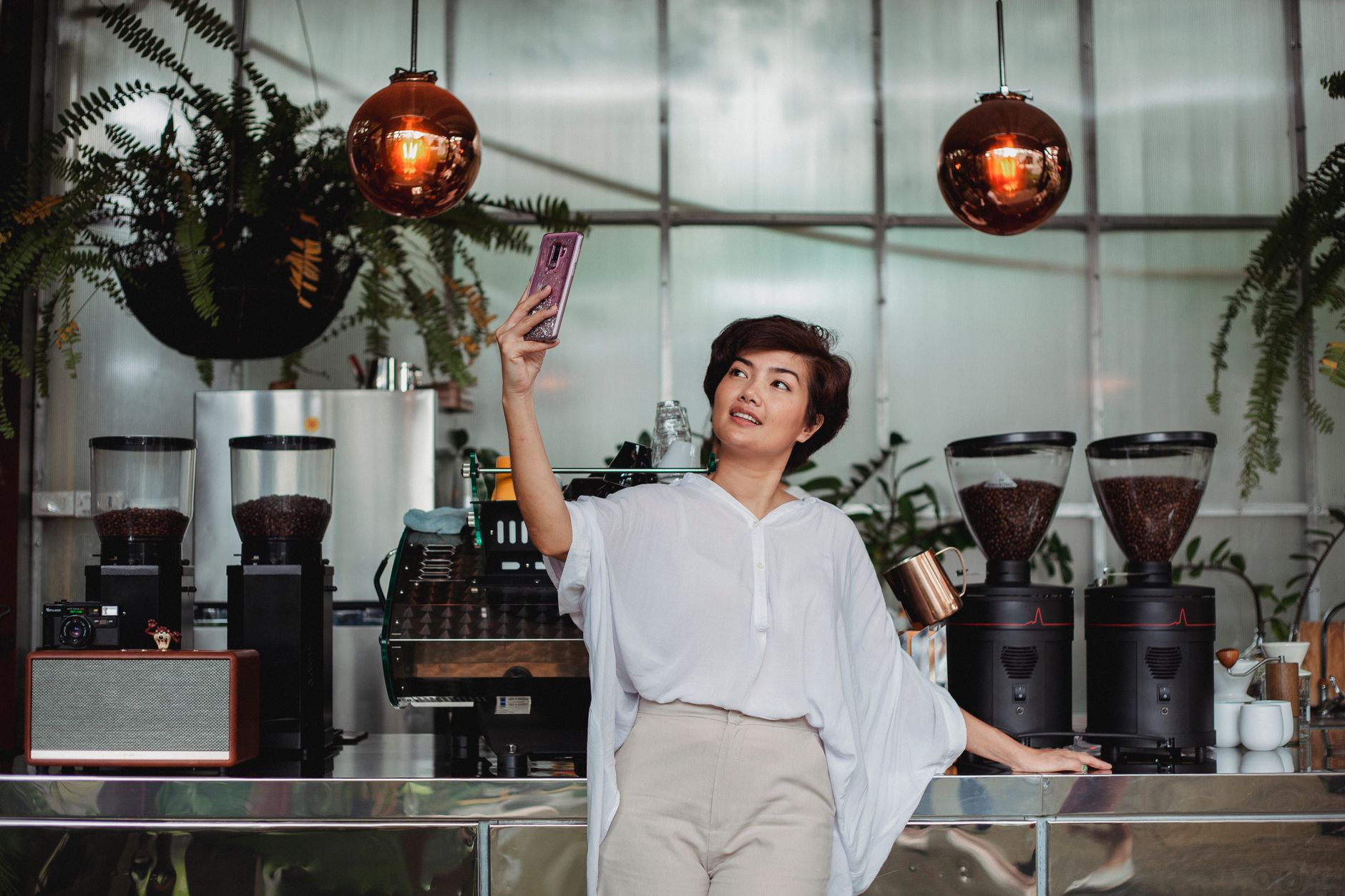 Photo by Sam Lion
Cafes pose challenges for filming
Filming in a cafe brings a handful of everyday hurdles. Dim lighting can wash out colors and add grain to your footage. The clock is always ticking when you’re trying to get a natural moment without disturbing other customers. Background noise from grinders, machines, and chatter can bury your talking points or ruin a clean voice track. Workspace size matters too; most tables are compact, forcing you to adopt a tight shooting stance and mobile setup. Finally, you must respect privacy rules and social norms. You don’t want to intrude on someone’s personal space or accidentally capture faces you shouldn’t.
- Dim lighting example: A phone with a strong night mode and a larger image sensor can brighten a shot without introducing noise. In practice, you flip on night mode and set a gentle ISO guard so the scene remains balanced.
- Noise management example: A phone with good autofocus and wind-reduction mutes helps when you’re near a busy grinder. If you need clean audio, you can switch to a directional mic or a small lavalier tucked under a hoodie.
- Space constraints example: A compact phone lets you shoot with one hand while the other steadies a tiny tripod, or you can prop the device on a napkin stack to get a stable angle.
- Privacy and etiquette example: Quick, friendly checks with staff and a discreet camera position keeps the shoot respectful while you capture genuine moments.
If you want a quick read on how creators approach cafe filming, you’ll find practical tips in resources by other creators who film in casual spaces. For instance, you can learn how influencers manage cafe shoots on social platforms and how they approach B-roll in busy public spaces How Influencers Film Their Videos in Coffee Shops. That context helps you think about framing, pacing, and lighting in real life.
What If the Only Thing Between You and the Life You Deserve Is a Hidden Wealth Code Waiting to Be Activated
>>> Open the Door <<<

Phone features that solve cafe filming
The most useful features fall into a simple set: camera sensors and stabilization, flexible video formats, strong battery life, and a form factor you can work with for long shoots. Here’s how these translate to real-world cafe shoots.
- Camera sensors and stabilization: A phone with a capable sensor and good optical or digital stabilization keeps footage steadier when you’re shifting from table to counter. The result is smoother pans and crisper subjects, even if you’re handholding in a crowded space.
- Video formats and codecs: Phones that offer multiple frame rates and resolutions (for example, 4K at 60 fps for action and 1080p for lighter edits) give you flexibility. You can shoot high quality clips for social and then downgrade for upload without losing clarity.
- Battery life: In a long cafe session, battery life matters. A device that can shoot for extended periods or quickly top up with a fast charger helps you avoid mid-shoot power drops.
- Size and ergonomics: A compact, comfortable phone reduces fatigue when you’re filming a long clip or moving between tables. It should feel balanced in your hand and fit easily into a bag pocket or a small gimbal.
- Audio options: Built-in mics are useful, but a compact external mic can dramatically improve voice clarity. Look for a phone with good mic preamps and the ability to connect simple mics without adapters.
Real-world cafe shoots benefit from these capabilities. For example, a creator might use high frame rate video to capture a close-up of milk being poured and then switch to a stabilized shot of the barista at work. If you’re comparing phones for cafe filming, consider a model known for solid low-light performance, reliable stabilization, and long battery life. See expert assessments on camera phones and how they perform in low light and moving shots Best phones for low light.
If you want more perspective on camera quality and consumer insights, people also discuss the topic in user forums where they compare camera performance across devices Which phone has the best camera? Especially for moving …. And mainstream reviews continue to highlight top contenders for 2025, like flagship phones that offer versatile lenses and robust video modes Best Camera Phone of 2025.
Practical setup tips for cafe shoots
Quick, on-the-go setups save time and reduce friction while you’re in a cafe. The goal is to be ready to shoot without hauling a heavy rig. Here are simple, effective options that work well in most coffee shop environments.
- Ready-to-use accessories: A small, foldable tripod or a compact phone clamp keeps your device steady on a table or window ledge. A lightweight handheld gimbal can smooth out movement when you’re walking between seats.
- Simple tripods: Look for mini tripods with flexible legs that can grip a mug handle or balance on a napkin stack. It gives you surprising stability without taking up much space.
- Microphone options: A small lavalier mic with a long cord or a compact wireless mic makes a big difference for voice clarity. If you’re pressed for space, a directional shotgun mic that mounts to a phone or a tiny lav is enough for clean audio.
- Basic
Best phones for coffee shop content creators
In busy cafes, your phone becomes a compact production studio. The right device blends fast performance, solid cameras, and day-long battery with a form factor that fits in your hand, pocket, or small bag. Below are five strong choices for creators who shoot, edit, and post from coffee shops. Each section highlights what makes the model stand out for cafe workflows, from color science to battery life and portability.
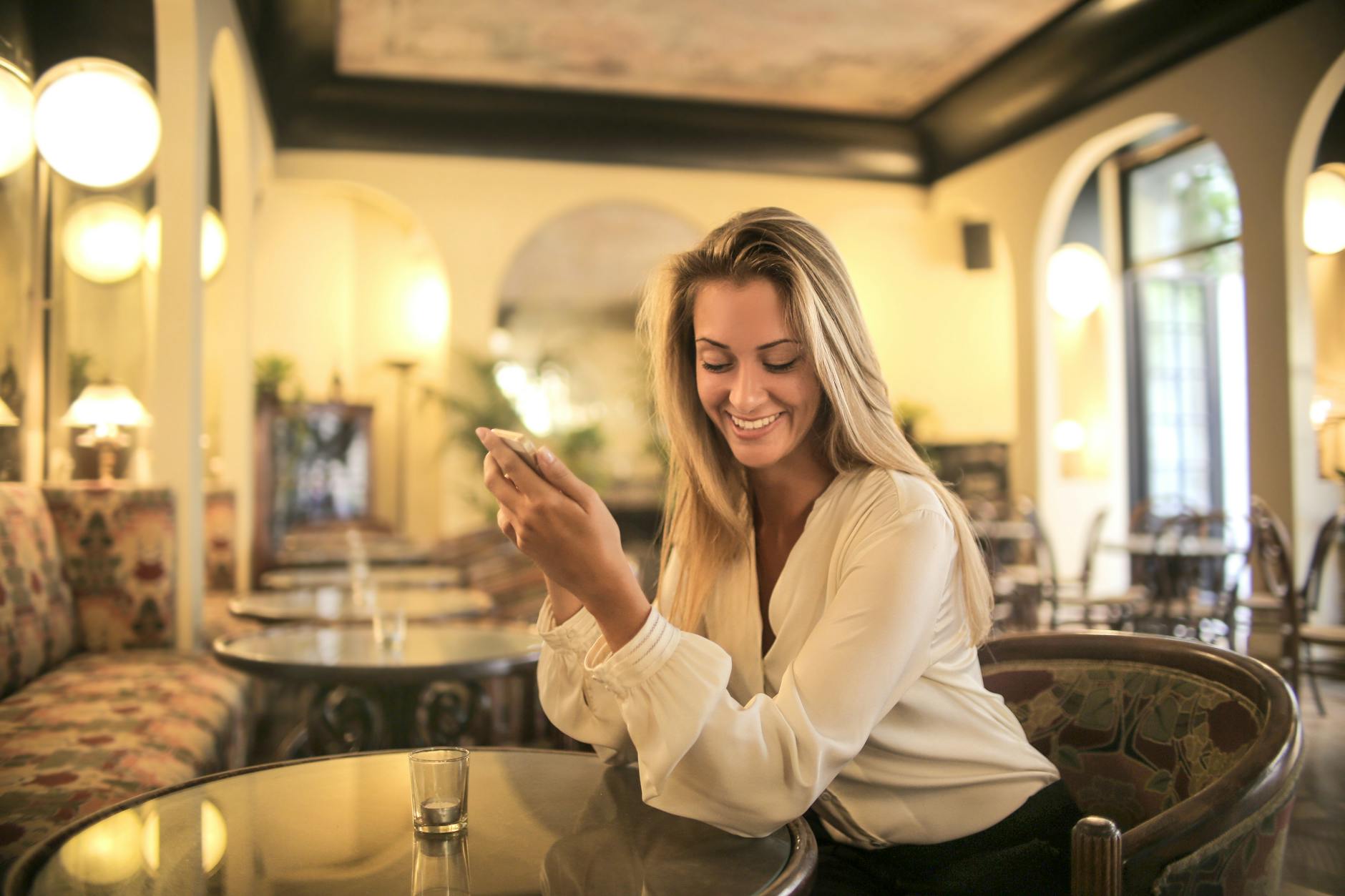 Photo by Andrea Piacquadio
Samsung Galaxy S25 Ultra: the overall powerhouse
The Galaxy S25 Ultra is built for long cafe sessions. Its 200MP main sensor delivers crisp detail, which helps when you need to crop close-ups of latte art or product shots without losing clarity. Strong stabilization keeps handheld footage steady as you move between tables, and the multi-lens array gives you flexible framing options without carrying extra gear. The battery easily lasts a full day of light to moderate use, so you can film, edit, and post without hunting for a charger in the middle of a busy morning. And yes, the device remains friendly to cafe setups thanks to its compact footprint for a flagship with serious punch.
- Why it matters in a cafe: high-res captures, reliable stabilization, and endurance keep your filming flow intact even with background chatter and dim lighting.
- Practical tip: shoot in 4K at 60 fps for high-quality clips, then edit on a larger screen later for social feeds.
For a deeper look at battery life and camera performance in real-world use, see expert reviews of the Galaxy S25 Ultra. https://www.pcmag.com/reviews/samsung-galaxy-s25-ultra
iPhone 16 Pro Max: best color accuracy and video stabilization
Color accuracy is the strength here, which makes skin tones look natural and party lights pop without oversaturation. When you turn on cinematic video modes, you get smooth transitions and a polished look that travels well to social feeds or client reviews. The stabilization keeps footage steady during quick walks through a cafe line, while battery life supports longer shoots and editing sessions on the go. The iPhone ecosystem also makes editing a breeze on the device or on a Mac later, with seamless handoff and robust apps.
- Key advantages: natural color rendering, top-tier video stabilization, and long battery life for all-day shoots.
- Quick tip: use the built-in editing tools to trim and color-correct before sharing to social channels.
For further reading on color and video performance, check out the iPhone 16 Pro Max reviews. https://www.pcmag.com/reviews/apple-iphone-16-pro-max
Google Pixel 9 Pro: AI camera help and easy editing
Pixel phones excel at natural colors and smart assistive features. The Pixel 9 Pro brings AI-powered suggestions for quick edits, making it easier to balance exposure and color in a cafe’s uneven lighting. Its strong low-light performance helps when you’re shooting in shadowy corners, and the lightweight design reduces fatigue during longer shoots. The on-device editing experience is straightforward, so you can assemble a quick cut with music and captions right on the phone.
- Notable strengths: AI-driven editing tips, natural color balance, and portable design.
- Practical use: snap a few variations, let the AI propose the best crop, then publish directly to social.
External perspective on Pixel performance and editing workflows can be found in ongoing comparisons and reviews. https://www.pcmag.com/reviews/google-pixel-9-pro
OnePlus 13: value and speed for on the go editing
OnePlus continues to deliver flagship performance at a friendlier price. The OnePlus 13 offers snappy app and camera performance, a dependable battery, and a solid camera setup that covers wide, ultra-wide, and zoom needs for cafe shoots. The device is light enough to carry through a morning of filming and quick edits, helping you stay productive without breaking the bank.
He Was Drowning in Bills and Burnout Until a Simple Daily Ritual Rewired His Brain for Wealth in Less Than a Week
>>> Start Your Shift Today <<<

- Core strengths: fast performance, sensible camera system, and price advantage compared to other flagships.
- On-the-go tip: pair with a small Bluetooth mic for improved audio without extra bulk.
For overall value assessments of the OnePlus 13, see contemporary reviews that compare speed and camera quality across flagships. https://www.forbes.com/sites/prakharkhanna/2025/02/02/the-samsung-galaxy-s25-ultra-is-big-bold-and-boring/
Xiaomi 15 Ultra: long battery life for long cafe shoots
The Xiaomi 15 Ultra emphasizes endurance. A long-lasting battery powers extended recording sessions and editing bouts without frequent recharges. The camera system delivers strong stills and video, with a portable build that suits all-day cafe work. If you’re bouncing between tables and coffee bars, this model keeps up without weighing you down.
- Why choose it: all-day battery life and solid imaging in a compact form.
- Practical note: supplement with a compact mic if you’re capturing dialogue in noisy cafes.
In-depth battery and camera evaluations from industry sources offer objective insights into Xiaomi’s camera performance. https://www.androidheadlines.com/samsung-galaxy-s25-ultra-review
Images and visuals can make sections come alive. The Galaxy S25 Ultra, iPhone 16 Pro Max, Pixel 9 Pro, OnePlus 13, and Xiaomi 15 Ultra each bring unique strengths to cafe content creation, so your choice depends on which tradeoffs matter most to you: color accuracy, stabilization, battery, or value.
Additional reading on camera performance for cafe environments can be found in reviews and roundups across reputable outlets. https://www.cnet.com/tech/mobile/best-camera-phone/
Note: For optimal cafe shoots, pair your smartphone with a compact microphone and a small tripod or mobile gimbal. This keeps your hands free while you work and ensures more consistent shots as you move between seats and counter space. If you want to dive deeper into practical cafe setups, explore other creators’ approaches to B-roll and framing in busy public spaces.
Key features that matter in a cafe setting
Working in a cafe means adapting on the fly. You need a phone that handles low light, keeps footage smooth, lasts through long sessions, and captures clear audio without a lot of extra gear. This section breaks down the features that truly move the needle for content creators filming in coffee shops. Each subsection explains why the feature matters, what to look for, and practical tips you can apply right away.
What If the Only Thing Between You and the Life You Deserve Is a Hidden Wealth Code Waiting to Be Activated
>>> Open the Door <<<
Low light performance and color accuracy
Cafe lighting is rarely studio perfect. You’ll face warm bulbs, mixed light from windows, and shifting crowds. The right sensor size and ISO behavior matter because they determine how clean your footage looks when the lights dip. A larger sensor gathers more light, which reduces noise and preserves detail in highlights and shadows. Good ISO performance means you can push exposure without turning your video into a grainy mess. Color science matters, too. Natural skin tones and accurate color reproduction help your final edit look authentic, even when the ceiling lights cast a yellow cast or the espresso machine glows neon. When color stays true, you spend less time correcting white balance in post and more time telling your story.
Practical tips:
- Shoot in RAW or Pro modes if your phone supports them to capture the widest dynamic range.
- Use night or low light modes sparingly; balance noise reduction with preserving texture.
- If you can, test a phone in a busy cafe before buying. Look for natural skin tones and minimal color shift from frame to frame.
For perspective on how phones perform in challenging lighting, see expert reviews and real-world tests that compare low light and color accuracy across models: “Best camera phones for photography” and similar guides provide helpful benchmarks. Best camera phones for photography
Stabilization and motion handling
A steady shot makes your content feel professional, even in a bustling cafe. Optical stabilization (OIS) helps when you’re moving slowly around a counter or tracking a barista. Electronic stabilization (EIS) smooths footage during faster pans or when you’re walking between tables. Some phones pair OIS and EIS with advanced gyro data to minimize micro jitters, which is a boon when you’re shooting handheld in tight spaces.
Beyond the phone itself, you can add lightweight gear to boost stability without turning your setup into a backpack rig. A compact gimbal or a tiny tripod can dramatically improve how clean your footage looks when you’re moving. If you’re filming while seated, a stable mount on the table, or a napkin stack prop, can keep your framing steady without attracting attention.
Smart tips for cafe motion:
- Record at higher frame rates (like 60 fps) and slow down in editing to smooth out motion.
- Use a short focal length to keep your subject in frame as you move through the space.
- Keep your movements deliberate and minimal to avoid distracting micro jitters.
For a broader view on stabilization options and their impact on video quality, explore guides that compare optical and electronic stabilization and discuss recommended setups for content creators. Top 7 smartphones for content creators in 2025 (iPhone vs Android)
Battery life and charging options
Coffee shop shoots often stretch for hours. A phone that can last all day under camera use frees you from hunting for outlets or carrying a power bank mid-shoot. Look for multi-day endurance in mild use cases, but pay close attention to how the phone behaves when you’re actively recording, monitoring audio, and transferring clips to a portable drive or laptop. Fast charging matters for those quick top-ups between orders, and the ability to charge while you shoot can be a lifesaver in a busy cafe.
Tips to maximize battery during long cafe sessions:
- Use airplane mode when you’re not connected to Wi-Fi or cellular networks for extended shooting periods.
- Limit screen high-brightness time between shots; switch to a comfortable preview level.
- If your workflow includes editing on-device, consider a model with efficient software optimization for video tasks.
Real-world guidance from reviews and comparisons emphasizes the importance of battery performance in real cafe scenarios. For deeper reading on battery life and camera performance, you can check reviews and roundups from reputable sources. Best Camera Phone of 2025
Audio quality for cafe conversations
Clear audio is often more critical than dazzling visuals in a cafe setting. The hum of grinders, air vents, and chatter can drown out dialogue. Built-in microphones are convenient, but they may pick up more ambient noise than you want. A dedicated external mic can dramatically improve voice clarity, especially in busy corners or near the espresso machine. If you can’t carry a separate mic, prioritize phones with strong microphone performance, robust preamps, and good wind and background-noise reduction.
Key considerations:
- Directionality matters. A microphone that emphasizes the front or a shotgun style mic can help isolate the speaker.
- Connectivity is essential. A phone with easy external mic compatibility and minimal adapter fuss saves time on set.
- Wind and cafe noise control. Phones that process audio well and offer software noise reduction can save you editing hours.
For a deeper dive into audio strategies in cafe environments, read about best practices for mobile audio capture and how creators pair phones with compact mics for greater clarity. Top-7 tips and tools for stabilizing smartphone videos
How to pick your phone based on style and budget
Choosing a phone for content creation is about matching your shooting style with the right tools and a budget that keeps you productive rather than stressed. In busy coffee shops, your device has to be fast, reliable, and easy to carry. This section helps you map your preferred apps, editing flow, and shooting habits to a phone that fits your real life. Use the guidance below to align your workflow with the best hardware and software support.
Choose based on your shooting style and apps
Your shooting style shapes everything from camera options to storage decisions. Start by listing the apps you rely on daily for filming, editing, and posting. Do you edit on your phone during a quick coffee break, or do you prefer to shoot and offload to a laptop later? If you lean toward on-device editing, you’ll want a phone with ample RAM and fast storage.
- For quick social edits and captions: prioritize a phone with strong on-device processing and responsive editors. Apps that handle color correction, stabilization, and captioning benefit from a faster chip and smooth UI.
- For cinematic videos: consider phones with superior image stabilization, multiple high-quality lenses, and good color science. You’ll want options for wide, ultra-wide, and telephoto framing without extra gear.
- For audio-forward content: look for devices with robust mic preamps and easy external mic compatibility. A phone that supports high-quality audio capture saves post work.
- Editing flow: if you typically edit in mobile apps, a device with ample RAM and a high-refresh display helps you review footage quickly. If you migrate edits to a computer, ensure your phone supports seamless handoff to desktop tools.
Mapping these needs to a phone means checking a few practical features:
- CPU and RAM: enough muscle to run editing apps without lag.
- Storage: at least 256GB on primary storage if you shoot lots of 4K video or high-res stills.
- Display: accurate color and good brightness for editing in varied cafe light.
- Connectivity: reliable Wi-Fi and optional 5G for quick file transfers.
- Accessory ecosystem: a phone that plays well with compact mics, small tripods, and gimbals.
If you want guidance on how these traits translate into real-world choices, check reviews that compare editing performance and app support across devices. For example, a guide on phones best suited for creators who edit on the go discusses processor speed, RAM, and storage as core considerations. https://blog.ipro.cc/best-phone-for-creators-who-edit-videos-on-their-phone-top-picks-for-pro-mobile-editing/
Budget paths for different creators
Budgeting for a phone as a creator means choosing a tier that delivers the core capabilities you need now, with room to grow later. The goal is to avoid buying a device that leaves you wishing for more speed or storage in a few months.
- Entry level to mid tier (foundations): look for solid main cameras, decent stabilisation, and enough RAM to run editing apps smoothly. These models are ideal if you’re starting out, post primarily to social platforms, and want to test your workflow with minimal upfront risk.
- Mid-range with strong value (the sweet spot): you gain better cameras, quicker processors, and more storage without paying flagship prices. This tier often includes phones with robust video modes and reliable battery life, making them a practical long-term choice.
- Premium picks (best-in-class): the top-end devices deliver outstanding color accuracy, stabilization, and battery life. If you shoot often in challenging light or move between cafes all day, a premium phone can shave minutes off your post workflow and improve your overall quality.
A practical ladder could look like this:
- Budget tier: solid main camera, good enough editing performance, 128GB storage, decent battery life.
- Mid tier: 256GB storage, better processor, enhanced stabilization, more RAM.
- Premium tier: 512GB or more, top-tier sensors, best-in-class stabilization, extended battery optimization.
Why this matters in a cafe context: you’ll be juggling quick takes, rough cuts, and fast posting. A mid-range phone often provides the best balance of speed, camera quality, and debt-free price. If you shoot professionally or expect steady growth, a premium device offers longer-term support and better resale value.
For more on how budget choices stack up against premium
Conclusion
Choosing the right smartphone for cafe content creation unlocks faster shooting, better audio, and smoother editing on the go. The five standout models—Galaxy S25 Ultra, iPhone 16 Pro Max, Pixel 9 Pro, OnePlus 13, and Xiaomi 15 Ultra—each balance camera quality, stabilization, battery life, and portability in different ways, so your best pick comes down to your workflow and budget. Prioritize a device that handles low light well, stabilizes handheld footage, and offers easy external mic options so your cafe conversations stay clear even near a grinder.
Action plan you can try this week:
- Visit a store or cafe to compare these smartphones side by side, focusing on low light, color accuracy, and audio input options.
- Map your preferred editing apps to the phone you test, and note how smoothly each one runs on mobile.
- Compare specs like RAM, storage, and battery life, then plan next steps based on your typical shooting days.
If you want a quick check, shortlist two to three models, then schedule a test run in a real cafe to see which smartphone feels right in your hands.
Thousands of People Were Struggling With Money Until They Discovered This One Ancient Secret Hidden in Sound
>>> Unlock It Now <<<