Thousands of People Were Struggling With Money Until They Discovered This One Ancient Secret Hidden in Sound
>>> Unlock It Now <<<

If you edit on a phone, speed matters more than megapixels. A powerful device means faster edits, smoother previews, and less time waiting for renders. For creators who rely on pro apps like CapCut and LumaFusion, the right phone changes everything.
He Was Drowning in Bills and Burnout Until a Simple Daily Ritual Rewired His Brain for Wealth in Less Than a Week
>>> Start Your Shift Today <<<

This post breaks down what to look for beyond a great camera: a fast processor, plenty of RAM, ample storage, and a display that helps you judge color and timing accurately. You’ll see how these factors translate into real gains when you’re scrubbing timelines, applying effects, and exporting final videos. We’ll also highlight why these phones matter for on the go workflows and how they support core editing tasks.
If you’re wondering which phones best fit heavy mobile editing, you’ll come away with clear guidance on the kinds of specs that keep apps responsive and projects moving. Expect practical tips, quick checks, and concrete recommendations that align with how you actually edit on a smartphone.
Key factors that make a phone ideal for video editing on the go
When you edit on a phone, every component that moves data quickly matters. The right combination of CPU power, memory, storage, and a display you can actually trust makes long editing sessions feel less like a slog and more like a natural extension of your workflow. Below are the factors that separate a good phone for mobile editing from a great one.
He Was Drowning in Bills and Burnout Until a Simple Daily Ritual Rewired His Brain for Wealth in Less Than a Week
>>> Start Your Shift Today <<<
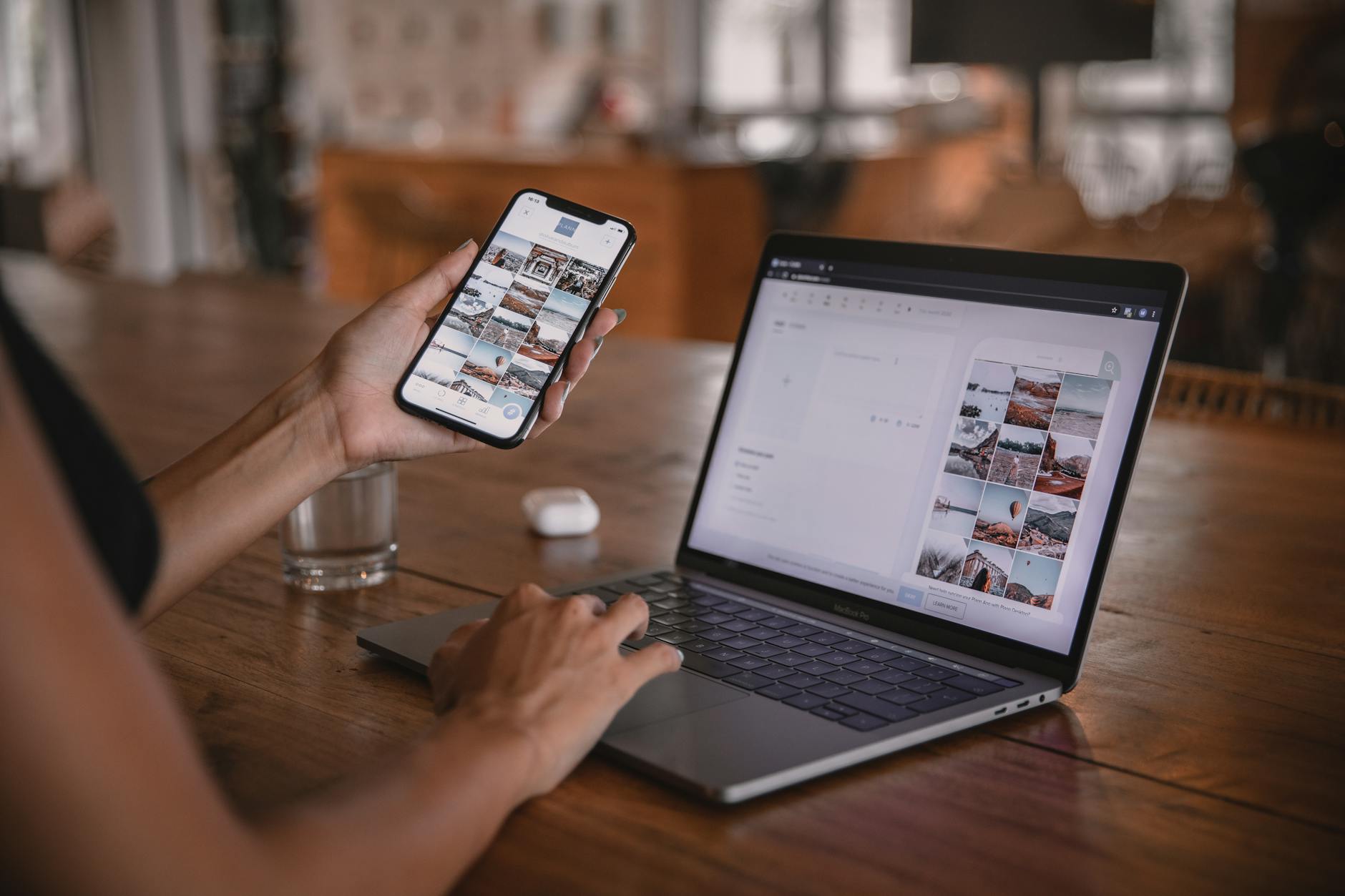 Photo by Plann
Power and performance: CPU, RAM, and heat management
Power matters because editing apps demand sustained, heavy processing. A phone with 12GB+ RAM paired with a recent flagship chip handles timelines, effects, and color work without slowing down. Real-world impact is straightforward:
- Smooth playback during scrubbing, so you can audition cuts without freezing or stuttering.
- Fast rendering and exports, which cuts waiting time between edits.
- Consistent performance during long sessions, avoiding throttling that drags projects to a halt.
In practice, you’ll notice fewer moments where an effect re-renders slowly or a pause in playback interrupts your flow. A strong CPU handles multiple tasks at once—raw video, audio tracks, titles, and LUTs—without forcing you to stop and wait for the device to catch up. If you work with high bit rates or 4K timelines, prioritizing a newer SoC and ample RAM becomes a real time saver. When shopping, compare sustained performance benchmarks and consider devices that manage heat efficiently to avoid thermal throttling during extended sessions.
Storage capacity and expandability for big projects
Projects grow quickly on mobile editing, so storage is not a luxury but a necessity. A baseline of 256GB is sensible for most creators who edit on the go, with room for cached media, project files, and local previews. If you frequently work with 4K or multi-cam timelines, you’ll appreciate extra headroom or seamless expansion options.
- Storage for media cache: Apps cache previews and effects to speed playback, but that cache needs space.
- Project files and autosaves: Larger timelines with multiple versions can consume significant storage.
- Expandable storage: Some devices offer microSD expansion or hybrid slots, giving you a practical way to extend capacity without sacrificing device portability.
Cloud backups fit naturally into this setup. Regularly syncing assets and versions to a trusted cloud service protects your work while keeping your device lean for day-to-day editing. A robust cloud workflow also makes it easier to collaborate or switch devices without losing progress. If you often shoot raw or 10-bit media, plan for a storage strategy that balances local access with secure off-device backups.
Display quality and color accuracy for precise edits
A large, bright display with accurate color preview is essential for verdicts you’ll actually rely on in post. Look for screens that offer broad brightness ranges, high contrast, and true-to-life color representation.
- 120Hz refresh rate: Smoother thumbnail scrubs and better timeline navigation, especially when you’re adjusting speed or splitting clips.
- Wide color gamut: Ensures that your color grading decisions translate well across devices and platforms.
- Accurate skin tones: A display that renders skin tones faithfully helps you avoid surprises when you export to social or broadcast formats.
In practice, a high-quality display reduces the need to second-guess color decisions later. If you color grade on the go, you’ll benefit from reference-quality previews, which makes quick on-set corrections and lighting tweaks more reliable. A capable display also helps you judge timing and rhythm in your cuts, so you can dial in punchy edits without a second trip to the computer.
Battery life and fast charging for long editing sessions
Editing drains battery fast, especially when you’re running renders, color work, and audio processing at the same time. Long battery life means you can work from dawn to dusk without scouting for outlets. Fast charging becomes a crucial companion, letting you regain hours of workflow in minutes rather than hours.
- Efficient power delivery: Modern chips paired with intelligent software manage energy use for lighter-duty tasks and peak performance when you need it.
- Quick top-ups between shoots: Fast charging minimizes downtime between shoots, comping, and grading rounds.
- Real-world endurance: Look for devices that reliably provide a solid number of hours of editing time in mixed workloads, not just standby life.
A device with balanced battery capacity and smart power management makes mobile editing feel less like a race against the clock and more like a natural part of your shoot-to-post process. In real-world terms, you’ll export faster, scrub timelines with confidence, and finish edits on a single charge more often than not.
External resources and practical guidance on these specs can help you compare models more efficiently. For deeper background on how CPU, RAM, and storage affect mobile editing, see how industry discussions frame the trade-offs between display quality, performance, and battery life: link to related guide on phone specs. For a broader view on handling 4K editing on smartphones, this piece offers useful context: How Smartphones Handle 4K Video Editing.
To round out your buying decisions, consider your typical editing workload, the apps you rely on, and whether you frequently juggle projects across devices. A phone that ticks all four boxes — power, storage, a superior display, and long battery life — will keep you productive on the go without forcing compromises.
- For fast, reliable performance: prioritize a recent flagship chip and 12GB+ RAM.
- For big projects: ensure you have 256GB or more, plus a plan for cloud backups.
- For color grading on the move: choose a display with high brightness and wide color support.
- For all-day editing: look for long battery life with practical fast charging.
This combination helps you keep up with client deadlines, deliver higher quality edits, and stay productive outside the studio.
Photo by Plann on Pexels Credit: Photo by Plann, https://www.pexels.com/@plann-2999237
External links
- Understanding Phone Specs for Mobile Editing: https://www.wavecase.co.uk/blogs/guide/understanding-phone-specs-mobile-buying-guide?srsltid=AfmBOorR5BlMYtclbwqAyga8k1-pE5ATmrpxVtKAivsaN6aGftZ2pGCq
- How Smartphones Handle 4K Video Editing: https://michiganmamanews.com/2025/05/23/how-smartphones-handle-4k-video-editing/
Best phone for creators who edit videos on their phone: Top picks for pro mobile editing
On the road or between shoots, the right phone can act as a portable editing suite. These picks balance camera versatility with processing power, storage strategy, and screen quality to keep your mobile editing fast and reliable. Below you’ll find three standout options that meet the needs of pro editors who scrub timelines, apply effects, and render on the go. Each model brings distinctive strengths, so you can match your workflow to the device that fits you best.
 Photo by Alex Fu
Best overall pick: iPhone 17 Pro Max
The iPhone 17 Pro Max stands out for editors who rely on ProRes, Dolby Vision, and a robust app ecosystem. ProRes offers high-quality intermediate formats that stay faithful through color grading and VFX work, while 8K Dolby Vision capture and playback deliver extraordinary detail for review on the go. In practice, this translates to smoother timelines, fewer headaches with external codecs, and a more predictable export process when you’re juggling client feedback between sessions.
A strong performance edge matters here. The latest iPhone brings enhanced CPU and GPU power that helps long edits feel manageable, even with heavy LUTs, multi-track audio, and titles layered on top. For on-device editing, apps like LumaFusion tend to feel more fluid on iOS thanks to optimized APIs, stable file handling, and consistent decoding pipelines. That means you scrub, trim, and grade with confidence, knowing the device won’t slow you down mid-project.
Consider these practical takeaways when choosing the iPhone 17 Pro Max for editing on the move:
- ProRes and Dolby Vision workflows remain reliable from capture through final export.
- A mature app ecosystem means fewer compatibility headaches with project files and presets.
- Thermal design and sustained performance help when rendering longer timelines or multi-cam sequences.
For deeper context on the iPhone 17 Pro Max, you can explore industry perspectives and hands-on notes. See related coverage here: Apple iPhone 17 Pro Max review highlights for mobile creators. Also useful is a technical look at how ProRes RAW integration enhances on-device editing workflows: Review: iPhone 17 Pro Max by ProvideOSC.
Android powerhouse: Samsung Galaxy S26 Ultra
If you prefer Android or want a device that can natively handle massive capture and advanced multi-track projects, the Galaxy S26 Ultra is a strong contender. It pairs a versatile camera system with options for 8K60 video editing on the fly, making it a compelling choice for creators who value flexibility in capture and post. The display on the S26 Ultra is large, bright, and capable of showing fine color detail, which helps you judge edits more accurately when you scrub timelines or adjust color grading in real time.
Storage and memory options play a key role here. Depending on the model, you can find generous RAM and high-capacity storage, with some configurations offering expansive internal space for caches, LUTs, and multiple project files. Expandable storage is a plus where available, giving you a practical path to keep big media libraries with you without constantly juggling cloud transfers. This can be a real advantage when you need quick access to media during shoots or when you’re working across devices.
Real-world benefits for mobile editors include:
- 8K60 video support offers more creative grading options and higher-quality offline drafts.
- A bright, high-resolution display makes identifying color shifts and timing inaccuracies easier.
- Strong editing performance supports layered effects, motion graphics, and on-device trimming without combatting lag.
If you’re weighing this choice, consider how you handle media libraries and whether you value on-device expansion. For a closer look at the Galaxy S26 Ultra’s editing capabilities and how it stacks up against the S25 Ultra, see industry comparisons here: Samsung Galaxy S26 Ultra vs S25 Ultra: Biggest upgrade analyzed. For a perspective on CPU and memory configurations and how they translate to editing workloads, you can review this fitness of hardware: Galaxy S26 Ultra hardware overview.
AI-forward option: Google Pixel 10 Pro
The Google Pixel 10 Pro signals a shift toward AI-assisted editing that can speed up routine tasks and keep your workflow clean on Android. Tensor G4 AI features help automate routine processing steps, improve noise reduction in low-light footage, and streamline real-time previews. The result is a smoother editing experience with faster color adjustments, faster exports, and less manual tweaking to get a camera profile right.
Beyond raw power, the Pixel 10 Pro delivers a strong display with excellent color accuracy and contrast, which editors rely on to verify skin tones and scene lighting during grading. The Android editing experience remains straightforward and intuitive, easing the transition for creators who want a clean, responsive platform without getting bogged down in app-specific quirks. This model balances price and performance, making it an attractive option for freelancers and editors who want capable mobile processing without paying a premium for hardware that sits at the top of the tier.
Key practical benefits include:
- Tensor AI features that speed up rough cuts, auto color matching, and noise reduction.
- A dependable display for color-critical work on the go.
- A reasonable price-to-performance ratio that suits budget-conscious editors who still demand speed.
For a closer look at Tensor G4 AI capabilities and how they translate to real-world editing speed, you can reference this overview: Tensor AI in Pixel 10 Pro drives faster edits. For further context on how AI features impact Android editing workflows, this analysis provides helpful insights: Android editing with AI features compared.
Images and practical tips help you gauge how each device will fit your needs. Remember to align your pick with the apps you rely on and the typical project sizes you handle. A phone that handles heavy timelines, LUTs, and multiple streams of audio cleanly will keep you productive from shoot to final render.
What If the Only Thing Between You and the Life You Deserve Is a Hidden Wealth Code Waiting to Be Activated
>>> Open the Door <<<

External links
- Apple iPhone 17 Pro Max review highlights for mobile creators
- Samsung Galaxy S26 Ultra vs S25 Ultra: Biggest upgrade analyzed
- Tensor AI in Pixel 10 Pro drives faster edits
- How Smartphones Handle 4K Video Editing
If you want to see more hands-on comparisons or read deeper technical breakdowns, explore the related guides and reviews linked above. Each pick brings something unique to the table, so consider your editing style, preferred apps, and how you balance on-device work with cloud collaboration when making your choice.
Choosing the right phone for your editing workflow
When you edit on a phone, the goal is clear: keep your timeline responsive, your exports predictable, and your on-the-go editing breeze smooth. The best phone for editors is the one that fits your preferred apps, storage strategy, and shooting needs without forcing compromises. In this section, you’ll find practical guidance on pairing the right device with your editing style, then planning where your media lives and how you back it up. We’ll also look at what to consider when you shoot on the move so your footage is easy to work with later.
Match apps to your edit style and platform
Pro mobile editing hinges on choosing apps that align with how you work and the platform you prefer. iOS and Android each offer strong options, and the ecosystem around these apps can shape your workflow as much as the device itself. On iOS, LumaFusion remains a go-to for many pro editors thanks to its depth, stability, and robust media handling; the app often feels more fluid on iPhone and iPad thanks to optimized pipelines and system-level performance. CapCut, while widely popular for social content, also benefits from a well-integrated Apple ecosystem when you mix in other Pro apps and external codecs, which can streamline exports and preserve color fidelity.
For Android creators, CapCut is frequently paired with native tools and hardware acceleration that make quick edits painless, while Samsung and Google devices push the envelope with high-end chips, large RAM pools, and fast storage, enabling smoother timeline scrubbing and faster renders. The ecosystem matters because it determines how easily you move project files between devices, how stable your media transcodes stay, and how reliably your LUTs or presets carry over into different apps.
If you’re evaluating, start by mapping your typical workflow to a few apps and then verify stability and export reliability on the device you’re considering. For a deeper look at the most capable pro apps on iOS and Android, these resources break down features, pricing models, and platform-specific strengths:
- Best video editing apps for 2025 on iOS and Android
- LumaFusion and CapCut in real-world use cases for mobile editing
Choosing the right combination reduces friction when you scrub timelines, apply effects, and export final videos. It also helps ensure your presets, LUTs, and project files stay compatible across devices. If you often switch between devices, consider a cloud-backed workflow or a DAM-like media management approach so assets stay synced and easy to locate.
Plan storage and backup for mobile projects
Mobile projects accumulate quickly. A thoughtful storage plan keeps you editing without constantly swapping cards or juggling cloud space. Start with a practical baseline and then tailor it to your typical project size, color depth, and backlog of assets.
- Local storage: A minimum of 256GB is sensible for most creators who work with 4K or multi-cam timelines. If you edit large raw files or prefer multiple versions, more headroom helps. Some devices offer fast internal storage that keeps caches accessible during heavy edits.
- Media cache and previews: Apps cache previews to speed playback. That cache lives on the device, so allocate space for it and monitor its growth as your projects scale.
- Cloud backups: Regular cloud syncing protects you from device loss and makes it easier to switch devices without losing progress. A solid cloud plan also facilitates collaboration and version control across teammates or clients.
- External drives: Where supported, external SSDs wired or wirelessly connected can offload media without breaking your editing flow. This is a lifesaver for large libraries or long-form projects on the go.
Organizing media now pays off later. A clear folder structure and consistent naming conventions help you locate assets during late-night edits or client reviews. Create separate bins for raw footage, color-graded renders, audio mixes, and project files. If you work with multiple cameras, tag clips by camera angle and scene to speed up re-edits or reshoots.
A practical tip: pick a storage strategy that fits your typical workflow. If you often shoot in RAW or 10-bit color, plan for local high-speed storage while maintaining robust cloud backups for archiving and collaboration. For deeper guidance on balancing device storage, cloud, and external drives, check these perspectives on portable storage choices and best practices:
- Top storage picks for content creators and external SSDs for on-the-go editing
- Best cloud storage and file-sharing services for 2025
Consider camera features for on the go shoots
On the move, you want a phone that not only shoots great video but also keeps up with quick edits. Key camera features can make that possible without carrying extra rigs.
- Stabilization: Optical stabilization helps keep footage steady while you shoot handheld. When you later stabilize or apply motion effects in editing apps, you’ll be glad the source material already looks calm.
- Video resolutions and frame rates: 4K at 60fps is standard for pro workflow, with 4K at higher bitrates offering better color and more detail for grading. Some devices support 8K or high-frame-rate options for certain look or delivery requirements.
- HDR: A wide dynamic range helps maintain detail in bright highlights and deep shadows, which reduces the need for aggressive grading later.
- Audio input options: A clean onboard mic, plus a favorable audio input pathway for external mics or adapters, makes on-site narration or interview-friendly footage easier to wire up. Good audio reduces the need for heavy post-processing to rescue the sound.
In practice, these features translate to fewer compromises after you shoot. You can preview color and rhythm with more confidence, then push edits straight to export without re-shotting or chasing missing audio. For further context on how device cameras stack up for video work, these sources offer useful comparisons and practical insights:
- Best camera phones for video in 2025
- The latest on HDR and stabilization across leading smartphones
When you combine strong stabilization with reliable color and sound capture, your on-the-go shoots become a predictable, repeatable part of your creative process. This makes mobile editing feel less like a temporary workflow and more like a true extension of your studio setup.
External links
- Best video editing apps for 2025 on iOS and Android
- LumaFusion and CapCut in real-world use cases for mobile editing
Practical tips to optimize mobile video editing
When you edit on a phone, small choices add up. You can squeeze more speed, more reliability, and more creative freedom from a single device. Below are practical, repeatable tips you can apply right away. They’re tailored for creators who juggle timelines, LUTs, and social-ready exports, whether you’re at a café, on set, or between shoots. You’ll find clear actions you can take now, plus a few reminders about setting up for longer projects.
Extend battery life during editing
Long edits demand power, and every watt saved means more time working without hunting for a charger. Start with simple, repeatable habits you can rely on during a shoot or a long day.
- Tweak display brightness and color management: Lower brightness to a comfortable view, and enable auto-brightness when you’re moving between bright outdoor scenes and dim indoor setups. This reduces drain without sacrificing visibility.
- Disable unused features: Turn off background apps, Bluetooth when not in use, and unnecessary wireless connections. Background activity eats battery in quiet ways you don’t notice until you’re editing.
- Manage refresh rates wisely: If your phone offers a dynamic refresh rate, set it to a comfortable balance between smooth visuals and battery life during heavy scrubbing.
- Plan a charging strategy: For long shoots, bring a compact power bank with USB-C PD, and map charging intervals to your workflow. A quick top-up during a lull in shooting keeps you moving without pausing edits.
- Use offline media and caches strategically: Where possible, keep working assets stored locally during critical edits to avoid constant re-fetching from the cloud, which can increase power usage.
- Optimize editing apps for power: In some apps, reducing live effects or lowering preview resolutions during heavy edits can cut strain without compromising your final result. Swap back to full fidelity when you render.
Practical tip: for heavy, multi-hour sessions, start with a full charge, enable battery saver modes only during non-critical tasks, and schedule a mid-session top-up to keep rendering and scrubbing fluid. If you want a broader view on practical battery tweaks, these guides offer solid, actionable ideas: 5 Quick Fixes to Extend Your Android Phone’s Battery Life and 12 Android settings that can extend battery life. You’ll find concrete steps you can replicate on most devices.
- Quick reminder: keeping a consistent charging routine helps you stay productive. A smartphone that’s reliably ready when you are is a real edge in fast-moving editing cycles.
External references to help with technical choices:
- Understanding Phone Specs for Mobile Editing: https://www.wavecase.co.uk/blogs/guide/understanding-phone-specs-mobile-buying-guide?srsltid=AfmBOorR5BlMYtclbwqAyga8k1-pE5ATmrpxVtKAivsaN6aGftZ2pGCq
- How Smartphones Handle 4K Video Editing: https://michiganmamanews.com/2025/05/23/how-smartphones-handle-4k-video-editing/
Speed up edits with smart settings
Speed is value when you edit on a phone. The best approach is to set up your workflow so most actions are predictable and repeatable. Templates, LUTs, presets, and offline modes do the heavy lifting, so you spend less time waiting for renders and more time shaping your story.
- Use templates for repeated formats: Create or acquire project templates for common deliverables (short socials, reels, how-to videos). A ready-made timeline, title styles, and track layouts reduce setup time and keep your style consistent.
- Apply LUTs and color presets early: Load a base look at the start of a project. This helps you assess grade direction sooner and avoids redoing work later.
- Rely on presets for effects and transitions: Save your go-to transitions, motion graphics, and title animations as presets. When you scrub a timeline, you can apply a consistent vibe across clips with one tap.
- Utilize offline modes where possible: Some apps let you pre-render effects or use proxies to edit a lighter version of the clip. This can dramatically cut render times on older hardware, then you swap in the full-resolution media for final export.
- Optimize for your app ecosystem: On iOS, apps like LumaFusion benefit from integrated APIs and stable decoding pipelines, which translates to smoother scrubbing and fewer hiccups during complex edits. Android editors, meanwhile, often benefit from hardware acceleration and RAM availability that can boost performance in real time.
- Keep media organized around presets: When you reuse LUTs and templates, keep presets in consistent folders and name things logically. This makes it faster to locate the right look for a new project.
Real-world payoff comes quickly. You’ll notice smoother scrubs, faster previews, and quicker exports when your workflow relies on repeatable, efficient settings. If you’d like to dive deeper into practical speedups, consider checking out expert takes on mobile editing workflows and app-specific guidance:
- Best video editing apps for 2025 on iOS and Android
- LumaFusion and CapCut in real-world use cases for mobile editing
External references to help with speed:
- Apple iPhone 17 Pro Max review highlights for mobile creators
- Tensor AI in Pixel 10 Pro drives faster edits
Stay organized and ready for sharing
Organization is the quiet engine behind fast, collaborative editing. A simple, scalable folder system, export presets for social platforms, and clear handoff practices ensure you can move smoothly from shoot to publish.
- Create a consistent folder structure: Start with a top-level project folder, then subfolders for raw media, proxies, timelines, color grades, audio mixes, and exports. Within each project, use clean, descriptive names that you can recognize at a glance.
- Name files with purpose: Use a consistent naming convention that includes date, project name, clip type, and take number. This makes it easy to search and reassemble timelines after a re-edit.
- Export presets for social platforms: Save presets for each platform’s specs. Include resolution, bitrate, frame rate, and audio settings. This keeps your outputs consistent and saves time during delivery rounds.
- Quick handoffs to editors or clients: Compile a short deliverables package with the final edit, audio mix, color grade notes, and a concise handoff document. Include login details or access paths for shared drives, and mark any assets that need client review.
- Maintain a compact media library: Archive completed projects with a simple, readable index so you can pull assets without wading through years of files. This helps you re-use content while staying efficient.
- Prepare a clean project archive: When a project ends, save a final project file with all media locations updated, and back up to cloud storage or an external drive. This ensures a smooth transition if you hand off duties to a collaborator.
A straightforward, repeatable workflow saves you time and reduces mistakes. To explore how other editors structure on-device assets and deliverables, you can study general guidance on mobile storage planning and shareable project workflows:
- Top storage picks for content creators and external SSDs for on-the-go editing
- Best cloud storage and file-sharing services for 2025
External references to help with sharing and handoffs:
- Best video editing apps for 2025 on iOS and Android
- LumaFusion and CapCut in real-world use cases for mobile editing
These practices keep your workflow clean from capture to publish. They also support collaborations, where your files need to move quickly between devices and teammates without confusion.
In practice, you’ll find that a well-structured project folder, a clear naming system, and ready-to-use export presets cut hours from your workload over a month. You’ll also notice fewer last-minute scrambles when clients request changes or when you switch devices mid-project.
Tips to kickstart an organizing habit:
- Start with a single, simple folder hierarchy and expand as you grow.
- Name exports with platform, aspect ratio, and version numbers.
- Tag clips by scene, camera, or take to speed up re-edits later.
If you want deeper guidance on organizing for multi-device workflows, these resources offer practical insights:
- Best cloud storage and file-sharing services for 2025
- Top storage picks for content creators and external SSDs for on-the-go editing
This structured approach makes it easier to deliver consistently professional results, no matter where you edit. You’ll stay aligned with clients, teams, and platforms, and you’ll be ready to hand off cleanly when needed.
External links
- Best video editing apps for 2025 on iOS and Android
- LumaFusion and CapCut in real-world use cases for mobile editing
Notes on formatting and workflow
- When you pick a phone for pro mobile editing, remember that the ecosystem matters as much as raw specs. The combination of a fast processor, ample RAM, and a robust app lineup often matters more than any single spec.
- If you work with high bit rate footage, ensure your storage plan supports quick access to cached data and efficient project file handling. A reliable cloud backup reduces risk and streamlines collaboration.
- For on-the-road editing, a lightweight, reliable plan for backups and handoffs is essential. Your goal is to export clean, consistent outputs with minimal last-minute fixes.
The practical tips above aim to help you stay productive, even when you’re editing on the move. Whether you prefer the iPhone ecosystem with its optimized apps or the flexibility of Android devices with strong hardware, the right setup makes mobile editing feel like a natural extension of your studio.
Conclusion
Choosing the right phone comes down to the work you actually do. Prioritize CPU, RAM, storage, and a display you can trust for color and timing when you edit on the go. A balanced plan for backups and cloud access keeps projects moving across devices, so your workflow stays smooth no matter where you shoot or render. If you want to stay productive, pick a smartphone that fits how you edit, not just its raw specs. Share your experience in the comments and tell us which phone you rely on for mobile editing.
She Pressed Play on a Strange Audio Track and Within Days Her Financial Reality Started Shifting in Ways She Could Not Explain
>>> See How It Works <<<
