What If the Only Thing Between You and the Life You Deserve Is a Hidden Wealth Code Waiting to Be Activated
>>> Open the Door <<<

A good phone can turn a small story into a powerful fundraiser. Clear video, steady livestreams, and easy editing help nonprofits draw in donations and build trust with supporters. This guide highlights what to look for in a phone, the best models for charity content, a practical setup, and budgeting tips for nonprofits.
When you’re telling charity stories, stabilization and lighting matter as much as the message. Look for strong optical or electronic stabilization, reliable autofocus, and solid low light performance so your videos stay clean from living rooms to street events. Built-in editing tools or easy AI editors save time, helping you turn clips into compelling highlight reels fast. Livestream features let you bring events online without extra gear, boosting reach and donations.
In this post you’ll learn how to pick a phone, which models excel for fundraising content, and how to assemble a simple, effective mobile setup. You’ll also find real world examples from nonprofits that use smartphones to tell moving stories and drive giving. The goal is clear, practical guidance you can apply right away, with real world tips that fit any budget.
How to pick the best phone for charity and fundraising content
Choosing the right phone for charity work isn’t just about camera specs. It’s about reliability, ease of use for volunteers, and the ability to tell authentic stories in real time. This section breaks down practical criteria for video quality, battery life, storage and speed, and durability. Each point helps you build a mobile setup that nonprofit teams can depend on during workshops, races, galas, and community events.
She Pressed Play on a Strange Audio Track and Within Days Her Financial Reality Started Shifting in Ways She Could Not Explain
>>> See How It Works <<<

Video quality and stabilization for donor stories
High quality video builds trust. Donors want to see clear faces, authentic emotions, and crisp messages. A 4K or near 4K capture offers more detail for viewers, especially when you need to zoom in on reactions or crop footage for social posts later. It also provides flexibility if you want to pull stills from clips for slides or fundraising materials. Look for phones with strong dynamic range and good autofocus so scenes stay sharp from indoor rooms to outdoor streets.
Stabilization is essential when you’re filming at events or while moving through crowds. There are two main approaches:
- Optical Image Stabilization (OIS): This is hardware based. The lens or sensor shifts to counter shake, which helps in low light and during handheld shooting.
- Electronic Image Stabilization (EIS): This is software based. It stabilizes the image digitally, often smoothing footage when you’re moving quickly.
In practice, OIS tends to perform better in low light and on longer handheld takes, while EIS can work well for quick social clips or tight formats where hardware stabilization isn’t available. Some phones combine both for extra steadiness. For a smarter setup, test both modes before a shoot.
Quick testing tips:
- Do a 2–3 minute walk test in the environment you’ll shoot in. Compare footage with stabilization on and off.
- Record a few seconds of panning and then a quick jog or step to simulate crowd movement.
- Check for smoothness in the final clips and note any residual jitter or rolling shutter effects.
When choosing a phone, prioritize strong OIS or IBIS (in-body stabilization) performance. If you’re comparing models, search for reviews that specifically test stabilization in real-world scenarios, like streets, event halls, and dim rooms. For a deeper dive into stabilization concepts, see industry discussions on OIS vs EIS and how each method handles different shooting conditions. For a foundational read on our stabilization differences, you can explore trusted sources such as articles detailing OIS vs EIS in smartphone cameras. What’s the difference between OIS and EIS on my phone’s camera?
If your team plans live streams from the field, prioritize a phone that can maintain stable footage while driving or walking, and one that offers reliable autofocus to keep faces crisp during interviews. A good smartphone with solid stabilization makes donor stories feel personal rather than cinematic, which helps supporters connect with your mission.
Battery life for daylong events
A long-lasting phone is a nonprofit workhorse. Your devices will run through workshops, charity runs, and gala nights with constant camera duty, video calls, and live streaming. Practical benchmarks help you set expectations:
- All-day usage: Most phones will survive an event with moderate use if you start fully charged. In more demanding days, you’ll want a model that can push past 10 hours of active screen time.
- Standby time: A phone should be able to sit between activities without draining the battery excessively. This matters for hybrid events where there could be long gaps between sessions.
- Fast charging: Quick top-ups between segments keep you on the field longer without searching for power outlets.
To maximize endurance, consider strategies like carrying a portable battery pack, using a case that supports wireless charging, and planning charging breaks between sessions. If you’re hard-pressed on outlets, a phone with strong fast charging can shave minutes off setup time and keep you rolling through speeches and award moments.
For reliable benchmarks, check how current models perform in real-world tests and reviews. Some phones lead the pack with extended battery life, especially when optimized software is paired with efficient processors. You can review the latest battery performance data from reputable outlets that test phones in everyday scenarios. For reference, see battery life comparisons and tests from outlets like Tom’s Guide and PhoneArena, which regularly publish up-to-date results for the newest devices. For example, you can explore best-battery-life smartphones and their on-paper and real-world performance in this overview: Best phone battery life in 2025: The longest lasting phones.
Practical tip: charge your devices overnight when possible and keep a lightweight portable battery pack charged and ready. For events with back-to-back activities, consider scheduling micro-charging sessions during breaks to avoid a mid-shoot power crunch. A well-charged phone keeps your storytelling momentum intact and minimizes the risk of interrupted interviews or livestreams.
Storage and speed for quick edits
If you shoot many clips during a single event, you need enough storage and fast processing to keep up with edits. This matters when you’re turning raw footage into shareable clips for social media or donor updates on the fly.
Key considerations:
- RAM and processor speed: More RAM helps handle multiple tasks at once, such as live streaming while recording, plus editing apps in the background. A faster processor accelerates rendering and reduces lag when trimming clips.
- Internal storage: Shoot and save in high quality without constantly moving files off the device. Look for a phone with ample base storage and consider higher tiers if you expect to accumulate large video libraries.
- Expandability: A microSD slot can be a lifesaver for teams that generate a lot of footage. If expandability isn’t available, plan for higher base storage or cloud backup workflows.
- On-device editing apps: Modern editing apps run directly on phones and offer fast trims, color corrections, and simple storytelling templates. This reduces turnaround time when you need to publish an update quickly.
For quick editing on the go, keep an eye on phones with solid processing cores and enough RAM to handle multitasking. If you want a quick benchmark guide, many reputable outlets publish battery, RAM, and storage benchmarks for the latest devices, helping you compare models side by side. When you’re ready to pull the trigger, also consider how easy the editing apps are to use for volunteers who may have limited training. For quick read on battery life and performance, refer to this battery life overview: Best Battery Life Smartphones in 2025- Buyer’s Guide.
There Is a Frequency That the Wealthiest Families Have Used for Generations and Most People Will Never Know It Exists
>>> Open the Door <<<

Suggested workflow:
- Shoot in high quality, then compress or export a short version for social posts to save space.
- Use a phone with at least 128 GB of internal storage if you can, plus an SD card option if expandability matters to your team.
- Install lightweight editing apps that run smoothly on your device and offer templates for donor-friendly storytelling.
Durability and ease of use for volunteers
A phone that can survive field use and rough handling saves time and reduces training needs. Volunteers might carry devices through crowded venues, damp weather, or dusty routes. Choose devices with robust build quality and practical software features.
What to look for:
- Durable design: Materials that withstand occasional drops, sweat, and rain help keep devices functioning during long events.
- Weather resistance: IP ratings offer a simple gauge of protection against splashes or rain. If you expect outdoor use, this matters more.
- Simple interfaces: A clean home screen, straightforward camera app, and reliable autofocus reduce the learning curve for volunteers.
- Reliable camera apps: Built-in or third-party camera apps that are stable and easy to use help ensure consistency across shoots.
- Protective cases: A case that protects the device without adding bulk makes it easier for volunteers to handle equipment during fast-moving events.
- Quick setup: A device that requires minimal configuration before a shoot saves you time at check-in and reduces training time.
In practice, the best option is a phone that volunteers can pick up and start using immediately. The fewer steps between power on and capturing content, the better. If you’re curious about how stabilization, battery life, and ease of use intersect, you’ll find helpful comparisons and practical tips in the stabilization and battery sections above, including real-world testing and testing tips.
For readers who want more technical depth on stabilization, check out the overview of image stabilization techniques and their relative strengths and limitations. This resource explains how hardware and software stabilization complement each other and what to expect in day-to-day shooting. Image Stabilization: EIS/OIS
In addition, a simple, robust setup helps volunteers stay confident. Pair the phone with a compact tripod or grip, a lightweight external mic for better audio during interviews, and a small power bank for quick top-ups between sessions. A device that blends reliability with a simple user experience makes your charity content production smoother and more scalable.
What this means for your charity content strategy
- Prioritize phones with strong stabilization, long battery life, and ample internal storage.
- Choose models that offer easy, on-device editing and intuitive camera interfaces.
- Build a lightweight, rugged kit that volunteers can use without extensive training.
- Test devices in real-world event scenarios before
Practical setup and content workflow for charity campaigns
A well-oiled mobile workflow keeps charity campaigns moving—from livestreams at events to quick donor thank yous. This section breaks down practical setup and efficient content routines that volunteers can follow. You’ll learn how to get steady livestreams, capture authentic testimonials, edit on the device, and protect privacy and safety. The goal is to make it easy for teams to produce high-quality content on a smartphone while maintaining momentum for fundraising.
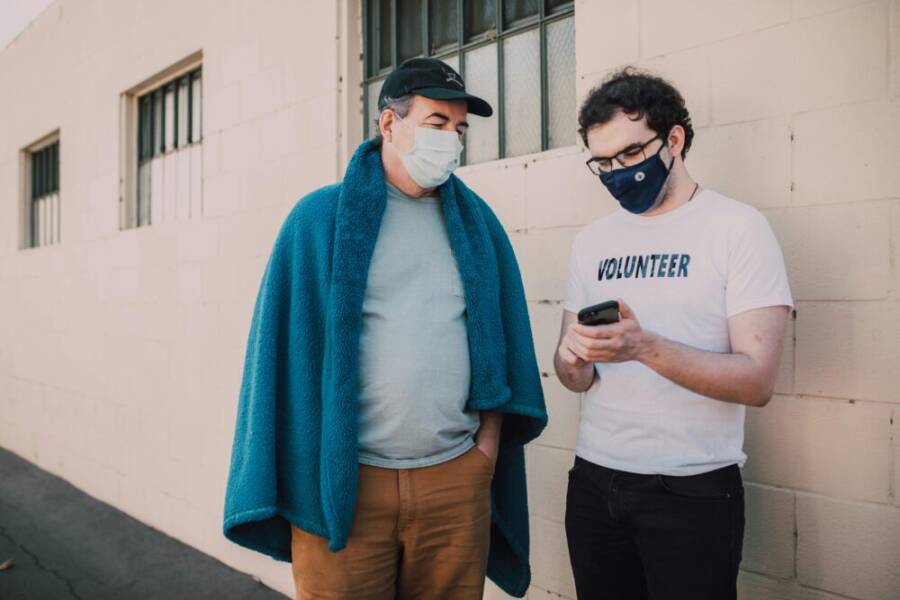
 Photo by RDNE Stock project
Live streaming setup for events
Set up a reliable live stream from the phone with a simple, repeatable checklist. Start with connectivity, then lighting, and finally a contingency plan so you’re not left in the dark if the feed drops.
She Pressed Play on a Strange Audio Track and Within Days Her Financial Reality Started Shifting in Ways She Could Not Explain
>>> See How It Works <<<
- Stable internet first: Use a strong Wi‑Fi connection at the venue and back it up with a mobile data plan. If available, enable a dedicated hotspot from a separate device to avoid crowd interference. Test speed before going live and aim for upload speeds above 3 Mbps for smooth 1080p streams.
- Lighting basics: Position the camera so light falls on the speaker’s face. Use natural light when possible, but have a portable LED light with a dimmer for indoor events. Avoid harsh backlight by keeping light sources in front of the subject.
- Audio matters: A compact lavalier mic or shotgun mic improves clarity. If you must use built-in audio, stay close to the speaker and reduce ambient noise with a windscreen.
- Framing and stability: Hold the phone with two hands or use a lightweight tripod or gimbal. Keep the horizon level and frame the subject from chest to head for readable captions later.
- Backup plan if connectivity drops: Have a secondary device ready to switch to a local recording. If your main stream cuts, switch to saving buffers on the second device and inform supporters with a short post detailing the temporary outage. Pre-create a short, caption-ready post to reannounce the stream once the connection returns.
- Quick setup checklist (copy this to a shared doc for volunteers):
- Test internet speed at venue
- Connect hotspot as backup
- Attach external mic and light
- Check battery level on both devices
- Preload lower-third captions and donor thank you templates
- Have a plan to pause and resume with a screen message for viewers
For further reading on building stronger smartphone streams, see guides that cover live streaming setups and tips for a solid on-the-go broadcast. Example: Building Your Smartphone Live Streaming Setup. You can also review practical steps for live streaming an event to help with planning and execution. https://www.eventlive.pro/blog/tools-to-improve-your-smartphone-streaming-setup
Recording donor testimonials and impact stories
Donor and beneficiary stories power fundraising. Capture concise, humane interviews that convey the impact your organization makes. Prepare questions in advance, secure consent, and frame shots so the interviewee remains the focus.
- Interview tips:
- Start with consent and a quick purpose statement. “We’d love to hear how your donation helped this project today.”
- Keep questions short and open ended. Encourage specifics like moments or outcomes.
- Position the interviewee at eye level and maintain a close yet comfortable distance.
- Limit shooting to 2–3 minutes per testimonial to keep attention high.
- Framing and composition:
- Shoot at head and shoulders with a clean background. If possible, include a relevant context item, such as a project banner or a visible donation mockup.
- Use a shallow depth of field when possible to separate the subject from background without blurring essential context.
- Maintain steady focus on the speaker’s eyes and ensure good audio capture.
- Consent and privacy:
- Get written or recorded verbal consent before filming. Use a simple release form that covers usage rights and duration.
- Clarify how footage will be used, including social posts and fundraising materials.
- Example prompts (short, respectful, and effective):
- “What change did your donation make in this project?”
- “Can you describe a moment you witnessed today that stood out?”
- “Why is this work important to you personally?”
- “What would you say to someone considering a donation right now?”
- “How would you describe the impact of this program in one sentence?”
To see how nonprofits structure donor stories for social impact, review examples of donor testimonials that focus on tangible outcomes and personal voices. Helpful resources include a guide to fundraising video making and storytelling best practices. https://animoto.com/business/fundraising-video
On-device editing and quick posting
Speed matters in fundraising. An efficient on-device editing workflow lets you publish timely updates, highlight reels, and donor thank yous within hours rather than days.
- Editing workflow:
- Ingest footage and label clips by scene (event, interview, b-roll).
- Do a quick trim to remove pauses and errors. Keep clips under 20–30 seconds for social posts.
- Apply a consistent visual style: a simple color grade, legible captions, and a clear call to action.
- Use templates for donor messages and captions to accelerate posting.
- Apps and templates:
- Lightweight editors on phones can handle trims, transitions, and basic color correction. Look for apps that offer templates for storytelling, captions, and branded lower thirds.
- Save reusable templates for captions, lower thirds, and end screens, so volunteers can plug in new content quickly.
- Donor-friendly templates:
- Caption templates should include a short context, impact statement, and a CTA like “Donate now to support further progress.”
- Use readable font sizes and high contrast captions for mobile viewing.
- Quick posting workflow:
- Create a 60-second highlight reel from a day’s footage and post during peak audience times.
- Schedule follow-up posts for the next day with updated donor impact numbers or a new testimonial.
- Cross-post across platforms with platform-appropriate aspect ratios and formats to maximize reach.
- Storage and backup:
- Cloud backup is essential. Use at least two secure backup locations and maintain an accessible archive on a local drive.
- Keep raw footage in a separate folder from edited clips to simplify future reuse or re-editing.
For editing on the go, many nonprofits rely on free or low-cost tools that balance power and simplicity. A quick
Budget, partnerships, and accessibility for charities
Budgeting for charity content requires clarity and discipline. This section focuses on choosing affordable devices, securing sponsor support that adds real value, and ensuring accessibility for volunteers and audiences. The goal is to help nonprofit teams produce compelling content without breaking the bank, while maximizing impact with smart partnerships and inclusive practices.
Budget friendly options that still deliver quality
Choosing a device that fits a tight budget doesn’t mean you compromise on essential features. Prioritize reliability, good autofocus, solid stabilization, and usable battery life. Look for models that balance performance with price, and consider a practical upgrade path as fundraising grows.
Key buying criteria:
- Stabilization and lens system: Optical stabilization (OIS) or in-body stabilization (IBIS) helps keep footage steady in crowded or moving environments. Even midrange phones with strong stabilization can deliver noticeably smoother donor stories.
- Camera versatility: A wide and standard lens, decent low light, and reliable autofocus support quick turnarounds during events.
- Battery life and charging: All-day endurance matters. Pair the phone with a portable charger for long campaigns and day-long live streams.
- Storage and speed: Ample internal storage plus fast memory helps when you shoot many clips and edit on the device. A model with room to grow saves trips to offload footage.
- Durability: A rugged build with a good case reduces training time for volunteers and protects against the bumps of field work.
Practical approach:
- Start with a well-priced flagship or a strong mid-range option that offers consistent camera performance and stable software updates.
- Favor devices with on-device editing capability. Quick trims, captions, and branding templates cut turnaround time.
- Plan a phased kit: one dependable main device per team and a couple of budget backup phones for volunteers.
Useful sources for budget picks and real-world performance can guide your final choice. For example, broad evaluations of budget camera phones and mid-range devices provide context on what to expect in video quality and stabilization. See: https://www.digitalcameraworld.com/buying-guides/best-phone-for-video-recording
If you want a compact list of affordable contenders, pairing a strong budget phone with lightweight accessories often yields the best results for nonprofits. A simple rule of thumb: invest more in stabilization, audio, and storage than in the flashiest camera specs.
Securing device sponsorships and donations
Partnerships with brands can stretch your budget and boost credibility. The right sponsorship, when properly managed, creates a win-win: sponsors gain exposure to supporters while you gain high-quality gear.
Practical steps to approach brands:
- Define value for sponsors: Outline audience reach, story-driven use cases, and clear exposure moments like branded intros, lower thirds, and thank-you screen templates.
- Create a compelling pitch: Share your mission, audience demographics, and a short media plan showing how the device will be used in real campaigns.
- Offer tangible deliverables: A sponsorship deck with post-event reports, impact metrics, and sponsor logos in final videos helps prove value.
- Prove impact with case studies: If you have past campaigns, quantify outcomes like increased donations or volunteer signups from smartphone-driven content.
- Build a sponsorship package: Include different levels (metal, gold, platinum) and specify what each level includes, such as equipment, co-branded materials, and event coverage.
Documentation and reporting matter. After events, share sponsor impact summaries with video clips, reach analytics, and donor engagement metrics. This builds trust and improves chances of future support.
Practical outreach ideas:
- Contact nonprofits’ trusted suppliers or local tech retailers about donation programs. A local business may offer discounted devices in exchange for community exposure.
- Propose a short-term loan or print-on-demand content package that showcases the device’s capabilities in real-world campaigns.
- Include privacy and data security assurances. Demonstrate how donor information stays protected during shoots and livestreams.
For deeper guidance on mobile fundraising and sponsorships, see resources on mobile giving and nonprofit partnerships. Helpful reads include: https://donorbox.org/nonprofit-blog/mobile-giving and https://www.vancopayments.com/non-profit/blog/mobile-donations-for-nonprofits
Documenting impact is crucial for sponsors. After each campaign, publish a compact impact report featuring clips, a brief narrative, and key metrics like reach, engagement, and donations generated. This makes a strong case for future collaborations.
Must-have budget accessories
Accessories often have the strongest impact on quality while keeping costs in check. A few well-chosen add-ons can dramatically improve audio, lighting, and stability without requiring a big budget.
Essential budget-friendly extras:
- External microphone: A compact lavalier or shotgun mic improves audio clarity in windy or noisy environments.
- Portable light: A small panel light with adjustable brightness helps eliminate harsh shadows and keeps faces clear.
- Tripod or grip: A lightweight tripod or handheld gimbal stabilizer provides steady framing during interviews and b-roll.
- Extra chargers and power bank: Ensure you can power up between sessions, especially during long campaigns or multi-day events.
- Phone mounts and clamps: Safe, secure mounting for steady shots and sunglasses-friendly use in bright outdoor settings.
- Basic wind protection: A simple windscreen helps reduce wind noise for outdoor shoots.
Budget-friendly setup example:
- One sturdy smartphone, one external mic, one compact LED light, one small tripod, two extra power banks, and a few microSD or cloud storage plans. This keeps your kit portable and scalable as funds allow.
Real-world tip: pair a budget mic with the phone’s built-in camera for interviews and keep a lightweight light on hand for indoor shoots where lighting is uneven. This combination often yields reliable, professional-looking results without a large outlay.
Incorporating images helps readers visualize gear setups and workflows. For a practical visual, consider an interior shot showing volunteers filming with a phone, mic, and light in a compact running setup.
Example image to accompany this section:
- A compact on-the-go content kit laid out on a table.
Photo by RDNE Stock project
Photo description: A volunteer setup with smartphone, mic, and light ready for an interview.
Images credits:
- Photo by RDNE Stock project
Conclusion
Both the iPhone 17 Pro Max and the Galaxy S25 Ultra stand out as top choices for charity and fundraising content, delivering steady video, crisp autofocus, and reliable all-day performance that teams can trust in the field. A smartphone with strong stabilization, solid battery life, and easy on-device editing lets volunteers tell authentic donor stories quickly and at scale. Any of these options can power compelling charity content, from donor testimonials to live events, as long as you pair the device with a simple, rugged workflow. Start planning your first project now, pick your phone, and map a lightweight content plan that fits your next event.
What If the Only Thing Between You and the Life You Deserve Is a Hidden Wealth Code Waiting to Be Activated
>>> Open the Door <<<