She Pressed Play on a Strange Audio Track and Within Days Her Financial Reality Started Shifting in Ways She Could Not Explain
>>> See How It Works <<<

Losing a phone happens more often than you think, and it can cost a lot. In the United States, about one in three smartphone owners has experienced a theft or loss. That reality makes smart habits today feel like a real protection for your data and budget.
This post shows simple, practical steps you can start today to reduce the chance of losing your phone. You’ll learn easy routines, like setting up tracking, securing apps, and keeping a backup plan ready. Small changes add up to big wins for both your device and your peace of mind.
By the end, you’ll have a clear, actionable plan you can follow step by step. You’ll know what to do before, during, and after a loss or theft, plus quick fixes to recover fast if the worst happens. Let’s turn risk into a simple set of routine habits you can stick with.
Secure habits that prevent phone loss
Losing a phone can be a quick slide from everyday routine into a scramble for data and control. The right habits create a shield that slows down or even prevents loss from becoming a data breach or costly replacement. In this section, you’ll learn practical steps you can adopt now to keep your device safe, track it if it goes missing, and reduce data exposure if the worst happens.
She Pressed Play on a Strange Audio Track and Within Days Her Financial Reality Started Shifting in Ways She Could Not Explain
>>> See How It Works <<<
Lock screen basics and Find My Phone
A strong lock on your device acts as a gatekeeper. Even a casual thief or an accidental passerby will find it much harder to peek at your messages, photos, or banking apps if the screen is protected by a PIN, password, or biometric unlock. Here’s how to make that barrier count.
- Use a unique, non-predictable lock method. A long alphanumeric password is stronger than a four digit code. If you prefer biometrics, pair it with a fallback PIN to cover edge cases like cold fingers or malfunctioning sensors.
- Enable auto-lock. Set a short timeout, so the phone locks itself quickly when you stop using it. A 30 to 60 second window is a good starting point for most people.
- Keep biometric options up to date. Re-enroll fingerprints or facial data after major OS updates or if you notice slower recognition.
- Combine security with screen security features. Turn on options like on-screen caution messages that warn others not to access your data if your device is lost.
Beyond locking the device, enable tracking and remote control so you can respond quickly if it gets misplaced. Apple’s Find My iPhone and Android’s Find My Device are reliable tools that let you locate, lock, and wipe a phone from a remote site if needed. Here’s what you can do from a computer or another device:
- Locate the phone on a map to determine its approximate location and last known position.
- Play a loud sound to help you find it, even if it’s on silent.
- Lock the device remotely and display a custom message with contact instructions.
- Erase data remotely if you fear sensitive information could be exposed.
- Notify a trusted contact with your phone’s location or status if you believe it’s stolen.
To get the most out of these features, set them up now and verify they work. If you’re using iPhone, follow the official guide to set up Find My across devices. If you’re on Android, use Find My Device to locate, secure, or erase your device when it’s lost. For quick reference, these official resources provide step-by-step setup and best practices:
- Set up Find My on all your devices: https://support.apple.com/guide/icloud/set-up-find-my-mmfc0f0c67/icloud
- Find Your Phone with Find Hub: Locate Devices & Share (Android): https://www.android.com/learn-find-hub/
- How to turn on Find My Device on Android: https://www.asurion.com/connect/tech-tips/how-to-turn-on-off-find-my-device-on-android/
- Find, secure, or erase a lost Android device: https://support.google.com/android/answer/6160491?hl=en
In addition, consider a simple backup plan. If the phone is lost and you cannot recover it, a recent backup means you can restore data to a new device. Regular backups protect your photos, messages, and apps from a sudden loss. For people who travel or work remotely, this is especially valuable because it minimizes downtime and data gaps.
A quick routine you can adopt:
- Weekly: Check that Find My features are enabled and visible on your device.
- Monthly: Verify last backup date and run a test remote lock or ring to confirm the feature still works.
- After OS updates: Re-test Find My settings and auto-lock to ensure compatibility.
Think of Find My as your safety net. It reduces the stress of misplacing a phone by giving you real control from anywhere. The goal is not to fear loss, but to move with confidence when you misplace the device or realize a theft has occurred.
Review security settings often
Security settings aren’t a one-and-done task. They need a quick, periodic check to stay effective as apps update and permissions evolve. A monthly quick audit helps you catch careless habits before they cause trouble. Here’s a practical routine you can follow.
- Auto-lock and lock screen behavior. Confirm auto-lock is enabled and set to a short interval. Ensure your screen never stays exposed longer than necessary.
- Location permissions. Review which apps can access your location and when. Limiting location access helps protect your privacy if the phone is misplaced.
- App permissions. Look at permissions granted to each app, especially sensitive ones like camera, microphone, and contacts. Revoke any that aren’t essential for the app’s core function.
- Privacy controls. Check privacy dashboards for data that apps may collect or share. Limit data that isn’t necessary for app use.
- Security updates. Keep the operating system and security patches current. Regular updates close gaps that thieves could exploit.
A quick, friendly reminder: a focused permission strategy makes your data harder to expose. If an app doesn’t need access to something, turn it off. You don’t have to grant every permission upfront; you can enable them later when a feature requires it.
You don’t need to become a security expert to run a useful check. A 10-minute monthly audit can save you time and trouble later. For a deeper dive into Android privacy settings and controls, you can start here:
- Android privacy settings and permissions overview: https://www.android.com/intl/en_us/safety/privacy/
- Change app permissions on your Android phone: https://support.google.com/android/answer/9431959?hl=en
If you want a more guided approach, a short framework helps you stay consistent. Start with three core checks:
- Is auto-lock enabled, and is the timeout reasonable?
- Are location permissions limited to only when the app is in use?
- Are high-risk permissions (camera, microphone, contacts) restricted to essential apps only?
As you perform these checks, you’ll develop a sense of control. The phone is not just a device; it’s a personal data hub. Maintaining tight security settings reduces the chance that a lost or stolen phone becomes a data breach scenario.
Key takeaways
- A strong lock and Find My features dramatically cut the odds of casual access.
- Regular, brief security audits keep permissions aligned with current usage.
- Backups are essential, ensuring data can be restored on a new device with minimal disruption.
External resources can guide you through the specifics and help you tailor settings to your exact device and operating system. For more detail, refer to the linked guides above and the related privacy resources.
Physical safety in daily life
Keeping your phone safe in everyday chaos comes down to practical, repeatable habits. The goal is to reduce the chance of misplacing it and to minimize data exposure if it happens. These sections offer straightforward steps you can adopt today, from where to carry your device to how you handle it in busy spaces. Think of your phone as a small, valuable tool you use constantly. Treat it as you would a wallet or keys: keep it close, secure, and ready to find when needed.
Always keep your phone on you
The simplest way to cut losses is to maintain custody of your device most of the time. In busy settings like at work, on transit, or during errands, place the phone in a front pocket or a secure, zippered bag. A front pocket keeps the device within your awareness and reduces the chance someone can walk off with it without you noticing. If a pocket isn’t practical, use a bag with a dedicated, secure compartment and a zipper that closes completely.
To add an extra layer of confidence, consider anti-loss accessories that keep the phone within reach without adding bulk. A phone grip or a well-fitted lanyard can be a smart complement to your daily carry. Such safeguards are especially helpful in crowded environments where phones can slip from pockets or fall from hands during quick movements. If you travel often or move through transit hubs, these small belts-and-braces can save you from a frantic search later.
When you do set the phone down, make it a rule to always pick it up withinArm’s reach. A habit of checking for the device before you stand up or leave a table keeps you from leaving it behind in a taxi, cafe, or meeting room. For travelers and commuters, a lightweight belt clip or slim crossbody bag with a secure strap can be a discreet, reliable option that doesn’t slow you down. If you prefer a hands-free approach, a lanyard or crossbody strap lets you keep the device visible and accessible without cradling it in your hand all day.
- Practical tip: establish a consistent spot for your phone when you sit down—like a designated pocket or a side compartment of your bag.
- Quick win: use a pocket with a secure closure and practice returning the phone to that spot after every use.
For additional ideas on keeping your device secure while traveling, explore anti-theft accessories and bags designed for everyday use and quick access. Articles and reviews in this space offer a range of options that balance security with convenience. For more on practical security gear, see travel-focused recommendations and product roundups.
External resources:
- Travel and Leisure’s guide to anti-theft bags and accessories
Use a sturdy case and grip
A solid case that provides a good grip can dramatically reduce the risk of a drop. A case with textured sides or a built-in grip helps you maintain control, even when you’re multitasking—cooking, cycling, or juggling a coffee. If you frequently take your phone out in the open during events or outdoor activities, a case with a secure grip or a lanyard can be a lifesaver. A lanyard keeps the device tethered to your body, so a sudden tug or a stumble doesn’t send it flying.
Consider a grip that fits your hand size and phone model snugly. Some grips offer adjustable loops or finger grooves that reduce the chance of slips when you reach for something else. For many users, a combination of a strong, drop-protective case and a practical grip results in the best balance between protection and usability. If you prefer a minimal look, a slim case with enhanced grip can still offer meaningful protection without bulk.
If you’re prone to dropping your device, a crossbody strap or lanyard makes sense. It keeps the phone in a predictable place and reduces accidental losses when you’re moving through crowds or chasing after kids. You don’t need to buy the most expensive option; look for a model that securely attaches to the phone and holds firm under everyday stresses.
To broaden your options, here are a few profiles you might consider:
- A plant-based grip that also reduces wear on the phone’s edges
- A tethered lanyard that fits a range of popular models
- A rugged case with reinforced corners for dropped-phone scenarios
External resources:
- Pela Grip
- Lanyard phone cases
Be mindful in crowds and at events
Crowded venues demand extra attention. Concerts, markets, festivals, and sports events are places where a phone can vanish in an instant or become a target for pickpockets. Develop quick, practical strategies that you can deploy without slowing down your day.
First, keep the device in a secure, non-obvious spot. In crowded areas, avoid flashing the screen or removing the device from your pocket unless you need to check something specific. Glancing at messages at a concert can draw eyes that you don’t want on your device. When you do use your phone, do so discreetly and in short bursts.
Second, stay aware of your surroundings. Periodically scan the people around you, especially when you’re moving through dense sections or stepping away from your group. If you notice someone close behind you for too long, shift your path or pause to reorient. This simple awareness can prevent a close call and keep your device where it belongs.
Third, use practical placements for quick access without inviting attention. A front pocket, a secure belt bag, or a small crossbody with a zipper is preferable to an open tote. When you’re taking photos or sharing moments, pause in a safe corner and store the device away once you’re done.
What If the Only Thing Between You and the Life You Deserve Is a Hidden Wealth Code Waiting to Be Activated
>>> Open the Door <<<

If you’re attending a large event or traveling through busy areas, review a quick pre-event checklist:
- Ensure Find My and similar services are enabled and tested before you arrive.
- Pack a protective case with a grip or lanyard as the default setup.
- Choose a secure carrying option that keeps the device within your field of view.
For further perspectives on keeping a phone secure in busy environments, you can find discussions and tips from community forums and travel groups. These user-generated insights often highlight practical hacks that work in real-life scenarios.
External resources:
- Reddit discussion on securing phones in crowded spaces
Putting it all together, these habits form a simple, reliable framework for physical safety in daily life. They don’t demand radical changes to your routine, just small adjustments that pay off. By keeping your smartphone within reach, investing in a sturdy grip, and staying mindful in crowded places, you lower the chance of loss and reduce the risk of data exposure if something goes wrong.
Key takeaways
- Prioritize proximity: keep the device in a front pocket or secure bag location.
- Improve grip: choose a case with texture or add a lanyard for active days.
- Stay aware in crowds: limit screen exposure and maintain constant situational awareness.
With these practices, you’ll move through daily life with greater confidence. Your phone remains a reliable tool, not a weigh that slows you down.
Smart travel and commute habits
Smart travel habits protect more than just your time; they protect your data and peace of mind. This section focuses on practical routines you can adopt during daily commutes and travel to reduce the chances of losing your phone. You’ll learn where to keep it on transit, how to create a quick pre-trip checklist, and simple safeguards that pay off in real life.
Plan where you put your phone on transit
A fixed spot on trains and buses makes a big difference. The moment you sit down, place your phone in a dedicated pocket, front pouch, or side compartment of your bag so you can spot it quickly when you stand up. Avoid leaving the device on a seat or table where it can be forgotten as you move along with the crowd. This simple discipline turns a fleeting moment of distraction into a reliable habit.
- Choose a consistent location. A front pocket or a zipper-secured bag compartment works well for most travelers.
- Use a small reminder. A sticky note on your bag or a phone stand at your usual seat can cue you to grab the device before you exit.
- Consider anti-theft accessories. A slim lanyard or compact grip helps keep the device within reach without slowing you down.
If you do misplace the device on transit, you can take quick steps to recover it. Use tracking features like Find My on Apple devices or Find My Device on Android, which let you locate, ring, or secure the phone from a computer or another device. For swift guidance, see these starter resources:
- Protect Your Mobile Device on public transit: https://www.metrotransit.org/protect-your-mobile-device
- Tips For Protecting Your Phone on Public Transport: https://www.loveitcoverit.com/news/phones/phone-crime/tips-for-protecting-your-phone-on-public-transport/
A short routine helps: before you leave your seat, scan your area for the phone; when you stand, do a quick, deliberate check of your usual spot; and after you exit, confirm you have the device in hand. This small habit reduces the risk of leaving behind a valuable tool in a vehicle or station.
Avoid leaving it in cars or hotel rooms
Leaving a phone in a car or hotel room is a common slip that can lead to anxiety and data exposure. The remedy is a simple, repeatable routine you can trust anywhere you travel. Start with a designated storage spot you always use when you’re not actively using the device.
Thousands of People Were Struggling With Money Until They Discovered This One Ancient Secret Hidden in Sound
>>> Unlock It Now <<<

- In your car: design a fixed, secure stash spot that you can reach before you lock the car. A center console cubby or a dedicated phone holder with a snug mount helps you grab the device on the way out.
- In hotel rooms: create a simple two-step routine. When you arrive, place the phone in a secure spot like a locked drawer or a dedicated hotel-safety pocket. At night, return the phone to the same place as part of your wind-down routine.
- Use a reminder cue. A quick check before you leave the room or unlock the door helps you avoid leaving it behind.
Developing a simple nightly routine can prevent loss during trips or work travel. For more ideas on secure storage while away from home, explore guidance from safety-focused sources:
- Designate a Secure Storage Location in a hotel room: https://www.mcafee.com/blogs/family-safety/travel-smart-protecting-your-familys-smartphones-while-on-vacation/
- Physical security tips while traveling: https://oit.utk.edu/security/learning-library/article-archive/physical-security-tips-while-traveling/
Beyond storage, establish a quick check each day. Before you leave any place, confirm you have the phone in your possession. If you’re sharing a ride or staying in a busy environment, keep the device out of sight when not in use and avoid leaving it on a surface where it can be easily overlooked.
Key takeaways
- Pick a fixed, secure spot for the phone on the go.
- Use a simple, repeatable hotel room routine to keep it safe.
- Pair storage with a reminder system to prevent forgetfulness.
With these practices, you can travel with confidence, knowing your phone stays within reach and your data remains protected. For additional perspectives on keeping your device secure while traveling, you can explore discussions in travel communities and security-focused resources.
Recovery and data protection
Losing a phone can feel chaotic, but a calm, practiced plan reduces the damage. This section covers how to use tracking and remote actions, keep data safe through regular backups, and set up quick reporting steps. With these habits, you can locate, secure, and recover faster, while minimizing data exposure.

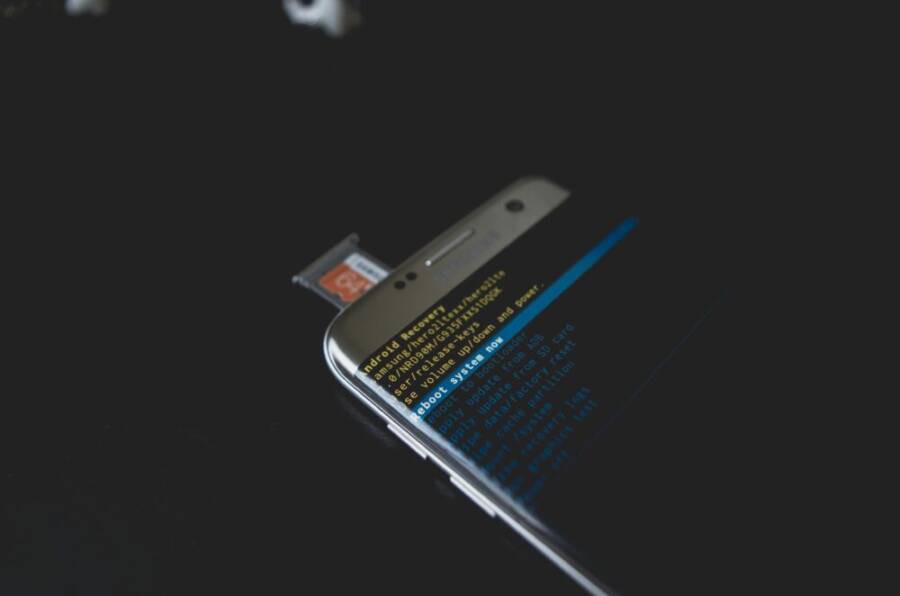
Photo by Kelvin Valerio
Use tracking and remote actions
Tracking features turn a lost phone into a recoverable item rather than a total loss. They let you locate the device on a map, trigger alarms, lock the device, and even erase data if necessary. Acting quickly protects sensitive information and increases the chance of recovery.
- Locate and map the device: Use Find My iPhone (Apple) or Find My Device (Android) to see the last known location and current position.
- Ring or alert: If the phone is nearby, use a loud ring to locate it, even if it’s on silent.
- Lock and display contact info: Remotely lock the device and present a custom message with a return contact.
- Protect sensitive data: If the device is truly lost, consider remote data erasure to prevent access to accounts and files.
- Notify a trusted contact: Share your phone’s location or status with someone you trust who can help.
Action steps to take right away after a loss:
- Confirm the device is actually lost and not misplaced.
- Use tracking to try to locate it and ring if possible.
- Lock the device remotely and enable a message with return instructions.
- If there’s any risk of exposure, wipe the data and change critical passwords from a safe device.
- File a loss report with your carrier and, if appropriate, local authorities.
Quick reference resources:
- Find My on Apple devices: https://support.apple.com/guide/icloud/set-up-find-my-mmfc0f0c67/icloud
- Find My Device on Android: https://support.google.com/android/answer/6160491?hl=en
Tip: set up these features now and run a test. A quick test could be a remote ring or a simulated lock to verify everything works. If you switch devices or OS versions, recheck the settings to ensure continued protection.
Back up data regularly
Backups are your buffer when a device goes missing. By storing copies of photos, documents, and contacts in the cloud or on a computer, you can restore much of your life on a new device with minimal downtime.
- Cloud backups: iPhone users should rely on iCloud, while Android users typically use Google Drive. Enable automatic backups and verify success.
- Local backups: Periodically back up to a computer or external drive. This gives you a second layer of protection beyond the cloud.
- Hybrid approach: Use both cloud and local backups for maximum reliability.
Establish a simple backup cadence that fits your routine:
- Weekly: Confirm backups ran and data is accessible.
- Monthly: Check the last backup date and test a restore on a spare device.
- After OS updates: Ensure backup processes are still functioning and up to date.
Why backups matter: a recent backup means you can restore data to a new device quickly, reducing downtime and data gaps when you replace a lost phone.
Helpful reference guides:
- Backup methods for iPhone or iPad: https://support.apple.com/en-us/108771
- The Complete Guide to Smartphone Data Backup Solutions: https://cmitsolutions.com/austin-tx-1079/blog/the-complete-guide-to-smartphone-data-backup-solutions/
- How to back up your Android phone: https://www.android.com/intl/en_us/safety/privacy/
Have quick reporting steps ready
A clear, fast reporting path speeds up recovery and prevents unnecessary charges or misuse. Create a simple checklist you can follow the moment you realize the phone is missing.
Checklist to follow now:
- Report the loss to your carrier. They can suspend service to prevent fraudulent charges and help with device deactivation.
- File a police report if the device was stolen or if required by your insurer.
- Alert accounts that use phone verification. Change passwords and enable two factor authentication on sensitive services.
- Check for remote wipe if you fear data exposure, and monitor for unusual account activity.
Important official and practical resources:
- Protect Your Smart Device by the FCC: https://www.fcc.gov/protect-your-phone
- What to do if your phone is lost or stolen by Asurion: https://www.asurion.com/connect/tech-tips/what-to-do-when-your-phone-is-lost-or-stolen/
- Lost or Stolen Phone? Follow These 9 Steps: https://www.dropbox.com/resources/what-to-do-if-your-phone-is-stolen
Quick everyday steps you can take now:
- Save a short, shareable checklist in a notes app for use during an incident.
- Keep your carrier’s emergency contact number handy in your notes.
- Maintain a minimal set of critical accounts with strong, unique passwords and 2FA.
By establishing these three pillars—tracking and remote actions, regular backups, and ready reporting—you create a safety net that minimizes risk and speeds recovery when the unexpected happens. With practice, these steps become second nature, and you gain confidence in handling phone losses without panicking. External resources can guide you through device-specific steps so you can tailor the plan to your setup. For deeper guidance, consult the linked guides and security resources above.
Conclusion
Small daily actions add up to big protection for your smartphone. Focus on three core habits: secure lock and Find My features, regular security checks, and reliable backups. Each routine reduces risk and speeds recovery if the device is ever lost or stolen. Start with one habit today, and build from there—consistency compounds over time. Thanks for reading, and share which habit you’re starting this week.
What If the Only Thing Between You and the Life You Deserve Is a Hidden Wealth Code Waiting to Be Activated
>>> Open the Door <<<