He Was Drowning in Bills and Burnout Until a Simple Daily Ritual Rewired His Brain for Wealth in Less Than a Week
>>> Start Your Shift Today <<<

Imagine you’re at the checkout and you realize you can snap a receipt in seconds with your phone. Free apps turn your phone into a scanner that’s ready to go right out of the box. No extra gear, no trips to the store tech desk, just your everyday device.
This guide shows how simple it is to scan receipts, contracts, and notes on the fly. You’ll see how quick captures become clean PDFs you can share instantly. The best part is you don’t pay a dime for the core tools or the basic features that matter most.
You’ll get quick wins that save time and effort. No hardware to buy, no subscription traps to worry about. These apps work offline when needed, and they sync to the cloud for access across devices. It’s a small setup that pays off whenever you need a document on the go.
We’ll tease a few top picks and share practical tips to boost reliability. Look for apps that auto crop, correct perspective, and compress files without sacrificing readability. I’ll point out the best options for different uses, from receipts to legal contracts, so you can pick what fits your routine.
She Pressed Play on a Strange Audio Track and Within Days Her Financial Reality Started Shifting in Ways She Could Not Explain
>>> See How It Works <<<

Ready to turn your smartphone into a portable scanner? Start with the basics: open the app, aim at the document, snap, and save as a PDF. In seconds you’ll have a neatly organized file you can search, share, or archive. With these tools, you’ll move through paper clutter faster and keep everything you need right at your fingertips.
Why Phone Scanner Apps Save You Time and Money
Smartphone scanner apps are small tools with a big impact. They turn ordinary phones into portable document hubs, letting you capture, organize, and share papers in moments. No phone accessory required, no special equipment, just your device and a reliable app. Below you’ll find why these tools are a smart addition to everyday life and work.
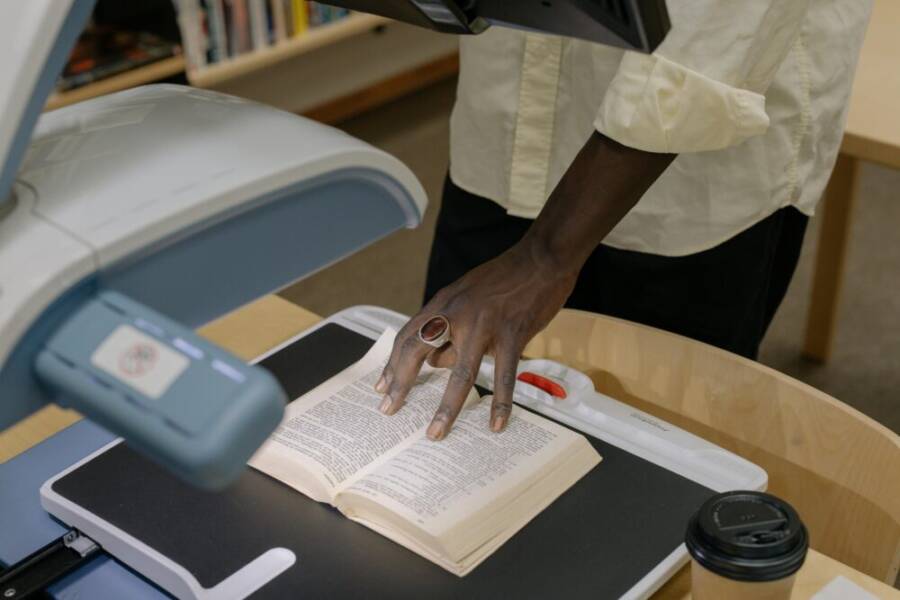
 Photo by cottonbro studio
Time saved at a glance
- Capture on the fly: With a tap, you scan receipts, notes, and forms without fiddling with a dedicated device. The process is fast enough to replace taking photos and naming files later.
- Instant searchability: OCR converts scans into text you can search. That means you don’t have to rummage through stacks to find a specific line or amount.
- Quick edits and reprints: If an image needs cropping or perspective correction, most apps fix it automatically. You can re-scan in seconds if needed, reducing delays.
If you or your team handle a lot of paperwork, the cumulative minutes saved each week add up quickly. The same logic applies to personal life too, like organizing travel documents, receipts, or contracts during a move or a project.
Money saved through efficiency
- No hardware purchases: A good scanner app replaces the need for a dedicated scanner or copier. You already own the device in your pocket.
- Reduced paper consumption: Digital documents reduce ink, toner, and paper waste. This is not only cost-saving but better for the environment.
- Lower storage costs: Digital files take up far less physical space and can be stored in the cloud. That means less need for filing cabinets, boxes, and office real estate.
- Fewer missed deadlines: Quick scans mean faster sharing with clients, colleagues, or vendors. Clear, timely communication helps you avoid late fees and penalties.
For many people, the biggest savings come from eliminating the need to print drafts or sign off on documents in person. When you can send a scan to a recipient instantly, you reduce trips, waiting time, and the chance of miscommunication.
Reliability that keeps you moving
- Auto crop and perspective correction: High-quality scans look like they were produced on a flatbed scanner, even if you took the photo at an angle.
- Consistent file formats: Most apps export to PDF or image formats you already use. This makes archiving and sharing predictable.
- Offline capability: You can capture and store scans without a data connection. Then sync when you’re back online, so your workflow isn’t tied to Wi-Fi.
These reliability features matter more than people expect. A smooth scanning experience reduces frustration and keeps you focused on the task, not the tooling.
How scanner apps fit into real life
- For students: Digitize lecture notes, handouts, or lab sheets. Create a single, searchable repository you can access from any device.
- For professionals: Scan contracts, receipts, and expense reports on the go. Attach PDFs to emails or upload them to project management tools in minutes.
- For travellers: Save travel documents, itineraries, and reservations in one accessible place so you’re never scrambling at the last moment.
If you’re deciding which app to try first, look for auto cropping, clarity enhancements, and a fast export option. These little touches make a big difference when you’re processing several documents a day.
How these apps fit into a workflow
A simple, repeatable process keeps you efficient:
- Open the app and place the document on a clean surface.
- Capture with a steady motion, then let the app auto crop and correct the image.
- Save as PDF or another preferred format.
- Rename and tag for quick retrieval, then share or archive.
Consistency matters. When you adopt a straightforward workflow, you spend less time figuring out how to use the tool and more time getting tasks done.
What to look for in a free scanner app
- Automatic cropping and edge detection: This trims unnecessary margins and yields crisp documents.
- Optical character recognition (OCR): Converts images to editable text when possible, enabling quick searches.
- File compression: Reduces file size without sacrificing readability, making sharing easier.
- Export options: PDF is standard, but having options like JPG, PNG, or multi-page PDFs adds flexibility.
- Cloud sync and offline mode: The balance between local storage and cloud access keeps your documents portable and safe.
If you want a deeper dive into the benefits, see discussions on how mobile scanning supports productivity and organization. For example, a look at how mobile scanning digitizes documents, uses AI for crisp scans, and enables access from anywhere is useful for students and professionals alike. You can read more about these advantages in resources like this overview of mobile scanning benefits.
Real-world examples and credible references
- A quick read on the tangible benefits of free scanner apps explains how they declutter wallets, improve access to documents, and boost organization. This is a practical perspective for anyone considering a switch to mobile scanning.
- For students, a toolkit on mobile scanning discusses how scans become editable documents with OCR, enabling easy note sharing and quick edits.
- A general guide to going digital with a free scanner app highlights on the go capabilities, time-saving features, and security improvements that come with digital documents.
To explore practical perspectives and use cases, check these reliable sources:
- Top 7 Benefits of Using Easy Scanner App
- Student’s Toolkit: The Benefits of Mobile Scanning
- Discover the Benefits of Going Digital with a Free Scanner App
These links provide additional context and real-world scenarios you might encounter when you start using a scanner app. They complement the practical guidance shared here without overwhelming you with jargon.
A quick note on privacy and permissions
- Review what data the app can access. Some apps request camera, storage, and cloud permissions. Make sure you’re comfortable with how your data is used and stored.
- Choose apps from reputable developers with clear privacy policies. If a feature feels invasive, look for alternatives.
- Regularly update the app. Updates often bring security improvements and better performance.
Smartphone scanner apps deliver clear value with minimal friction. They help you save time, cut costs, and keep important documents organized. As you test a few options, you’ll discover which features matter most for your routine and which workflow feels most natural to you.
External resources:
- Ease of use and benefits of scanner apps: https://www.easyscanner.io/post/top-7-benefits-of-using-easy-scanner-app
- Benefits of mobile scanning for students: https://iscanner.com/students-toolkit-the-benefits-of-mobile-scanning/
- Digital transition with free scanner apps: https://vida.id/en/blog/scanner-apps
If you’d like, I can tailor the next section to focus on specific app categories (receipts, contracts, or forms) and compare standout free options side by side.
Top Free Apps to Scan Documents with Your Phone
Turn your everyday smartphone into a powerful scanning tool. In this section, we cover the top free apps that help you capture, organize, and export documents on the go. Each option shines in different areas, from edge detection and OCR to multi-page exports and cloud sync. If you’re juggling receipts, contracts, or class notes, these apps keep your documents tidy and accessible. Below you’ll find concise, practical insights to help you pick the right one for your routine.
Adobe Scan: Auto-Edge Detection for Clean PDFs
Adobe Scan lives up to its name with sharp auto-edge detection that crops precisely to the document edges. The app supports multiple color modes, including black and white, grayscale, and color, so you can preserve details when scanning forms or receipts. OCR is built in, making text searchable across PDFs and JPGs. Exports are free and flexible, with options to save as PDF or JPG, and you can sync to iCloud or Google Drive for access across devices.
For many users, the strongest point is the clean, high-quality output without ads cluttering the interface. You get reliable scans even when lighting isn’t perfect, thanks to intelligent edge detection. Basic steps to get started: open Adobe Scan, align the document, snap, and let auto crop do the rest. If you rely on cloud workflows, you can store files in your preferred drive and continue work from other devices. Quick access to export options and cloud sync makes this a dependable first pick. Learn more about Adobe Scan on the official pages: https://play.google.com/store/apps/details?id=com.adobe.scan.android&hl=en_US and https://www.adobe.com/acrobat/mobile/scanner-app.html
Microsoft Lens: Best for Cropping and Export Options
Microsoft Lens excels at cropping and exporting with a well streamlined flow. It handles multi-page scans with ease, ideal for receipts, contracts, or lecture notes. The Whiteboard mode captures whiteboard content clearly, preserving ink and layout. OCR supports 100+ languages, a handy feature for multilingual documents. Export choices include PDF, Word, PowerPoint, and image formats, plus direct links to OneDrive or email for fast sharing.
Pros include no watermarks on free scans and a dedicated business card mode that pulls contact details into a card format. The main caveat is that full functionality benefits from a Microsoft account, which unlocks enhanced cloud access and synchronization across devices. Quick how-to: open Lens, select the scan type, capture, and choose your export option. For seamless workflows, you can save scans directly to OneDrive or email them right away. See Microsoft Lens details: https://apps.apple.com/us/app/microsoft-lens-scanner/id878714149 and https://play.google.com/store/apps/details?id=com.microsoft.office Lens. Link to Microsoft’s documentation for more context is also helpful: https://www.microsoft.com/en-us/microsoft-365/microsoft-lens
Google Drive Scanner: Simple Built-in Tool Everyone Has
The Google Drive app includes a built-in scanning feature that’s ready to use without any extra downloads. It automatically enhances captured documents, making them legible and tidy. Saving to the cloud is free, and you can organize scans directly within Drive folders. The main benefit is simplicity: no extra setup, just open Drive, scan, and save.
Drawbacks are mostly around editing capabilities, which are intentionally minimal in the built-in tool. Android and iOS users can follow the same core steps: open Drive, tap the scanning option, capture, and choose the destination folder. The result is a quick, reliable way to digitize notes, forms, or receipts and keep them in the cloud for access from any device. Find Drive’s scan feature in the app itself and start scanning today: https://play.google.com/store/apps/details?id=com.google.android.apps.docs&type=lite and https://apps.apple.com/us/app/google-drive-id507874739
CamScanner: Tons of Features with Free Tier
CamScanner offers a broad feature set even on the free tier. Expect a variety of filters and image adjustments to optimize readability. Annotations and tags help you organize documents, while shareable links make collaboration simple. A standout capability is math formula recognition, useful for class notes or engineering documents.
On the free plan, ads and watermarks appear on exports, which can be a drawback for polished documents. The tip is to export as a multi-page PDF when possible and use internal editing to remove unwanted content before sharing. Setup is straightforward: install the app, scan, adjust filters if needed, then export. If you want to remove watermarks and ads, you’ll usually need to upgrade, but the free tier still delivers solid basic scanning. Explore CamScanner’s features at https://play.google.com/store/apps/details?id=com.intsig.camscanner and https://apps.apple.com/us/app/camscanner-original-scanner-to-scan/id456478587
Genius Scan: Fast Scans for Everyday Use
Genius Scan focuses on speed and reliability for daily scanning tasks. It emphasizes perspective correction to ensure documents look straight and professional. Batch mode supports processing multiple pages quickly, while the resulting PDFs are searchable, making it easy to locate text later.
Pros include offline work and strong privacy controls, since scans can be stored locally before any cloud transfer. Export limits on the free plan are worth noting, but the app remains robust for on-the-go use. Tips for getting the best results: hold steady, capture with natural light, and use the perspective fix option to reduce distortion. Quick-start guide: open Genius Scan, capture, apply perspective correction, then export as PDF. Learn more from the app pages and support resources.
He Was Drowning in Bills and Burnout Until a Simple Daily Ritual Rewired His Brain for Wealth in Less Than a Week
>>> Start Your Shift Today <<<
Step-by-Step Guide to Perfect Phone Scans
Turning your smartphone into a reliable document scanner is a simple, practical habit. This section breaks down two essential steps: how to position and capture your document for a clean scan, and how to edit, enhance, and save the result for easy sharing and archiving. Follow these focused tips to get professional-looking scans every time, even when you’re on the go with your smartphone.
Position and Capture Your Document Right
Getting the best scan starts with how you lay out the page and light it. Place the document on a flat, clean surface. A plain background helps the app detect edges more accurately. Aim to fill the frame with the page, leaving only a small margin visible to guide edge detection. This reduces the chance of cropping important details later.
Lighting is critical. Use even, diffuse light rather than direct, harsh sources. Soft natural light from a window works well, or use a lamp with a diffuser to minimize glare. Avoid strong shadows that march across the page; these shadows can fool the scanner into misreading edges or text. If you’re indoors, turn off the camera flash to prevent hotspots and reflections. For some workflows, a light source at a 45-degree angle evenly across the surface delivers the best balance of brightness and contrast.
Stability matters. Keep the phone steady and parallel to the document. A slight tilt can distort perspective, making text harder to read after cropping. If you don’t have a tripod, prop your elbows on a table or use a steady grip and slow, deliberate motions when capturing. After you snap, check the preview to confirm the page is fully visible and straight. If not, recapture with a steadier hand or adjust the angle.
If you want a quick reference for common missteps, see practical tips from industry guides on avoiding glare and distortion during smartphone scans. For deeper guidance, a concise overview discusses ideal lighting and edge handling to help you achieve consistent results. See related explorations here:
- Five mistakes to avoid when scanning documents using a smartphone
- Seven tips for creating ideal mobile scans
- The complete guide to scanning documents on any Android phone
In practice, your goal is a crisp page that looks like it came from a traditional scanner. When you do, you’ll notice faster sharing, easier optical character recognition, and cleaner PDFs you can store or email without tweaks.
Edit, Enhance, and Save Your Scan
After capturing, most apps offer a quick set of adjustments that dramatically improve readability. Start with brightness and contrast to optimize how the text pops without introducing halos or noise. A simple crop helps remove unnecessary borders and focus attention on the document itself. If the page is slightly askew, use the perspective or straighten tool to align text lines and margins, so the final document looks polished.
Export options matter. Choose PDF for multi-page documents or when you want reliable archiving and searching. Some apps also export to image formats like JPG or PNG, which can be useful for sharing quick captures in chat apps or email. If you need a secure file, consider apps that support password protection or encrypted exports; this is particularly important for contracts or sensitive receipts.
Organization helps too. Rename files with clear, consistent naming and store them in the right folder. Tagging or adding metadata aids later retrieval, especially when you’re juggling many scans across categories like receipts, notes, and forms. If you work across devices, choose apps with cloud sync so you can continue on your computer or tablet without missing a beat.
For those who handle sensitive material, some tools offer added security features. You can password protect PDFs directly from the app, or store encrypted copies in a trusted cloud service. Always review the privacy settings and permissions before saving, and keep apps updated to benefit from the latest security enhancements.
If you’re evaluating a scanner app, look for these capabilities:
- Brightness and contrast controls that preserve legibility
- Precise crop and perspective correction for a flatbed-like look
- OCR to convert images into searchable text where possible
- Flexible export formats and reliable cloud options
- Local storage options for offline work and straightforward syncing
To see how top apps handle these tasks, explore practical guidance from reputable sources that discuss how to optimize scans and protect privacy. You can find insights on edge detection, lighting, and export workflows through these external resources:
- Five mistakes to avoid when scanning documents using a smartphone
- Seven tips for creating ideal mobile scans
- The complete guide to scanning documents on any Android phone
A quick note on privacy: check what data the app collects and how it uses it. Prefer apps with clear privacy policies and permission controls. Regular updates often bring security improvements that keep your documents safer as you scan more pages on the go.
External resources for practical context:
- Five mistakes to avoid when scanning documents using a smartphone
- Seven tips for creating ideal mobile scans
- The complete guide to scanning documents on any Android phone
If you want, I can tailor the next section to compare specific free tools for receipts, contracts, or forms and highlight which ones suit your workflow best.
Smart Tips to Get Pro-Level Scans Every Time
When you’re turning your phone into a scanner, small adjustments make a big difference. You can achieve crisper text, accurate edges, and reliable OCR with a few quick habits. This section focuses on practical moves you can apply in real life, whether you’re at home, in a classroom, or on the move. Use these tips to level up every capture and keep your digital copies clean and searchable.
Fix Lighting and Angle Issues Fast
Good lighting and a steady hand are the secret sauce of sharp scans. Natural light is your friend, ideally diffused through a window rather than direct sun which can create harsh shadows and glare. If you must scan indoors, soften the scene with a lamp that points toward the document at about a 45 degree angle. Avoid shining a strong light directly onto the page from above, as this creates hotspots that wash out details.
What If the Only Thing Between You and the Life You Deserve Is a Hidden Wealth Code Waiting to Be Activated
>>> Open the Door <<<

Hold the phone parallel to the document and keep it steady. A slight tilt can distort perspective and ruin edge detection. If you don’t have a tripod, stabilize your elbows on a table or lean against a wall for support. Tap the edges in the app to confirm the frame, then let auto crop take over. When glare appears, try repositioning the page or changing the diffuse lighting rather than blasting with the flash.
If you want extra guidance, practical resources discuss common scanning mistakes and how to avoid glare and distortion. For example, you’ll find tips that cover edge detection and lighting setup in several expert guides. See insights here: 5 mistakes to avoid when scanning documents using a smartphone, 7 tips for creating ideal mobile scans, and the complete guide to scanning documents on any Android phone. External references provide concrete steps you can apply today.
- https://www.techradar.com/pro/5-mistakes-to-avoid-when-scanning-documents-using-a-smartphone
- https://www.easyscanner.io/post/top-7-benefits-of-using-easy-scanner-app
- https://www.abbeyscan.com/guide/ideal-mobile-scans
With these habits, you’ll capture pages that look as if they were produced on a flatbed scanner. Consistent lighting and a steady angle reduce the need for heavy edits later, speeding up the entire workflow.
Unlock OCR for Searchable Text
OCR transforms images into text you can search, copy, and edit. The best apps place OCR front and center, often without extra steps. When you snap a page, ensure the app processes the image quickly and runs OCR in the background. This makes receipts, contracts, and notes instantly searchable in your library.
OCR accuracy improves when the page is well lit and straight. If the document has complex layouts, prefer apps that offer layout aware OCR or zones for selective text capture. After scanning, check the text layer for obvious errors and correct them in-app if needed. Then save the file in a format that preserves the text, like PDF with embedded text or a searchable image.
Several popular apps excel at OCR and export options. Adobe Scan delivers reliable text recognition across PDFs and JPGs, with flexible exports and cloud sync. Microsoft Lens also offers robust OCR across languages and direct exports to Word or PowerPoint for easy editing. Both tools keep text searchable even after compression. For quick, everyday uses, Google Drive’s built-in scan feature provides OCR with minimal setup, ideal for note taking and quick share workflows. If you rely on multi-page documents, CamScanner and Genius Scan offer strong OCR integration along with fast exports.
Explore options and confirm OCR performance on your typical document types. For a deeper dive, you can review these app guides and official pages to understand strengths and limits:
- Adobe Scan: http://play.google.com/store/apps/details?id=com.adobe.scan.android&hl=en_US
- Adobe Acrobat: https://www.adobe.com/acrobat/mobile/scanner-app.html
- Microsoft Lens: https://apps.apple.com/us/app/microsoft-lens-scanner/id878714149
When OCR works well, your digital files become a powerful search tool. You’ll locate receipts by amount, contracts by clause, or notes by keyword in seconds, not minutes. That small capability pays off across projects, budgets, and deadlines.
Conclusion
Choosing a free scanner app for your smartphone is about matching features to your daily needs. Adobe Scan stands out when you want consistently clean PDFs and strong cloud integration, making it ideal for hands off workflows where you value reliable edge detection and broad export options. Microsoft Lens shines for multi page receipts, contracts, and notes, with smooth cropping and convenient exports to Word, PowerPoint, or PDF. Google Drive’s built in scanner is the simplest option, perfect for quick captures and seamless cloud storage if you already live in Drive’s ecosystem.
CamScanner and Genius Scan offer different strengths. CamScanner gives you a rich set of image filters and organization tools, which helps when you juggle many documents in one week. Genius Scan focuses on speed and accuracy, with powerful perspective correction and offline storage, which helps when you’re scanning on the move with limited data access. Each app has a free tier that covers the essentials, so you can test without commitment and see which workflow feels most natural.
If you want to optimize your choice, start with the kind of documents you scan most. For receipts, contracts, or forms, consider the app that handles edge detection and OCR most cleanly for those formats. For note taking and class materials, look for bulk scanning and easy export to editable formats. In long runs, cloud syncing and offline accessibility keep you productive across devices.
Try one option today and compare results side by side. Tell us in the comments which app you picked and what you scanned first. If you already have a favorite, share a quick tip that helped you speed up your process. Ready to go further? download a top pick now and start organizing your papers into neat, searchable PDFs. Your future self will thank you for the extra minutes saved and the less cluttered workspace.
There Is a Frequency That the Wealthiest Families Have Used for Generations and Most People Will Never Know It Exists
>>> Open the Door <<<
