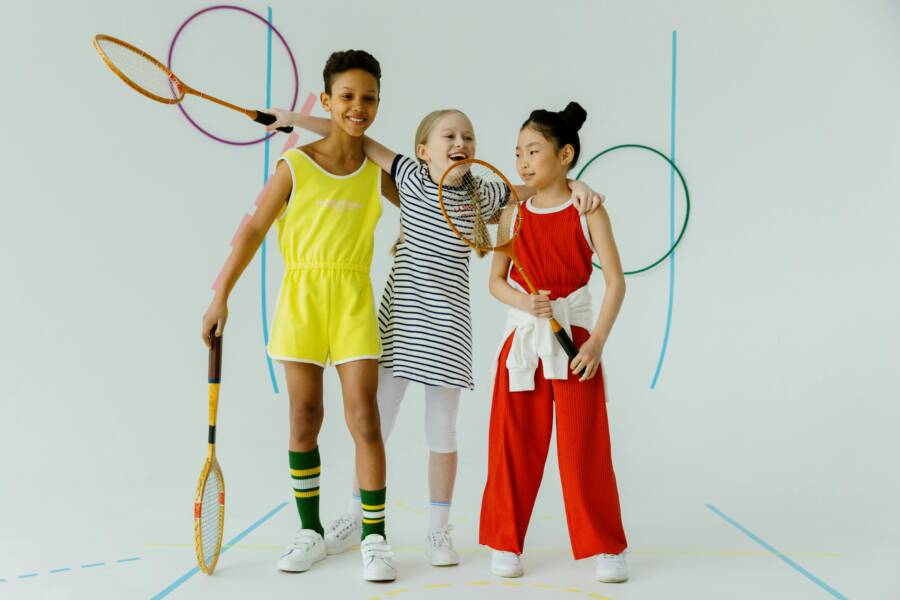
Ever wonder why table tennis draws crowds at every family gathering or park? This sport, an Olympic favorite since 1988, hooks players with its quick rallies and simple setup. Millions play worldwide, from kids to pros. For beginners, the right first paddle changes everything. A good starter paddle builds confidence right away. It helps you nail basic shots without frustration. Cheap toy versions flop and lead to bad habits.
Pick wrong, and you’ll chase the ball more than hit it. Pick smart, and skills grow fast. This guide covers paddle basics, must-have features, top beginner picks, and buying tips. You’ll learn what makes a solid beginner table tennis paddle. Focus stays on control, comfort, and value under $60. Ready to find your perfect starter paddle?
Table Tennis Paddle Basics Every Beginner Needs to Know
A table tennis paddle looks simple, but each part plays a role in your shots. Beginners benefit from understanding the setup. Most paddles split into a blade, rubbers, and handle. Pre-assembled ones suit new players best. They come ready to play, unlike custom builds.
Stick to all-round paddles at first. These balance speed, spin, and control. They forgive mistakes during practice. Many beginners grab toy paddles from discount stores. Those dimple fast and break easy. Skip them. Real paddles last and teach proper form.
Common slip-ups include ignoring weight or buying for speed only. Light paddles tire your arm less. Heavy ones build strength over time, but start light. Official ITTF rules limit rubber thickness for tournaments. Casual play ignores that. Fun comes first.
Key Parts of a Table Tennis Paddle
The blade forms the core, usually five layers of wood. It provides the base for power and feel. Thicker blades add speed; thinner ones boost control.
Rubber sheets cover both sides. Inverted rubber, with a smooth outer face, grips the ball for spin. Pimples work for defense, but beginners avoid them.
Sponge sits under the rubber. Aim for 1.8 to 2.0 mm thick. Soft sponge offers easy control; it cushions mishits.
Edge tape wraps the sides. It protects against cracks and steady shots.
- Blade: Controls flex and power (5-ply all-wood ideal).
- Rubber: Grips ball (red on one side, black on other).
- Sponge: Adds bounce (medium for starters).
- Handle: Fits your hand (more below).
These parts team up for reliable play.
Pre-Assembled vs Custom Paddles for Starters
Pre-assembled paddles shine for beginners. They cost $20 to $50. You unbox and play. No glue or tweaks needed. Brands like Stiga and Butterfly offer solid entry models.
Custom paddles let pros mix blades and rubbers. They run $100 or more. Assembly takes skill and time. New players waste money here.
| Feature | Pre-Assembled | Custom |
|---|---|---|
| Price | $20-50 | $100+ |
| Ready Time | Instant | Days/weeks |
| Skill Needed | None | High |
| Best For | Beginners | Advanced |
Go pre-made. Stiga Pro Carbon suits casual hits. Butterfly Timber adds control. They match most tables and balls.
Essential Features for Your First Beginner Paddle
New players need control first. Speed overwhelms at the start. Look for paddles rated 7 to 9 for speed, 8 for spin, and 9 for control. Light weight, 80 to 90 grams, keeps your arm fresh.
Comfortable grips prevent blisters. Affordable tags, $20 to $60, fit tight budgets. Flexible blades bend on contact. They return energy smooth.
Balance matters too. Even weight distribution aids wrist flicks. Test the grip in a store. Hold it like a handshake. Does it feel natural?
Rubber quality trumps flash. Smooth surfaces spin balls consistent. Avoid stiff setups. They punish errors.
Here’s a quick feature guide:
| Feature | Beginner Ideal | Why It Helps |
|---|---|---|
| Speed Rating | 7-9/10 | Enough zip without chaos |
| Control | 9/10 | Forgives off-center hits |
| Weight | 80-90g | Easy swings all session |
| Sponge | 1.8-2.0mm | Soft bounce for loops |
| Price | $20-60 | Value without skimping |
These specs turn practice into progress.
Best Handle Types and Grip for New Players
Most players use the shakehand grip. Fingers wrap the handle like shaking hands. Thumb rests on edge.
Flared handles widen at the base. They reduce slips and fit medium hands. Straight handles offer quick flips. Anatomic shapes curve to your palm.
Flared pros: Secure hold, less fatigue. Cons: Bulkier for small hands.
Measure your hand. From wrist to middle finger tip, 6 to 7 inches suits flared. Try both in store. Comfort wins every time.
Rubber, Sponge, and Blade Choices for Control
Inverted rubber rules for beginners. Red and black sides meet ITTF specs. They grab the ball clean.
Medium sponge, around 40 degrees hardness, cushions drives. Too thick (2.2mm) speeds up wild shots.
Blades use 5 to 7 wood plies. All-wood skips carbon for flex. DHS Hurricane builds spin slow. Donic Appelgren grips soft.
Skip pimples or anti-spin. They confuse loops. Pair red rubber forehand, black backhand. Clean often for stick.
Examples shine here. DHS 4002 rubber lasts years. Entry blades like Stiga Allround feel forgiving.
Top Recommended Beginner Table Tennis Paddles to Buy Now
Ready for specifics? These five stand out from generics. Amazon knockoffs peel fast. Name brands hold up. Real reviews praise their control.
Stiga Titan Pro: $28. 5-ply blade, 2.0mm sponge, inverted rubber. Pros: Super control, light 85g. Cons: Less spin than pricier. Great for home games.
Butterfly Ready Play: $40. Balanced all-round, flared handle. Pros: Even ratings (8/10 all), durable. Cons: Average speed. Suits club nights.
DHS A4002: $25. Chinese brand favorite, 2.0mm sponge. Pros: Tough rubber, budget king. Cons: Stiff at first. Perfect garage setup.
Palio Expert 2.0: $35. Spin-focused, anatomic grip. Pros: Quick loops, good bounce. Cons: Needs break-in. Ideal family fun.
Joola Rhyzm-P: $50. 7-ply blade, premium feel. Pros: Value spin/control, ITTF okay. Cons: Slightly heavier 88g. Step-up starter.
Buy from Amazon or sports shops. Check stock fast.
Budget Picks Under $30
Stiga Total Table Tennis hits $22. Wood blade, basic rubber. Control shines at 9.5/10. Light and flippy. Newbies love its forgiveness. Beats $10 toys in spin.
DHS A4002 rules at $25. Sticky rubber grips serves. 85g weight swings easy. Users note year-long durability. Pair with 40+ balls. First buy winner.
Best Value Paddles Around $40-60
Butterfly Ready Play ($40) edges budget ones in balance. Flared handle fits most. Ratings: speed 8, control 9.2. Club players upgrade from here smooth.
Joola Rhyzm-P ($50) packs more spin. 2.0mm sponge loops consistent. Heavier build trains control. Reviews call it “pro feel on cheap.” Palio Expert 2.0 ($35, close) adds quickness.
These outlast generics. Spend here for growth.
Smart Tips to Buy and Maintain Your First Paddle
Buy smart from day one. Follow these steps:
- Set a $20-50 budget. Control tops speed.
- Read Amazon reviews. Filter 4-star plus.
- Check ITTF sticker for fair rubber.
- Try in-store. Swing a few.
- Buy online? Pick free returns.
Maintenance keeps it fresh. Wipe rubber with damp cloth after play. No soap. Air dry flat. Store in case, away from heat.
Replace rubber yearly or when bald. Common errors: Grab heavy paddles. They strain wrists. Skip speed demons.
Pair with seamless balls. Practice forehand drives 10 minutes daily. Grip firm, wrist snap. Your game levels up quick.
Ready to Smash Your First Serves?
Grab a control-rich pre-assembled paddle under $50. Models like DHS A4002 or Stiga Titan Pro start you strong. You’ll see better shots in weeks. Fun builds skills.
Pick one today. Head to the table. Share your first paddle story in comments. What surprised you most? Check our beginner drills post next. Hit hard!