In a sport defined by fast spins and quick footwork, it’s easy to assume only the latest technology and bold attacks win matches. Yet the classical table tennis style holds a steady place in today’s game. Those traditional techniques—built on solid grip, smart footwork, and precise control—provide a reliable foundation that sharpens every shot, from the opening rally to the late point. Here’s why this time-tested approach still matters and how players at every level can incorporate it into a modern game.
The Core Principles You Can’t Ignore
The classical style rests on a few timeless principles. They’re simple, but they compound into consistent results when practiced with care.
-
Grip and stance that promote control The classic approach explores two common grips—shakehand and penhold. Both can work well in a steady, all-round game. What matters is finding a grip that allows you to hold the paddle lightly, keep the wrist flexible, and contact the ball early. A relaxed grip reduces fatigue and improves touch on soft returns and delicate placements.
Your stance should be balanced and ready. Feet shoulder-width apart, knees slightly bent, weight on the balls of your feet. This stance supports quick steps to either side and makes it easier to absorb power from your opponent without losing your own rhythm.
-
Footwork as the engine Footwork underpins every stroke. Short, precise steps beat long, wasted ones. Small steps toward the ball help you stay near the table while preserving control. Good classical players move with intent, using hip rotation to add stability rather than brute arm speed. The goal is to arrive with the paddle in a ready position, not to chase the ball with frantic swings.
-
Stroke economy over showmanship In classic play, the emphasis is on consistent contact and accurate placement rather than flashy power. You learn to push when you need to stall a rally, to drive when the ball sits up, and to loop with just the right amount of spin to shape the next shot. This approach reduces unforced errors and makes you harder to read.
-
Serving and receiving as a craft A strong serving game in the classical sense focuses on variety and control. Short serves, backspin, side spin, and float serves all have a place. The return is about reading the spin and reacting with a compact stroke that keeps you in control. When service and return are reliable, the rest of your game can grow more confidently.
-
Practice that builds a dependable toolkit The classical path prizes repetition that builds feel. Drills that reinforce touch and consistency create a toolkit you can pull from in any match. The result is a player who can adapt to different pacing and opponents without losing the thread of the game.
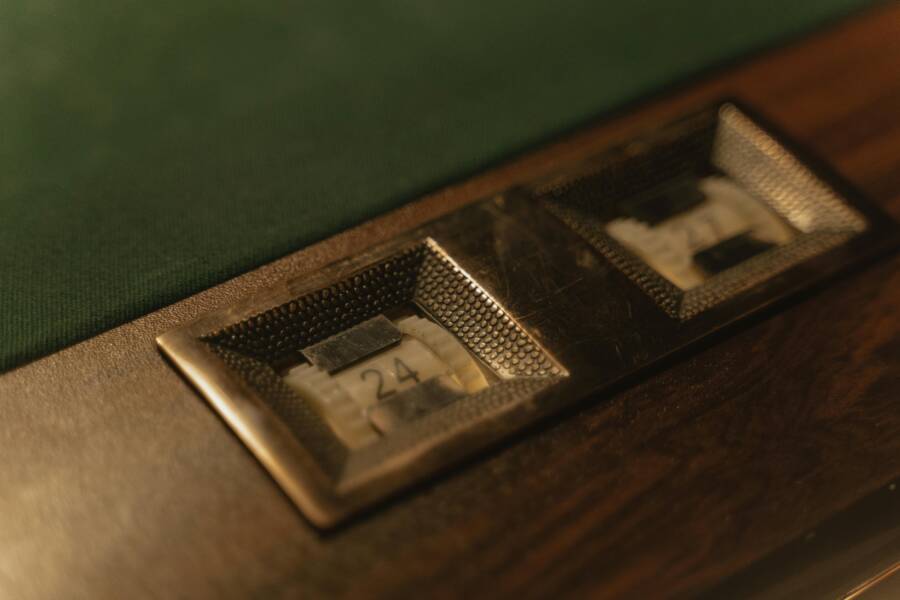
A Visual Link to the Classics
Photo by Kripesh adwani
Why These Fundamentals Matter More Than Ever
Even as the sport evolves, these basic skills stay relevant for several reasons.
- They build reliability under pressure In a fast game, nerves can set in quickly. The classical emphasis on control helps you stay calm at the table. When you can place a shot where you want it, you reduce the chance of giving your opponent a clean opening. Reliability matters more than raw speed.
- They translate across styles Whether you prefer a defensive chop or an aggressive topspin game, fundamentals like solid contact, proper timing, and steady footwork improve every variation. A strong base makes it easier to switch gears mid-rally and keep opponents guessing.
- They protect you on modern equipment The sport still values touch and precision. Even with newer rubbers and faster balls, good timing and placement survive. By mastering the basics, you gain efficiency with any gear.
- They support longevity Classical principles emphasize efficient movement. Less wasteful footwork and smarter shot choice reduce wear on the body over long seasons. Players who lean into fundamentals often stay healthier and perform more consistently.
Training That Bridges the Old and the New
Bringing classical ideas into today’s practice routine doesn’t require a full rework. It’s about layering modern drills onto timeless basics.
- Shadow play with intent Practice your two-handed or one-handed form without the ball. Focus on the feel of contact, not speed. Move through your full range of motion, ensuring your steps stay short and deliberate.
- Controlled multi-ball sessions Work on rhythm by receiving a stream of balls with small variations in spin. The aim is to keep the ball in your comfort zone while you adjust to different spins. This builds anticipation and steady hands.
- Purposeful footwork drills Use a ladder or quick step markers to reinforce precise steps. The target is light, quick contact with minimal excess movement. You’ll gain speed without sacrificing control.
- Short game and placement Practice short pushes and rapid placements to different corners. The objective is to win points with smart placement rather than brute force. Over time, you’ll notice your rallies extending and your errors shrinking.
- Serve variety with a focus on return Craft a handful of serves that mix spin and depth. Practice returning those serves with compact strokes that keep the rally alive. The goal is to turn your serve into a reliable launching pad, not a one-off surprise.
Blending Classical Grounding with Modern Tactics
If you want to win more points without abandoning the classics, here are practical steps to blend the best of both worlds.
- Diagnose your current game Watch recent matches and note where you struggle. Is your timing off on the backhand drive? Do you rely too much on power and miss placement? Identify the gaps and target those in practice.
- Balance control with speed Use rhythm-based drills to find a natural tempo. When you mix a controlled stroke with a sudden burst of speed, you gain the edge in mid rallies. Control first, speed second.
- Emphasize timing and torso rotation The body should lead every swing. Let your hips and shoulders rotate into the stroke. The paddle follows, not the other way around. This makes shots feel lighter and more accurate.
- Expand your serve and return toolkit Add new spins and variations to your serves. Practice returning with a cutting edge, aiming for short, deep, or side-deployed returns that keep your opponent on the back foot.
- Use the third-ball strategy smartly The first ball is often a setup. The classical approach teaches you to prepare a strong third ball that puts pressure on your opponent. A well-placed third ball can win you control of the rally early.
- Adapt to the opponent, not the trend Trends come and go. The core idea is to adapt using reliable fundamentals rather than chasing every new gadget. A steady game beats a flashy one when nerves are high.
Real-World Style: Defenders and All-round Players
The classical toolkit shines in defense and all-round play. Defenders rely on consistent contact and smart placement to neutralize power. All-round players use a balanced mix of push, block, and loop to control the tempo and steer rallies toward their strengths. When defenses stay calm and timing remains precise, they force mistakes from faster attackers who misread the pace and spin.
A few common myths about the classical style don’t hold up
- Myth: It’s slow and boring Reality: It’s efficient. Players who emphasize control can quicken the tempo when needed, but they win with smart placement and solid timing. The fastest points often start with a patient exchange.
- Myth: It’s only for beginners Reality: The fundamentals scale. Beginners build a solid base; advanced players layer in spin and speed while keeping the core mechanics intact. The same principles apply at every level.
- Myth: It prevents innovation Reality: It frees innovation. A strong base means you can experiment confidently with more variations because you understand the core interactions of spin, speed, and placement.
From the Classroom to the Court: A Simple Path Forward
If you’re aiming to bring the classical style into your current game, here’s a compact plan.
- Start with your grip and stance Confirm you can hold the paddle naturally and stand comfortably without tension. The goal is to be ready to react in less than a heartbeat.
- Tighten your contact Practice early contact on the ball and keep the paddle facing the ball longer. This control improves your ability to place serves and returns precisely.
- Build a short game library Create a small set of reliable shots: a reliable push, a controlled block, a clean forehand drive, and a soft topspin when the ball sits up. Use these as your backbone in matches.
- Drill to disrupt, not to dazzle Focus on outmaneuvering your opponent through placement rather than sheer speed. Navigate the table with calm, deliberate moves.
- Track progress Record a few practice days and note improvements in consistency, not just speed. Small gains in touch and placement add up over the season.
Conclusion: A Timeless Advantage You Can Build On
The classical table tennis style is not a relic; it is a living toolkit. It gives players a clear set of habits to rely on when the pace rises, when spins invert, or when nerves threaten to shake the hand. By prioritizing consistent contact, smart footwork, and varied serves, you create a platform that works across styles and ages.
If you’re looking to elevate your game, start with the fundamentals. Practice them with intention. Then add modern touches that fit your personality and match goals. The result is a game that’s both reliable and dynamic, ready to adapt to today’s fast and spin-heavy exchanges while staying true to the quiet power of good technique.
What will you add to your next practice to honor the classics while staying true to your own strengths? If you’ve found a drill or routine that helps you lock in control, share it with your teammates or club. The best improvements often come from simple, repeatable habits done well.
Photo by Kripesh adwani
Photo by Kripesh adwani