What If the Only Thing Between You and the Life You Deserve Is a Hidden Wealth Code Waiting to Be Activated
>>> Open the Door <<<

When you swap SIM cards, your phone can behave differently. Push notifications might pause or slow down for apps you rely on, from messaging to bank alerts. The good news is you can fix most issues with a practical checklist. This guide walks you through clear steps to get your notifications back on track without overhauling your device.
Push notifications are essential, and you want them to work reliably after a SIM change. Let’s start with a quick understanding of what often goes wrong and how to approach it.
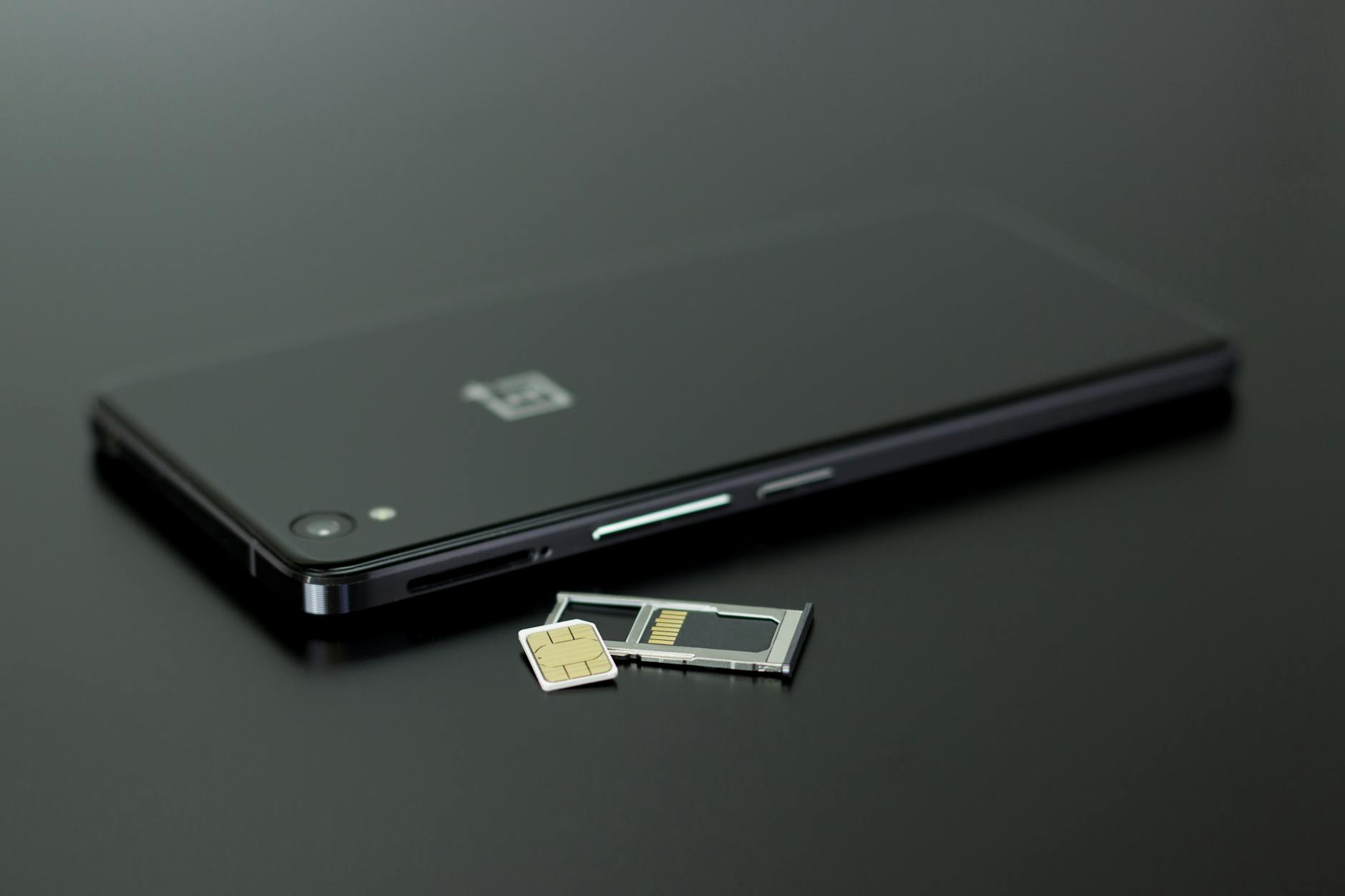 Photo by Silvie Lindemann
Why push notifications can go quiet after a SIM swap
A new SIM card updates how your phone connects to your mobile network. That change can affect notifications in several ways:
What If the Only Thing Between You and the Life You Deserve Is a Hidden Wealth Code Waiting to Be Activated
>>> Open the Door <<<
- Carrier settings may need a refresh. Some networks push configuration updates for messaging, data, and push services. If these don’t load, tokens for push services can fail.
- Authentication and device tokens can change. Apps rely on a stable connection to services like Google FCM or Apple Push. A SIM switch can trigger a token refresh that hasn’t completed yet.
- Background data and power-saving rules tighten. Some phones tighten background tasks when the network context changes to save battery and data.
- Time and region data shift. If the phone’s clock or time zone lags after the swap, some servers may discard your notification tokens as a security precaution.
- App and system permissions get tangled. A new SIM can prompt fresh permission prompts that you might miss or skip.
Keeping expectations realistic helps. Most issues resolve with a few deliberate checks, rather than a complete phone reset.
Quick, essential checks you can do right away
Begin with the simplest fixes. They fix many cases without diving into deeper settings.
He Was Drowning in Bills and Burnout Until a Simple Daily Ritual Rewired His Brain for Wealth in Less Than a Week
>>> Start Your Shift Today <<<

- Restart your phone. A full reboot helps the system reinitialize network services and tokens.
- Confirm you have signal. A strong mobile data connection is often necessary for timely push delivery.
- Verify Do Not Disturb is off. If it’s on, many apps won’t push alerts at all.
- Review app notification settings. Make sure the affected apps are allowed to send alerts, banners, and sounds.
- Check system notification settings. In addition to app permissions, ensure the OS level settings aren’t silencing all notifications.
- Ensure the SIM is detected. Go to the network settings and confirm the SIM shows up correctly. If the phone isn’t recognizing the SIM, you’ll see limited data access and potential notification delays.
- Confirm the correct time and time zone. Mismatches can disrupt secure connections with push services.
If these steps don’t solve the problem, move on to targeted checks for Android and iOS.
Android: restore push reliability with targeted resets
Android devices use Google services to deliver most push notifications. When SIMs change, you may need to refresh these services and adjust some background rules.
- Check Google Play Services status. Open Settings, Apps, Google Play Services, and confirm it’s enabled. If needed, clear cache and data, then reboot.
- Refresh Firebase Cloud Messaging tokens. Some apps don’t show a pop up for this, but you can force a token refresh by opening the app, logging out, then back in. If a specific app still misses alerts, reinstall that app.
- Review battery optimization settings. Go to Settings > Battery > Battery optimization. Exclude essential messaging apps from aggressive optimization so they can run in the background.
- Allow background data for key apps. In Settings > Apps, find each important app and enable Background data and Unrestricted data usage in data saver mode.
- Check data saver mode. If Data Saver is on, some apps may block background refresh. Disable it or whitelist the necessary apps.
- Recheck app permissions. Confirm the apps have permission to run in the background, access notifications, and use mobile data when needed.
- Update or reinstall essential services. Update the OS, Google Play Services, and any apps that show unusual notification behavior. A fresh install can clear stubborn token issues.
If a specific app still lacks alerts, try this practical approach: sign out of the app, restart, and sign back in. This prompts the app to re-request its push channel from the server.
iOS: restore push delivery on iPhone after a SIM change
iPhone users rely on Apple Push Notification service (APNs). A SIM swap can unset some iOS preferences, so a few iOS-focused checks help.
- Confirm network settings are normal. Open Settings, then Cellular. Ensure data is allowed on the line you’re using, and consider enabling 5G if available.
- Check APNs status per app. Some apps require reauthorization after a network change. Reopen the app, perform a light action, and ensure alerts appear.
- Enable Background App Refresh. Go to Settings > General > Background App Refresh. If it’s off, notifications may lag or fail.
- Review Notification Center settings. Settings > Notifications, then each app should show Allow Notifications with banners or alerts enabled.
- Verify Do Not Disturb and Focus modes. These can silence notifications for precise periods. Review Focus settings and disable any that block critical alerts.
- Update iOS and apps. System updates often include fixes for notification behavior on newer networks and SIM configurations.
- Reset network settings. If problems persist, a reset can fix deeper network misconfigurations. Note that you’ll need to re-enter Wi‑Fi passwords afterward.
If you still see problems, consider a deeper approach to token refresh for critical apps like messaging or banking.
How to handle app specific notification tokens
A few apps hold their own notification tokens separate from the OS. If those tokens don’t refresh after a SIM swap, alerts can stall.
- Sign out and sign back in. This forces the app to request a new push channel.
- Clear app cache or data. On Android you can clear cache within the app settings; on iOS, you may need to reinstall.
- Reinstall the app. A fresh install often clears stale tokens and re-establishes connections to the push service.
- Check in-app notification settings. Some apps offer granular controls (sound, vibration, banners). Ensure nothing is muted inside the app.
These steps are usually quick and highly effective for apps that push daily updates, chat messages, or transaction alerts.
When to reset network and connections
If the SIM swap creates a lingering network issue, a more thorough refresh helps. Approach this in three stages.
Thousands of People Were Struggling With Money Until They Discovered This One Ancient Secret Hidden in Sound
>>> Unlock It Now <<<

- Reset network settings on the device. This reconfigures all wireless preferences to their default state. Be prepared to rejoin Wi‑Fi networks and re-enter passwords.
- Reinsert or re-scan the SIM. Remove and reinsert the SIM card. If the phone supports multiple SIMs, ensure you’re using the correct line for data and voice.
- Reboot after changes. A final restart ensures new settings take effect and token services have a clean slate.
These steps rarely cause data loss and can fix stubborn cases where the push service is stuck in a limbo state.
Carrier support and app support: when to escalate
If you’ve done the standard checks and still see gaps in push delivery, it’s time to involve support teams.
- Contact your mobile carrier. Explain you recently changed SIMs and push notifications are delayed or missing. Ask for a quick network refresh or an assessment of your line’s data settings.
- Reach out to the app developer or provider. If the problem is isolated to one app, the issue may lie with the app’s connection to its push service. Provide device model, OS version, and a brief description of what you’ve tried.
- Use official support channels. Many brands have online guides and active communities. A short description of your situation helps technicians speed up diagnosis.
Keep a simple log of the steps you’ve taken. Include times you noticed the issue, when you restarted the device, and any changes made to settings. This helps when you reach out to support.
Preventive steps to reduce future headaches
A SIM swap shouldn’t derail important alerts for long. A few habits can keep notifications steady.
- Maintain a simple backup plan. Use a cloud backup for app data and settings so you don’t lose critical alerts if you reinstall apps.
- Keep essential apps updated. Regular updates reduce token and permission issues that can crop up after network changes.
- Periodically review notification settings. It’s easy to miss new prompts when an app gains new notification options.
- Consider a lightweight diagnostic routine. After a SIM swap, run a quick check of data connectivity and background activity on key apps.
- Enable a cross-device alert system. If you rely on another device for notifications, syncing across devices can help cover gaps during a phone switch.
A steady routine reduces the risk of missing important alerts when you’re moving between SIMs or networks.
A simple troubleshooting checklist you can print
- Restart device
- Confirm mobile data is active
- Check Do Not Disturb and Focus modes
- Verify app and OS notification permissions
- Refresh or reinstall apps with missing alerts
- Update OS and essential services
- Reset network settings if needed
- Reinsert SIM and reboot
- Contact carrier or app support if problems persist
Having a quick reference can be a lifesaver when you’re in a time crunch.
Real-world example: a common scenario
A user swaps to a new SIM while traveling. Overnight, chats and banking alerts stop arriving. The user starts with the simplest steps: a restart, data check, and permission review. Then they clear cache for Google Play Services and update the OS. Still no luck, so they sign out of the messaging app and sign back in. A full reinstall fixes the issue for that app. The user also resets network settings, reinstalls the app again, and confirms APNs for iOS or Google services for Android. By the end, push alerts arrive reliably again.
This approach shows how breaking the problem into small steps helps. It avoids blaming the network or the device and instead focuses on restoring a smooth, working state.
Final thoughts: stay proactive and patient
Switching SIM cards can behave like a reset for many parts of your phone. Most push notification issues come down to token refresh, network refresh, or a minor permission misstep. With a calm, step-by-step approach, you can usually recover notification reliability within a short session.
Remember, your goal is straightforward: restore timely alerts for the apps you depend on. By checking the basics first, refreshing services, and knowing when to ask for help, you’ll keep your smartphone communication flowing smoothly.
If you run into a hiccup you can’t fix quickly, don’t hesitate to reach out to support. A clear description of the steps you’ve taken makes it faster to pinpoint the root cause. Your notifications should be back on track soon, with minimal fuss and maximum peace of mind.
If you found this guide helpful, consider bookmarking it for the next time you switch carriers or SIMs. And share any tips you’ve learned from your own experiences in the comments. Your practical insights can help others avoid a tech snag when moving to a new network.
Photo by Silvie Lindemann
What If the Only Thing Between You and the Life You Deserve Is a Hidden Wealth Code Waiting to Be Activated
>>> Open the Door <<<