There Is a Frequency That the Wealthiest Families Have Used for Generations and Most People Will Never Know It Exists
>>> Open the Door <<<

Tradition isn’t a dusty relic from the past. It’s a living thread that holds a community together when the world spins fast. In table tennis circles, this thread is visible in the way players respect the basics, the rituals at the table, and the patience to learn from every rally. Marty Reisman stands as a quiet beacon of that idea. His career and his outlook remind us that tradition can guide the bold, not hold them back. This tribute celebrates how one player embodied timeless values and how those values stay relevant in a world hungry for speed and novelty.
Tradition is not about clinging to old rules. It’s about carrying the best lessons forward. In sports and in life, the simplest routines often yield the strongest results. The table, with its rhythm and angles, becomes a classroom where discipline, respect, and steady practice show their worth. Reisman’s story isn’t just about wins or fame. It’s about how a player can honor the craft while inviting new generations to participate. That balance—treasuring what came before while welcoming what comes next—is the heart of tradition.
Tradition also shapes communities beyond the playing field. It teaches humility, patience, and the idea that performance grows from consistent habits. When we pause to recognize tradition, we create space for mentors, peers, and family to influence younger players. Reisman understood this. He understood that a sport isn’t just about points scored; it’s about the people who keep the game honest and alive.
Tradition in practice: a steady rhythm that keeps fundamentals intact
Thousands of People Were Struggling With Money Until They Discovered This One Ancient Secret Hidden in Sound
>>> Unlock It Now <<<

Tradition in table tennis runs through every drill, match, and handshake. The basics stay constant even as equipment changes and new tactics rise. A well tuned forehand drive, a reliable serve, and the right stance are not relics; they are the platform on which innovation can thrive. Players return to these essentials as a source of confidence. They know the game is not won by improvisation alone but by mastering the core skills that endure.
Reisman understood this balance. He was known for a patient, methodical approach to training. He built his success on repetition, precision, and a clear sense of purpose at the table. That is not nostalgia for nostalgia’s sake. It is a reminder that strong performances often come from a well worn routine that respects the game and the opponent. When new players watch veterans, they don’t just learn shots. They learn why discipline matters, how to stay calm under pressure, and how to interpret a rally with care. Those are the lessons tradition habits hand down.
Marty Reisman as a Bridge Between Eras
Marty Reisman bridged the old and the new with a calm confidence that inspired both longtime fans and curious newcomers. He carried forward stories from earlier days of the sport while staying open to fresh ideas and approaches. This bridging acts as a model for how tradition can coexist with progress. It shows that respecting the past doesn’t mean refusing the present; it means using the past as a guide to better practice today.
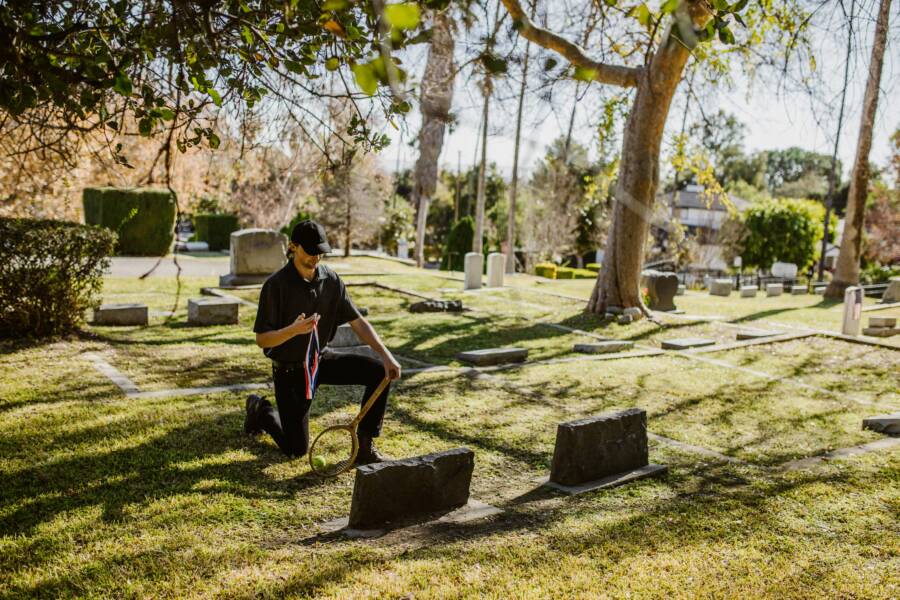
The image of Reisman in action serves as a reminder of the human side of the sport. He wasn’t just a technician; he was a mentor who spoke softly but carried a clear message: the game is about learning, sharing, and improving together. When players from different generations train side by side, they exchange more than technique. They exchange perspectives about strategy, sportsmanship, and commitment. Traditions can be living, not fossilized. Reisman’s approach demonstrates how a seasoned player can welcome younger athletes while preserving the standard of fair play and respect that defines the sport.
(Insert image here)

Photo by Kripesh adwani
In practice, bridging eras means two simple acts. First, listen more than you teach. Veterans who listen learn what motivates new players and what challenges they face. Second, share the why behind the technique. If a coach explains not just how to do something but why it works, the method becomes meaningful rather than mechanical. Reisman showed both habits in his conduct on and off the table. He reminded younger players that every shot has a reason and that the best players never forget the value of focus and patience.
Respect, etiquette, and the quiet power of example
Tradition in sport often reveals itself in small, steady acts. A nod after a great rally, a short handclasp at the end of a match, a willingness to greet an opponent with sportsmanlike words—these may seem minor, yet they shape a sport’s culture. Reisman’s career underscored how such moments carry weight. In an arena driven by speed and spectacle, his emphasis on courtesy and consistency offered a counter balance. It is a reminder that character is visible not only in victories but in the way a player handles a loss, handles a mistake, and returns to the table with renewed focus.
The values tradition teaches reach beyond the board. They apply to classrooms, studios, and studios of every craft. Discipline yields steady progress. Respect creates an environment where everyone can learn. Patience makes room for improvement, even when results seem uncertain. Reisman’s example shows that these traits are not quaint or outdated. They are foundational tools that help athletes of all levels stay grounded while they push their limits.
How to honor tradition in a fast moving world
She Pressed Play on a Strange Audio Track and Within Days Her Financial Reality Started Shifting in Ways She Could Not Explain
>>> See How It Works <<<

Tradition does not stand still. It evolves with each generation, but the core ideas stay intact. Here are practical ways readers can honor tradition in daily life and in their communities:
- Return to the basics. Revisit the core skills of your craft and practice them with intent. It’s amazing how much good technique offers when you return to it.
- Mentor others. Share what you know and listen to what younger people bring to the table. The two-way exchange keeps tradition alive.
- Celebrate small wins. Acknowledge the quiet improvements that build toward bigger goals. This reinforces the habit of steady effort.
- Preserve etiquette. A simple gesture of respect can set the tone for a productive, inclusive environment.
- Document lessons. Write down breakthroughs and recurring mistakes. The next generation will thank you for the clarity.
The lessons extend beyond sport. They apply to teams, families, and workplaces. When people focus on the fundamentals, stay curious, and treat others with respect, tradition becomes a living force that supports progress rather than hindering it.
What readers can take from Reisman’s example
Reisman’s life offers more than a history lesson. It offers a practical blueprint for how to bring purpose to everyday practice. The next time you pick up a racket, a brush, a keyboard, or a pen, think about the steady path he embodied. Start with accuracy over speed. Choose consistency over flash. Seek feedback and show up with a respectful attitude. These steps build a reputation that outlasts trends.
She Pressed Play on a Strange Audio Track and Within Days Her Financial Reality Started Shifting in Ways She Could Not Explain
>>> See How It Works <<<
For communities, Reisman’s spirit is a call to welcome new voices while preserving shared standards. It’s about creating spaces where beginners feel seen and seasoned players feel valued. A tradition-forward environment invites fresh ideas but keeps the door open to the rules, rituals, and routines that define the group. When that balance exists, a community remains strong even as its members change.
A personal note: carrying tradition forward in a modern life
Tradition is not a club that only a few can join. It is a practice anyone can adopt. Start with small rituals that bring you back to your best work. A daily warm up, a brief reflection after a decision, or a habit of helping a teammate can make a difference. Tradition also invites you to contribute your voice. Share stories of mentors who guided you. Record the lessons that helped you grow, and offer those insights to others who are starting out.
Tradition gives a life rhythm. It helps us stay present in the moment, yet plan for the future. Reisman’s example shows that tradition can be a source of confidence, not nostalgia. It can push us to improve while reminding us what matters most: fair play, shared learning, and the joy of a game well played.
Conclusion: hold tight to the core, welcome the next wave
Tradition has power when it sits beside curiosity. Marty Reisman reminds us that the best path forward honors the past while inviting new ideas to the table. The table tennis hall of fame is not just a record of wins; it is a repository of values that endure: respect for opponents, patience in the learning process, and a steady commitment to practice.
As you move through your week, bring these lessons into your routines. Return to the basics with fresh eyes. Share what you know with someone starting out. Listen more than you talk. When you do, you become part of a tradition that grows stronger with every deliberate action. Tradition is not a relic. It is a living guide that helps us become our best, together.
If this tribute resonates, consider passing along a memory of a mentor or a moment you’ve kept close. Traditions thrive on shared stories. They grow when they are put into practice. And they endure because they matter to all of us who show up, day after day, ready to learn, ready to play, ready to honor what came before.
Photo by Kripesh adwani
Photo by Kripesh adwani
This is not just about a sport. It is about a way to live with intention. The legacy of Marty Reisman invites you to join in, to show up with respect, and to keep the flame of tradition burning bright for the players who will come after.
What If the Only Thing Between You and the Life You Deserve Is a Hidden Wealth Code Waiting to Be Activated
>>> Open the Door <<<
