She Pressed Play on a Strange Audio Track and Within Days Her Financial Reality Started Shifting in Ways She Could Not Explain
>>> See How It Works <<<

Table tennis is a game of rhythm and control. For players advancing from basics, the right rubber can unlock more spin without inviting chaos in return. This guide helps intermediate players choose rubbers that boost spin reliably, while maintaining the consistency you need for solid all around play. You’ll learn how rubber type, sponge density, and blade compatibility come together to shape your stroke.
As you read, think about your current strengths. Are you a one dimensional attacker who could benefit from more topspin? Or a steady defender looking for bite on returns? The goal is a setup that makes your best shots more effective without turning your game into a guessing game.
Why spin and control matter for intermediate players
Spin is not simply a flashy bonus. It changes the landing angle, forces opponents to adjust, and often produces weaker returns in quick rallies. Strong spin on serves and opens can win points outright or set up follow ups that pressure your rival into mistakes. At the same time, control matters just as much. You need predictable bounces and a feel that lets you place shots where you intend.
Intermediate players typically have a solid technique but face two recurring issues. First, more spin can come with more variability if the rubber is too grippy or too fast for your timing. Second, a lack of control can turn aggressive spins into wild returns. The objective is to find a rubber setup that enhances your spin potential while keeping your blocks and placements reliable.
There Is a Frequency That the Wealthiest Families Have Used for Generations and Most People Will Never Know It Exists
>>> Open the Door <<<

A smart approach is to balance spin with predictable response. With the right rubber, you can spin the ball more on forehand loops and backhand pushes, while still controlling depth and placement. It’s about making your technique easier to execute, not harder.
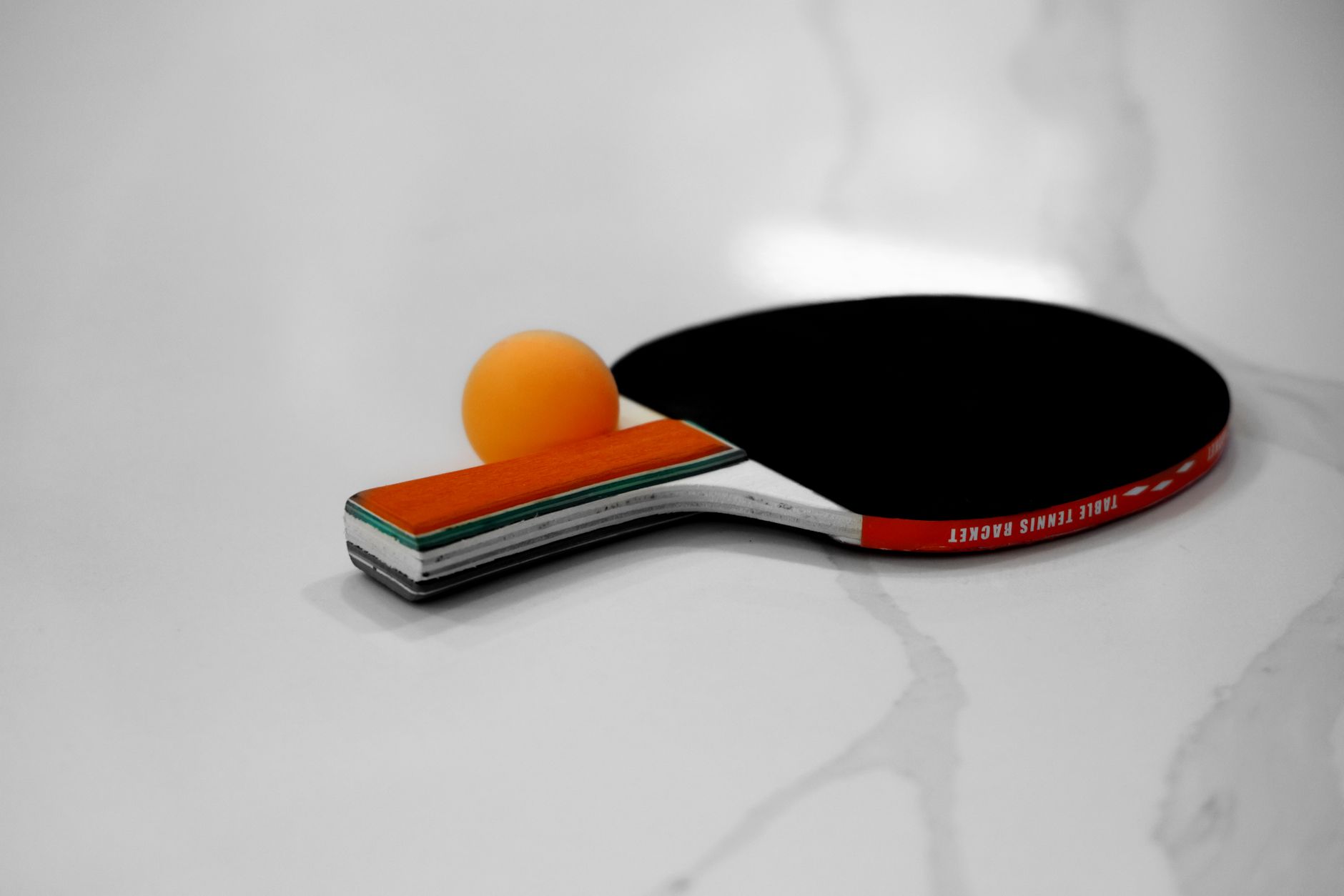 Photo by deep Bhullar
There Is a Frequency That the Wealthiest Families Have Used for Generations and Most People Will Never Know It Exists
>>> Open the Door <<<
Rubber types explained
Rubbers come in several broad families, and each has trade offs for spin and control. Understanding the basics helps you pick with confidence.
Inverted rubbers
This is the most common choice for beginners moving up. The topsheet is smooth and grippy, with the sponge underneath providing most of the speed and spin. Inverted rubbers excel at heavy topspin when you brush up on the ball, while still offering reliable blocking and countering. They’re versatile enough for a wide range of styles, from aggressive rallies to controlled loops.
Pips-out rubbers
Pips-out rubbers feature a distinctive layout where the pips on the topsheet are exposed or partially exposed. They can be shorter or longer. Short pips reduce dwell time on the ball and are often used for fast flat hits and blocks. Long pips provide deception and disruption, helping with returning faster balls while giving you more forgiveness on loop or push exchanges. For intermediate players, short pips can bite into topspin a bit more when you brush the ball, but may require better timing to keep rally control. Long pips can introduce chaos if timing is off, so they suit players who value disruption and a steadier serve receive.
Long pips and anti rubbers
Long pips and anti rubbers slow the ball and create unpredictable ricochets. They’re excellent for players who rely on variation and control through placement rather than raw spin. These rubbers are less forgiving for aggressive spin oriented play, so they’re typically used by players who want to slow down opponents and force errors in the long rally.
Core features that shape spin and control
Two main features determine how much spin you get and how easy the rubber is to handle: sponge hardness and topsheet grip. The right combination matches your swing, timing, and blade.
Sponge hardness
Sponge hardness is measured in degrees and affects dwell time, speed, and spin potential. Softer sponges (below 40 degrees) offer more dwell on contact, which amplifies spin for brush strokes and light contact. They’re forgiving on timing and help generate heavy spin with a smoother stroke. Medium sponges (40 to 45 degrees) provide a balance of dwell and speed, making them versatile for both looping and flat hits. Hard sponges (above 45 degrees) respond quickly off the bat, favor aggressive attackers who rely on speed and accuracy.
Topsheet grip
The topsheet grip determines how much spin you can impart with a given stroke. A grippier topsheet grabs the ball more, increasing spin potential but sometimes demanding more precise timing. A smoother topsheet offers consistent returns and is easier to control on fast exchanges but may sacrifice some spin on slower serves. Consider your comfort with brushing contact and your typical contact speed when evaluating topsheet grip.
Thickness and density
Rubbers come in various thicknesses, usually measured in millimeters. Thicker rubbers (2.0 mm and above) offer more potential speed and spin, especially on loops, but can be harder to control off the bounce. Thinner rubbers (around 1.5 mm to 1.9 mm) provide more control and better placement, particularly on a faster blade. For intermediate players, a mid range thickness often delivers a useful mix of spin and control, letting you experiment without losing your precision on returns.
Thousands of People Were Struggling With Money Until They Discovered This One Ancient Secret Hidden in Sound
>>> Unlock It Now <<<

How to match rubber to your stroke
Your best rubber is the one that complements your most used shots. Here are practical guidelines for common intermediate maneuvers.
Forehand topspin
If your forehand topspin relies on brushing contact, look for an inverted rubber with a mid to soft sponge and a grippy topsheet. This combination helps you generate heavy spin with a controlled arc. A 1.9 mm to 2.0 mm thickness is a good starting point for an all round attacker. If you want more bite without sacrificing control, try a slightly softer sponge within that range and monitor how the ball climbs off the racket.
Backhand loop
Backhand loops benefit from a slightly stiffer sponge to help finish drives with speed while still enabling spin. A mid range sponge with a dependable topsheet grip tends to work well. If you tend to rely on your wrist for additional spin, a softer topsheet can help you sustain spin on slower serves and returns.
Short game and service return
Short game demands consistency. A rubber with solid control and a predictable rebound makes it easier to execute fast exchanges at the net or on short pushes. A medium to firm sponge with a less aggressive topsheet reduces mis-hits and keeps the ball close to the table. If your service return involves heavy spin, ensure the topsheet grips enough to bite the ball but not so much that you over rotate and misinterpret the bounce.
Blade and rubber synergy: how gear works together
Rubber does not operate in isolation. The blade you use interacts with the rubber to shape feel, speed, and control.
Blade speed and feel
A fast blade adds momentum to your strokes, which can magnify the effect of spin you generate. If your blade is very fast, you may want a rubber with slightly more control to prevent over shooting. Conversely, a slower blade can benefit from rubbers with higher spin and a touch more dwell to create lift and improve placement on loops and drives.
How to test rubbers with your blade
When testing, focus on three aspects: spin potential, trajectory, and touch. Spin potential is how much topspin you can produce with your standard stroke. Trajectory refers to the height and curve of the ball after contact. Touch relates to feel and feedback on slow balls and short exchanges. Try pairing a mid range rubber with your blade and refine based on how well you control the ball during rallies.
Practical setups for common intermediate styles
These setups are starting points you can test and refine. They aim to balance spin with reasonable control.
- All round attacker: inverted rubber with a soft to mid sponge, 1.9 mm thickness on a mid speed blade. This combo supports comfortable looping and solid returns.
- Aggressive counter hitter: inverted rubber with a medium sponge, 2.0 mm or slightly thicker, paired with a fast blade. Expect lively spins and reliable placement.
- Versatile defender who counters: a slightly grippy topsheet with a mid sponge, 1.8 to 2.0 mm, on a controlled blade. It helps with spin on blocks and solid returns under pressure.
- Spin oriented chopper: long pips on the backhand with mid sponge and a slightly stiffer topsheet, paired with a blade that offers steady control. This setup creates variety while maintaining rally control.
If you’re unsure, start with a mid thickness inverted rubber and a balanced blade. You can adjust by moving to a softer sponge for more spin or a firmer sponge for more speed and precision.
Maintenance and lifespan tips
Rubbers wear with time, especially under heavy brushing and loops. A few simple habits extend life and maintain grip.
- Clean after use with a damp cloth or a dedicated rubber cleaner. Avoid solvents that can damage the topsheet.
- Keep rubbers covered when not in play. Use a blade case or rubber protectors to prevent dust buildup.
- Store your racket away from heat and direct sunlight. Excess heat can break down the topsheet and sponge.
- Rotate rubbers if you play several times a week. This helps even out wear and preserves spin potential on both sides.
- Test wear by watching bounce and spin. If you notice a dull bounce or reduced spin, it may be time to replace the rubber.
Quick-start checklist for spin without chaos
- Start with a mid thickness inverted rubber around 1.9 mm on a balanced blade.
- Ensure the topsheet grip matches your brushing style without making returns unpredictable.
- Focus on consistent contact with clean technique rather than forcing extra spin.
- Test a couple of setups for two weeks each to gauge feel and control.
- Note how your rallies unfold: does spin on serves create opportunities, or do you struggle with placements?
Conclusion
Choosing the right table tennis rubber for an intermediate player is a balancing act. You want more spin, but you also want reliable control through the rally. Start with a versatile inverted rubber that suits your stroke tempo, then fine tune with sponge hardness and thickness. Remember that blade compatibility matters as much as the rubber itself. With careful testing and mindful maintenance, you’ll gain the spin you seek without tipping into chaos.
If you’re looking to upgrade, begin with one solid, mid range option and pair it with a blade you feel confident using in a variety of situations. Track your progress over a few practice sessions, and you’ll notice cleaner serves, deeper loops, and more reliable blocks. Your improved control will make every spin feel purposeful, not accidental.
Would you like more tailored recommendations based on your current blade, typical rally length, and most-used strokes? Share your setup in the comments, and I’ll suggest rubber choices that align with your style. Happy playing.
Photo by deep Bhullar Photo by deep Bhullar Credit: Photo by https://www.pexels.com/@dpsinghbhullar
What If the Only Thing Between You and the Life You Deserve Is a Hidden Wealth Code Waiting to Be Activated
>>> Open the Door <<<
