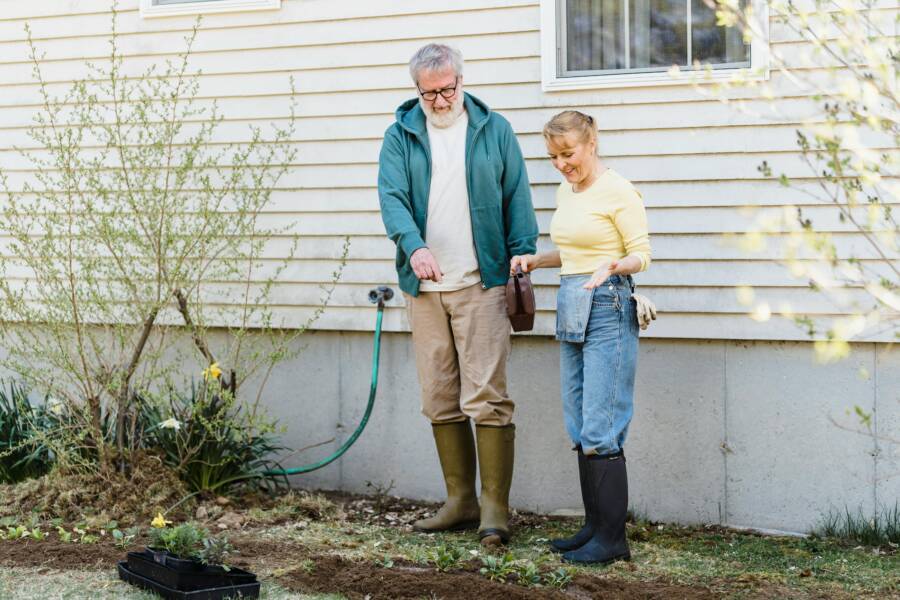
Spring signals a chance to refresh outdoor spaces after winter. With the right plan and the right tools, you can transform a tired yard into a welcoming haven. Home Depot offers a broad range of tools and accessories that fit a practical, budget-conscious cleanup. This guide shows you how to plan, choose the right tools, and follow a simple, effective cleanup process that gets your yard ready for warmer days.
Consider this a step by step approach you can adapt to any yard size. You’ll find tips that help you save time, protect your plants, and finish with a clean, healthy outdoor space.
Assess and Plan Your Spring Yard Cleanup
A clear plan makes the whole job smoother. Start by walking the yard and noting three things: what needs removal, what needs trimming, and what will require fresh soil or mulch. Take photos to track progress and to reference when you add mulch or plant new ground cover later. A simple checklist keeps you from missing tasks when a weekend comes around.
Next, set a rough schedule. Spring weather can be unpredictable, so plan around dry days when you can work comfortably. Decide which tasks to tackle first. In most yards, debris cleanup and pruning should come before laying new mulch or installing irrigation. If you have kids or pets, map out time for safety breaks and secure areas that are off limits during cleanup.
Finally, create a basic shopping list. Include gloves and safety glasses, a sturdy rake, a leaf blower, pruning shears, a saw for larger branches, a wheelbarrow, tarps, a hose, a pressure washer for hard surfaces, mulch or compost, and a soil test kit if you want to tune the soil. Home Depot carries tools from brands like Ryobi, Greenworks, Black+Decker, DeWalt, and Husky, so you can mix affordable items with higher quality gear if you want.
Essential Tools from Home Depot for a Fresh Start
A productive cleanup needs the right tools. Here is a curated set that balances practicality and value.
- Hand tools for precision work: A sturdy bow rake helps gather leaves and pine needles. Hand pruners and long reach loppers make quick work of small to medium branches. A pruning saw takes on larger limbs without strain.
- Power tools that save time: A cordless leaf blower clears sidewalks and driveways fast. A reliable lawn mower keeps grass tidy as you go. A string trimmer handles edges along fences and garden beds. A pressure washer is a workhorse for driveways, siding, and outdoor furniture.
- Soil and mulch essentials: A soil test kit helps you understand pH and nutrient levels so you can tailor amendments. Fresh mulch or compost not only beautifies but protects soil and roots. A wheelbarrow makes transport easy, while a sturdy tarp helps gather and move debris.
- Safety gear and comfort: Work gloves protect hands, and knee pads reduce strain when kneeling. Safety glasses shield eyes during pruning and power washing. A compact first aid kit is a smart add for any project.
- Storage and organization: A practical toolbox or tool bag keeps small items accessible. A durable garden hose reel keeps hoses neat and ready for watering.
- Add optional upgrades: If you plan to use outdoor power equipment regularly, consider a compatible battery platform and a few spare batteries to reduce downtime.
With these tools on hand, you can tackle most spring tasks without hopping between trips to the store.
Step by Step: Clearing Leaves and Debris
Begin with a broad sweep to remove loose leaves, sticks, and debris. This creates a clean surface for pruning and edging.
- Gather and bag debris: Use a rake to gather debris into piles. A tarp can act as a low effort collector; pull it along to bundle material for disposal or mulch.
- Remove lawn thatch and debris: If the lawn has compacted thatch or buildup, a dethatcher or a power rake can help. Light thatch helps water and air reach the roots.
- Clean sidewalks and driveways: A blower or a pressure washer makes quick work of dirt and stains on concrete. Tackle oil spots with a degreaser, then rinse clean.
- Prepare for pruning: Debris removed, you can assess which plants need attention. Clear around shrubs and trees to give them space to breathe and grow.
- Bag and compost organic waste: Keep a separate bag for compostable material. You may want a dedicated compost bin for yard waste or reuse mulch from last season.
Clear paths first, then move to beds and turf. A tidy base reduces the chance of tripping and makes the next steps easier.
Pruning and Plant Care
Pruning promotes plant health and makes gardens look tidy. Focus on dead, damaged, or diseased wood first. Then shape shrubs to keep a balanced, natural look.
- Inspect each plant: Look for signs of disease, such as discolored leaves, or abnormal growth. Remove affected branches at the first healthy bud.
- Use the right tool for the job: Shorter pruning shears work well for thin stems; loppers tackle thicker branches; a handsaw or a reciprocating saw can handle larger limbs with caution.
- Make clean cuts: Cut just above a bud facing outward from the plant to encourage outward growth. For larger branches, remove the limb back to a healthy secondary branch.
- Dispose of pruned material: Small trimmings can go into compost if your yard is suitable. Larger branches require disposal through your municipal program or local waste service.
- Mulch after pruning: A light mulch layer around base of plants helps retain soil moisture and suppress weeds. Keep mulch a few inches away from trunks to avoid rot.
Pruning is not a one time job. Plan follow up checks every few weeks as plants begin to leaf out.
Power Cleaning Surfaces and Tools
Power cleaning makes concrete, siding, and outdoor furniture look refreshed. Start with a plan to protect plants and nearby surfaces.
- Protect nearby plants: Water or cover plants that could be damaged by high pressure. Keep the nozzle at a safe distance from leaves and bark.
- Use an appropriate pressure setting: Start on a low pressure and increase gradually. Use a fan spray for broad surfaces and a pinpoint nozzle for stubborn stains.
- Focus on high traffic areas: Driveways, walkways, and the porch receive the most wear. A thorough wash reveals the true color of these surfaces and helps prep them for sealing or painting.
- Check equipment and cords: For cordless units, keep spare batteries charged. For gas units, perform a quick check of oil and air filters before use.
- Store safely after use: Let equipment dry, coil hoses neatly, and store in a shaded, dry spot to extend life.
A clean surface sets the stage for the next steps, from lawn care to irrigation.
Soil, Lawn, and Mulch Refresh
Healthy soil supports robust growth. Spring is the ideal time to test, amend, and refresh.
- Test the soil: A basic soil test reveals pH and key nutrients. If your test indicates acidity or deficiency, apply the recommended amendments.
- Prepare the soil: Rake to break up clumps and loosen the top few inches. If you plan to seed bare patches, prepare a fine seedbed.
- Rejuvenate the lawn: If the lawn looks dull or thin, consider a light aeration and reseed. A sharp mower blade helps leaves and clippings feed the soil naturally.
- Mulch beds: Fresh mulch reduces weeds and moisture loss. Apply a 2 to 3 inch layer in flower beds and around shrubs, keeping mulch away from stems and trunks.
- Enhance planting areas: Add compost to improve soil structure and nutrient content. Spreading compost evenly improves seed germination and root development.
- Edge and define borders: A lawn edging tool creates clean lines along beds and paths, making the yard look well cared for.
- Plan irrigation if needed: If dry spells are common in your area, a simple irrigation plan with a sprinkler system or drip line saves water and keeps plants healthy.
Regular soil refresh and lawn care are key to a yard that stays vibrant through spring and beyond.
Maintenance Plan for Spring
A simple, repeatable plan keeps your yard in good shape all season.
- Weekly tasks: Quick mowing, edging, and light weeding. Check for fallen branches after new growth.
- Biweekly tasks: Prune damaged limbs, refresh mulch as needed, and inspect irrigation lines for leaks or blockages.
- Monthly tasks: Deep clean areas like the driveway and sides of the house. Test soil and adjust amendments if necessary.
- Seasonal checks: Before heavy rains or heat waves, inspect drainage around the yard and adjust plan to prevent erosion and water pooling.
A steady rhythm beats a long list of chores. With the right tools, you’ll stay ahead.
Safety First: Gear, Handling, and Storage
Safety is not optional. It keeps you productive and avoids injuries.
- Personal protective equipment: Wear gloves, safety glasses, sturdy shoes, and a breathing mask if you’re sensitive to dust. Knee pads help when you spend time kneeling.
- Tool handling: Read the user manual for each tool. Keep fingers away from sharp blades and moving parts. Never work with damaged equipment.
- Electrical safety: For corded tools, use a weatherproof outlet and a ground fault circuit interrupter. Check cords and plugs for wear.
- Storage discipline: Store tools in a dry place. Coil hoses neatly and secure heavy items to avoid tipping when moving the bin or shelf.
- Wildlife awareness: Early spring brings insects and small critters. Be mindful when cleaning under shrubs or in mulch beds.
Safety practices are straightforward but powerful. They pay off with fewer trips to the toolbox and more time enjoying your outdoor space.
A Realistic Timeline Example
If you’re starting from scratch, here is a simple, realistic plan for a typical medium yard.
- Weekend 1: Debris removal, edge walkways, prune clearly dead wood.
- Weekend 2: Power wash surfaces, trim overgrown shrubs, start edging beds.
- Weekend 3: Aerate, reseed or spot-treat lawn, refresh mulch in borders.
- Weekend 4: Inspect irrigation and drainage, recheck soil pH, adjust amendments as needed.
This approach keeps projects manageable and helps you see progress every few days rather than waiting for a single big session.
Tips to Maximize Your Spring Cleanup
- Work in stages: Short sessions prevent fatigue and keep you motivated.
- Use the right fuel and batteries: Keep spare batteries charged. For gas tools, fresh fuel and clean air filters matter.
- Reuse and recycle: Mulch leaves and grass clippings where possible. This reduces waste and feeds the soil.
- Track progress: Take before and after photos. A quick comparison helps you stay enthusiastic about next steps.
- Stay flexible: If spring rain interrupts plans, switch to indoor tasks like tool maintenance or soil testing and planning for a later day.
A well executed cleanup with Home Depot tools not only improves curb appeal but also supports healthier plants and soil. With regular attention, your yard can look better with each passing week.
Conclusion
Spring yard care is a practical blend of planning, the right tools, and steady effort. By assessing your space, selecting dependable gear from Home Depot, and following a simple cleanup rhythm, you can transform a tired outdoor space into a welcoming retreat. Start with debris removal, then prune and tidy, wash surfaces, refresh soil and mulch, and finish with a maintenance plan for the months ahead. Safety stays front and center every step of the way, so you can enjoy the results without worry. Ready to get started? Visit your local Home Depot to assemble the tools that fit your yard and budget, and begin the season with confidence. Your spring yard is waiting.