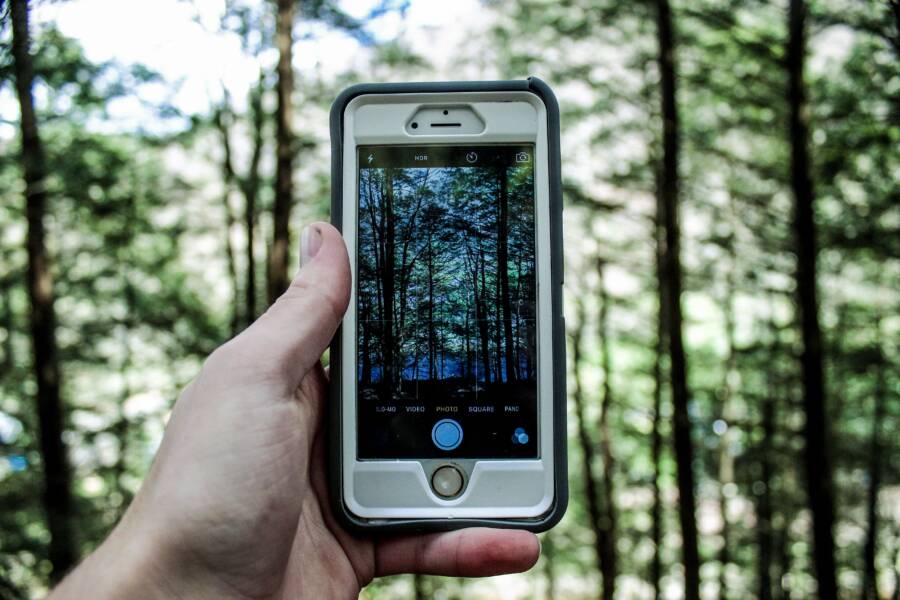
You can use the photos already on your smartphone as a powerful tool for daily reflection. This method requires no extra apps or complex writing to document your life.
A photo journal is a simple, low-effort way to track events and personal growth. By reviewing your saved images, you gain perspective on your habits and experiences without the pressure of a traditional diary.
This approach works because your camera roll already contains the details of your daily routine. You can build a meaningful habit by choosing to organize these images into a narrative.
Why Using Photo Memories Works Better Than Traditional Writing
Using photo highlights is more effective than traditional journaling because it removes the barrier of entry. Many people abandon writing habits because they feel they must write long, polished paragraphs every evening. A smartphone removes this burden by allowing you to document your life through existing visual data.
Reducing the Pressure of Finding Time to Write
Journaling often feels like a chore when you view it as a creative writing project. You might worry about your grammar or your ability to summarize a complex day into words. This expectation frequently leads to burnout and abandoned notebooks.
Visual content serves as a shorthand for your daily experiences. You do not need to compose sentences to record a moment. A single photo of a meal, a workspace, or a sunset stores a high density of information without requiring a time-intensive writing session.
When you use your smartphone to track your day, you replace the blank page with a collection of artifacts. You can simply scroll through your camera roll at the end of the week. This process takes minutes and provides a clearer record than a page of forced prose.
Connecting Emotion to Visual Context
Visual input creates a sensory link to your past that text often fails to trigger. Reading a description of a party is different from seeing the lighting, the faces of your friends, and the specific colors of the environment. Images act as anchors for your memory.
Your brain processes images faster than text, which allows you to recall the mood of a day instantly. When you look back at a photo from six months ago, you recover the feeling of that moment more vividly than you would by reading an entry about it. This makes the review process an immersive experience rather than a reading assignment.
Consider the benefits of this approach:
- You gain an honest record of your life without the filter of your current mood.
- Photos capture small details, such as the clothes you wore or the weather, which you likely would skip when writing.
- The barrier to entry remains low because you already perform the task of taking photos during your daily routines.
Looking back at your year becomes a visual journey. You observe your growth through changes in your surroundings and your personal expressions. This method transforms your photo library into an accessible, emotional archive of your life.
How to Start Your Photo Journaling Routine Today
You begin a photo journaling routine by focusing on consistency rather than perfection. Your smartphone holds a collection of daily moments that are ready for organization. You do not need professional photography skills or an expensive setup to create an archive of your life. Start today by selecting one or two images that reflect your true experiences.
Curating Your Daily Highlights
Quality matters more than quantity when you build a journal. If you save twenty photos every day, the volume becomes overwhelming. You lose the ability to review your history quickly. Focus on selecting images that represent the core of your day. Choose a photo of your breakfast, your workspace, or a moment outside to ground your memory.
Think about how a specific image captures a feeling. A blurry photo of your coffee cup might show your morning mood better than a posed shot of the cafe interior. Look for images that feel authentic rather than polished.
Use these criteria to pick your daily images:
- Does this photo remind me of a specific emotion?
- Does it mark a change in my routine?
- Is this a moment I want to remember in five years?
Keep your selection process simple. Pick your highlights during a quiet time in your evening, like while you wait for your commute or sit at home. Delete the duplicate shots immediately to keep your gallery clean. When you limit yourself to one or two images, you force yourself to prioritize the most important parts of your day.
Adding Simple Context with Captions
A photo captures the visual data, but a few words provide the context. Use the native editing tools on your smartphone to type short notes directly onto your images. You can also use the caption or notes field in your photo gallery app. These small additions help you understand the “why” behind the image when you look back years later.
Include specific details such as locations, names of people, or brief explanations of events. A photo of a park looks generic after time passes. However, a photo with the caption “Walking with Sarah at Central Park on a rainy Sunday” becomes a distinct memory.
Follow these tips to keep your captions effective:
- State who is in the photo or where it happened.
- Write how you felt at that exact moment.
- Keep the length under two sentences to avoid clutter.
You might want to include the date or a specific milestone for easy searching later. Your future self will appreciate the extra effort when the memory starts to fade. These simple notes transform your camera roll into a searchable, meaningful history of your life.
Techniques for Reviewing Your Life Progress
Reviewing your past helps you understand how your habits and priorities change over time. By using the photos on your smartphone, you gain an objective look at your daily choices. This practice allows you to spot trends, celebrate small wins, and adjust your course when necessary.
Performing Monthly Reflection Sessions
Set a recurring calendar reminder on your smartphone for the final day of each month. This habit ensures you set aside dedicated time to scroll through your recent captures. Without this prompt, the month slips by and your photos remain hidden in a cluttered library.
Open your camera app or a dedicated gallery folder to review your images chronologically. Ask yourself these questions to guide your focus:
- What event or activity brought me the most satisfaction this month?
- Did my daily habits align with my goals?
- Which photos show me spending time on things that actually matter?
- Are there recurring visual themes that indicate a lack of progress?
Writing down these answers in a simple notes app provides context for your future self. You might find that you consistently take photos of your workspace, which highlights your focus on professional growth. Alternatively, a lack of photos outside your home might signal a need for more social engagement. Your answers clarify your current trajectory and help you refine your focus for the coming weeks.
Identifying Patterns and Shifts Over Time
Viewing photos from six months ago offers a clear perspective on your personal growth. It reveals shifts in your interests, your confidence, and your general well-being that you might miss in the heat of the moment. You often forget how you felt or what you valued only a few months prior.
Scroll back to the same period in the previous year to identify recurring positive trends. You may notice you are taking more photos of healthy meals, which suggests a shift in your diet. Perhaps you see more images of outdoor activities, indicating a change in your leisure habits. These patterns act as visual evidence of your effort to improve.
Use this comparison to assess your direction:
- Compare the frequency of social gatherings in your gallery to see if your circle is expanding.
- Note changes in your physical environment that reflect better organization or newfound hobbies.
- Observe your own expression in candid shots to gauge your general mood over time.
Comparing current images to past ones shows that change is often gradual. You see that your small, consistent actions have real results. If you feel stuck, looking at your history provides the proof that you move forward even on difficult days. This visual timeline is a record of your resilience and your ability to grow.
Common Challenges and Solutions for Digital Journaling
Building a habit of documenting your life through photos on your smartphone requires consistency. However, practical hurdles often arise when your library grows. Overcoming these common challenges keeps the process simple and prevents it from feeling like a chore.
Managing Your Storage and Organizing Files
A messy camera roll makes it difficult to find the photos that matter. If you keep every screenshot, blurry image, or duplicate, your gallery becomes a source of stress rather than a source of joy. Set a recurring goal to clear out unnecessary files during your weekly review. This takes only a few minutes and keeps your memory bank clean.
Use folders or albums to separate your personal highlights from general camera clutter. Many modern phones offer features that group photos by date or location automatically. Rely on these tools to save time. If you spend too long organizing, the habit becomes a burden. Keep the structure loose, prioritize speed, and stop when you feel satisfied with the results.
Protecting Your Privacy in Your Personal Archive
Your journal contains personal memories that you may want to keep private. Most modern mobile devices offer built-in security features to protect your sensitive photos. You can move images into a locked or hidden folder that requires biometric authentication to access. This adds a layer of safety for your most intimate reflections.
Cloud storage services also provide options to secure your data with two-factor authentication. Always enable these settings if you back up your photos to a cloud account. You should check your sharing settings as well to prevent automatic uploads from appearing on shared devices. By using these security controls, you ensure your personal archive remains accessible only to you.
Conclusion
Your camera roll contains the building blocks for a meaningful history of your daily life. By selecting images that represent your core experiences, you turn your smartphone into a simple tool for personal growth. This habit helps you recognize patterns in your habits and preserves specific moments that text alone often misses.
Start your first photo entry today by picking one image that defines your mood or a recent accomplishment. You do not need to write long notes to create a clear record of your progress. Your future self will appreciate this curated collection of memories when you look back at how far you have come.