He Was Drowning in Bills and Burnout Until a Simple Daily Ritual Rewired His Brain for Wealth in Less Than a Week
>>> Start Your Shift Today <<<

Scanning documents with your phone can save you time, reduce clutter, and keep files organized on the go. In this quick guide, you’ll learn how to turn your smartphone into a powerful scanning tool with simple, proven steps. From choosing the right app to cleaning up your PDFs, this intro sets you up for fast, reliable results.
If you’re tired of chasing paper trails, this is for you. We’ll cover the essentials you need now, plus practical tips that work in real life. By the end, you’ll have a clear, step by step approach to capture crisp scans and save them where you need them.
Why scan documents with your phone and what you gain
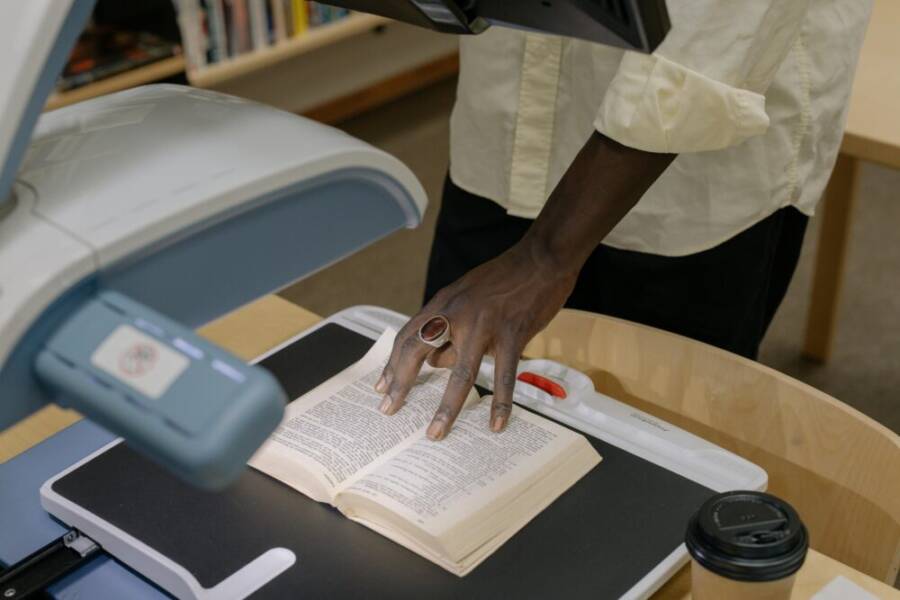
Scanning with your phone turns a pocketful of paper into a tidy digital library. It’s fast, flexible, and reliable for everyday tasks. A quick scan lets you capture receipts after a purchase, sign and share contracts on the go, or keep travel papers within reach during a trip. This section explains why a smartphone is a smart tool for document capture and the tangible benefits you can expect.
 Photo by cottonbro studio
Thousands of People Were Struggling With Money Until They Discovered This One Ancient Secret Hidden in Sound
>>> Unlock It Now <<<

- Quick captures replace bulky devices: A phone fits in your pocket, and scanning apps do the rest. You can snap, crop, enhance, and save in one fluid flow. No need to head to a copier or a desk scanner when you’re away from the office.
- Versatility across documents: Receipts for expense reports, signed contracts, travel itineraries, or handwritten notes all become searchable digital files. Your phone keeps you ready for whatever paperwork the day throws at you.
- Crisp images, reliable results: Modern scanners on phones use edge detection and auto exposure to produce readable scans even in imperfect lighting. This means less time fussing with the capture and more time using the documents.
- Speed beats traditional methods: A single phone scan can replace hours of typing later. When you need to forward a file instantly, a clean digital version travels faster and reaches the right person sooner.
- Consistency you can trust: Digital copies preserve the original layout and important details. When you store them in a dedicated folder, you reduce the risk of misplacing paper copies.
- Example uses that happen all the time:
- Receipts after a business lunch or travel day
- Contracts awaiting signature or approval
- Travel documents like boarding passes and itineraries
- Printed forms that need quick digital submission
If you want proof of why this matters in real life, see how smartphones simplify on-demand scanning and digitization. You’ll find several practical insights on how to turn scans into searchable PDFs and keep them organized for easy retrieval. For deeper reading, check out resources that outline the benefits of mobile scanning and how it improves document management: https://iscanner.com/6-reasons-why-you-need-a-mobile-scanner/ and https://pdfa.org/on-demand-scanning-how-smartphones-simplify-document-management-for-everyone/.
- Real-world gains include reduced clutter, faster sharing, and stronger organization. When you digitize on the fly, you finish tasks sooner and keep essential files accessible from anywhere.
- Quick-start tip: name and tag scans right away. A simple label like “Receipts 04-2025” or “Contract Q2 2025” makes future searches straightforward. You’ll save minutes every time you need a specific document.
- For those who manage teams or run a small business, mobile scanning scales with your workflow. It plugs into cloud storage, email, and collaboration tools so your team can access the right file at the right time. See how mobile scanning enhances business efficiency in practical guides like the one from AARP on smartphone scanning and OCR capabilities: https://www.aarp.org/personal-technology/how-to-use-your-smartphone-as-a-scanner/.
- If you’re curious about the broader impact on professional workflows, resources on on-demand scanning and document management offer helpful perspectives. You can read more here: https://www.b2bnn.com/2024/12/how-mobile-document-scanning-enhances-b2b-efficiency-and-workflow-management/.
- For a quick, credible overview of digital document capture, explore introductory articles that compare mobile scans to traditional copies and highlight the value of clean, organized digital files: https://iscanner.com/6-reasons-why-you-need-a-mobile-scanner/.
In short, scanning with your phone is not just convenient; it changes how you handle everyday paperwork. It reduces friction, speeds up processes, and builds a more organized digital library you can rely on. The next section will dive into how these digital copies stay organized and easy to share.
How to scan like a pro step by step
Turning your phone into a reliable scanning tool is easier than you think. With the right setup, quick capture habits, and smart naming, you can produce clear, organized digital copies in minutes. This section breaks down the process into three focused steps: prep and lighting, capture and edit, and saving and organizing. Each part builds on the last to help you scan like a pro, no matter where you are.
Prep and lighting
Good light makes all the difference. Aim for even illumination that avoids harsh shadows across the document. If possible, place the document on a flat, clean surface. A plain background helps the camera detect edges more accurately.
Keep the phone steady. Prop it on a stable surface or use a tripod if you have one. If you must hold the phone, brace your arms and take a slow, steady breath before you capture. Framing matters too: align the document so its edges run parallel to the frame, and fill the frame without cutting off any text.
Simple lighting ideas to improve results:
- Use natural light from a window when available, but avoid direct sun that can create glare.
- If indoor lighting is dim, turn on lamps or overhead lights to reduce grain.
- Place the document flat and double-check that there are no reflective surfaces directly behind the page.
Before you scan, do a quick test capture of a corner or a small section. Confirm that text lines up, the edges are straight, and the page fills the screen. This habit saves time later and reduces the need for repeated rescans.
Tip: A clean surface helps prevent dust specks and smudges from appearing in the scan. If you’re scanning multiple pages, consider using a light-colored mat or clipboard to keep pages aligned.
For further guidance on optimizing mobile scans, see practical guides that compare mobile scanning to traditional methods and explain edge detection, crop, and organization. You’ll find useful insights in resources like the step-by-step overview from leading scanning apps and reputable technology sites.
- External reference: How to Use Your Smartphone to Scan Documents for iPhone and Android tips.
- External reference: How to Easily Scan Documents with Your Phone for a concise setup checklist.
- External reference: Mobile Device Tips: How to Scan Documents with a Smartphone for practical framing and surface notes.
Capture and edit
Most scanning apps offer automatic edge detection, which helps you crop precisely around the document. If you see skewed edges or a tilted page, use the crop tool to tighten the frame.
After capturing, rotate the image so the text reads upright. This small adjustment makes reading, signing, and OCR much smoother. Brightness and contrast controls are your friends here; a modest increase in brightness typically improves legibility, while adjusting contrast can sharpen edges and reduce gray wash.
There Is a Frequency That the Wealthiest Families Have Used for Generations and Most People Will Never Know It Exists
>>> Open the Door <<<

Check the scan for clarity. Zoom in to confirm that all text is sharp and legible, not blurry. If you notice any glare or shadows in the document area, rescan with adjusted lighting or a slightly different angle.
Here are quick editing pointers:
- Use auto-enhance features sparingly. They can improve readability but may alter color accuracy.
- Apply a light exposure boost only if the page looks pale or washed out.
- If the document contains important small print, zoom in to verify legibility before saving.
If you’re scanning multi-page documents, maintain consistent edits across pages. Uniform brightness and edge handling create a professional, easy-to-share PDF later on.
For those who want deeper insights into how these edits affect searchability and accessibility, see resources that discuss how edge detection and OCR impact your final file. These provide a solid foundation for understanding why consistent edits matter.
- External reference: How to Scan Documents with a Smartphone for practical scanning steps and tips.
- External reference: How to Use Your Smartphone to Scan Documents for a walk-through of capture and light adjustments.
- External reference: How to Easily Scan Documents with Your Phone for a quick, task-focused approach.
Re-check your final image. If you’re unsure about readability, compare it side by side with the original page. A clean, well cropped scan saves you time later during filing or sharing.
Save, name, and organize
Saving the file in the right format is the fastest route to future access. When possible, save scans as PDFs. PDFs preserve layout, support multiple pages, and are widely compatible with both printers and cloud services.
Consistency in naming makes retrieval painless. Use a simple convention such as “ClientName_DocuType_Date” or “Receipt_YMD.” For example, “AcmeCorp_Invoice_20250415.” Avoid vague names like “Scan1” or “IMG_0002” which slow you down later.
Organize your scans in clearly labeled folders. Create a small hierarchy that matches your workflow:
- Personal: Receipts, bills, and personal documents
- Work: Invoices, contracts, and approvals
- Projects: Client files, research, and drafts
Don’t rely on device storage alone. Save to cloud storage or a company drive so you can access files from any device and share them with teammates or clients. If you regularly collaborate, consider using a folder structure that mirrors your project or department.
She Pressed Play on a Strange Audio Track and Within Days Her Financial Reality Started Shifting in Ways She Could Not Explain
>>> See How It Works <<<

A few practical tips to keep organized:
- Tag important scans with keywords like “invoice,” “contract,” or “travel.”
- Set up automated backups to reduce risk of data loss.
- Regularly review and prune older scans to prevent clutter.
If you want a quick read on how professional workflows benefit from mobile scanning and organized digital libraries, check out practical guides that discuss cloud storage integration and OCR workflows.
- External reference: How to Use Your Smartphone to Scan Documents for saving as PDFs and organizing on devices.
- External reference: Scanning a Document: 6 Easy Steps to Scan and Save for naming and archiving basics.
- External reference: On-Demand Scanning and Document Management for Businesses for broader workflow insights.
Tips for reliability and accuracy
Reliable and accurate scans are the backbone of a smooth digitization workflow. This section focuses on practical ways to improve OCR results, verify the extracted text, and ensure your multi page documents export cleanly. With the right habits, your phone becomes a dependable tool for creating trustworthy digital copies you can search, sign, and share with confidence.
OCR and text extraction
Optical character recognition (OCR) is the bridge between an image of a document and editable, searchable text. In simple terms, OCR analyzes the shapes of letters and numbers in your scan and converts them into digital text. The better the image quality, the higher the OCR accuracy.
Start with clean source images. Even lighting reduces shadows that can confuse the software. A flat page and a steady hand help the scanner find edges precisely. If you notice a skew, most apps offer an auto-alignment or rotation option. A straight page makes the text easier to read and extract.
Edge clarity matters. Focus on high contrast between the text and the page background. If printed text looks faint, a slight brightness boost can improve recognition, but avoid overdoing it. You want legible text without introducing color artifacts that may confuse the OCR engine.
Expect some errors, especially with unusual fonts, small print, or languages with special characters. Common issues include misread letters (like an “l” read as “1”), dropped punctuation, or misinterpreted currency symbols. Don’t assume perfection; verify and fix as needed.
Verification is a key habit. After an initial pass, compare the extracted text to the original scan. Look for lines that feel off, stray characters, or broken words at line breaks. If you see errors, correct them in a text editor or use your OCR app’s built-in corrections. For long documents, a quick skim–read can catch mistakes that automated OCR misses.
Editing tips that reduce effort later:
- Keep a consistent font and layout in edits so the final document remains readable.
- Use a plain text or simple word processor to review the OCR output, then reformat in the same tool you’ll store the file in.
- Save a backup of the original image alongside the corrected text. This helps if you need to recheck the context of a misread.
When you’re sharing or archiving, a clean OCR result saves time. For many workflows, converting to a searchable PDF is enough to enable keyword searches and quick highlighting. If you need to extract data from forms or tables, look for a tool that handles structured text and returns editable data fields.
If you want a quick overview of popular OCR options and how they perform on mobile, these sources provide practical comparisons and tips for choosing the right app:
- The best mobile scanning and OCR software in 2025
- Top 10 Mobile Scanning Apps: Updated for 2025
- How to Scan Documents with a Smartphone
In real life, OCR accuracy depends on lighting, page flatness, and text density. By focusing on clean captures and careful verification, you create reliable digital copies you can trust across devices and teams.
Multi-page scans and exporting
Multi-page documents are common in business and personal life. The goal is to combine several scans into a single, tidy file that’s easy to store and share. Most mobile scanning apps support multi-page PDF exports, and some offer additional formats such as DOCX, image PDFs, or plain text. The key is choosing the right combination of pages, layout, and file type for your needs.
How to assemble pages into one PDF. After scanning each page, look for a “Add page” or “Reorder pages” feature. Arrange pages in the correct sequence, then choose the export option to create a multi-page PDF. This keeps related pages together and preserves the document flow.
Choosing file formats. PDFs are the default choice for most workflows because they preserve layout and support multi-page documents. If you need editable content, some apps offer export to Word or rich text, but this can alter the original formatting. For archival and sharing, a clean PDF with embedded text works well for most recipients.
Sign and share. Mobile apps often include built-in signature tools or integrate with cloud signature services. If you need a quick signature, use the app’s signing feature to add your mark directly on the document. For sharing, you can send via email, share a link, or save to a cloud drive. Ensure the recipient can open the format you deliver, especially if they use different devices or software.
Tips to maximize reliability and consistency:
- Use consistent page order and margins across all scanned pages to maintain professional appearance.
- Confirm that the OCR text aligns with the scanned pages before saving as a PDF. A minor misalignment can require re-exports.
- If you repeatedly scan similar documents, create a named template that captures your preferred export settings. This saves time and reduces mistakes.
- For sensitive files, enable password protection on the final PDF when your app supports it. This adds a layer of security during sharing or storage.
Real-world workflows show how multi-page scans fit into broader processes. For example, a small team can scan client proposals, sign them in the same session, and push the final PDF to a shared drive. A robust approach reduces back-and-forth and speeds up approvals.
If you want guidance on evaluating multi-page scanning options, consider looking at industry roundups and in-depth reviews:
- The 3 Best Mobile Scanning Apps of 2025
- Genius Scan – PDF Scanner in the Google Play store
- Scan to PDF: Scan documents with a free scanner app
Practical example. Suppose you’re compiling a project dossier with five pages. You scan each page, verify the OCR of each page, reorder them to ensure logical flow, and export as a single PDF. You then save the file as “ClientXYZ_ProjectDossier_2025.pdf” and share it with your team. This flow minimizes backtracking and keeps everyone aligned.
A note on sharing. When you send PDFs from your phone, consider the recipient’s tools. Some colleagues prefer Word documents for easy edits, while others need a fixed layout PDF for formal submissions. If you must deliver a fillable form, check whether your export supports form fields or if you should convert to PDF later in a desktop app.
For more context on how mobile scanning supports business processes, explore these resources:
- The best mobile scanning apps updated for 2025
- Top 10 mobile scanning apps and their OCR capabilities
- Adobe Scan and similar tools for reliable PDF creation
Bringing reliability and accuracy together means combining good capture habits with careful verification and streamlined exporting. With these practices, you’ll produce scans that are not only legible but also ready for sharing, archiving, and future edits. The next section will help you optimize your workflow further with quick-start habits and troubleshooting tips.
Conclusion
Scanning documents with your smartphone is a fast, reliable way to turn paper into a tidy digital library. Practice these simple steps until your workflow feels natural, and you’ll notice quicker sharing and easier retrieval. Keep scans organized with consistent naming, folders, and backups to ensure instant access when you need them. Ready to level up your routine, try a few apps, reflect on what works, and keep your files neatly organized for effortless access.
There Is a Frequency That the Wealthiest Families Have Used for Generations and Most People Will Never Know It Exists
>>> Open the Door <<<