She Pressed Play on a Strange Audio Track and Within Days Her Financial Reality Started Shifting in Ways She Could Not Explain
>>> See How It Works <<<

Striking your first edit starts with getting footage off your phone quickly and reliably. If you shoot on a smartphone and edit on a laptop, you already know the bottleneck can slow everything down. Today you’ll learn fast, practical ways to move videos from phone to laptop for editing, no fuss.
Direct transfers shine when you have a cable handy. A USB-C or Lightning cable with a quick file transfer lets you start editing in minutes. For wireless options, AirDrop on Apple devices and Nearby Share on compatible systems offer seamless transfers, while cloud storage keeps your files safe and accessible across devices.
This guide covers several pathways you can mix and match: direct USB transfers, wireless transfers, cloud solutions, and cross platform workflows. You’ll also find troubleshooting tips so you’re never stuck waiting for a file to arrive. Whether you shoot with a smartphone or a camera, these methods help you move videos from phone to laptop for editing with confidence.
Copy Videos Directly with a USB Cable for Editing
When you’re ready to edit, a direct USB connection can save time. Copying video files from your phone to your laptop via a cable keeps your workflow tight and predictable. Below are practical, straightforward steps to get your footage off your device and into your editing suite without drama. You’ll learn common cable setups, how to import, and how to stay organized during the transfer.
She Pressed Play on a Strange Audio Track and Within Days Her Financial Reality Started Shifting in Ways She Could Not Explain
>>> See How It Works <<<
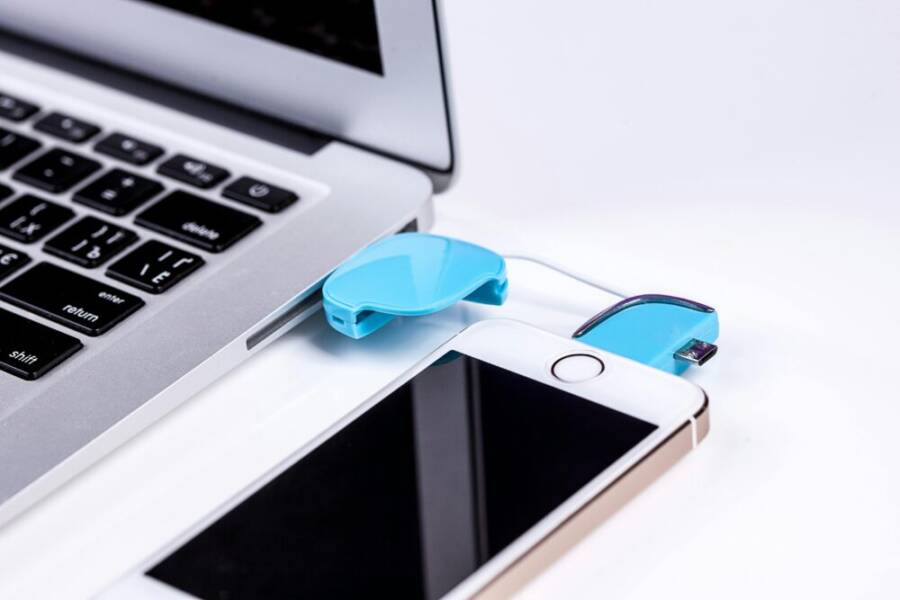
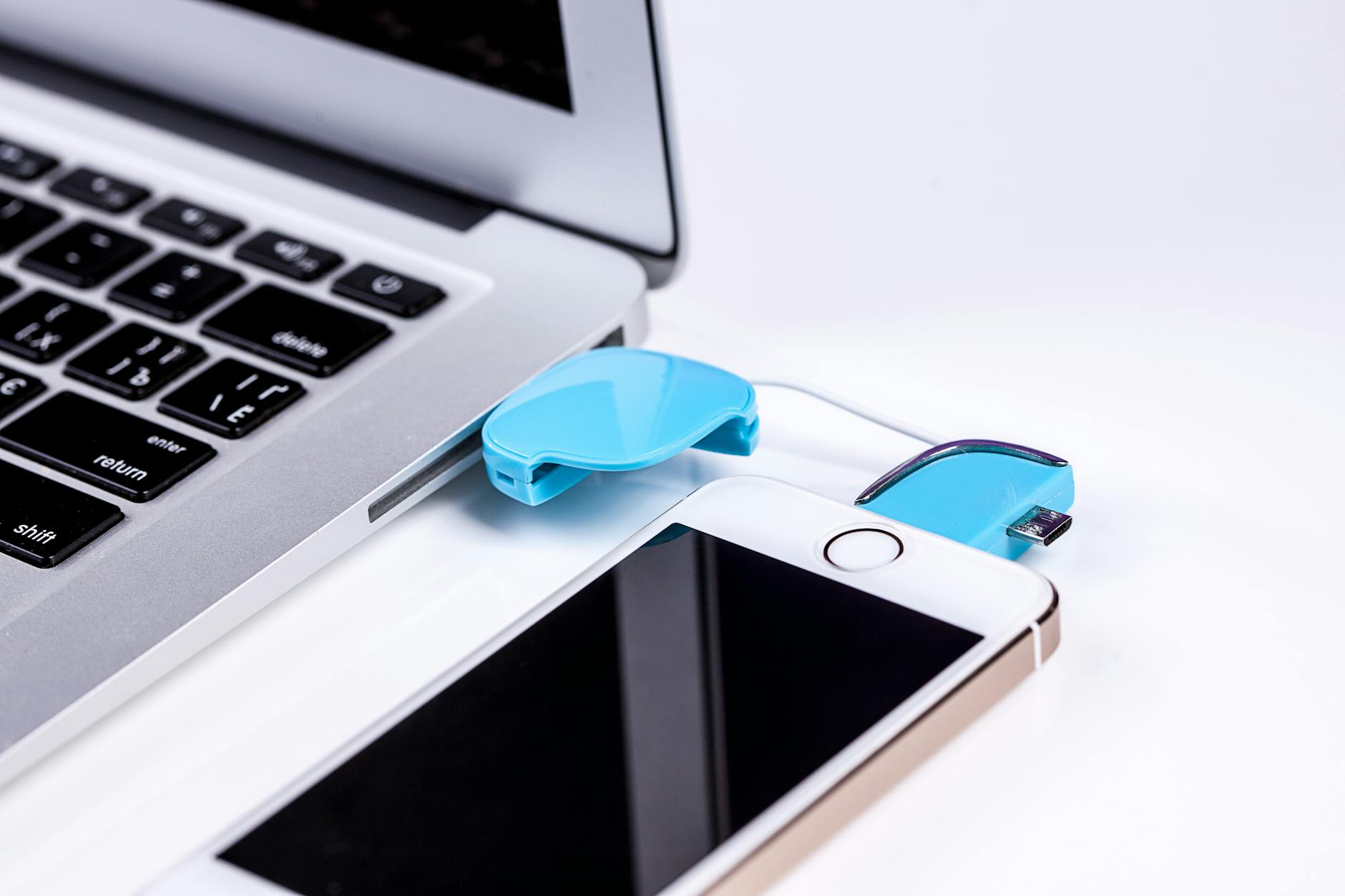 Photo by https://www.pexels.com/@pixabay
Choose the right cable and connection
Direct USB transfers are the fastest way to start editing. Here are the common setups you’ll encounter and what to do with each:
- USB-C to USB-C: This is the cleanest option if both your phone and laptop have USB-C ports. It supports fast data transfer and powers the phone while connected.
- USB-C to USB-A: If your laptop has USB-A ports, use a USB-C to USB-A cable. This is still reliable for file transfers, though charging may be slower.
- Lightning to USB adapters: For iPhones, you’ll often use a Lightning to USB adapter or a Lightning to USB-C cable depending on your laptop. These adapters make it possible to access the phone’s storage directly.
Phone settings matter too. On Android, you may need to unlock the device, then pull down the notification shade and choose “File transfer” or “MTP” under the USB options. On iPhone, you’ll typically see a prompt to trust the computer when you connect for the first time. If you don’t see the prompt, try reconnecting or switching to another USB port.
To minimize transfer outages, keep these habits in mind:
- Use a powered USB hub if you’re transferring many large files at once. A powered hub prevents the laptop from drawing too much power from the USB port.
- Prefer shorter, high-quality cables. They’re less prone to data errors and disconnects.
- If your laptop doesn’t recognize the device at first, unplug, reconnect, and try a different USB port. Sometimes a quick restart helps as well.
- Enable file transfer mode on the phone and verify in the computer’s file system that you can see the phone’s storage.
Tip: If you keep a dedicated editing laptop, set up a standard folder immediately. Create a simple path like “Videos/PhoneImports/Year-Month-Day_ProjectName” to keep things predictable.
External resources for setup and troubleshooting:
- Transfer files between your computer and Android device
- Import photos and videos from phone to PC
Import into editing software on Mac or PC
With the files visible on your computer, it’s time to move them into an editing-friendly location. Use the file manager on your OS to copy everything from the phone to a dedicated editing folder on your laptop.
- On Mac: open Finder, locate the phone under Locations, then drag or copy the video files into your editing workspace.
- On Windows: open File Explorer, find the connected device, and copy or drag the clips into your editing folder.
A best practice is to keep a separate backup of the original files. This protects you if something goes wrong during editing. When naming files, stick to a simple convention like:
- ProjectName_Date_SceneNumber_FileType.EXT
- Example: “BeachTrip_2024-07-15_01_MainFootage.MOV”
Create a clean folder structure that mirrors your project. A predictable setup makes it easier to locate clips during rough cut and fine edit. Before heavy edits, back up the raw files to another drive or the cloud.
Useful reference on Windows and Mac transfer basics:
- Import photos and videos from phone to PC
Organize the files as you transfer
Organization saves time later. While you copy, set up the folder structure and name conventions in real time. Here’s a practical approach:
- Create a top-level folder named after the project, then subfolders for clips, audio, and exports.
- Group files by date or shoot. For example, “BeachTrip_2024-07-15” or “Wedding_07-07-2024.”
- Keep a master copy in a separate location. Do not work from the original camera roll gesture.
- Add a brief description to file names when helpful, such as “01_ShotFromPier” or “02_SkylineOverview.”
After transfer, back up to an external drive or cloud storage. Having a secondary copy reduces risk if a disk fails or a file becomes corrupted during edits. A well-organized library speeds up your edit session and reduces the chance of missing clips.
For more context on reliable transfer practices, see the guidance on reputable transfer workflows:
- Share and transfer files with your Galaxy phone and Windows PC
- Transfer files between your computer and Android device
Optimizing your process with these steps helps you avoid bottlenecks and keeps your editing timeline intact.
Images help illustrate the setup and workflow:
- A visual guide to connecting devices with a USB cable (photo credit included above)
- A screenshot of Finder or File Explorer showing a well-organized project folder structure (optional accompanying image)
If you’d like to see a quick, visual walkthrough, you can explore tutorials that show the exact steps for both Mac and PC platforms, including common USB configurations and how to trust a connected device.
Wireless Transfers: Cloud and Local Options
Moving video quickly from your phone to your laptop sets the tempo for a smooth edit. In this section, you’ll get a practical look at when to use cloud transfers versus local wireless methods, plus tips to keep your raw footage safe and your workflow efficient. You’ll also find quick guidance on speeds, costs, and best practices for handling large files.
Cloud storage basics
Cloud storage offers a simple, accessible path to move videos from your phone to your laptop, especially when you edit on multiple devices or want a reliable backup. Here’s how to make cloud transfers work for you without slowing you down.
- Upload from your phone: Open your cloud app on the phone, choose the videos you want, and start the upload. If you shoot in 4K or high-bitrate formats, consider batching uploads by file size to avoid sporadic delays. Some services automatically compress videos, but that can affect quality; check settings if you need a pristine master.
- Download to your laptop: On your laptop, sign in to the same cloud account and download the files to a dedicated editing folder. If you plan to work offline, enable offline access or mark files for offline use when you know you’ll be away from the internet.
- File size limits and plans: Most major cloud services impose practical size limits per file and monthly data caps based on your plan. For large video projects, you may need a higher-tier plan or a dedicated task folder with generous quotas. For example, cloud storage providers vary in how they handle big files, so it’s smart to verify the maximum upload size before starting a big transfer. If you’re unsure, a quick check of the provider’s help section saves time. Learn more about typical offerings and limits from trusted providers: OneDrive, Google Drive, and other popular services provide clear guidance on file sizes and plan options.
- For a broad overview, see: Microsoft OneDrive online cloud storage
- A fast read on top cloud options and limits: The Best Cloud Storage and File-Sharing Services for 2025
- A comparison of services including file size considerations: Dropbox vs Google Drive vs OneDrive 2025
- Syncing behavior and safety: If you enable automatic syncing, new footage lands on every connected device as soon as it uploads. This is convenient but can flood your edit drive with raw footage before you’re ready. To stay in control, use selective sync to limit what gets downloaded locally, or create a dedicated “Incoming” folder that you review before moving clips to your project library.
- Keeping raw files safe: Always keep a master copy in a separate location. A robust strategy is a two-step backup: local editing drive plus a cloud backup. If something goes wrong during editing or the local drive fails, you can restore from the cloud without re-uploading the entire library.
- Best practices for large files: When bandwidth is limited, split large videos into smaller chunks or use proxy files for editing. Proxies are lower-resolution copies that let you edit smoothly; you can switch back to the full-resolution files for final export. If you’re collaborating, consider shared folders with access controls to prevent accidental deletions.
If you want to dig deeper into transfer reliability and practical workflows, you can review cloud storage options and how they handle large media. For instance, see provider-specific guidance and third-party reviews to pick a plan that matches your editing pace and device ecosystem.
- For more context on reliable transfer practices:
- See cloud storage basics and device compatibility: OneDrive online cloud storage
- Learn about general cloud options and file size considerations: The Best Cloud Storage and File-Sharing Services for 2025
- Compare cloud services for large media: Dropbox vs Google Drive vs OneDrive 2025
- Quick tip: If you want a visual cue for size, many services display the file size during upload. This helps decide whether to compress or split a video before uploading.
Cloud transfers shine when you need access across multiple devices or want a single source of truth for your project. They’re ideal for onboarding a team or moving footage to a secondary workstation in a home studio.
Useful scenarios:
- You shoot across devices and want a single library in the cloud
- You need access to footage on a tablet, phone, or another laptop
- You’re working with collaborators who need to preview dailies or rough cuts
Cloud storage can become costlier as your library grows, so monitor your plan’s limits and prune or archive older footage as needed. If a big project is in motion, a hybrid approach often works best: keep the core footage in the cloud for access, and maintain a local, high-speed working copy on your editing drive.
Local wireless options: AirDrop and Nearby Share
For speed and immediacy, local wireless transfers are hard to beat. AirDrop and Nearby Share let you push files directly between devices on the same network or within Bluetooth/WiFi ranges, often finishing in seconds for moderate file sizes.
- AirDrop (Apple devices):
- Make sure both devices have Bluetooth and Wi-Fi on and are within about 30 feet.
- On your iPhone, open the Photos app or File app, select your videos, tap Share, and choose your Mac.
- On the Mac, accept the transfer. The files land in the Downloads folder or a designated location if you’ve set a default.
- For ongoing workflows, create a workflow shortcut so the files auto-import into your editing library.
- Nearby Share (Android to Windows or Mac):
- Enable Nearby Share on both devices. You’ll typically find it in Quick Settings on Android and in the System Settings on Windows or macOS.
- From your Android phone, select the video files, then choose Nearby Share and pick your laptop.
- Accept on the laptop and choose a destination folder.
- If you work cross-platform, Nearby Share on MacOS can require a companion app or a recent update, so verify compatibility before relying on it for big workflows.
What to expect in real-world speeds: transfers of a few gigabytes can complete in seconds to a couple of minutes on a strong local network. The actual speed depends on device generation, Wi-Fi standard, and how many other devices share the same network. The advantage is clear: you can start editing almost immediately after capture, without waiting for a cloud upload or download.
Compatibility notes and best practices:
- Apple ecosystem: AirDrop works best between iPhone and Mac. If you’re using iPad with the same Apple ID, you can extend the workflow to tablet-based edits as well.
- Cross-platform: Nearby Share remains a strong option for Android users moving to Windows or Mac. Some features may vary by OS version, so keep your devices updated for the smoothest experience.
- Quick setup: Keep Bluetooth and Wi-Fi turned on, and set a default save location for received files to avoid misplacing imports.
- Edge cases: For very large files or older hardware, you might see slower transfers or occasional dropouts. A simple remedy is to pause and reattempt the transfer, or switch to a newer USB-C connection if possible.
On the go editing becomes practical with these tools. You can capture footage during a shoot, send it to your laptop for a quick edit, and have a rough cut ready before you wrap the day.
- Quick reference reads on local wireless transfers:
- Apple AirDrop basics and tips
- Nearby Share setup guides for cross-platform transfers
Weighing cloud versus local wireless
Choosing between cloud and local wireless comes down to workflow, speed, and how you store and share your footage. Here’s a concise way to think about it.
- Cloud storage: Easy access, multi-device availability, and a built-in backup. It shines when you work across multiple devices or collaborate with others. If you edit from different locations or in a team, cloud storage keeps everyone on the same page. Costs grow with library size and transfer frequency, so plan ahead.
- Local wireless (AirDrop, Nearby Share): Fast and private, with no data going through the internet. It’s ideal for on the go, when you want to edit shortly after capture, or when bandwidth is limited. This method is perfect for quick rough cuts or moving a subset of files to a single editing station.
Decision guide to choose the right method:
There Is a Frequency That the Wealthiest Families Have Used for Generations and Most People Will Never Know It Exists
>>> Open the Door <<<

- If you need quick edits on a single device with minimal setup, use local wireless. It’s the fastest way to get started.
- If you’re sharing projects across devices or with teammates, or you want a reliable backup, lean on cloud storage. Choose a provider with a plan that fits your footage volume and team size.
- For large projects, adopt a hybrid workflow: keep a full-resolution copy in the cloud for access, and maintain a high-speed local working copy on your laptop. Use proxies for rough cuts to stay within bandwidth limits, then swap in full-resolution media for final output.
- If your internet is unreliable or you travel often, rely more on local transfers for speed and offline capability, and use cloud storage as a secondary backup.
When to mix methods:
- Start with a cloud upload if you’re backing up raw footage after a shoot. This creates a safe, retrievable archive.
- Use AirDrop or Nearby Share to move the first pass to your laptop quickly, then align the full project in your editing software.
- Keep a recurring backup habit to a separate disk or cloud service, so you never risk losing your footage.
To help you decide at a glance, rely on your current needs: speed, accessibility, and collaboration requirements. If your goal is speed and privacy on the go, local wireless wins. If you need access across devices and teams, cloud storage wins. A well-planned hybrid approach gives you the best of both worlds, reducing bottlenecks and keeping your creative timeline intact.
- Quick setup checklist:
- Identify your primary editing device and the file types you’ll work with.
- Choose a cloud storage plan that comfortably fits your video library.
- Enable selective sync to control what lands on each device.
- Set up a local transfer workflow for daily shooting days.
- Maintain a regular backup schedule to a second drive or cloud.
External resources for cloud and local transfer guidance:
- Learn about cloud storage options and file size considerations: The Best Cloud Storage and File-Sharing Services for 2025
- Compare cloud services and how they handle large media: Dropbox vs Google Drive vs OneDrive 2025
With both cloud and local wireless options at your disposal, you can tailor a transfer workflow that fits your editing pace, device lineup, and travel schedule. The key is to keep raw footage safe, make transfers predictable, and stay flexible enough to switch methods as your project evolves.
Best Setup for Cross Platform Editing
Moving video projects between a phone and a laptop can feel like a rough tune during a live edit. A well-thought out cross platform setup makes transfers predictable, keeps files organized, and cuts down on wasted time. In this section, you’ll learn practical, repeatable practices you can apply right away. The goal is to create a workflow that works whether you’re at a desk, on a flight, or bouncing between devices on location. Let’s build a system that travels with you.
Organize files and folders
A solid folder structure is the backbone of a smooth cross platform workflow. When you can locate raw clips, renders, audio, and exports in a predictable place, edits flow faster and fewer mistakes slip in.
- Create a project root folder named after the project, then mirror the structure on every device. A typical setup might look like:
- BeachTrip_2024-07-15/
- 01_RawClips
- 02_Audio
- 03_Proxies
- 04_Exports
- 05_Renders
- 06_ProjectFiles
- 07_Backups
- BeachTrip_2024-07-15/
- Subfolders for each asset type help keep things tidy:
- Raw clips: group by shoot date or scene, e.g., 01_BeachPier, 02_Sunset
- Proxies: store low-res copies used for rough cuts
- Exports: final deliverables in a clearly labeled folder
- Project files: the editing project file and any related assets like LUTs or captions
- Use consistent naming and versioning:
- Naming format: ProjectName_Date_ShotID_Description.ext
- Versioning example: BeachTrip_2024-07-15_01_MainFootage_v01.MOV, BeachTrip_2024-07-15_01_MainFootage_v02.MOV
- Master vs working copies:
- Keep a Master copy of raw footage in a separate, secure location (external drive or cloud)
- Work from a dedicated Working copy on your laptop’s editing drive
- After each session, duplicate edits back to the Master where appropriate to prevent accidental overwrites
- Quick setup checklist for editing sessions:
- Project root folder created on both devices
- Subfolders named and organized (RawClips, Audio, Proxies, Exports, Renders, Projects, Backups)
- Master copy stored separately from working files
- Consistent naming convention adopted
- Proxies enabled in the editing software for rough cuts
- Local backup enabled, either to an external drive or cloud
- Quick tip: keep a small text file in the root with notes for the session (upload status, last transfer times, any missing clips). It saves you from rechecking what you already know.
To reinforce reliability, consider external references that outline strong folder strategies and workflows. For example, one post highlights a professional post production folder structure you can adapt for personal projects, while another explains how to organize media folders for editing. See practical guidance here:
- https://www.thepostflow.com/post-production/take-your-efficiency-to-the-next-level-with-a-professional-post-production-folder-structure/
- https://massive.io/tutorials/how-to-organize-your-media-folders-for-editing/
And when you want a quick visual cue on structure, look at examples that walk through a well-organized project library. These resources provide templates you can copy or adapt to your setup:
- https://thepostflow.com/post-production/take-your-efficiency-to-the-next-level-with-a-professional-post-production-folder-structure/
- https://massive.io/tutorials/how-to-organize-your-media-folders-for-editing/
A well-designed structure pays off in minutes saved per session and fewer headaches when you switch devices.
Transcoding and proxies to speed editing
Transcoding and using proxies lets you glide through rough edits without waiting for native resolution files to load. Proxies are lighter on every system and enable fast iteration, while still letting you switch to high resolution for final renders when you’re ready.
- Why proxies help:
- They reduce strain on older laptops or devices with limited GPU power.
- They let you scrub timelines smoothly when many clips are stacked.
- They speed up autosave and project backups during long sessions.
- How to choose proxy settings:
- Aim for a proxy resolution around 540p to 720p depending on your footage and timeline height.
- Keep proxy file sizes modest; too large reduces the benefit.
- Use a simple, consistent proxy naming convention that ties proxies back to the source file, e.g., BeachTrip_2024-07-15_01_MainFootage_proxy.mov
- Linking proxies to originals in your editor:
- In most editors, you set up a proxy workflow or attach proxy media to the master clips.
- The editor will replace proxies with the full resolution files for final export automatically.
- Ensure you have a quick toggle on the timeline to switch between proxies and full res.
- Practical steps you can follow:
- Create a Proxies folder inside your project root.
- Generate proxies as you import via your editing software (or with a batch processor in your OS).
- Verify that each proxy maps to its source file in the project file or media pool.
- Begin rough cuts with proxies, then swap to originals when you polish the edit.
- Quick workflow sketch:
- Copy raw clips to 01_RawClips
- Generate proxies in 03_Proxies
- Edit using proxies for rough cut
- Switch to full resolution for fine cut and color grading
- Render final export in 04_Exports or 05_Renders
If you want deeper reading on a robust proxy workflow, consider recommended cloud and local transfer guides that discuss how proxies help manage large media during editing:
- A practical approach to media organization and proxies can be found in professional workflow discussions: https://thepostflow.com/post-production/take-your-efficiency-to-the-next-level-with-a-professional-post-production-folder-structure/
- For broader media handling tips, see: https://massive.io/tutorials/how-to-organize-your-media-folders-for-editing/
When you’re working cross platform, proxies let you keep pace on a mobile device or a lightweight laptop while keeping the path to high quality at hand. Proxies are not optional; they’re the difference between staring at a spinning wheel and moving toward a smooth edit.
Sync back edits to devices
Keeping edits accessible and synchronized across a phone and a laptop is crucial when you’re moving quickly between devices. A reliable sync strategy reduces back and forth and helps you review progress on the go.
- Exporting final versions to a shared folder or cloud:
- After a cut or a project milestone, export the deliverables to a central location that you can access from any device.
- Use a shared cloud folder or a network drive if you work in a studio setting. This creates a single source of truth for the project.
- Keep smaller review drafts handy in a separate folder so your phone can pull up quick looks without downloading the full master.
- Pull updated files back to the phone for review:
- On mobile, pull the latest exports or proxies from the cloud or shared drive so you can review on the go.
- Use selective sync to limit downloads, ensuring you aren’t bogging down the device with large files you don’t need immediately.
- If you frequently review on a phone, keep a small, fast proxy set on the device for rapid playback.
- Quick note on version control:
- Always keep a versioned file name for each major edit, e.g., BeachTrip_final_v01.mov, BeachTrip_final_v02.mov
- Maintain a changelog or brief notes file in the project root describing what changed in each version.
- Avoid overwriting important files by keeping distinct working copies and archival copies in separate folders or drives.
- Practical checklist for syncing:
- Final exports saved to a shared cloud or network location
- Latest working files also mirrored to another device
- Proxies available on the phone for quick review
- Versioned file naming in place for all major milestones
- Clear notes on any changes since the last sync
- A simple cross-device sync example:
- You finish rough cut on the laptop, export a draft to a shared folder.
- You open the cloud app on your phone and pull the latest draft for quick feedback on the go.
- You annotate notes and save a new version, then push those notes back to the cloud.
For ideas on cloud and local transfer strategies that work well with cross-device editing, check these references:
- https://www.microsoft.com/en-us/microsoft-365/onedrive/online-cloud-storage
- https://uk.pcmag.com/file-syncing-and-backup/3682/the-best-cloud-storage-and-file-sharing-services-for-2020
- https://www.cloudwards.net/dropbox-vs-google-drive-vs-onedrive/
A disciplined approach to syncing prevents your edits from getting tangled. The goal is clear: you can pick up where you left off on any device without redoing work or chasing missing files.
This cross platform setup isn’t about perfection on day one. Start with a simple folder structure, enable proxies for rough cuts, and implement a straightforward syncing routine. As you gain confidence, you can refine naming conventions, expand backup strategies, and tailor cloud vs local transfers to your exact workflow. For many creators, the payoff is a faster, less stressful editing routine that travels as easily as the footage you shoot.
Troubleshooting and Tips
When you move video from a phone to a laptop for editing, speed and reliability matter as much as the final quality. This section gives you practical fixes for common pain points, proven steps to recover missing or corrupted clips, and essential privacy tips to keep your footage safe during transfers. Use these pointers to keep your workflow smooth, especially when you’re on a tight deadline.
 Photo by Mizuno K
Slow transfers and errors
Fast, reliable transfers are the backbone of an efficient edit. If you notice slow speeds or intermittent errors, try these quick fixes first:
- Use a shorter, high-quality cable. A sturdy cable reduces data errors and disconnects.
- Try a different USB port or a powered USB hub. Some ports don’t supply steady power, which can interrupt transfers.
- Keep devices on the same network when possible. For wireless options, a busy network can throttle speeds.
- Update firmware and apps. Ensure your phone, laptop, and any transfer software are current.
- Start small. Test with a short clip first to confirm the process works before moving large batches.
- If you’re seeing persistent errors, switch to a different transfer method for the first batch, then resume with the preferred method once the base transfer completes.
Tips for a smoother test run:
- Create a dedicated transfer folder on your laptop, then move a 30–60 second clip to verify everything is properly recognized by your editing software.
- Check file permissions on the receiving device; sometimes a read/write lock can halt a transfer.
When to consider alternatives:
- If USB transfers remain unreliable, switch to wireless methods like local transfers or cloud backups for the initial pass. Then move the full library once you confirm the pipeline.
If you want to dig deeper into transfer quirks and driver issues, see guidance on file transfer across devices and common USB problems: a linked overview discusses factors like drivers and port compatibility that can slow things down.
- https://learn.microsoft.com/en-us/answers/questions/4096829/file-transfer-from-android-to-windows-took-too-lon
Missing files or corrupted videos
Nothing derails a project faster than missing or corrupted clips. Here’s a straightforward recovery approach you can rely on:
- Recheck the source: Confirm you’re pulling footage from the correct folder on the phone. Some apps duplicate clips in hidden albums or export locations.
- Verify the destination: Double-check the folder on your laptop where you expect the files to land. A mis-targeted path is a silent culprit.
- Restore from backup: If the file is missing or damaged, restore from your backup, whether it’s an external drive or a cloud copy. Build a habit of backing up raw footage immediately after transfer.
- Use a simple backup plan: A two-location backup (local drive plus cloud) protects you if a disk fails or a transfer error corrupts a file.
- Check media integrity: For corrupted files, try opening the clip in a video player or re-exporting from the original source if possible. If the data is truly corrupted, your backup becomes the only reliable source.
Practical recovery steps you can apply now:
- Re-run the transfer with a small sample to confirm file integrity before continuing.
- If a specific clip won’t play, try a different app to confirm whether the issue is the file or the player.
- Rename suspect files only after confirming they’re intact to avoid confusion during the edit.
Building resilience helps you avoid data loss during long projects. Consider a simple daily backup routine to a second drive or a cloud service so you never lose work due to a single corrupted file or a skipped transfer.
Privacy and security tips
Protecting your footage during transfers is essential, especially if you’re handling sensitive or unreleased material. Follow these habits to keep videos safe from interception or accidental exposure:
- Use trusted transfer apps and services. Prefer well-known, reputable options over third-party tools with questionable security.
- Avoid public Wi Fi for sensitive work. If you must use public networks, enable a reputable VPN and limit transfers to what you need on that session.
- Enable two factor authentication for cloud services. This adds a critical layer of protection beyond a password.
- Review sharing settings after a transfer. Ensure only intended recipients have access and revoke permissions when a project ends.
- Keep devices secure during transfers. Use screen locks and, when possible, transfer in private spaces to reduce the chance of shoulder surfing or accidental exposure.
A practical workflow to minimize risk:
There Is a Frequency That the Wealthiest Families Have Used for Generations and Most People Will Never Know It Exists
>>> Open the Door <<<
- Limit automatic syncing during sensitive transfers. Disable automatic downloads and review new files before they appear on other devices.
- Use encrypted storage for local backups if your editing drive holds confidential material.
- Periodically audit connected apps and permissions on your phone and laptop. Remove anything that isn’t essential to the workflow.
If you want deeper guidance on cloud security and device privacy, you can reference reputable resources about cloud storage options and best practices for securing media during transfer:
- https://www.microsoft.com/en-us/microsoft-365/onedrive/online-cloud-storage
- https://uk.pcmag.com/file-syncing-and-backup/3682/the-best-cloud-storage-and-file-sharing-services-for-2020
A quick reminder: after a transfer, take a moment to confirm the destination folder is correct and that access permissions align with your project team’s needs. A small security check saves big headaches later.
Optional image to illustrate secure transfers:
- A tidy desk with a laptop and phone showing synchronized file activity.
Photo by Mizuno K: https://www.pexels.com/@mizunokozuki
By following these practical steps, you minimize friction during editing and keep your footage safe from start to finish. This approach works whether you’re moving clips from a single device or coordinating a multi device workflow across a small studio.
Conclusion
Moving videos from a smartphone to a laptop for editing comes down to choosing a reliable mix of direct transfers, wireless options, and cloud backups. For speed, use a USB cable when possible, then organize files with a simple, consistent folder structure. When you need access across devices or teams, a cloud workflow works best; for on the go edits, local wireless like AirDrop or Nearby Share keeps you moving quickly. Try one method to start, then build a routine that keeps files organized and safe, including proxies for rough cuts if your laptop struggles. If you have a preferred method or a question, share it in the comments and I’ll help you tune your setup.
He Was Drowning in Bills and Burnout Until a Simple Daily Ritual Rewired His Brain for Wealth in Less Than a Week
>>> Start Your Shift Today <<<
