There Is a Frequency That the Wealthiest Families Have Used for Generations and Most People Will Never Know It Exists
>>> Open the Door <<<

Backing up your memories should be simple and reliable. This guide shows you how to move photos to Google Photos from your phone, whether you use Android or iPhone. You’ll see why backing up to Google Photos makes sense and how to do it with confidence.
If you’re new to Google Photos, remember there’s a storage limit to keep in mind. Google offers a free 15 GB shared across Google Photos, Gmail, and Drive. New uploads count toward that limit, so planning storage helps you avoid surprises.
On Android, the process is straightforward. Open Google Photos, sign in, and enable backup and sync in the app settings. Your camera roll will start uploading automatically, and you can choose whether to back up over mobile data or only on Wi Fi.
On iPhone, the steps are similar but tied to your Apple and Google accounts. Install Google Photos, sign in, and turn on backup and sync. You can decide which albums to back up and whether to include videos, all from the app.
Thousands of People Were Struggling With Money Until They Discovered This One Ancient Secret Hidden in Sound
>>> Unlock It Now <<<

To avoid common pitfalls, keep the Google Photos app updated, connect to a stable Wi Fi, and review backup settings for data usage. If storage runs low, you can expand with Google One plans or selectively free up space.
This guide helps you move photos to Google Photos efficiently, so your memories stay safe and accessible across devices. It covers both Android to Google Photos and iPhone to Google Photos, with practical tips for a smooth experience.
Why move photos to Google Photos
Backing up photos to Google Photos keeps precious memories safe and accessible across devices. Whether you’re on Android or iPhone, moving your library into Google’s cloud creates a single source of truth you can trust. The move also unlocks smart features that make finding, editing, and sharing images much easier. If you want a straightforward, reliable backup that doubles as a powerful photo assistant, Google Photos is worth considering.
Automatic backup and reliable storage
One of the core benefits is automatic backup. As soon as you enable backup in Google Photos, new shots upload to the cloud without you thinking about it. This protects your memories if your phone is lost, stolen, or breaks. Google Photos offers a free tier with 15 GB of cloud storage shared across Photos, Gmail, and Drive, with options to adjust quality or storage plans as your library grows. This simplicity is especially valuable for busy smartphone users who prefer not to babysit backups every day. For ongoing peace of mind, you can review and fine-tune backup settings to control data usage and ensure you’re always covered.
- Quick setup: sign in, turn on backup and sync, and let the app handle the rest.
- Quality choices: keep original quality or switch to a storage saver mode to stretch free space.
- Data considerations: plan around the 15 GB limit and consider Google One if needed.
To learn more about what Google Photos offers and how it frames backup, you can explore the official overview and its current capabilities. Google’s own pages provide a clear picture of the service and its ongoing improvements. Google Photos overview
Smart organization and powerful search
Google Photos doesn’t just store images; it helps you find them fast. The app uses AI to categorize photos by people, places, and events, so you can search by a pet, a landmark, or an activity. Face Group labeling lets you tag individuals so the app learns who’s in your photos, streamlining future searches. This kind of organization saves time, especially when your collection grows into the thousands of images.
- Auto-tagging and album suggestions hand you a tidy library without manual sorting.
- Search works beyond file names, letting you locate images by scene, object, or location.
- Face groups improve as you label people, making retrieval even quicker.
If you’re curious how Google Photos stacks up in the broader photo storage space, comparison guides often weigh its AI features against other services. While every platform has tradeoffs, the AI-driven search and organization remain standout strengths for many users. For a broader look at storage options, see how Google Photos compares with other cloud solutions. Google Photos vs Apple Photos
Cross-device access and easy sharing
With Google Photos, your photos travel with you. The library syncs across Android, iPhone, and desktop, so you can start editing on one device and finish on another. This cross-device harmony makes it simple to share memories with family and friends, whether through direct links, shared albums, or social posts. You can also cast your Recap or slideshows to larger screens, which is handy for gatherings or travel planning.
- Access from anywhere with a Google account.
- Shared albums let others contribute photos, ideal for events or group trips.
- Easy sharing to WhatsApp, social networks, or email right from the app.
If you want a practical comparison of how Google Photos handles sharing versus other ecosystems, you’ll find useful insights in technology reviews and how-to guides. For a broader read, this overview explores how cloud storage and sharing features compare across platforms. Google Photos vs iCloud: Which is better for iPhone and a broader storage guide. Google Photos vs Apple Photos: Which Cloud Storage Is Best?
Practical tips for a smooth setup
Getting the most from Google Photos starts with a clean setup. Turn on backup for the camera roll, decide whether to back up on data or Wi-Fi only, and choose which albums to include. If you have a large library, consider starting with new content you want backed up first, then gradually back up older images. Regularly review backup status to catch any errors early, and keep the app updated to access new features as they roll out.
- Start with the essentials: backup and sync enabled, correct account, and the desired upload quality.
- Selective backup helps prioritize what matters most when storage is limited.
- Periodically check for app updates and adjust security settings as needed.
For many users, the value of Google Photos grows as the library expands and the AI features sharpen. If you’re evaluating how Google Photos fits into your daily workflow, you might also read up on how the service handles search, editing, and sharing across devices. How Google Photos organizes and edits photos
In short, moving photos to Google Photos offers reliable backup, intuitive organization, and seamless cross-device access. It’s a practical choice for anyone who wants to protect memories while keeping them easy to find and share. For a deeper look at 2025 features and enhancements, you can explore real-time updates and roundups that highlight the latest improvements in Google Photos. 2025 Google Photos Recap: Organize, Edit, & Backup Memories
Get ready before moving photos
Backing up your library starts long before you press upload. This section helps you prepare the right account, storage, and app settings so your photos transfer smoothly to Google Photos. You’ll learn how to review storage, pick backup quality, and set up the Google Photos app correctly for Android and iPhone.
Check your Google account storage and set up backup
Before backing up, confirm you’re using the correct Google Account and understand the storage limits. Your Google Account storage is shared across Photos, Gmail, and Drive, with a free 15 GB tier. New uploads count toward that quota, so knowing where you stand helps prevent surprises.
Steps to check and set up backup:
- Sign in to Google Photos with the account you want to use.
- Open the app and go to your account profile photo or initial, then open Photos settings.
- Tap Back up and review these settings:
- Back up: Ensure it’s turned on.
- Backup account: Make sure you’re backing up to the right Google Account.
- Back up device folders: Turn this on if you want third‑party apps’ folders included.
- When to back up: Choose whether to back up over Wi‑Fi only or also on mobile data.
- If you’ve hit the limit, consider freeing space or upgrading with Google One plans.
Tip: Regularly review backup status to catch errors early. If you need a visual guide, Google’s official support article walks through each step in detail. Check your backup – Google Photos Help
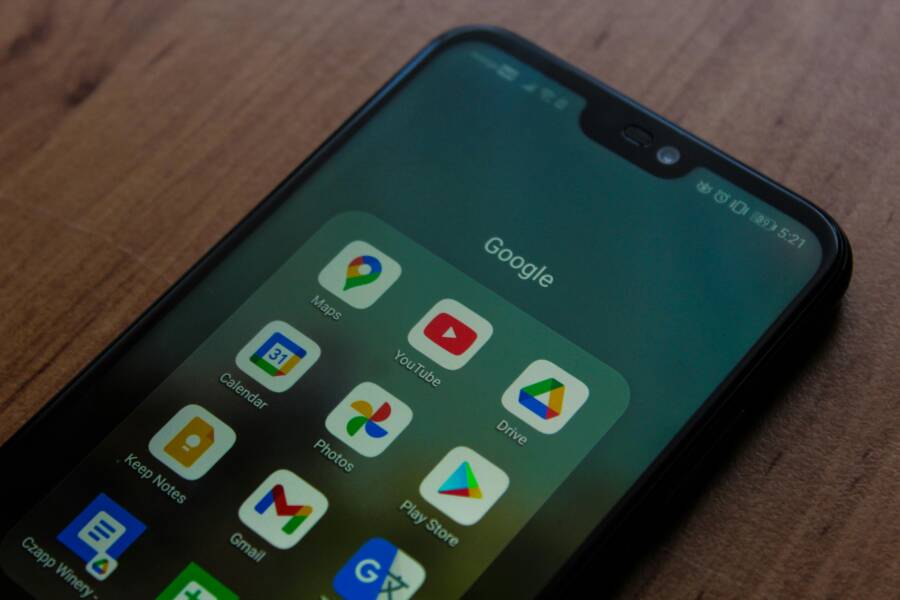
Image suggestion:  Photo by Czapp Árpád
Choose backup quality and data usage
Google Photos offers two main backup quality options. Understanding the trade‑offs helps you balance image fidelity with storage needs.
- Storage saver (previously called High Quality): Compresses photos and videos to save space. Photos are resized to a maximum of 16 MP, and videos drop to 1080p. This option counts toward your storage quota but uses less space.
- Original quality: Backups preserve the exact resolution and quality of your originals. Files don’t get compressed, but they use more storage.
How to decide:
- If you want to preserve detail for occasional prints or professional use, choose Original quality.
- If you mainly view photos on your phone or share online, Storage saver is a practical choice.
You can switch between settings later, though changing may trigger re‑uploads for some media. For a quick comparison, see resources that outline how each option affects file size and downloads. Google Photos backup quality overview
| Feature | Storage saver | Original quality |
|---|---|---|
| Photo resolution | Up to 16 MP | Full original resolution |
| Video resolution | Up to 1080p | Full original resolution |
| Compression | Yes | No |
| Storage usage | Counts toward quota | Counts toward quota |
| Best use | Everyday sharing, saves space | Highest fidelity backups |
Quick tips:
- Start with Storage saver to build your backup quickly, then switch to Original if you need high fidelity for key albums.
- If you run out of space, upgrade with Google One or selectively back up only essential albums.
- You can change the setting anytime from the Backup settings.
For more detail on how the two modes affect your library, this guide explains what happens when you switch between them. What Happens When You Switch From Original To High Quality In Google Photos Or Vice Versa
Image suggestion:
Photo by Czapp Árpád
Install and prepare Google Photos app on your phone
Getting the app ready is the last mile before your photos start zipping to the cloud. Here are the essential setup steps that work for both Android and iPhone.
Setup steps:
- Install Google Photos from the official app store: Google Photos app downloads page for Android or iOS App Store. App downloads – Google Photos
- Open the app and sign in with the Google Account you want to use for backup.
- Grant necessary permissions, such as storage and photos, so the app can access and back up media.
- Turn on Back up and sync in the app settings and choose your preferred upload quality and data usage.
- If you plan to backup everything, include all photo albums; you can adjust this later per album preference.
- Keep the app updated to access the latest features and fixes. If you don’t see Back up and sync, update the app and retry.
Helpful links for downloading the official app:
- Android: Google Photos on Google Play
- iPhone: Google Photos on the App Store
If you want a quick walkthrough, this video explains how to see your backups and manage backup status in Google Photos. Google Photos – Storage Saver vs Original Quality Settings
Image suggestion: none needed here, but pairing with a device screen photo can help readers visualize setup.
Including images in this section helps readers connect each step to what they’ll actually see on their screens. If you’d like, I can tailor image placements to match your exact layout and any preferred visual style.
External references and further reading:
- Check your backup and related settings to ensure you’re backing up to the right account. Check your backup – Google Photos Help
- Learn how to back up photos and videos automatically on Android. Back up photos & videos – Android
- Compare Google Photos with other cloud storage options for context. Google Photos vs Apple Photos
This preparation sets you up for a smooth move of memories from your phone to Google Photos. The next sections will walk you through the actual transfer process, step by step, and show how to manage storage and sharing after your backup is in progress.
Move photos from Android and iPhone to Google Photos
Now that you’ve prepped your Google account and app, it’s time to transfer those photos. This section breaks down the process for Android devices first, then iPhones. Follow these steps on your smartphone, and your library will head to the cloud soon.
Move photos from Android
Android users get a native edge with Google Photos pre-installed on many devices. Start the backup right away to protect your shots.
Here’s the step-by-step process:
- Open the Google Photos app on your Android phone.
- Sign in with your Google account if you haven’t already.
- Tap your profile picture in the top right, then select Photos settings > Back up.
- Toggle on Back up and sync. The app will prompt you to pick upload quality: Storage saver for compressed files or Original quality for full resolution.
- Connect to Wi-Fi for faster, cheaper uploads. Go to settings and set backups to Wi-Fi only if you prefer.
- Let the first backup run. Keep the app open and your phone charging; it shows progress at the top.
Once done, check your photos on another device or at photos.google.com to confirm they arrived safely. For the full official guide, see Google’s steps here.
Tip: Sort photos on your smartphone before backup if you want. Delete duplicates or move key ones to a dedicated folder, then enable Back up device folders in settings.
Move photos from iPhone
iPhone owners need to handle iOS permissions differently, but the process stays simple. Google Photos pulls from your Photos app once you grant access.
What If the Only Thing Between You and the Life You Deserve Is a Hidden Wealth Code Waiting to Be Activated
>>> Open the Door <<<

Follow these steps:
- Install Google Photos from the App Store if it’s not on your iPhone.
- Open the app and sign in with your Google account.
- Tap your profile icon, go to Photos settings > Back up, and turn on Back up & sync.
- Choose upload size: Storage saver or Original quality, just like on Android.
- Ensure you’re on Wi-Fi. iOS asks for permission to access your Photos library; tap Allow full access when prompted.
- Wait for the backup to finish. The app shows a progress bar; plug in your smartphone to speed things up.
Verify everything uploaded by searching for recent photos in the app. Google details iOS specifics here.
Tip: Pick Selected photos in backup settings if you want control over uploads. This lets you choose albums and skip clutter, perfect for large libraries.
Troubleshooting common issues
backing up photos should feel like a safety net, not a catch. In this section you’ll find practical, straight-to-the-point fixes for the most frequent problems people run into when moving photos from a phone to Google Photos. Whether you’re on Android or iPhone, these steps help you diagnose and resolve issues quickly so backups stay reliable.
 Photo by Plann
Backup not starting or failing
If backup won’t start or stops midway, the issue is usually simple to fix. The most common culprits are a weak internet connection, a low battery, or permission glitches that block the app from reading your photos.
- Quick checks you can do now:
- Reconnect to a stable Wi‑Fi network or switch to a strong mobile data connection.
- Plug in your device or ensure it has sufficient battery before starting a backup.
- Open Google Photos, go to Back up and sync, and recheck your backup settings.
- If it still won’t start, sign out of your Google account in the app and sign back in.
- Verify that Back up and sync is enabled and that you’ve chosen the right Google Account for backups.
If the problem persists, review the app version. Updating Google Photos to the latest release can resolve many nagging backup faults. You can also confirm you have room in your Google account storage, since backups will pause if you’re out of space. For additional guidance, see Google’s help articles on fixing issues with Google Photos backups and managing backup status.
- Quick troubleshooting flow:
- Check connection → 2) Update the app → 3) Re-sign in → 4) Check storage quota
- Reconfigure Back up and sync if needed
If you want a deeper dive, Google’s support resources walk you through step by step. Fix issues with Google Photos
Photos not appearing after backup
Backups can finish quietly in the background, but sometimes the files don’t show up where you expect. Start by confirming you’re using the right account, then verify the backup completed successfully.
- Verify the account:
- Make sure the Google Account shown in Google Photos is the one you intend to back up to.
- If you use multiple accounts, switch accounts in the app and check again.
- Refresh and recheck:
- Pull down in the app to refresh your library.
- Open photos.google.com on a computer or another device to confirm the library shows the latest uploads.
- Check backup status:
- In Google Photos, go to your account profile > Photos settings > Back up to see if backups show as completed.
- If backups are stuck or not reporting as completed, re-run the backup or re-sign into the account.
- Cross-device verification:
- Try viewing the library on another device or via the web to confirm availability across platforms.
If you still don’t see recent photos, there may be a permissions or synchronization hiccup. Google’s help center provides iOS and Android-specific steps to verify backup status and permissions. My photos aren’t backing up – iPhone & iPad
Storage and permissions problems
Storage limits and app permissions are the two tightest screws in the backup mechanism. When space runs low or the app lacks the necessary access, backups stall or fail.
- Free up or manage storage:
- Check how much free space remains in your Google account and, if needed, free up space or upgrade with Google One.
- Consider enabling Backup & sync for only the folders you care about to conserve space.
- Permissions matter:
- On Android, ensure Google Photos has permission to access your photos, storage, and the camera roll. Without access, the app can’t back up media.
- On iPhone, confirm Google Photos has access to your Photos library and, if prompted, grant full access.
- Update or reinstall:
- If permissions look correct but backups still fail, update the Google Photos app. If needed, reinstall the app to clear any stuck data.
- Device and account alignment:
- Make sure you’re signed in with the correct Google Account.
- Check device storage settings to ensure there’s no conflict between the phone and Google account quotas.
In many cases, freeing up space or refreshing permissions resolves the issue. If you want a clear, official walkthrough for permissions on Android and iPhone, see the Google Photos Help guidance on giving your device photos access to Google Photos. Give your device photos access to Google Photos
What happens if issues persist? You can review related topics like “Cannot grant full access to Google Photos on iPhone” or consider a clean install to reset the app environment. Cannot Grant Full Access to Google Photos on iPhone
By methodically checking storage and permissions, you’ll usually unlock a smooth backup cycle. If you hit a wall, Google’s support articles and community forums offer targeted fixes for your exact device and OS version. My photos aren’t backing up – Android
Tips for ongoing reliability:
- Keep the Google Photos app updated and clear cache if you notice slow performance.
- Regularly review backups to catch issues early.
- Use a stable Wi‑Fi connection whenever possible to avoid data‑mode interruptions.
External resources and deeper reads:
- Backup status and settings overview to ensure you’re backing up to the right account. Check your backup – Google Photos Help
- Android specific backup workflow and settings. Back up photos & videos – Android
- A broader comparison of cloud storage options to put Google Photos in context. Google Photos vs Apple Photos
This approach keeps your memories safe and accessible. If you’re preparing for a big move or a fresh start, these checks become your first line of defense against missing shots and stalled backups. The next sections will guide you through verifying backups after the transfer and how to manage storage and sharing once your library is safely stored in Google Photos.
Organize after backup and advanced tips
Once your memories are safely stored in Google Photos, the next step is to organize them so you can find exactly what you want in seconds. The tips below focus on structuring your library with albums, using face grouping to tag people, unlocking AI-powered search and Recaps, and sharing with clarity and control. These practices keep your collection tidy, searchable, and easy to collaborate on with family and friends.
Use albums and face grouping
Albums are a straightforward way to group related photos, from trips to family events. Start by creating themed collections, then move relevant images into those albums. Face grouping adds another layer of structure by tagging people so you can search by person, not just by date or file name.
Simple steps to get started:
- Create a new album on photos.google.com or in the Google Photos app.
- Add photos by selecting them and choosing “Add to album” or by dragging them into the album.
- Name the album clearly (e.g., “Lake Vacation 2024” or “Cousins Birthday”).
- Turn on Face Groups in Google Photos settings if it isn’t already active. Then label familiar faces with names to improve future searches.
Tips for best results:
- Regularly review albums and prune duplicates to keep the collection lean.
- Use descriptive album names and add notes to help future you remember context.
- Pair albums with a few standout photos so you can quickly verify each collection’s focus.
Images can act as anchors for context. A well-chosen cover photo for each album helps you spot it at a glance. For a visual cue that mirrors this approach, see user-friendly album creation guides in Google Photos support resources. https://support.google.com/photos/answer/6128849?hl=en&co=GENIE.Platform%3DDesktop
Photo: A tidy, well‑labeled album screen with a clear cover photo
- Photo by ready made on Pexels
- Source: https://www.pexels.com/@readymade
Leverage AI features and Recaps
Google Photos uses AI to speed up how you find moments, build Recaps, and refine your search. Recaps give you a cinematic mini‑story of your year, while enhanced search helps you locate a memory by things like people, places, or activities. Privacy controls let you tailor what appears in Recaps and who can see it.
Thousands of People Were Struggling With Money Until They Discovered This One Ancient Secret Hidden in Sound
>>> Unlock It Now <<<
What to explore:
- AI‑driven organization and search: The app groups photos by people, places, and events. Over time, it learns who’s in your photos, so searches become more accurate.
- Recaps: A year in review that highlights your standout moments, top people, and key places. You can customize what shows up and even hide items you don’t want included.
- Privacy and control: You can adjust Recap visibility, turn off certain AI features, and manage who can view shared memories.
Practical examples:
- Search for “my sister at the beach last summer” rather than scrolling.
- Generate a Recap of a recent trip and edit it to emphasize your favorite moments before sharing.
- If you share an album, you can limit who sees Recap content and what gets highlighted.
If you want a deeper look at AI features and Recaps, you can refer to recent overviews and updates from Google Photos. https://blog.google/products/photos/google-photos-2025-recap/
Image: A smartphone screen displaying a Recap montage
- Photo by ready made on Pexels
- Source: https://www.pexels.com/@readymade
Share and collaborate
Sharing turns your private library into a collaborative memory book. You can create shared albums, set permissions, and push memories to apps your group uses. The key is to keep sharing simple and secure so everyone enjoys the moment without confusion.
How to share effectively:
- Create a shared album and invite specific people by email. They can add their own photos and captions if you allow it.
- Manage permissions: Decide whether others can add photos, contribute captions, or simply view. You can adjust access as needed.
- Direct sharing to apps: Share individual photos or albums through messaging apps, email, or social networks with clear captions.
Best practices for safety:
- Use link sharing sparingly. Prefer direct invitations to ensure you know who has access.
- Periodically review who can view or edit a shared album and remove anyone who no longer belongs.
- For events with many participants, use a dedicated album where everyone can contribute, keeping personal memories organized.
If you want a quick reference for sharing settings and options, Google’s official sharing guidance is a solid resource. https://support.google.com/photos/answer/9789702?hl=en
Image: A group of friends viewing a shared album on a tablet
- Photo by ready made on Pexels
- Source: https://www.pexels.com/@readymade
Additional tips to optimize collaboration:
- Start with a clear album topic and a simple description so contributors know what belongs there.
- Use comments to add context or ask for specifics about a memory.
- Keep a regular cadence for reviewing shared albums, especially after big events or trips.
If you’re curious about privacy controls for shared albums, Google’s privacy guide provides practical details on who can see and edit shared content. https://support.google.com/photos/answer/9789702?hl=en
Images help readers connect with the process. Consider placing an inviting image near the “Share and collaborate” subsection to illustrate group memories coming together in the cloud.
Final thoughts for this section
- Organize with purpose. Combine albums for events with face groups for quick recall.
- Let AI do the heavy lifting, but stay in control with Recap and privacy settings.
- Share thoughtfully. Clear permissions keep memories safe and enjoyable for everyone.
External references and further reading
- Create & edit photo albums on desktop. https://support.google.com/photos/answer/6128849?hl=en&co=GENIE.Platform%3DDesktop
- Set up and manage your face groups. https://support.google.com/photos/answer/6128838?hl=en&co=GENIE.Platform%3DDesktop
- How shared album controls give your photos more privacy. https://support.google.com/photos/answer/9789702?hl=en
- Share photos and videos on Android. https://support.google.com/photos/answer/6131416?hl=en&co=GENIE.Platform%3DAndroid
This section equips you with practical methods to keep your Google Photos library organized after backup. The next sections will dive into maintenance routines, storage strategies, and how to automate parts of your workflow for ongoing peace of mind.
Conclusion
Moving photos from your smartphone to Google Photos gives you a reliable backup, easy access across devices, and powerful search and organization tools. With automatic backup turned on, new shots upload in the background so you don’t have to babysit the process. Start by choosing the right account and upload quality, then review storage status and explore albums, face grouping, and AI features to keep your library tidy. Try the workflow today, check your storage, and discover how simple it is to organize and share memories with confidence. If you’re ready, set a quick reminder to review backups weekly and experiment with albums and Recaps to see how your library comes alive.
There Is a Frequency That the Wealthiest Families Have Used for Generations and Most People Will Never Know It Exists
>>> Open the Door <<<