
What If the Only Thing Between You and the Life You Deserve Is a Hidden Wealth Code Waiting to Be Activated
>>> Open the Door <<<

Home security starts at the curb. A well lit exterior makes your property less inviting to intruders and helps you see what’s happening as you approach your door. Motion sensor lights from Home Depot offer a straightforward way to add light exactly when you need it, without wasting energy. This guide walks you through what to buy, where to place lights, and how to install them so you get better safety without turning your home into a showroom.
Motion sensors are more than a bright welcome mat. They can deter trespassers, help you navigate at night, and improve the reliability of outdoor cameras by reducing dark zones. If you’re shopping at Home Depot, you’ll find a range of options from simple floodlights to smart fixtures that connect with your phone or smart home system. The right choice depends on your entry points, climate, and how you use your exterior space.
In the sections that follow, you’ll discover practical steps to choose the right fixtures, plan coverage for every doorway, and install them safely. You’ll also pick up money saving tips and maintenance routines that keep your lights dependable year after year.
Why Motion Sensor Lights Matter for Home Security
She Pressed Play on a Strange Audio Track and Within Days Her Financial Reality Started Shifting in Ways She Could Not Explain
>>> See How It Works <<<

Think of motion sensor lights as the first line of defense around your home. They illuminate areas that intruders often use to stay hidden and force them to reveal themselves before they get close enough to act.
- Deterrence through visibility: A sudden light startle makes anyone think twice about moving closer. The glare also helps neighbors and passersby spot suspicious activity.
- Safer access and safer entry: When you approach the door, lights come on to guide your steps. That reduces trips and falls and makes it easier to find keys, locks, and doorbells.
- Camera effectiveness: Exterior cameras perform best when they can rely on ample, even lighting. Motion sensors cut down on shadows and make faces or license plates easier to recognize.
- Energy efficiency: Rather than leaving lights on all night, motion sensors trigger illumination only when movement is detected. That lowers electricity use and extends bulb life.
What to Look for in Motion Sensor Lights
Choosing the right fixture means balancing brightness, reliability, and weather readiness. Here are the essential considerations you’ll see when browsing Home Depot shelves or online listings.
Detection technology and range
- Passive infrared (PIR) sensors detect body heat and motion. They’re common, affordable, and work well in many outdoor settings.
- Dual tech combines PIR with microwave sensors for fewer false alarms and better coverage. If your area has a lot of leaves moving in the wind, dual tech can help.
- Coverage range matters. For entryways, a range of 20 to 40 feet is typical. If you want to shade a long driveway, you may need multiple fixtures.
Brightness and light quality
- Measured in lumens, brightness affects how well you’ll see at night. For entryways, 700 to 1200 lumens is usually plenty.
- Color temperature affects the feel of the light. Warmer tones (around 2700K to 3000K) feel welcoming; cooler tones (around 4000K) feel crisper and more security focused.
Power source and energy use
- Hardwired fixtures deliver consistent power but require wiring and usually a professional install for safety.
- Battery powered and solar options are great for do it yourself installs and landscaping lights. Look for brightness in the 400 to 800 lumens range for best results outdoors.
- Some fixtures combine solar charging with a backup battery, so you don’t lose light on cloudy days.
Weather resistance and durability
- Outdoor lights need weatherproofing. Look for IP ratings like IP44 for protected indoor and outdoor use, or IP65 for stronger rain exposure.
- Materials matter. Aluminum housings resist rust, while plastic legs and lenses reduce weight but may fade over time in direct sun.
Smart features and home integration
- Many newer fixtures pair with apps, voice assistants, and hubs. You can set schedules, create geofencing, or tweak brightness remotely.
- Check compatibility with the systems you already use, such as Google Home, Amazon Alexa, or Apple HomeKit.
- Some fixtures offer adjustable motion sensitivity and multiple lighting modes. These options help you tailor performance to your home.
Placement options for the best coverage
- Front entry and doorway zones are prime targets for lighting. A fixture that lights the step and the doorknob area boosts safety.
- Garage doors and driveway zones help you spot a vehicle or person approaching. A lighting plan here can reveal activity from multiple angles.
- Pathways and side gates should be lit without creating glare that blinds you as you walk.
- Overhangs and eaves provide a mounting point that keeps lights out of reach for tampering while delivering broad illumination.
Image: A stylish setup in a home environment with motion sensing lighting helps illustrate how these fixtures look after sunset.
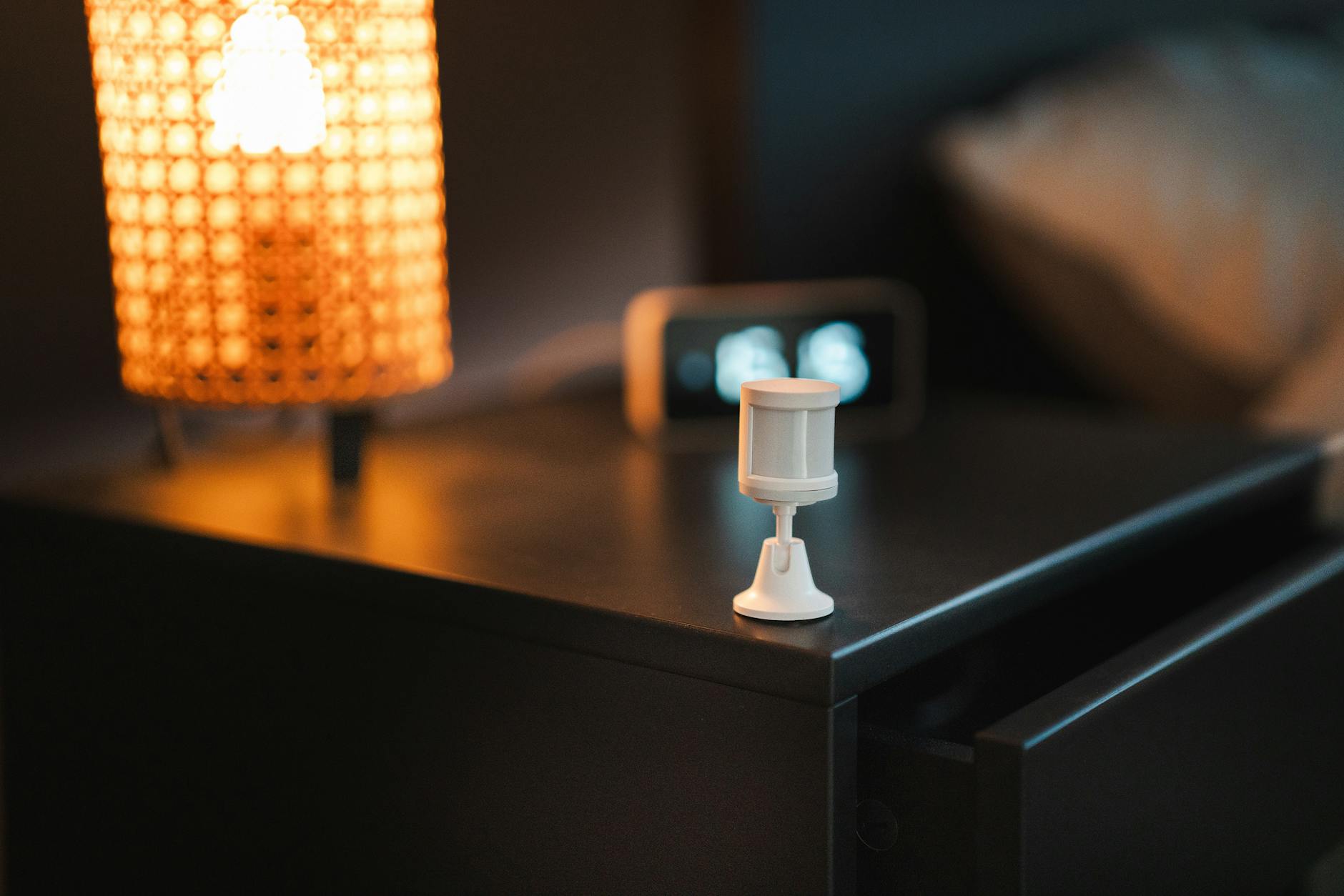
Photo by Jakub Zerdzicki Caption: Photo by Jakub Zerdzicki
He Was Drowning in Bills and Burnout Until a Simple Daily Ritual Rewired His Brain for Wealth in Less Than a Week
>>> Start Your Shift Today <<<

Planning your setup at Home Depot
When you shop at Home Depot, take advantage of both in store and online resources. Use filters to narrow options by lumen output, IP rating, weatherproofing, and smart features. Reading product specs helps you compare models quickly so you don’t waste time. If you’re unsure about fit or function, a store associate can explain warranty terms and installation considerations.
- In store, bring a simple plan of your exterior. Identify doors, stairs, and corners that would benefit from lighting.
- Online, check customer reviews for reliability and real-world brightness. Look for notes about weather performance in your area.
- Consider bundles or starter kits that include two fixtures plus mounting hardware. Bundles save time and can price out better than buying separately.
Placement strategies for maximum coverage
A thoughtful layout ensures every key area is lit without creating hot spots or dark corners.
She Pressed Play on a Strange Audio Track and Within Days Her Financial Reality Started Shifting in Ways She Could Not Explain
>>> See How It Works <<<
- Front porch area: Aim for a light that covers the steps, door handle, and a small portion of the yard near the entrance.
- Back door and side gates: Use a fixture that covers both the door and the path to the fence or alleyway. This makes it harder for anyone to move unseen.
- Garage entry: A wall mounted fixture above or to the side of the garage door helps you find the opener and see what’s behind as you pull in.
- Driveway corners: If you have a long driveway, place lights at intervals to maintain visibility as you approach the street.
- Stairways and pathways: Lighting every step reduces the risk of trips and makes your property feel safer.
Installation and routine maintenance
DIY friendly fixtures simplify the process, but some installations do require professional help. Here are practical steps to get you started.
- Turn off power if you’re wiring a hardwired unit. Always follow local electrical codes.
- Mount at a height that prevents tampering yet provides good coverage. Exterior fixtures are often mounted 6 to 10 feet high depending on the space.
- Use the correct screws and anchors for your wall type. Concrete, brick, and wood each need a different approach.
- Connect wires securely, restore power, and test the sensor range. Walk through the area to verify coverage and fine tune motion sensitivity.
- For solar and battery powered units, check the battery health and clean the lens so it reads movement reliably.
- Clean the lens periodically and inspect seals after heavy weather. Dirt and water can reduce brightness and sensor effectiveness.
Budgeting and finding deals at Home Depot
Exterior motion sensor lights come in a range of prices. A solid basic model will cost less than 25 dollars, while feature rich smart fixtures can run into the 60 to 100 dollar range or higher. For most homes, a few well placed fixtures offer a good balance of brightness and coverage.
- Entry level: Simple floodlights with PIR sensors and a single brightness setting. Great for wallets and quick installs.
- Mid range: Dual tech sensors and multiple brightness settings. Often weather sealed with better durability.
- Smart options: App control, scheduling, geo fencing, and voice assistant compatibility. Expect higher price but more control and convenience.
- Outdoor rated and durable: Look for robust housings and high IP ratings. These last longer and perform reliably in harsher climates.
Smart features and home integration
Smart motion sensor lights bring more control without complicating your life. Typical capabilities include:
- Remote control via an app: Turn lights on and off, adjust brightness, or update sensors from anywhere.
- Schedules and automations: Set lights to activate at dawn and dusk, or when you come home after sunset.
- Scene integration: Link lighting with other devices in your home automation setup for a coordinated effect.
- Remote diagnostics: Some fixtures report battery level or sensor health so you know when it is time to service.
Weather and safety considerations
Exterior lights must withstand the elements. Before buying, check these basics.
- IP rating for weather endurance, with IP65 offering strong water resistance.
- UL or equivalent safety certification to ensure electrical safety standards are met.
- Durable lamp housings that resist rust and sun damage.
What to expect from Home Depot delivery and support
- In store assistance can help you pick fixtures that fit your home’s geometry and climate.
- Online orders include customer reviews and Q&As that clarify installation quirks.
- Home Depot often provides straightforward return policies if a fixture doesn’t fit your needs.
A practical example of a lighting plan
If you have a duplex with two entrances and a long driveway, you might place two mid range fixtures at the front corners of the porch, one near the back door, and another along the driveway near the street. Add a solar powered option for a side gate to maintain coverage in the extended yard. Pair a smart fixture near the front door with a compatible hub so you can program schedules or trigger lights when you activate your evening security routine.
How to evaluate options quickly at Home Depot
- Start with brightness: pick fixtures in the 700 to 1200 lumen range for outdoor entry zones.
- Check the sensor range and mounting height to ensure you’ll cover key areas.
- Look for weatherproof ratings and a long warranty. These indicators point to durability.
- If you want smart features make sure the fixture supports your preferred ecosystem.
- Compare total cost of ownership, including bulbs or LEDs and replacement parts.
Safety, warranties, and returns
- Warranties vary by model but typically cover structural failure and electrical components for one to several years.
- Reading the return terms helps you avoid surprises if a fixture does not meet your needs.
- Keep a copy of the receipt and note the model number for easy support if issues arise.
Conclusion and next steps
Motion sensor lights from Home Depot offer a practical path to safer evenings and clearer nights. By choosing the right sensor type, brightness, and weather rating, you can create a perimeter that deters intruders and welcomes you home with confidence. Plan placements that cover doors, steps, and pathways, and consider smart fixtures for extra convenience. A little lighting goes a long way toward peace of mind.
If you’re ready to upgrade, start with a simple setup near your front door and a second fixture to illuminate the driveway. As you grow more comfortable, add smart features and more fixtures to blanket the property. The result is a safer home that still feels comfortable and welcoming when you return after dark.
Photo by Jakub Zerdzicki Photo credits: Photo by Jakub Zerdzicki
In the end, the right motion sensor lights at Home Depot can be a straightforward upgrade that pays for itself in better security and easier evenings. Take a quick walk around your house, map the entrances, and choose fixtures that fit your needs. You’ll sleep a little easier knowing light is ready to respond when you need it most.
What If the Only Thing Between You and the Life You Deserve Is a Hidden Wealth Code Waiting to Be Activated
>>> Open the Door <<<