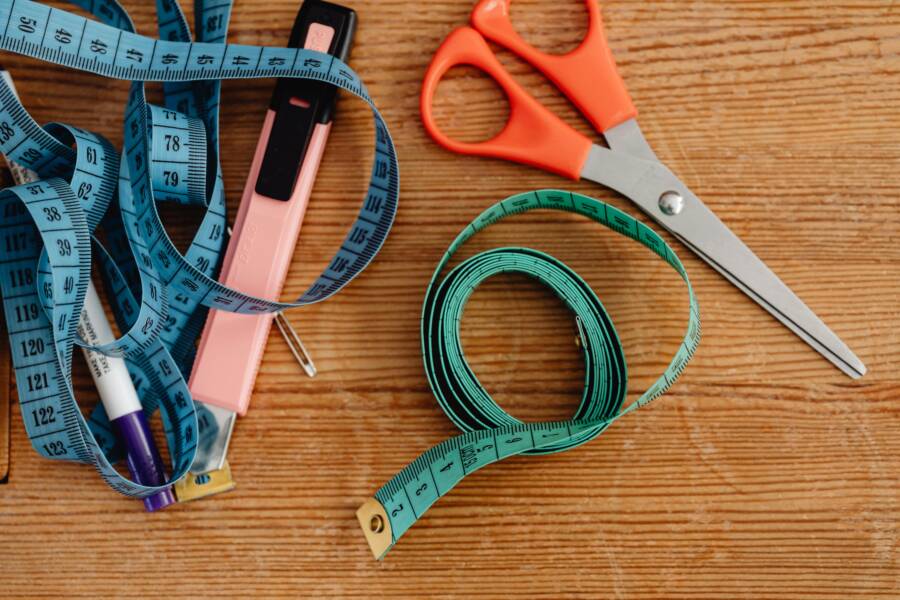
Getting projects right starts with precise measurements. A small error can throw off an entire build, from a cabinet gap to a misaligned shelf. Home Depot makes it easy to pick up reliable tools in one trip, with a wide range of options for beginners and seasoned do-it-yourselfers alike. This guide breaks down what to buy, why accuracy matters, and how to use each tool so your next project looks professional and fits perfectly.
Choosing the right tools for your project doesn’t have to be overwhelming. You’ll learn how to assess your needs, see what Home Depot offers, and pick tools that stay dependable over time. By the end, you’ll know which measuring tools belong in your toolkit and how to use them with confidence.
Choosing the Right Measuring Tools for Home Projects
Why accuracy matters in DIY projects Tiny measurement errors can snowball into big problems. If a cabinet door is even a fraction of an inch off, it can rub or swing open unevenly. A cut that’s a few millimeters too long means you’ll waste material, or you’ll end up with a sloppy fit that’s hard to fix later. In tiling, a simple misread can leave gaps or uneven lines that are obvious after grouting. The goal is predictability. When you measure carefully, you reduce guesswork and finish with a cleaner result.
Beginner toolkit essentials A solid starter set covers the basics and lets you tackle most small projects with accuracy. At minimum, you’ll want:
- Tape measure to capture quick distances and check fit.
- Combination square for marking 90 degree angles and straight edges.
- Speed square for framing quick layouts and rafter cuts.
- Pencil for marks that erase cleanly, and a small notepad for jotting measurements.
- A simple ruler for lineups and quick measurements on small parts. These core tools give you reliable reference points and help you plan before you cut or drill. They’re inexpensive to replace if you learn a new technique or start a bigger project.
Must-Have Measuring Tools at Home Depot
Tape measures and rulers that stay accurate A good tape measure is the backbone of most projects. Look for a blade that locks firmly, so it doesn’t creep as you measure. A durable housing protects the blade from drops and daily use. Key features to evaluate include:
- Metric and imperial markings, often with stud marks for quick framing checks.
- Clear, readable numbers and fractional markings that don’t blur over time.
- A blade that resists tangling and a belt clip or holster for easy access.
- Durability and a reliable locking mechanism; replace the blade if it shows kinks or stretches. Home Depot shelves are stocked with several brands and sizes. For most home projects, a 25 foot or 16 foot tape with both metric and imperial scales works well. If you work in tight spaces, a compact 12 foot or 16 foot model can be handy. When to replace a tape? If the numbers wear off, the blade becomes dull, or it doesn’t lock securely, it’s time for a new one. A good ruler or steel straightedge can supplement the tape for straight lines and layouts.
Digital calipers and laser measures for quick checks Digital calipers are great for small details where precision matters. They are ideal for measuring the thickness of panels, gaps between joints, or checking round objects for diameter. A typical digital caliper reads in inches and millimeters, and a quick switch lets you go from one unit to the other. They’re especially useful when you need repeatable fractions in a small space.
Laser distance measures speed up long distances and rough layouts. With a single click, you can capture room dimensions, door widths, or the distance between two anchors. Many models display measurements in inches or millimeters and can switch to feet for larger spaces. Battery life is a practical consideration; look for devices with long-lasting batteries and simple one-button operation. Laser measures aren’t a substitute for all tasks, but they shine when you’re measuring larger rooms or passing reference marks from opposite walls.
How to Choose the Right Tool for Your Project
Read precision needs and measurement units Start with the room and material. Wood projects often rely on fractions and decimals when checking board lengths. Tile work benefits from precise whole numbers and fractions for grout lines. If you frequently switch between metric and imperial, choose tools that smoothly convert and display both units. For most home work, keeping a small set of common increments in mind helps. Practice rounding to the nearest 1/16 inch or 0.5 millimeter when you know your project tolerances.
Budget and durability considerations Invest in tools that feel solid in your hand and hold up over time. A slightly higher upfront cost for a tape measure with a tough housing and a blade that resists wear pays off in fewer replacements. Warranties vary by brand, but a tool built to last often comes with better steel blades, sturdy locking mechanisms, and reliable bearings in moving parts. If you’re planning frequent projects, allocating a bit more to a dependable caliper or laser measure can save time and headaches in the long run. Start with essential tools and add specialty devices as your projects grow.
Tips to Use Measuring Tools Correctly
Proper technique and common mistakes
- Take two measurements. Always measure twice before cutting or drilling.
- Read the instrument from eye level to avoid parallax error. In a tilted view, numbers seem off.
- Use the right edge. Start from the tool’s zero point for consistent results.
- Record measurements clearly. Write down distance, unit, and what you’re measuring to avoid confusion later.
- Check for fit before you cut. A test piece can save material and time.
Maintenance and care for accuracy
- Clean blades after use; wipe away dust and adhesives that can stain or stick.
- Store tools in a dry place to prevent rust on metal parts.
- Check calibration periodically, especially for calipers and laser measures.
- Replace worn batteries promptly so readings stay reliable.
- Keep the handles clean and free of oil to maintain grip during measurements.
Conclusion
Precision makes projects look deliberate and professional. By selecting the right tools at Home Depot and using them with care, you’ll reduce errors and improve outcomes across carpentry, tiling, and home upgrades. Start with a dependable tape measure, a square, and a notepad, then add digital calipers or a laser distance measure as your needs grow. Practice on a simple project first, like building a small shelf, and measure twice, cut once. With a little routine, your measurements become second nature, and your results speak for themselves. Happy measuring.
[Image: A construction worker accurately aligns using a level inside a building project.]
Photo by Kindel Media
https://www.pexels.com/@kindelmedia
Note: The image above illustrates the precision mindset that good measuring tools enable. It serves as a visual reminder that accuracy starts with the right tools and careful technique.