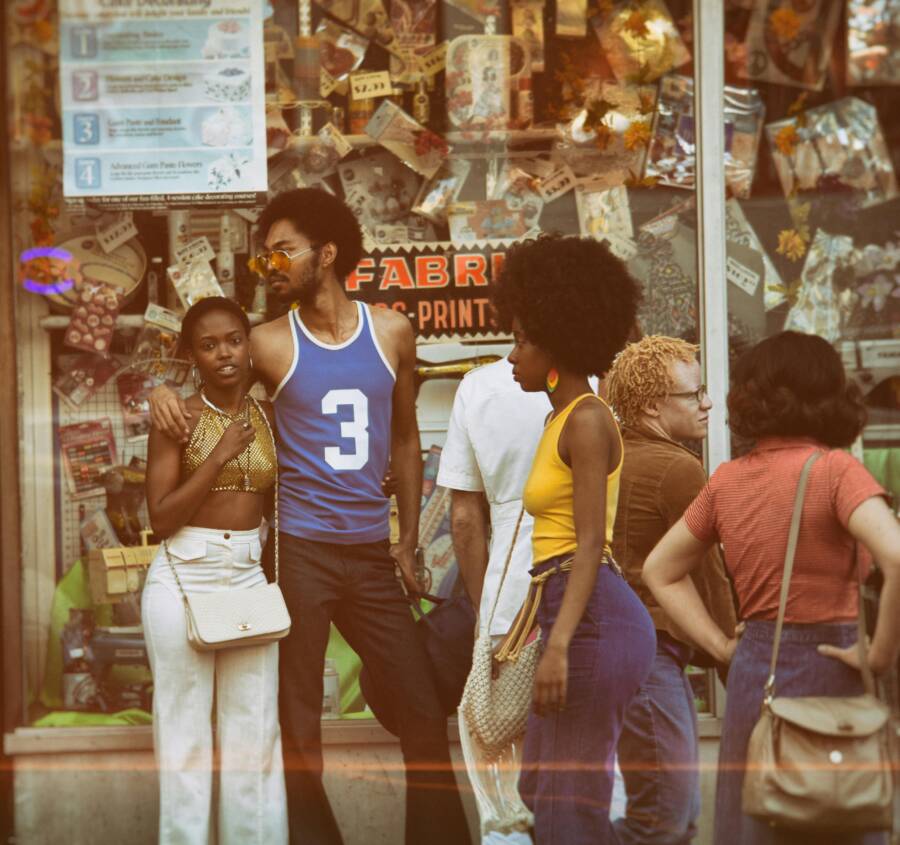
Marty Reisman was more than a top pool player and a known gambler. In New York’s bustling social circles, he became a living symbol of brash charm and quick wit. He walked through rooms where deals were made, cameras flashed, and conversations flew faster than a cue ball. Those who saw him describe a presence that could tilt a room from quiet to electric in seconds. This is a look at how Reisman earned an enduring status in the city’s social fabric.
Two elements defined his pull: a knack for turning a game into a social event, and an instinct for reading a room. In a town famed for big personalities, Reisman stood out not just for skill but for timing. He knew when to talk, when to listen, and how to pivot a party from casual chatter to memorable moments. The result was more than admiration from peers; it was a reputation that survived the shifting tides of New York life.
From the moment he stepped into a gathering, the word “guest” felt earned. Reisman pressed the brakes on pretension with blunt honesty and a sense of humor that kept the mood buoyant. The city’s social map rewards those who can blend street savvy with a touch of elegance. Reisman offered both, and people noticed.
A public figure in private settings, Reisman wasn’t chasing headlines. He was chasing connection. He moved through rooms with a storyteller’s cadence, weaving anecdotes like threads that connected strangers. Those who watched him play a round of pool saw a man who could turn a simple break into a social ritual. The pool hall, the private club, the hotel lounge all became stages where he demonstrated how games can serve as social glue. In short, he used play to build a network that felt warm, inclusive, and undeniably New York.
From backstage to center stage, Reisman used conversation as a currency. He knew how to draw out a guest’s story and translate it into a shared experience. It’s not just what he said, but how he listened that left an impression. People left a room thinking they had learned something new about themselves or about the city. That ability to surface human interest and keep it light is rare. It helps explain why Reisman’s name kept turning up in conversations about the city’s social energy.
The early years in New York offered a proving ground. The city is a place where talent must be earned and reputations tested. Reisman met every test with a mix of skill, timing, and a pulse on what mattered to a crowd. He understood the value of improvisation. If a party hit a lull, a quick quip or a deft shift in subject matter could re-ignite the room. That quick read of a social room is a skill that translates beyond any single gathering. It’s the backbone of what makes someone a lasting figure in a city that never stops moving.
The Social Playbook: Games, Charisma, and People
Games are not just contests; they are social rituals in which status and humor mingle. Reisman used this truth to his advantage. He treated billiards and card games as invitations to connect. A match could draw in someone who would otherwise stand at the edge of a conversation. A win or a loss was less important than the interaction it created. For many guests, a night with Reisman felt like a curated experience rather than a random party.
In New York’s social scene, charisma can be a practical asset. Reisman demonstrated how to deploy it without arrogance. He chatted with bankers, artists, bartenders, and law clerks with a similar warmth. The point was not to showcase superiority but to invite inclusion. When a guest felt seen, they returned the courtesy with referrals, introductions, and stories of their own. This is how a social circle grows into a living network.
Reisman’s approach also included a sense of theater. He understood that a good social moment benefits from rhythm. A pause here, a joke there, the timing of a toast, and a shared smile all matter. The best social figures create moments that feel inevitable in hindsight. People remember the way a room felt after they left. Reisman was especially adept at producing those moments without appearing contrived.
Another key piece of his influence was mentorship through example. Young players, aspiring hosts, and curious socialites watched how he handled success and setback. He showed that confidence should be steady, not loud. He modeled hospitality as a daily practice, not a one night stand with a roomful of strangers. That consistency helped cement his status as a trusted presence in a city that prizes reliability.
Media Attention, Local Legends, and a Circle That Spreads
New York’s media loved a good character with an authentic story. Reisman’s name cropped up in profiles, columns, and backroom accounts of the city’s hottest nights. The press framed him as a symbol of a certain era, a figure who could bridge rough street energy with refined social polish. The coverage did not turn him into a mere caricature; it amplified the sense that he stood for something real in a city that often confuses spectacle with substance.
What mattered more than fame was the way his presence shaped conversations. In a town that often equates clout with distance, Reisman kept a pliable edge. He listened as much as he spoke, which encouraged others to open up. The followers who emerged from his circles were not passive observers; they became participants at every level of the city’s social life. They learned how to mix seriousness with play, how to craft a scene that felt both exclusive and welcoming.
Those who saw Reisman connected to the city’s wider social chain noticed how quickly his name circulated. A party would spread through friends of friends, then to organizations and venues that valued a certain energy. This network effect elevated not just his status but the rooms themselves. Venues transformed into places where guests expected a lively dialogue, a competitive spark, and a sense of belonging. Reisman’s influence helped reframe how a night out could feel like a social event with real stakes and lasting memories.
The Hospitality Archive: Hosting as Social Craft
Hospitality is a quiet force in social life. Reisman treated hosting as a craft, a practical way to nurture relationships. He curated guest lists with care, balancing risk and reward in equal measure. He understood that the right mix of people can spark conversations that endure long after the last toast. He did not rely on grand venues alone; his talent lay in shaping intimate moments within the bustle of a big city.
In practice, Reisman’s hosting style came down to three habits. First, he greeted guests with honesty and warmth, making everyone feel seen from the moment they arrived. Second, he organized environments that encouraged dialogue rather than monologues. A well-placed seating arrangement, a thoughtful activity, or a shared ritual can turn a simple night into a memorable one. Third, he followed up with people after events, keeping connections fresh rather than letting them drift apart. Those small, consistent acts accumulate into a lasting impression.
This approach has resonances for contemporary hosts. The same principles apply whether you are planning a private get-together or coordinating a larger social event. Start by making guests feel welcome, provide structure that invites conversation, and follow up with a sincere note or a quick check-in. The payoff is a network that trusts you and wants to stay connected.
The cultural impact goes beyond individual gatherings. Reisman’s method helped raise the bar for what a social evening could be. People began to value thoughtful hospitality as a sign of respect for others. In a city known for speed and efficiency, that emphasis on human connection stood out. It’s a reminder that a good host is not just a center of attention but a magnet that draws others into a shared experience.
The Afterglow: Reisman’s Enduring Impact on a City’s Nightlife
New York’s nightlife thrives on energy, risk, and novelty. Reisman contributed a steady current to that mix, a reminder that relationships matter as much as fireworks. He helped shape the vibe of rooms where culture and commerce intersect. He did not chase trends; he helped create a space where people could be themselves and still feel part of something larger.
A key element of his legacy is durability. In a city that constantly redefines itself, the most lasting figures are those whose influence outlives a single season. Reisman achieved that by turning personal charm into social capital. The networks he built did not vanish when a party ended. They endured through friendships, collaborations, and introductions that kept real conversations going long after the lights came up.
Another piece of the legacy concerns how modern hosts think about inclusivity. Reisman welcomed different backgrounds and viewpoints into his circles. He showed that a thriving social scene requires a mix of people who bring varied experiences to the table. That blend creates energy and keeps conversations dynamic. It also invites fresh opportunities for those willing to participate rather than watch from the periphery.
For readers who want to apply these lessons, the message is simple. Be present, listen with intention, and welcome others into your circle. Create moments that feel exclusive without being exclusive to outsiders. Host with care, follow through, and help others connect. When you do, you craft more than a good night out; you help shape a city’s social memory.
Crafting Your Own Kind of New York Social Energy
Reisman’s story offers practical guidance for anyone who wants to build a meaningful network. Start with small, authentic acts. A friendly hello, a thoughtful question, a shared taste in music or food—these little moves add up. Then look for chances to turn casual encounters into ongoing conversations. A simple invitation to a coffee, a walk after a gallery opening, or a round of a favorite game can create a thread that knots people together.
Don’t underestimate the power of space. The room where you gather sets the tone. If you want lively dialogue, arrange the space to encourage eye contact and easy conversation. If you want a calmer tone, create zones for quiet chats while preserving a center of activity. The goal is to design experiences that feel both inviting and purposeful.
Another takeaway is to balance confidence with humility. A strong presence earns respect, but humility keeps doors open. The best hosts stay curious about others and make room for different opinions. In a city that thrives on quick takes and bold voices, a listening ear can be the most persuasive feature.
Final Reflections
Marty Reisman left more than a footprint on a pool table. He left a blueprint for how a person can influence a city by combining skill, warmth, and a steadiness that invites trust. His influence on New York’s social scene shows up in the way rooms are set up, conversations flow, and friendships endure. It’s not just the stories of dazzling nights that endure; it’s the idea that a well-timed bridge between people can shape culture.
For anyone stepping into a crowded room with the aim of making a mark, Reisman offers a clear model. Be present, be generous, and be thoughtful about the way you bring people together. A city can feel large and intimidating, yet a few well-placed moves can turn it into a space where everyone has a place.
If you’re curious to explore how social energy travels, start by listening. Notice who the quiet voices are and who has a story that hasn’t been heard. Invite them into the circle with a simple gesture and a sincere welcome. The city rewards those who mix ambition with everyday humanity. That blend is what kept Reisman not just in the conversation, but at the center of it.
In the end, the legend of Marty Reisman is not only about a person who knew how to win a game. It’s about a person who showed how to win friends, how to lift a room with a smile, and how to make a city feel a little smaller and a lot warmer. That kind of impact endures long after the last round is called.
If you want to dive deeper into how social dynamics shape New York’s cultural life, keep an eye on the rooms where people gather. The energy is always evolving, and the best stories come from those who shape it with care. Reisman’s example stands as a reminder that a social scene thrives when skill, hospitality, and human connection work in harmony. It’s a blueprint as relevant today as ever for anyone who aims to leave a mark in a city that never stops asking for more from its people.
This article captures the essence of Marty Reisman’s influence in New York’s social circles, highlighting how his combination of performance, hospitality, and genuine interest in others created a lasting legacy that continues to inspire hosts and networkers today.