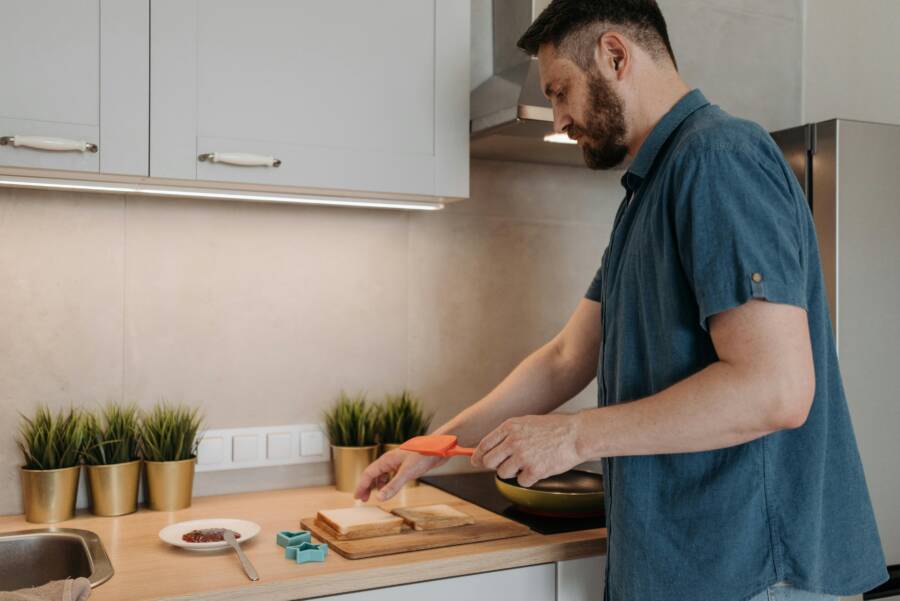
A bright kitchen is more than a pretty look. It makes cooking safer, cleaning quicker, and entertaining more enjoyable. With Home Depot fixtures, you can mix practical lighting with style, all while keeping energy use in check. This guide shows how to plan layered lighting, choose the right fixtures, and install a setup that shines in any kitchen size or layout.
Kitchen lighting starts with a plan. Think in layers: ambient light for overall brightness, task light for work zones, and accent light to highlight features or create mood. The right combination reduces shadow, eliminates glare, and helps you see color and texture clearly. Below you’ll find practical steps to build a lighting plan using fixtures you can buy at Home Depot.
Layered Lighting: A simple, effective framework
Ambient lighting sets the general tone. In open kitchens or large rooms, you might install ceiling cans or a flush mount fixture that distributes even light. For a smaller space, a bright ceiling fixture or a miniature ceiling fan with a light can do the job without crowding the ceiling.
Task lighting is the workhorse of a kitchen. It targets problem areas where you chop, read recipes, or plate meals. Under-cabinet LED strips or puck lights illuminate counters without shining in your eyes. A focused pendant over a sink or prep area can also be a smart choice.
Accent lighting adds personality. This is where you highlight glass-front cabinets, an architectural feature, or a statement tile backsplash. Low-profile tape lights along shelves or a small track light aimed at a focal point can bring depth to the room.
Key considerations include brightness, color quality, and control. Look for LED options that are dimmable and rated for kitchen use. A color rendering index (CRI) above 80 helps you see true colors, which matters for food presentation and choosing cabinet finishes. And if you can, opt for warmer whites in the 2700K to 3000K range for a cozy feel during meals, with cooler 3500K to 4000K suited for cooking zones.
Choosing fixtures from Home Depot: a practical starting point
Home Depot carries a broad range of fixtures that mix well in most kitchen styles. Start with three reliable categories that fit most kitchens:
- Under-cabinet lighting: This is the go-to for task illumination. LED strip lighting delivers a continuous line of light across the counter, reducing shadows in the sink area. Puck lights offer adjustable spots for accent and can be added along the toe-kick for a subtle glow.
- Pendant lights for islands or peninsulas: A good pendant or a trio of small pendants creates a focal point. Choose fixtures with adjustable cords or stems, so you can tailor height to your island and ceiling height.
- Recessed lighting and ceiling fixtures: Recessed fixtures provide clean, uniform ambient light without taking up visual space. A mix of sizes can create a balanced spread that covers all work zones.
Under-cabinet lighting options
Under-cab lighting should be bright enough for food prep but not harsh on the eyes. Look for:
- LED strips with a diffused cover for even light, minimal glare, and long life.
- Puck lights that can be placed at intervals under different cabinets to fill gaps and eliminate shadows in corners.
- Dimmable features so you can soften the light for early morning coffee or a weeknight dinner.
When selecting, check lumens rather than watts. For most kitchens, aim for 200 to 400 lumens per linear foot of under-cab lighting. If your counters are long or if you do a lot of chopping, you may want more brightness.
Pendant lights for islands and dining zones
Pendants bring style and function to the center of the kitchen. A single large pendant works well above a small island, while three or four smaller pendants can line up over a longer island. Consider:
- Shade materials and finishes that complement hardware and cabinetry.
- Adjustable heights to keep light focused on prep areas while leaving headroom for stools.
- Color temperature that coordinates with ambient and task lighting for a cohesive look.
If you have a raised counter or a two-tier island, you can mix pendant heights to create visual interest while maintaining even coverage. Choose fixtures with LED bulbs that have at least 800 to 1,000 lumens each for a noticeable glow without glare. A dimmer switch helps you shift from bright task mode to a soft, inviting mood for family meals.
Recessed lighting and ceiling fixtures
Recessed lights are a staple for clean, unobtrusive ambient light. They work especially well when you have a modern, minimalist kitchen. For a balanced effect, plan a grid that places fixtures about 4 to 6 feet apart, roughly following the room’s layout. In kitchens with tall ceilings, larger trim size fixtures can reduce the look of a cavernous space.
If you prefer ceilings without holes, surface-mounted fixtures or semi-flush mounts offer a similar glow with a touch of personality. In tight spaces, choose adjustable recessed cans to aim light where you need it most, like over the stove or a cooking surface.
Light temperature matters here. A mix of 3000K to 4000K can yield a natural, daylight-like feel during the day while staying comfortable in the evenings. For kitchens with natural wood tones, consider warmer tones around 2700K to keep the space inviting.
Smart and dimmed controls
A simple dimmer can transform how your kitchen looks and functions. Dimmed ambient light reduces glare, while full brightness helps with detailed tasks. If you enjoy smart home tech, compatible dimmers let you control lighting scenes from a phone or voice assistant. For a practical setup, pair a dimmer with three layers of lighting:
- Ambient ceiling lighting, set to a base level
- Task lighting for counters and the sink, kept bright during prep
- Accent lights that are softly lit to create a cozy mood after dinner
Color temperature and mood
Color temperature influences how a kitchen feels. Warmer whites (2700K to 3000K) feel intimate and good for dining areas. Neutral whites (3500K to 4100K) offer a balanced look that suits most tasks. If you do precise work like wine tasting or photo plating, higher color temperatures can help you see true colors, but use them sparingly in the dining area.
CR I (color rendering index) matters too. A higher CRI means colors appear more natural under light. For kitchens, CRI of 80 or higher is a good target. It helps you distinguish greens in herbs and browns in meat better than lower CRI options.
Planning by kitchen zone: practical layout tips
Divide the space into zones to ensure every task has light. A well-planned kitchen reduces wasted motion and improves safety.
- Prep zone: Place under-cabinet lighting along the counter where you chop and assemble ingredients. If you have an island, add a pendant or two to ensure even coverage.
- Cooking zone: Install a combination of recessed lights and a brighter task light above the stove area. Avoid placing lighting directly behind you to prevent shadows on the work surface.
- Cleaning zone: The sink and dish area benefit from bright, even light. Under-cab lighting helps here, and a small pendant over the sink can add style without glare.
- Dining zone: If you have a breakfast nook or dining table in the kitchen, use a pendant or a small chandelier above the table and keep the rest of the room softly lit.
Installation tips and safety
If you’re tackling this project yourself, keep these practical steps in mind:
- Start with a plan. Sketch the room and mark where each light will go. Note ceiling height and any light obstructions like cabinets or fans.
- Check ratings. Look for damp or wet rating if the lights are near sinks or cooking surfaces.
- Use the right transformers and drivers for LED strips. Home Depot carries compatible driver units that match the strip length and power needs.
- Plan for wiring access. If you don’t want to run new cables, consider plug-in options for pendant lights or ceiling fixtures in spaces where you can place outlets.
- Label everything. When you wire lights, label circuits so you can turn off the right area when needed.
A practical example you can copy
Let’s imagine a compact kitchen around 120 square feet with a 8-foot ceiling and a small island. Here’s a simple setup that works with common Home Depot fixtures:
- Under-cabinet LED strips along all counters
- A linear pendant above the island, about 12 inches in diameter
- Four recessed cans arranged in a gentle arc for even ambient light
- A dimmer for the main ceiling lights and a separate dimmer for the under-cab lights
This combination balances brightness and warmth, avoids harsh shadows, and gives you flexible control for cooking, cleaning, or dining. It also allows you to adjust the look as you change decor or add a splash of color with glassware or textiles.
Choosing finishes and style that endure
When selecting fixtures, coordinate with your kitchen’s hardware and cabinetry. If you have brushed metal or chrome handles, a matching finish on light fixtures creates a cohesive vibe. Matte black or satin nickel finishes pair well with many cabinets and offer stylish contrasts. For a bolder look, add a statement pendant in a contrasting color or a fixture with a unique shade that complements the backsplash.
Energy efficiency and maintenance
LED lighting is a smart choice for kitchens. It uses less energy and lasts longer than traditional bulbs, which means fewer replacements. When you shop at Home Depot, look for “LED” and check the expected life hours on the packaging. For counter lighting, dimmable, cool-white LEDs provide clarity without creating glare. For accent lighting, warmer tones can highlight features without overpowering the room.
Maintenance matters too. Install fixtures in reachable places and use components designed for easy replacement. Keep fixtures clean from dust, especially in the heat of cooking, to maintain light output and color.
A final planning checklist you can keep handy
- Define your zones and map out where each light will go
- Choose a mix of ambient, task, and accent lighting
- Prefer LED with dimmable capabilities
- Aim for a CRI of 80 or higher
- Match color temperature to the room’s mood and cabinetry
- Include a dimmer for main lights and, if possible, for under-cab lighting
- Verify ratings for moisture and dust exposure
- Plan for easy maintenance and bulb replacement
Conclusion: brighter kitchens, simpler routines
Lighting a kitchen with Home Depot fixtures is a straightforward path to a more usable space and a more inviting home. With layered lighting, you gain flexibility for cooking, cleaning, and entertaining. Under-cabinet strips deliver clear workspace, pendants bring personality to the island, and recessed lights provide dependable ambient glow. Add dimmers and smart controls, and you have a setup that adapts to any meal, any mood.
If you’re ready to start, take a quick inventory of your current lighting and note what feels dim or shadowed. Then sketch a plan, pick a few key fixtures, and test different combinations. Small changes can make a big difference, turning a good kitchen into a true hub of the home.
Takeaway: a thoughtful mix of Home Depot fixtures, tuned for brightness, color, and control, creates a kitchen that works hard and looks good doing it. Ready to redesign your space? Start with the island and a couple of under-cabinet lights, then build from there. Your future self will thank you for the easy, practical upgrade.