There Is a Frequency That the Wealthiest Families Have Used for Generations and Most People Will Never Know It Exists
>>> Open the Door <<<

Choosing the right bulb at Home Depot can feel overwhelming. With three main options on the shelf, it helps to compare them side by side. This guide explains how LED, incandescent, and CFL bulbs stack up on energy use, cost, light quality, and compatibility. It also shows how to shop effectively at Home Depot so you get the best value for your home.
Introduction to the three bulb families Incandescent bulbs are the old standard. They produce light by heating a filament until it glows. The glow is warm and familiar, but these bulbs waste a lot of energy as heat. They burn out relatively quickly, which means more replacements over time.
CFL bulbs arrived as a savings upgrade. They use a tiny amount of electricity and last longer than incandescents. They take a moment to reach full brightness and can sometimes look dimmer at first. CFLs contain a small amount of mercury, so disposal requires care.
LED bulbs are the modern option. They use far less electricity, last many years, and come in a wide range of colors and brightness levels. LEDs turn on instantly and work well in many fixtures. They are the most versatile choice for most homes today.
He Was Drowning in Bills and Burnout Until a Simple Daily Ritual Rewired His Brain for Wealth in Less Than a Week
>>> Start Your Shift Today <<<

Energy efficiency and cost of ownership At Home Depot you’ll notice a big price gap between these three types. The initial price matters, but it is only part of the story. Long term costs depend on energy use and replacement frequency.
- Energy use: Incandescent bulbs convert most of their energy to heat rather than light. CFLs use less energy, and LEDs use the least. If you run lights for many hours each day, the energy savings from LEDs can outweigh the higher upfront price.
- Operating costs: An LED bulb that replaces a 60 watt incandescent may use only 8 to 12 watts while delivering similar brightness. A CFL might use 13 to 15 watts for the same light level. The math adds up over months and years.
- Lifespan: Incandescents last about 700 to 1,000 hours. CFLs average 8,000 to 15,000 hours. LEDs commonly run 15,000 to 25,000 hours or more. Fewer replacements mean less hassle and lower annual cost.
Color and light quality matters Light quality is more than a number. It affects how rooms feel and how colors appear.
- Brightness and warmth: LEDs come in a broad range of brightness and color temperatures. A warm glow around 2700K is similar to traditional incandescent light. Cooler hues around 4000K to 5000K feel crisper and are good for kitchens and work areas.
- Color rendering: CRI measures how well a bulb shows colors. Aim for a CRI of 80 or higher for living spaces. Higher CRI helps fabrics, artwork, and furniture look true to life.
- Consistency across fixtures: Some CFLs can shift color as they warm up or when dimmed. LEDs typically deliver stable light from first switch on.
Dimming, fixtures, and compatibility Dimming and fixture compatibility have a big impact on performance and satisfaction.
- Dimmer compatibility: Incandescent bulbs work with most dimmers. CFLs can flicker or hum if used with older dimmers. Many CFLs and LEDs are marketed as dimmable, but they may require compatible dimmers or specific models. Check both the bulb’s packaging and your dimmer switch.
- Enclosed fixtures: Some bulbs are not suited for enclosed fixtures. Heat builds up inside an enclosed space, which can shorten the bulb’s life. LEDs generally tolerate enclosed fixtures better, but it pays to read the label.
- Fixture types: Recessed cans, track lighting, and outdoor fixtures often have unique requirements. LED bulbs come in many shapes and bases, which makes it easier to find a suitable option at Home Depot.
Practical buying tips for Home Depot shoppers Home Depot stocks a wide array of bulbs from trusted brands like Philips, GE, Sylvania, and a store brand you’ll see frequently. Use these steps to shop smart.
- Know the fixture and base: Common bases are E26 (standard screw), GU10, and E12 candelabra. Check the fixture for the base type and whether it needs a bulb that fits in tight spaces.
- Decide on brightness: Brightness is measured in lumens. For living rooms, kitchens, and bedrooms, aim for 800 to 1,600 lumens per space depending on ceiling height and task needs.
- Pick a color temperature: If you want a cozy, familiar feel, choose 2700K to 3000K. For task lighting or work areas, 3500K to 4000K helps with clarity. For ambient daylight feel, go 5000K or higher.
- Check compatibility with dimmers: If you plan to dim, verify the bulb is labeled dimmable and ensure the dimmer is compatible with LED or CFL if you choose those.
- Look for energy savings and warranties: LEDs usually carry longer warranties than incandescents. Home Depot often packages savings with promotions, so compare prices per lumen rather than just per bulb.
- Consider outdoor use: Outdoor LEDs vary in weather resistance. Look for bulbs rated for damp or wet locations and for cool temperatures to avoid performance issues in cold seasons.
- Recycle and dispose properly: CFLs contain mercury. Use Home Depot’s recycling options or local programs. LEDs are more earthquake resistant and easier to recycle in the long run.
What to expect in terms price and availability at Home Depot Prices shift with promos, brands, and bulb type. A typical range might be:
- Incandescent bulbs: lower upfront cost per bulb, around a dollar or two for common shapes.
- CFL bulbs: mid-range price, generally more than incandescent but still affordable.
- LED bulbs: higher upfront price, yet the best long term value through energy savings and longevity.
Home Depot often organizes bulbs by base and purpose. You’ll find simple 60 watt replacement LEDs, dimmable LED kits, and specialty bulbs for recessed fixtures, outdoor fixtures, and track lighting. The store also carries smart bulbs that connect to apps and home assistants for added convenience.
Environmental impact and disposal Choosing a bulb now touches on the home’s environmental footprint. LED bulbs use the least energy and last longest, which reduces waste. CFLs save energy but contain a small amount of mercury, so they require careful disposal. If a CFL breaks in a room, follow cleanup guidelines to limit exposure and clean the area safely. LEDs do not contain mercury and offer a simpler end-of-life path. At Home Depot you can learn about recycling programs and drop-off options.
What If the Only Thing Between You and the Life You Deserve Is a Hidden Wealth Code Waiting to Be Activated
>>> Open the Door <<<

A few real world scenarios
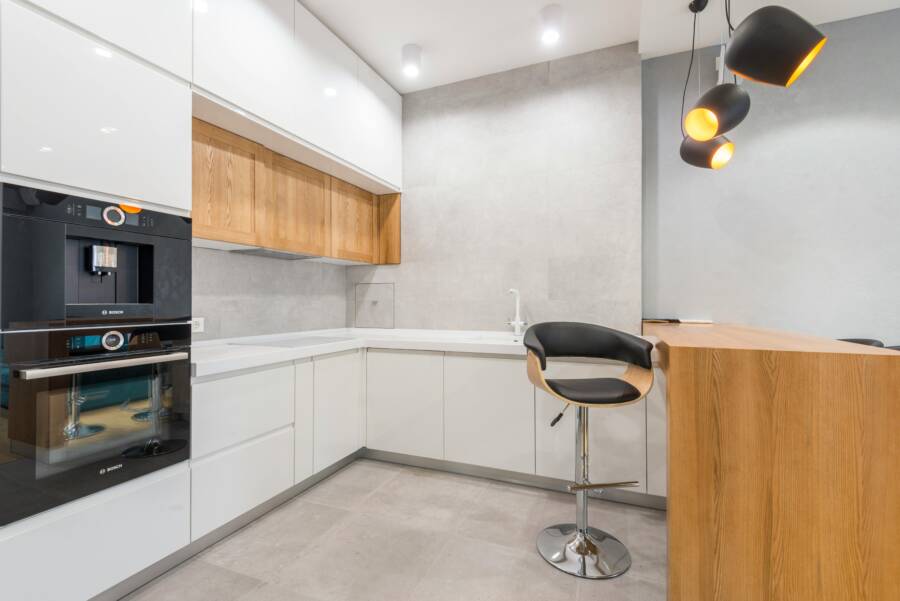
Kitchen renovation or upgrade: A bright, cool white LED around 4000K is popular for task lighting. It helps you see food colors clearly and makes the work area more efficient. If you have a dimmer in the kitchen, choose a dimmable LED model and a compatible dimmer to avoid flicker.
Living room ambiance: For a cozy living space, pick LEDs in the 2700K to 3000K range. A few lamps with separate bulbs can create layered lighting. If you use a ceiling fixture with multiple bulbs, ensure the total lumen output fits the room without overpowering it.
Outdoor lighting: LED floodlights with a warm or neutral color can improve curb appeal while keeping energy costs down. Look for bulbs rated for outdoor use and weather resistance.
Brand and product selection at Home Depot Home Depot carries a mix of mainstream and store brand bulbs. You’ll see big names such as Philips, GE, and Sylvania, alongside EcoSmart and other house brands. Consider these tips when choosing a brand:
- Performance and warranties: Bigger brands often offer longer warranties and broader replacements. If you want peace of mind, pick a well-known brand.
- Availability and returns: Store brand bulbs are usually easy to find in bulk. If you shop during a promotion, you may get a good bundle price.
- Color and brightness variety: Leading brands provide a wide range of color temperatures and brightness levels. This helps you match bulbs across rooms for consistent lighting.
A quick buying checklist for Home Depot shoppers
- Identify the fixture type and base.
- Choose the brightness in lumens that fits the room size and activity.
- Decide on color temperature for each room or fixture.
- Verify dimming compatibility if needed.
- Check the bulb’s warranty and energy usage.
- Confirm suitability for enclosed or outdoor fixtures.
- Consider the environmental impact and disposal options.
Common misunderstandings and how to avoid them
- More watts mean brighter light: Not with LEDs. Check lumens instead of watts to gauge brightness.
- CFLs are always cheaper: The time saved on energy costs usually outweighs the upfront price, but you should still compare total ownership cost.
- All dimmable bulbs work with any dimmer: Some combinations can flicker or hum. Read both the bulb and dimmer specs.
Putting it all together for a Home Depot visit If you walk into Home Depot with a plan, you save time and money. Start by listing the rooms and the tasks they support. For living spaces, pick warm or soft white LEDs. For work zones, choose brighter, cooler LEDs. Outdoor spaces deserve weather-rated bulbs with sturdy housings.
Make a rough budget and track price per lumen to see the real value. If you have a large home, consider a mix of bulbs across rooms rather than chasing one perfect solution. A few strategically placed LEDs can reduce electricity use without sacrificing comfort.
Final thoughts and next steps Upgrading lighting is one of the easiest ways to improve a home. LEDs stand out for most homeowners because they blend efficiency, longevity, and rich light quality. CFLs still offer savings in certain situations, especially when you need a quicker replacement with moderate energy needs. Incandescent bulbs remain familiar, but their higher energy use and shorter life can drive up costs over time.
When you’re shopping at Home Depot, bring a simple plan. Check fixture compatibility, stay mindful of brightness and color, and read the packaging for dimming notes. If you want to reduce waste, prioritize LED options and recycle CFLs responsibly.
Before you leave the store, consider a small lighting project you can tackle this weekend. Replacing a few outdated bulbs in a kitchen or living area can deliver immediate improvements in color accuracy and mood. As you gain experience, you’ll build a lighting plan that matches your home’s design and your energy goals.
Conclusion Choosing the right bulb matters for comfort, cost, and the environment. LEDs are the best all around choice for most homes, offering energy savings, long life, and consistency. CFLs provide a middle ground when you need a balance of price and efficiency, with the caveat of careful disposal. Incandescent bulbs are least efficient, but they can still have a place in specific decorative fixtures or designs.
There Is a Frequency That the Wealthiest Families Have Used for Generations and Most People Will Never Know It Exists
>>> Open the Door <<<
By shopping at Home Depot with a clear plan, you can pick bulbs that meet your needs, fit your fixtures, and deliver great lighting for years to come. Start with brightness, color, and compatibility, then move to price and warranty. Your home will feel warmer, more inviting, and more efficient with the right bulbs in place.
What If the Only Thing Between You and the Life You Deserve Is a Hidden Wealth Code Waiting to Be Activated
>>> Open the Door <<<