
If you’ve ever pulled off a wall repair only to see a jagged edge of drywall peeking through, you know the moment. You want a patch that hides the flaw and takes paint easily. Spackling and patching compounds from Home Depot make that possible without hiring a contractor. They’re designed for different jobs, from small nail holes to large cracks in drywall or masonry. This guide breaks down the basics, helps you pick the right product, and walks you through a steady, no guesswork repair process. By the end, you’ll know how to prep the surface, apply the compound in thin layers, and finish with a smooth, paintable patch.
If you’re unsure where to start, you’ll learn how to translate your project into the right Home Depot product, how to prep for the repair, and how to finish so the patch blends with the wall. You’ll discover practical, step by step methods that work for beginners and hobbyists alike. Let’s start with the basics so you can choose confidently and repair with pride.
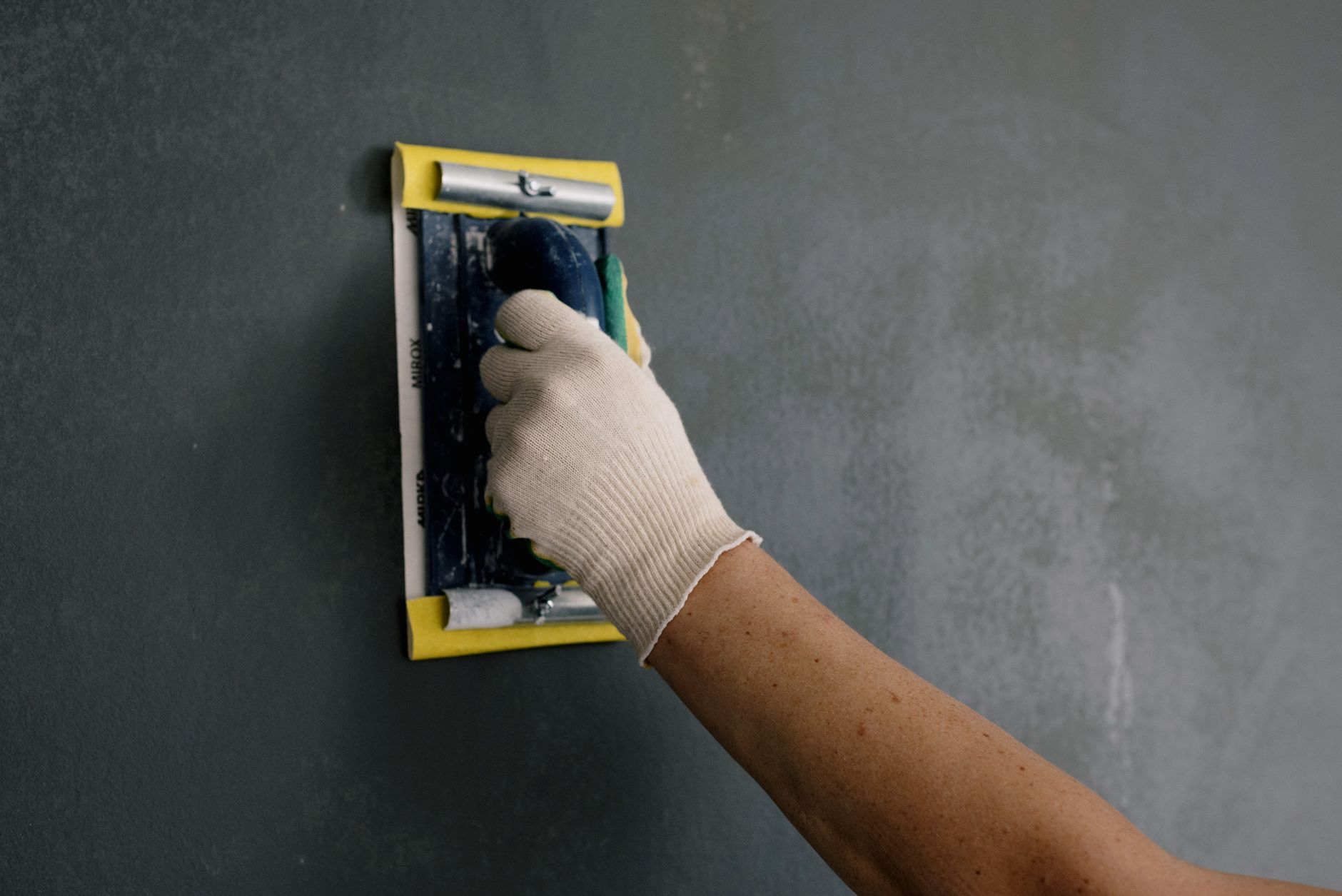 Photo by Ksenia Chernaya
Understand the basics of spackling and patching compounds
Spackling compound and patching compound are fillers used to fix wall flaws, but they serve different jobs. Spackling is a lightweight, ready to use filler that goes on cleanly to smooth over small holes and dents in drywall. It dries quickly, sands easily, and accepts paint without much fuss. Patching compounds are broader in scope. They’re meant for bigger repairs, rough patches, or areas that require a stronger bond. They can handle masonry surfaces like concrete, brick, or plaster, and they’re often sold as ready to mix or premixed pastes.
On drywall or plaster, spackling is your first line of defense for nail holes or small dings. For larger holes or cracks, you’ll reach for a patching compound. The key is to match the product to the surface you’re repairing and to the size of the flaw. A patch that’s too soft or too hard can lead to cracking or peeling down the line. When in doubt, start small. You can always apply a second thinner layer.
Typical surfaces you’ll encounter include drywall, plaster, wood, and indoor masonry. Drywall typically accepts spackling well, while plaster and masonry often require a more substantial patching compound. A quick rule of thumb: small dents and nail holes respond to spackling; bigger holes and masonry flaws need patching compounds. Quick examples help here. A nail hole in a hallway wall is a job for spackling; a missing chunk in a concrete stair step needs a patching compound. Both products at Home Depot are labeled with indoor or outdoor use, cure times, and surface compatibility. Read those labels carefully to avoid mismatches.
What is spackling compound and when to use it
Spackling compounds come in two common varieties for indoor drywall work: vinyl and acrylic. Vinyl spackling is lightweight and inexpensive, great for nail holes and small dents. Acrylic spackling adds a touch more bonding strength and sandability, which helps when you want a perfectly smooth surface before painting. For most interior repairs, vinyl or lightweight acrylic spackling is the easiest option. They’re usually premixed or easy to mix with water if you pick a ready to mix version.
Fast drying options exist, which makes them ideal for small repairs you want to finish in a single day. If you have a wall that gets daily use or a high traffic area, a rapid dry formula can save time. The trade off is sometimes a stiffer texture that needs careful feathering to blend with the surrounding wall. For a quick nail hole or tiny dent, a premixed vinyl spackling is typically enough. If you want an ultra smooth finish for a wall that will be photographed or showcased, a slightly slower dry acrylic option can give you more working time to feather the edges.
Real world scenario: You notice a handful of nail holes in a bedroom wall after moving furniture. You reach for a premixed vinyl spackling, apply a thin layer, smooth it with a putty knife, let it dry per the label, then lightly sand and prime before painting. The process is short, and the finish looks clean and ready for color.
What patching compound is and when to use it
Patching compounds cover bigger repairs and tougher surfaces. They’re commonly cement based or gypsum based, designed for larger holes, wide cracks, or rough patches on masonry, concrete, brick, or plaster. In indoor settings with drywall, patching compound offers a stronger repair than standard spackling when the hole is too big for a quick fill. Outdoor projects or high moisture areas may need patching compounds designed for exterior use or moisture resistance.
Compare cement based patching products with indoor spackling. Cement based options are heavier and cure to a durable finish. They’re suitable for outdoor walls, concrete surfaces, and brick work, where weather and temperature shifts can stress a repair. Indoor patching compounds are often lighter, quicker to dry, and easier to work into smaller irregularities on plaster or masonry. Surface readiness matters too. If the hole is rough or crumbling, the patch needs to cover the uneven area and bond well to the substrate.
Choosing the right product at Home Depot
Translating a project into the right product starts with a clear view of the hole size, the surface, and whether you’ll paint soon. Home Depot labels products for indoor or outdoor use, which helps you prevent mismatches. Look for cure times, surface compatibility, and whether sanding or priming is necessary before painting. Beginners benefit from premixed options that require less setup and fewer tools. It’s still smart to have a few basic tools on hand such as a putty knife, sanding block, a damp cloth, and painter’s tape.
Identify your project needs
Assess the hole size and surface type first. Nail holes or small dents on drywall respond best to spackling. Large holes or cracks in drywall that go through to studs may need patching compound, sometimes with a backing mesh. For concrete, brick, or plaster, choose a patching compound formulated for masonry surfaces. If you plan to paint soon, factor in whether the product accepts paint directly or if primer is recommended. Sanding needs also matter; smooth transitions require light sanding after drying, while rough surfaces may require additional patching passes.
Product types you’ll find in store
Home Depot carries a range of options. Here are common choices you’ll see in aisles:
- Premixed spackling for quick fixes
- Ready to mix patching compound for larger repairs
- Lightweight or vinyl formulas that are easy to sand
- Rapid dry versions for fast results
- Small repair kits that include a putty knife and sanding pad
Packaging cues help you pick the right product. Look for indoor use labeling, surface compatibility such as drywall or masonry, and guidance on cure time. If you’re a beginner, a small premixed kit with clear instructions is a simple way to start.
Applying spackling and patching compounds
A practical, step by step approach helps you stay on track from prep to finish. Gather the right tools, prepare the surface, apply in thin layers, and finish with a light sanding and paint.
Prep the surface and tools
Begin by cleaning the area. Remove loose material or dust, so the compound can bond properly. Protect nearby surfaces with masking tape and a drop cloth if you’re patching near baseboards or trim. Choose the right tools for the job. A flexible putty knife in a medium width works well for most patches, while a wider blade is useful for smoothing larger areas. A sanding block or fine sandpaper helps you achieve a feathered edge. If the product calls for moisture, you may dampen the area slightly with a damp cloth. Follow the label if water is recommended before application.
Apply, smooth, and finish for a seamless repair
Start with a small amount of compound on the putty knife. Press firmly to push the material into the hole or crack, then smooth with a wider blade to feather the edges. For deeper holes, apply in thin layers rather than trying to fill in one thick coat. Let each layer dry fully before applying the next one. Lightly sand after drying to remove ridges and create a flush surface. Wipe away any dust with a damp cloth. If the edge looks feathered and transitions well into the surrounding wall, you’re ready to prime and paint. Avoid over filling the hole; you want a subtle profile that blends with the wall.
Common mistakes and tips for best results
Patience is your best ally with any patch. Rushing drying times or skipping steps leads to peeling, cracking, or visible patches. Here are practical tips to avoid common missteps.
Drying times and curing you can trust
Always follow the product label for drying and curing. Humidity and temperature affect times, so in a humid bathroom or a cool basement the patch will take longer to cure. Don’t paint until the patch feels dry and hard to the touch. If you press on the area and it still yields a slight indent, give it more time. As a general rule, plan an extra 24 hours in damp spaces and a bit more in cold weather. Rushing this step usually shows up as a patch that can crack or peel later.
Sand, prime, and paint for a lasting finish
Light sanding helps the patch blend with the wall. Use a fine grit to avoid removing the delicate ridges you created while smoothing. Prime before painting to improve adhesion and color match. Use a primer compatible with the patching compound and the wall surface. If the surrounding wall has a different sheen, you can blend by applying a thin glaze or a second light coat of paint after priming. Finish with your chosen wall color. A well matched paint job makes the patch essentially disappear.
Conclusion
Choosing the right product sets the stage for a clean repair. Prep the surface carefully, apply in thin layers, and finish with proper sanding and paint. A small patch now prevents bigger problems later. Start with a simple nail hole or nick in drywall and work up to a masonry repair if needed. Visit your local Home Depot for hands on help and product recommendations. A little effort now keeps walls looking fresh for years to come.