What If the Only Thing Between You and the Life You Deserve Is a Hidden Wealth Code Waiting to Be Activated
>>> Open the Door <<<

Ever been outside and watched your screen go from dim to glare in an instant, or lose a full day of battery because your phone kept chasing the light around you? That sudden swing is usually caused by auto brightness, a feature that uses the ambient light sensor to tweak screen brightness for what the device thinks you need. If you want steadier control and a bit more battery life, turning it off is a quick, doable fix.
In this guide you’ll learn how to disable auto brightness on both Android and iPhone devices. When you switch it off, you’ll set a brightness level you’re comfortable with and keep it there, no matter the room lighting or sun on your screen. The change is especially helpful if you often switch between bright outdoor areas and dim rooms, or if you prefer a consistent viewing experience for reading and streaming.
This is a simple tweak that works on most smartphones and doesn’t require special tools. After turning off the feature, you can adjust the brightness slider to a level that feels right for you, then ignore the sensor for future sessions. If you ever want to switch back, the steps are easy to follow and quick to reverse. With a little know‑how, you’ll regain full control over your display, making it easier to read, watch, and type, anywhere you go, anytime.
Why Turn Off Auto Brightness on Your Phone
Auto brightness adjusts your screen based on ambient light, but it isn’t perfect. Turning it off gives you steady control of brightness, which can improve how you read, watch, and type in varying environments. Below are two focused subsections that explore the practical reasons to disable auto brightness and what to expect when you do.
Thousands of People Were Struggling With Money Until They Discovered This One Ancient Secret Hidden in Sound
>>> Unlock It Now <<<

Pros and Cons of Auto Brightness
Auto brightness can save battery by lowering brightness in dim rooms and boosting it in bright outdoors. It can also reduce eye strain in some lighting conditions by keeping a comfortable level. However, it can also cause unpredictable changes, especially when moving between rooms or outdoors, forcing your eyes to adjust repeatedly. This is where a manual setting shines: you pick a brightness you like and keep it there, regardless of the surrounding light.
| Scenario | Auto brightness effect | Manual brightness effect |
|---|---|---|
| Indoors, dim lighting | Often stays dim, may still adjust frequently | Stable brightness you choose, easy to read |
| Outdoors in sunlight | Quick flick to high brightness, can drain battery | Consistent level you set, saves power when outdoors |
| Mixed lighting (home, office, outdoors) | Fluctuates with movement | Consistent, predictable viewing experience |
| Eye comfort | Can reduce effort but may flicker with sensor | Fixed level reduces sudden changes |
When you want fewer surprises and more reliable reading or streaming, manual brightness is easier to manage. If you want to explore more on how brightness choices affect battery life and eye comfort, you can check this overview on auto brightness and battery impact. Photo by Watford London Media on Pexels.
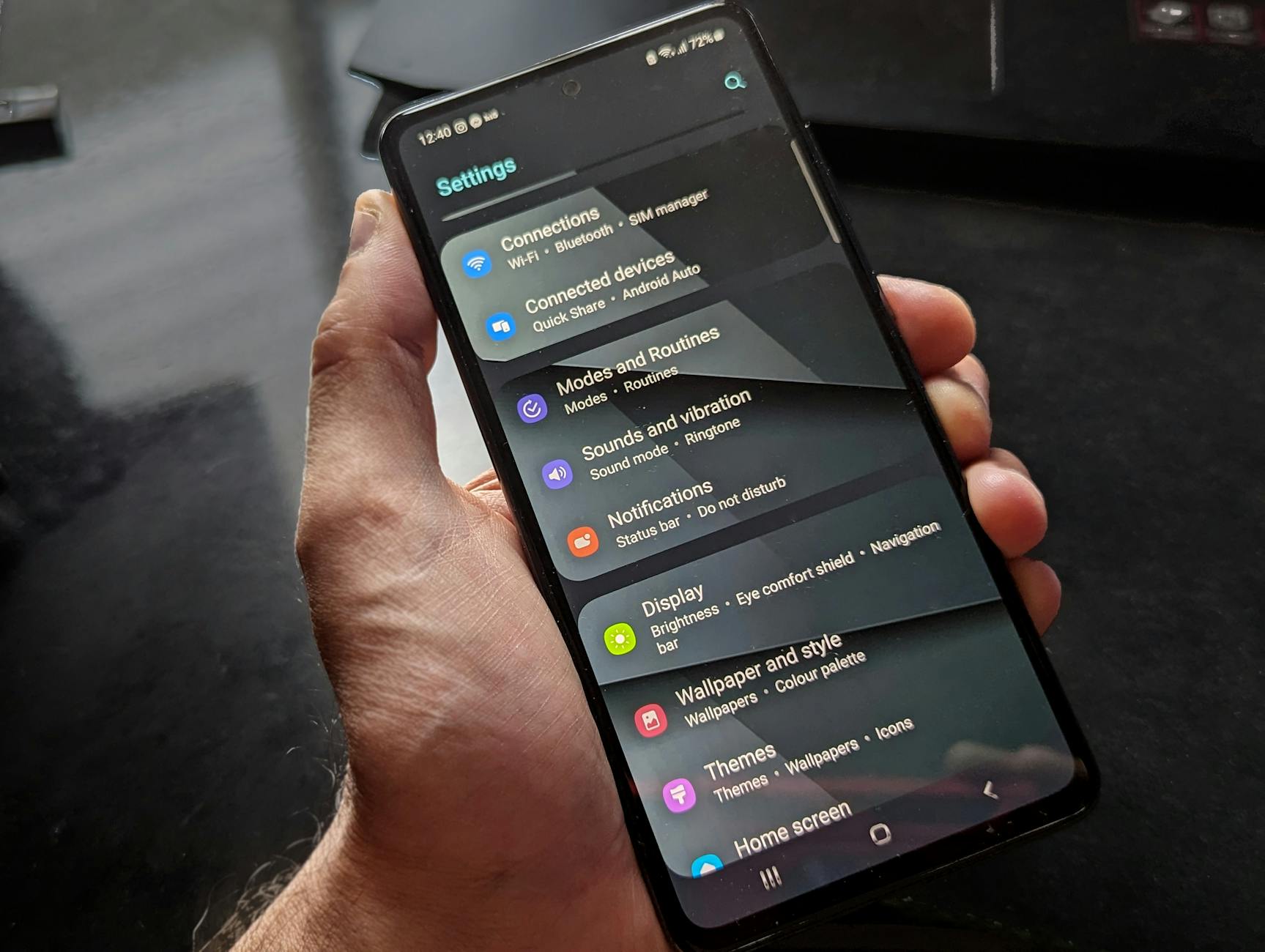
Photo by Watford London Media
Common Problems It Causes
Ditching auto brightness can prevent the screen from dimming too much indoors, which makes it easier to read in low light without straining your eyes. On the flip side, leaving brightness too high indoors can waste battery life and heat up the device faster. Some phones heat up when the screen stays bright for long sessions, and that heat can lead to performance slowdowns or battery drain. If your screen becomes hard to see in bright rooms, a fixed brightness that you set manually can avoid the unpredictable swings of auto brightness, giving you a steadier viewing experience.
In short, manual control can reduce eye strain during long reads or video watching, while also helping prevent overheating caused by constant brightness adjustments. If you want more context on how brightness levels affect eye comfort, this resource covers smart ways to manage screen light and reduce fatigue. Photo by Watford London Media on Pexels.
Photo by Watford London Media
Step-by-Step Guide to Turn Off Auto Brightness on Android Phones
Turning off auto brightness gives you steady control over your screen, no matter where you are. Below are concise, practical sections you can drop into your article. Each subsection provides clear, action-oriented steps and quick checks to ensure the setting sticks.
Using Settings App on Pixel or Samsung
To disable auto brightness on most modern Pixel and Samsung devices, start in the Settings app. This method is reliable if you want to set a brightness level you’ll keep throughout the day.
- Open Settings
- Tap Display
- Toggle Adaptive brightness (disable)
- Use the Manual slider to set your preferred brightness level
- Recheck in different lighting to confirm stability
This approach is simple and precise. After you set a comfortable brightness, stay with it for consistent viewing, whether you’re outdoors or indoors. For further context on how Android handles brightness, you can read about Pixel display settings and how to manage them on Google’s support site.
Photo by AS Photography on Pexels

Photo by AS Photography
Fast Way via Quick Settings
If you want a quicker option, use the Quick Settings panel. This method lets you toggle adaptive brightness off in seconds and is great when you’re flipping between indoors and outdoors.
- Swipe down twice from the top of your screen to open Quick Settings
- Tap the Adaptive Brightness toggle or the brightness tile to turn it off
- Adjust the brightness slider to your preferred level
- Move to different lighting and verify the level remains consistent
Using Quick Settings keeps you out of the deeper Settings menus, so you can react fast when light changes. It’s ideal for travelers who switch from sun to shade within minutes. For a quick how-to video and extra tips, check a concise guide on turning adaptive brightness off in the quick settings panel.
Photo by AS Photography on Pexels
Photo by AS Photography
Fix If It Won’t Stay Off
If the brightness keeps snapping back to auto, the device may have other features or health checks that override your manual setting. Here’s how to troubleshoot and lock in a steady brightness.
- Check Battery saver and Eye comfort/Comfort display modes; these can reset brightness when active
- Clear device health data or reset preferences (a light reset of display preferences can help)
- Try Safe Mode to see if a third-party app is influencing brightness
- If Safe Mode fixes it, identify the culprit by disabling recently installed apps and testing brightness in normal mode
A reliable approach is to systematically disable potential interfering features and monitor the result. If you want more depth, Samsung and Google offer official guidance on display behavior and how to troubleshoot auto brightness issues.
Photo by AS Photography on Pexels
Photo by AS Photography
How to Disable Auto Brightness on iPhone
If you want to keep a consistent screen glow no matter where you are, turning off auto brightness on your iPhone is a straightforward tweak. This section walks you through two quick approaches so you can choose the method that fits your routine. You’ll be surprised how much steadier your reading and video viewing become once you fix a brightness you like.
Full Steps in Accessibility Menu
For a deliberate, accessibility-minded approach, you can disable auto brightness from the Accessibility menu and set a steady gray scale option if that helps reduce eye strain. Start with: Settings > Accessibility > Display & Text Size, then look for the gray or color options and toggle the feature off. This method can feel a bit slower, but it ensures you’re locking in a brightness level that won’t shift with the light around you. A quick restart can help apply the change cleanly. When you’re ready to fine tune, use the brightness slider to lock in your preferred level and test it in bright outdoors and dim indoors. For more detail on brightness controls, see Apple’s guidance on adjusting screen brightness and color temperature. https://support.apple.com/en-us/109351
- Tip: After you switch off auto brightness, recheck in different lighting to confirm stability.
- If you’re unsure, you can start from the Control Center method below and still return to Accessibility later if needed.
Photo by AS Photography on Pexels
Set Your Perfect Brightness Level
A simple, fast route is to use the Control Center. Swipe down from the top right on newer iPhones or swipe up on older models, then drag the brightness slider to your preferred level. This gives you immediate control without wading through menus. If you’d rather adjust in Settings, go to Display & Brightness and slide to your chosen brightness. This approach keeps your eye comfort consistent during long reads or streams, especially when you move between indoor lighting and sunlight. For more in-depth steps, Apple’s brightness guide is a reliable resource. https://support.apple.com/guide/iphone/adjust-screen-brightness-color-balance-iph60ba71065/ios
- Pro tip: Pair this with True Tone or Night Shift settings if you want color balance to feel natural in different environments.
- Keep a note of your ideal level so you can quickly revert after you plug in or step outside.
Photo by Watford London Media on Pexels
Tips for Better Screen Control After Turning It Off
Turning off auto brightness gives you steady control over how your screen looks. It’s a simple move that pays off in readability, comfort, and battery life. The key is to establish reliable habits, so your device stays at the level you prefer regardless of where you are. Below are practical tips that help you keep a comfortable, consistent viewing experience across Android and iPhone.
What If the Only Thing Between You and the Life You Deserve Is a Hidden Wealth Code Waiting to Be Activated
>>> Open the Door <<<
Lock in a reliable brightness baseline
Once you disable auto brightness, set a brightness level you can actually live with in most environments. Start by testing in dim rooms, bright offices, and outdoors. Adjust the slider until you find a middle ground that feels easy on your eyes and readable in most light. If you’re not sure where to start, aim for a level that allows comfortable reading without straining, then fine tune from there.
- Check the brightness in a few different rooms to ensure it remains comfortable.
- Note the value you land on and stick with it for a few days so your eyes get used to it.
- If your device supports a quick access brightness bar, keep it handy for occasional tweaks without re-enabling auto brightness.
Pro tip: pairing your fixed brightness with color temperature controls (like True Tone on iPhone or similar features on Android) can help maintain natural hues while you read or watch. For a deeper dive into color balance options, Apple’s guidance on brightness and color balance is a solid resource. https://support.apple.com/en-us/109351
Photo by Andrey Matveev

Use quick access controls for fast adjustments
Even after turning off auto brightness, you’ll want to tweak brightness on the fly. The quick settings panel on Android and the Control Center on iPhone are perfect for this. They let you nudge brightness up or down without digging through menus.
- On Android, pull down twice and slide the brightness control. If you’re using Pixel or Samsung, you’ll often find a dedicated “Adaptive brightness” toggle in Quick Settings to turn off and a physical slider to fine tune.
- On iPhone, the Control Center houses a brightness slider for instant tweaks. When you drop outside, you can tweak without opening Settings.
This approach keeps you in the flow of using your phone, whether you’re working outdoors or streaming indoors. If you want a quick visual guide, a concise tutorial on disabling adaptive brightness in quick settings is a good reference. Photo by AS Photography
Minimize eye strain with mindful brightness choices
Consistent brightness helps reduce the mental load of eye strain. When the screen jumps around, your eyes adapt, which can cause fatigue after long sessions. A fixed brightness level, chosen with comfort in mind, makes it easier to read for extended periods.
- Favor a level that leaves enough contrast for text but isn’t too bright in dim spaces.
- Pair your brightness with softer color temps at night to ease blue light exposure.
- If you notice headaches or dry eyes after long use, revisit your baseline and adjust slightly.
If you want more on managing eye strain and screen light, several reputable guides discuss practical tweaks for both Android and iPhone users. For example, guidelines on reducing eye strain with iOS features are worth a look. https://www.cellphonerepair.com/reduce-eye-strain-with-ios
There Is a Frequency That the Wealthiest Families Have Used for Generations and Most People Will Never Know It Exists
>>> Open the Door <<<

Photo by AS Photography
Balance battery life with steady brightness
A fixed brightness level often saves energy, especially if you previously relied on auto brightness to dim the screen in low-light rooms. However, in bright outdoor conditions, you might still need a higher brightness. The trick is to adjust judiciously and avoid leaving the screen at max all day.
- Indoors at night: lower brightness to extend battery life.
- Outdoors during midday: bump brightness just enough to keep content readable.
- In mixed lighting: keep a comfortable baseline and use quick adjustments as needed.
If you’re curious about how to optimize brightness for battery life, a practical guide on Android brightness management explains the common steps and why they matter. https://www.computerhope.com/issues/ch002114.htm
Photo by AS Photography
Troubleshooting: what to do if brightness drift happens
Sometimes the screen stubbornly reverts to auto brightness or ignores your manual setting. Here are quick checks to stabilize things:
- Confirm that Adaptive Brightness or similar features are truly disabled in Settings.
- Look for any third-party apps that adjust display settings and disable them temporarily.
- If you notice a consistent drift after a software update, check for fresh firmware or OS updates.
If a drift persists, it helps to check official support resources for your device brand. For example, Samsung and Google provide steps to troubleshoot display behavior and auto brightness issues. Photo by Andrey Matveev
Quick reference checklist
- Disable auto brightness in Settings
- Set a fixed brightness level you test across environments
- Use Quick Settings or Control Center for fast tweaks
- Consider color temperature adjustments for comfort
- Monitor battery impact and adjust as needed
These steps create a reliable baseline you can trust every day. If you want more context on how brightness choices affect battery life and eye comfort, this overview on auto brightness and battery impact provides useful background. https://www.asurion.com/connect/tech-tips/turn-off-auto-brightness-iphone-android/
Photo by AS Photography
Related resources and further reading
- Android brightness basics and how to reduce eye strain with display tweaks. https://www.androidpolice.com/android-settings-to-reduce-eye-strain/
- General guidance on reducing screen fatigue for iPhone users. https://www.cellphonerepair.com/reduce-eye-strain-with-ios
- How to change brightness on Android and iPhone, with step-by-step instructions. https://www.computerhope.com/issues/ch002114.htm
Photo by AS Photography
A quick note on consistency
After you commit to a fixed brightness, make it part of your routine. A stable screen heightens overall comfort during long reading sessions and video calls. It also minimizes the mental load of constantly adjusting to light. If you ever need to fine tune, the process is simple and fast, so you can stay focused on your tasks rather than the light around you. For a quick check on Android specifics, Pixel display settings and related tips help keep things tidy. https://support.google.com/pixelphone/answer/7126690
Photo by AS Photography
Images and links are included to enhance readability and support practical guidance.
Conclusion
Turning off auto brightness gives you steady control over your phone’s display, which makes reading, watching, and typing more comfortable in any light. On Android, the quickest path is in Quick Settings or the Display settings, where you disable Adaptive brightness and then set a fixed level with the brightness slider. On iPhone, you can lock in brightness either through the Control Center or via Settings under Display & Brightness, and you can optionally mute automatic color adjustments with True Tone.
The main benefits are clear: a predictable screen with less flicker, improved readability in mixed lighting, and real gains in battery life when you keep brightness in a sensible range. A fixed brightness works particularly well for long sessions, travel days, and backlit reading, where you want to avoid constant changes as you move between rooms and outdoors.
To keep things simple, establish a reliable baseline and use quick controls for the rare tweaks. Pair fixed brightness with color temperature options when available to preserve natural colors. Your smartphone becomes easier to use, with less eye strain and more consistent performance.
Try it now and notice the change. Set your preferred level, test it across indoor and outdoor light, and share your experience. Small tech fixes like this add up, making daily life smoother and more efficient. If you have questions or want tips for a specific model, drop a comment and we’ll tailor the steps for you.
There Is a Frequency That the Wealthiest Families Have Used for Generations and Most People Will Never Know It Exists
>>> Open the Door <<<