Ever missed an alert because it blended in with other sounds? Setting custom notification sounds can change that in seconds and help you recognize important alerts at a glance. This guide shows you how to do it on both iPhone and Android, with simple steps you can follow today.
You’ll learn a practical, step by step approach that fits into a busy day. We’ll cover where to find the sound options, how to pick tones you actually notice, and how to organize sounds so you can switch between work and personal phones easily. Plus, you’ll get quick tips for troubleshooting if a tone doesn’t play as expected.
Whether you’re trying to spot messages faster or distinguish calls from friends and coworkers, the result is clearer alerts and less guesswork. By the end, you’ll know exactly how to set and manage unique tones for different apps and contacts, making your phone feel more like you.
Why customize notification sounds and how it helps you stay organized
Custom notification sounds do more than add personality to your device. They act as quick, audible cues that help you triage alerts without looking at your screen. When you can recognize a caller or an app by its tone, you save precious seconds and reduce the chance of missing something important. This section explains the practical benefits and how to apply them in real life, so you can design a sound system that fits your day.
Benefits of custom sounds for quick recognition
Different tones create immediate recognition. A distinct ring for urgent messages lets you know right away which alert requires attention, while a softer chime for nonessential apps signals that you can check them later. By mapping sounds to people and apps, you transform your phone into a smart alert system rather than a noisy machine.
- Faster response times: When you hear a specific tone, you instantly know whether it’s a coworker, a family member, or a work app. There’s no need to unlock the screen, open the app, or scan the message preview.
- Reduced cognitive load: Your brain processes familiar sounds without you actively thinking about it. That means you don’t have to parse every alert visually while in the middle of tasks.
- Lower risk of missing critical alerts: Distinct sounds for high-priority messages keep important items at the top of your attention. You can surface urgent alerts quickly and respond appropriately.
- Better focus during work or study: By muting or softening less important notifications and using noticeable tones for critical apps, you maintain concentration while staying informed.
- Personalization that sticks: Your phone becomes easier to use because sounds reflect how you work. A well-chosen set of tones reduces fatigue from constant notification noise.
In practice, think of your notification system like a color-coded filing cabinet. Each sound is a label that tells you what to expect before you even glance at the screen. You’ll notice patterns over time, which makes handling notifications feel almost automatic. For further reading on how personalized push notifications improve engagement and organization, see discussions in credible tech resources such as user experience threads and developer blogs.
In addition, the right sounds can help you stay connected in noisy environments. If you’re walking through a crowded train station or working in a shared office, a crisp, high-pitched tone for critical alerts cuts through ambient noise. For more perspectives on personalization and notification strategies, you might explore community discussions and developer articles that explore the practical benefits of customized alerts.
External resources:
- How personalized notification strategies can improve engagement [Reddit discussion on app-specific alert behavior]
- Integrating personalized cues into mobile guidelines and best practices [Quora discussion and related articles]
Per app vs system sounds
Understanding the difference between per app sounds and the system-wide sound scheme helps you choose the right approach for each scenario. Per app sounds give you granular control, so different apps can have their own distinct alerts. System sounds set a universal tone across every notification, providing consistency and simplicity.
- Per app sounds: Ideal when you rely on specific apps for time-sensitive tasks. For example, a banking app can use a sharp alert for security notices, while a messaging app uses a friendly chime for chats. This setup helps you identify the source at a glance and decide whether to respond immediately.
- System sounds: Best when you want a clean, cohesive experience or when you use your phone in environments where you need fewer distractions. A single, calm alert for most apps reduces clutter and makes it easier to stay focused.
Scenarios where each approach shines:
- Busy workdays: Use per app sounds for high-priority apps (email, chat workspaces, calendar) and system sounds for minor apps (news, social media). This combination ensures you hear what matters without constant interruptions.
- Travel or on the go: Per app sounds help you distinguish essential notifications (maps, transport updates) from entertainment apps. System sounds keep overall consistency when you’re juggling multiple devices or SIMs.
- Family and personal life: Personal messages from loved ones can get a unique, warmer tone, while routine reminders use a neutral system sound. This balance keeps you connected without overwhelming your attention.
When you decide on a strategy, test for a week. Notice which tones feel natural, which ones cause hesitation, and which alerts you consistently ignore. Fine-tuning your setup now saves you time later and reduces the mental effort of staying on top of notifications.
For additional context and practical insights on how developers implement notifications across iOS and Android, consider the discussions in reputable technical forums and guides that address cross-platform notification design. These sources offer real-world examples of how per app and system sounds interact with user behavior and app performance.
External resources:
- Why personalized push notifications matter for user engagement and organization [Quora discussion and related articles]
- Cross-platform notification design considerations for iOS and Android [QS Technosoft blog and related guides]
By tailoring both per app and system sounds, you create a responsive, intuitive notification experience. It becomes easier to stay organized, respond promptly to critical alerts, and keep less important notifications from pulling focus. If you’re ready to set up your own scheme, the next sections will walk you through the exact steps for iPhone and Android, plus practical tips to maintain your sound strategy over time. For more ideas on optimizing notifications in everyday life, you can explore additional reading from credible sources linked above.
How to set custom notification sounds on iPhone
Choosing the right notification sounds can make alerts feel personal and instantly recognizable. In this section, you’ll learn how to pick safe, compatible tones, add them from your library, and set them for specific apps or contacts on iPhone. The steps are straightforward and designed to fit into a busy day, so you can customize your device without hassle.
Choosing sounds you can use on iPhone safely
When you bring a custom sound into iPhone, format compatibility and copyright safety matter as much as tone quality. The native iPhone ringtone format is .m4r, which is essentially an AAC audio file trimmed for ringtones. If you have audio in other formats, you’ll need to convert it before transferring to your device.
- Compatible formats to aim for: .m4r (preferred for ringtones), .mp3 and .aac can be converted, and sometimes .wav files work after conversion.
- Sourcing tones safely: use royalty-free libraries, your own recordings, or apps that export directly to a compatible format. Some apps offer built-in tone creation with export to .m4r.
- Avoid copyright issues: don’t use audio from movies, TV shows, or paid music collections without a license. Check the app’s terms, or stick to royalty-free or self-created sounds.
- Converting songs to the right format: if your audio isn’t already .m4r, convert to .m4a, then rename the extension to .m4r. Some popular tools include tone makers and audio converters that export directly to .m4r.
- Quick testing tip: after you convert, test the file on a computer first to confirm it plays clearly at a short duration, then import it to your iPhone.
For practical ideas and step-by-step tips on adding and managing ringtones and alerts, you can explore tools and guides from reputable sources that focus on iPhone customization. For broader context on tailored notification strategies, consider reading discussions that address per app and system sound approaches and how they affect daily use.
- Ringtone creation and management resources: Ringtone Maker & Custom Tones apps and guides from trusted sources
- iPhone configuration guides: step-by-step tutorials on importing tones and syncing to your device
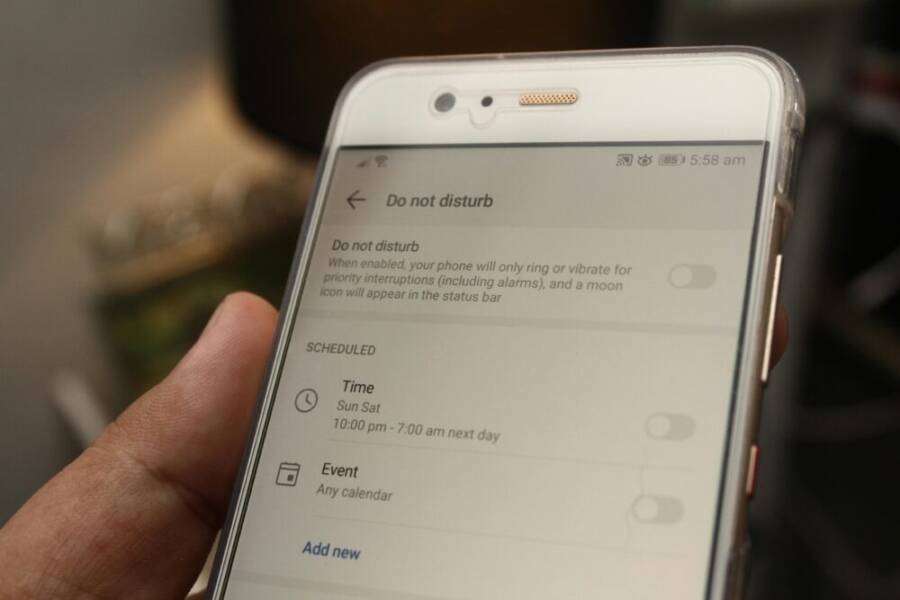
Image: A close look at iPhone notification settings on screen, illustrating tone selection and customization. Photo by Daniel Moises Magulado
Step by step: add a custom sound from your iPhone library
Follow these steps to bring a tone into your iPhone and assign it as a notification sound. The sequence is designed to be quick and repeatable for future tones.
- Prepare the file on a computer or within an app that exports to .m4r. If needed, convert to .m4r first.
- Transfer the .m4r file to your iPhone. You can use iCloud Drive, AirDrop, or a file management app that supports tone files.
- If you use iTunes or Finder on macOS, place the .m4r file into the Tones/Sounds section and sync your device. If you don’t use iTunes, rely on a file transfer method that keeps the file accessible on the device.
- On your iPhone, open Settings > Sounds & Haptics > Text Tone (or the specific alert type you want to customize).
- Tap Add New Sound or find the newly transferred tone in the list and select it. The tone should appear with its name as you saved it.
- To test the tone, send a test notification to yourself or have a friend text or email you. If it doesn’t play, revisit the transfer step to confirm the file is in the correct format and location.
Tips to ensure success:
- Keep file names simple and descriptive so you can find them easily in Settings.
- If a tone doesn’t appear, restart the iPhone or re-import the file. Some apps require you to reopen the Settings app after adding a new tone.
- To assign the tone to a specific contact, open the Contacts app, select the contact, choose Edit, then Text Tone or Ringtone and pick your new sound.
If you’re curious about alternative methods or third-party apps that streamline the process, explore credible guides and app recommendations. These resources often provide practical tweaks to speed up the workflow and help you manage multiple tones efficiently.
- Apps and guides for importing tones and creating custom ringtones
- Tutorials on syncing tones with macOS and Windows environments
Test and troubleshoot your new sound
After you set a new tone, spend a moment testing in realistic conditions. Send yourself a few test messages from different apps, and ask a friend to ping you. Listen for clarity, volume, and how quickly you notice the alert in various environments (quiet room, busy street, or office).
Common issues and fixes:
- The tone doesn’t show up in Settings: re-check the file format and location. Ensure the file is .m4r and correctly placed in the Tones folder if using Finder or iTunes.
- The tone plays but not loudly enough: adjust the volume or check Do Not Disturb and Focus modes, which can mute notifications.
- The tone sounds distorted: shorten the clip to a clean 1–3 seconds and re-export at a high quality, 44.1 kHz sample rate.
For more ideas on how to optimize notification sounds and build a practical tone library, see related guidance from iPhone customization resources and user experience discussions.
External resources:
- How to add custom ringtones on iPhone and manage tones on macOS and Windows
- iPhone notification customization guides from reputable tech sites
Per app or per contact tones on iPhone
You can tailor sounds for individual apps and for specific contacts, giving you precise control over what you hear and when. This approach helps you prioritize critical alerts while keeping other notifications unobtrusive.
Understanding the split:
- Per app sounds: Each app can use its own tone. This is ideal for time-sensitive tasks like messages from work teammates, security alerts from banking apps, or calendar reminders.
- Per contact tones: A unique alert for certain people helps you gauge importance at a glance. For example, family members or key collaborators can have distinct sounds.
How to apply per app sounds:
- Open Settings > Notifications and choose the app you want to customize.
- If the app supports per-app tones, you’ll see an option like Sounds or Alerts. Tap it and select your preferred tone.
- If the option isn’t visible, the app may not support per-app sounds. In that case, you can still assign a general alert tone to the app.
How to apply per contact sounds:
- Open the Contacts app and select the person.
- Choose Edit > Text Tone or Ringtone. Pick the custom tone you added.
- Some apps also allow you to set per contact tones for in-app messages. Check the app’s settings under Notifications.
Practical tips and caveats:
- Not all apps support per app sounds. If you don’t see the option, check for an app update or consult the app’s support resources.
- When you’re testing, simulate real-world scenarios like messages from a high-priority contact during a meeting to ensure the tone stands out.
- If you’re trying to manage a lot of tones, create a simple naming convention like “Work_Email_Alert” or “Mom_Text” to keep things organized.
If you want extra clarity on how per app and per contact sounds affect your day, look for posts that compare notification schemes and share real-world experiments. Reliable sources often discuss how users tune alerts for better focus and quicker responses.
- Discussions on how users map sounds to people and apps
- Guides on cross-platform notification design considerations
By combining per app and per contact tones, you gain a flexible, responsive notification system. The right setup helps you stay connected without pulling attention away from what you’re doing. If you’re ready to refine your sound strategy, the next sections will offer practical tips to maintain consistency and prevent tone fatigue over time.
Images:
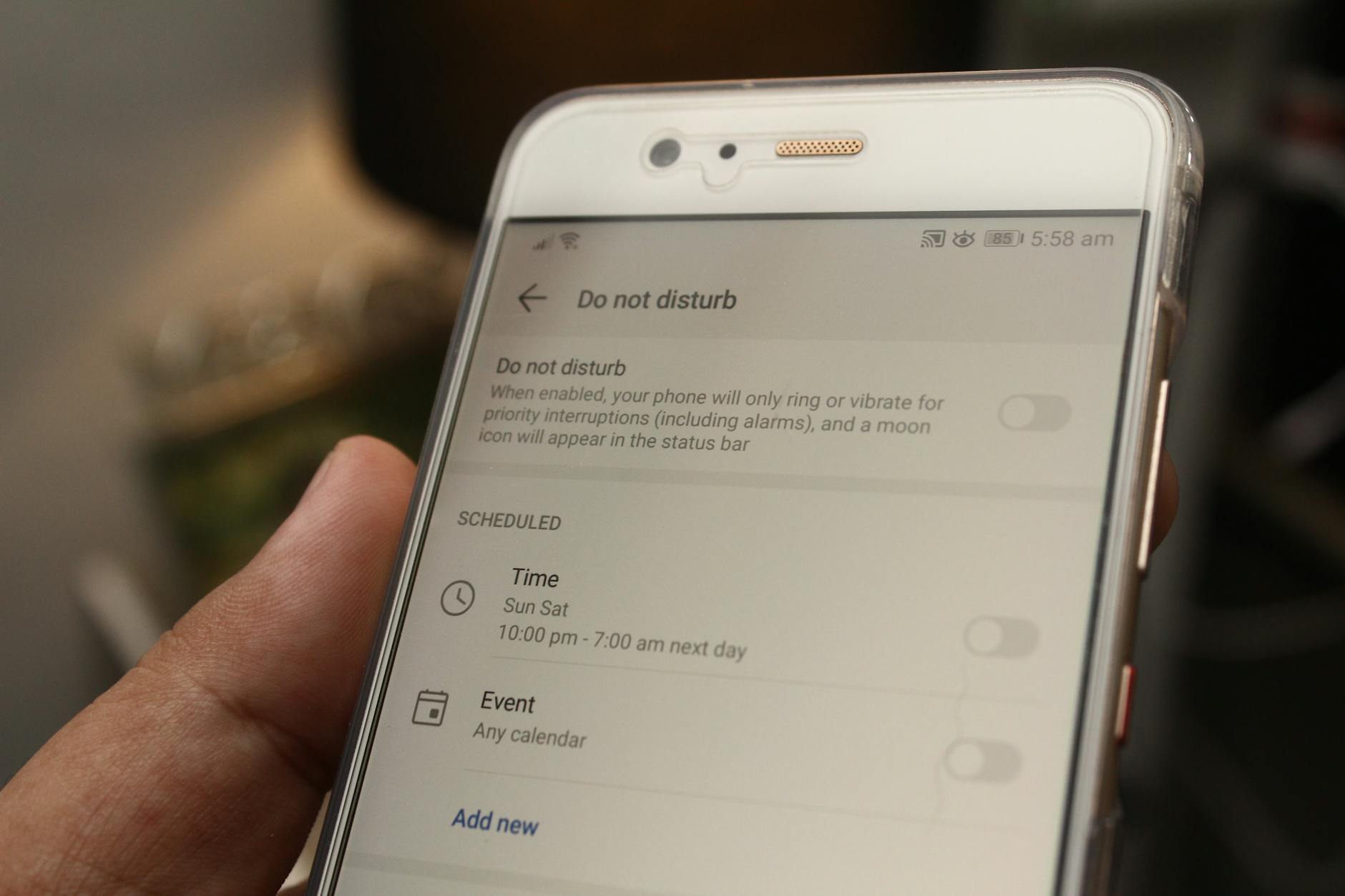 Photo by Daniel Moises Magulado
How to set custom notification sounds on Android
Custom notification sounds can turn a noisy phone into a precise alert system. In this section, you’ll find practical guidance on safely finding or creating the sounds, steps to set them up on Android, and tips for applying tones per app or contact. The aim is a straightforward, repeatable process that works across different devices and Android versions. As you read, think about how your smartphone can help you stay on top of important messages without becoming a distraction.
Find or download sounds for Android safely
Choosing safe, high-quality sounds starts with reputable sources and sensible file formats. Look for tones that are royalty-free or come with a clear license you can reuse. This protects you from copyright issues and keeps your device clean from potential malware.
- Favor well-known sound libraries and creator-curated catalogs. These often offer plain MP3 or OGG files that you can convert or trim as needed.
- Common formats you’ll encounter include MP3 and OGG. Some apps provide exports in WAV or AAC; you can convert these if needed.
- Be mindful of licenses. Royalty-free or in-house sound packs are typically fine to use for personal devices.
- When you download, scan files with your device’s security app before transferring them to your phone.
- If you want a quick curated starting point, these sources are reliable:
- Mixkit’s Free Notification Sound Effects library offers royalty-free options you can download directly.
- Pixabay’s sound effects catalog provides a large collection of royalty-free notification sounds you can search by mood or tone.
- Uppbeat lists a variety of free notification sounds suitable for mobile projects.
- Zedge hosts a broad library of free notification sounds and other customization options.
Tip: after you download a tone, test it on a computer or another device to ensure it plays clearly and at a suitable volume before moving it to your phone. For quick access, you can keep a small folder of tested tones in your cloud drive or on your phone’s local storage.
External resources:
- Download Free Notification Sound Effects: Mixkit
- Free Notification Sound Effects Download: Pixabay
- Free Notification Sounds: Uppbeat
- Free Notification Sounds on Zedge
Step by step: set a custom sound on Android devices
The exact path can vary by device and Android version, but the workflow is consistently clear. Follow these steps to place the audio file on your device and assign it to a notification channel or app.
Prepare the audio file. Make sure it’s in a compatible format (MP3 or OGG are widely supported). If you’re starting from a different format, use a simple converter to export to MP3 or OGG. Keep the clip short, ideally 1 to 3 seconds for a notification tone.
Move the file to your Android device. You can transfer via USB, use a cloud storage app, or send the file over Bluetooth. Save the file in a clearly named folder like “Notifications” to keep things organized.
Open Settings and locate your notification controls. On many devices, you’ll go to: Settings > Apps & notifications > [App name] > Notifications. On some devices you might see a separate “Sound” option within the app’s notification settings.
Assign the tone. If the app supports per-app sounds, select the specific notification category (such as message, email, or calendar) and choose Sounds. If your device uses notification channels, pick the channel you want to customize and select the new sound.
Test the setup. Trigger a notification from that app or ask a friend to send you a test message. Confirm the tone is audible and distinct enough in your environment.
If you don’t see a Sounds option, your device or app may not support per-app sounds. In that case, consider updating the app or using a broader approach, like switching to system sounds for general alerts.
Practical tips:
- Keep track of where you store tones. A simple naming convention helps you find the right sound quickly.
- If a tone doesn’t appear in the list, ensure the file is in a supported format and placed in a location the system can access. A quick restart can help the OS recognize new files.
- For devices with custom skins, such as Samsung One UI or Xiaomi MIUI, the exact menu labels may vary, but the general steps stay the same.
If you want extra guidance based on your specific device, you can check manufacturer support pages or user forums for model-specific paths.
Apply sounds per app or per contact on Android
Android gives you flexibility to tailor sounds by app or even by contact, though the exact options depend on your manufacturer and OS version. Here’s how to approach both.
Per app sounds:
- Open Settings and navigate to Apps & notifications or the equivalent on your device.
- Tap the app you want to customize. Look for an option named Notifications, Sounds, or Alerts.
- Choose the tone you want. If the app supports multiple notification channels, repeat the process for each channel to tailor different alerts.
- If you don’t see a Sound option, the app may not support per-app sounds. In that case, you can still assign a general alert tone to the app.
Per contact tones:
- Some messaging apps allow per-contact notification sounds directly within the app settings. Look for an individual contact’s notification options and pick a tone.
- If your phone’s Contacts app supports it, you can assign a specific text tone or ringtone to a contact. Open the contact, choose Edit, then Text tone or Ringtone, and pick your preferred sound.
- Not all apps provide per-contact tones. If you don’t see the option, check for app updates or use the general alert tone for that app.
Practical caveats:
- Not every app will support per app sounds. Check the app’s support resources or update history if you need this capability.
- When testing, simulate real life scenarios, such as a high priority contact messaging during a meeting, to ensure the tone stands out without being disruptive.
- If you manage many tones, create a simple naming scheme like “Work_Email” or “Mom_Text” to stay organized.
If you want to deepen your understanding, explore discussions and guides that compare notification strategies across Android devices. These resources often reveal how different devices implement per app and system sounds and how users respond to different configurations.
External resources:
- App-specific notification sound guidance from user communities
- Cross-device discussions on notification design and user experience
By combining per app and per contact tones, you gain a flexible, responsive notification system. The right setup makes alerts clearer, helps you stay connected, and reduces the mental effort of managing notifications. If you’re ready to refine your Android sound strategy, keep experimenting with tones and channel configurations, testing in real-world conditions to preserve focus and responsiveness.
External links for further exploration:
- Mixkit: Free notification sounds
- Pixabay: Free notification sound effects
- Uppbeat: Free notification sounds
- Zedge: Free notification sounds
Note: If you have a specific Android model or launcher, I can tailor the steps to match your exact menus and labels, ensuring you reach a quick, reliable setup.
Troubleshooting and best practices for custom sounds
Custom sounds make notifications instantly recognizable and easier to manage. This section shares practical troubleshooting steps, solid formatting guidance, and organization habits that keep your sound library tidy and reliable across devices. Follow these tips to avoid common pitfalls and to maintain your tone library as you upgrade or switch phones.
Sound not playing or not showing up
If a new tone doesn’t appear or won’t play, run through a quick, efficient checklist. Start with the basics and then move to more technical checks. A smartphone is only as good as its ability to access the right file at the right moment, so treat these steps like a confidence check before you blame the hardware.
- Verify volume and alerts: ensure the device volume is up and that ringer/notification volume is not muted. Check if Focus or Do Not Disturb is active, as these modes can suppress sounds.
- Confirm mute and sound settings: inspect hardware mute switches (on some devices) and confirm that the app’s notification permission is granted. Some apps require explicit permission to play sounds in the background.
- Check per-app vs system sounds: confirm you’re adjusting the correct setting. If a specific app isn’t producing a sound, it may not support per-app tones or you may be editing the wrong notification channel.
- Test in a quiet environment: simulate real world situations. Have a friend send a test message or use a reminder to trigger a notification while you’re in a quiet room.
- Reboot as a simple reset: a quick restart can clear stuck processes and refresh the notification system. It’s often the fastest way to fix a non responding tone.
- Look for recent updates: app or OS updates can change how sounds are handled. If a tone worked yesterday but not today, check for updates or known issues in release notes.
- Double check the file type and location: ensure the file is in a supported format and placed where the system expects them to be. If you’re unsure, reimport the tone from a trusted source.
If the problem persists, consider testing a different file. A short, clean sample (1–3 seconds) in a widely supported format is typically enough to confirm whether the issue lies with the file or the system. For more background on common causes and fixes, you can consult cross platform forums and official guides that address per app and system sound behavior.
External resources:
- App-specific notification sound guidance from user communities
- Cross-device discussions on notification design and user experience
Converting and saving the right file format
A reliable notification tone starts with the right format. iPhone and Android handle tones differently, but you can keep your workflow smooth by preparing files ahead of time and storing them where you can access them quickly during setup.
- Know the basics: iPhone often prefers the .m4r format for ringtones, while Android supports MP3 and OGG most broadly. If you’re starting from another format, plan a quick conversion step.
- Keep files lightweight: aim for short clips, typically 1 to 3 seconds. Short tones are crisper and less likely to loop awkwardly in apps that repeat notifications.
- Convert with a purpose: convert to a widely supported format before moving to your phone. Use a trusted converter and test the result on a computer before transferring.
- Name thoughtfully: descriptive names help you locate tones fast once you’re in Settings. A clear label saves time during setup and when you’re managing multiple tones.
Where to save them for quick access:
- Create a dedicated folder in your cloud storage that mirrors your device’s tone folder. This keeps your tones accessible whether you’re on iPhone or Android.
- On Android, save tones to a folder you can easily reach from the file manager or the app you use to move files to the device.
- On iPhone, keep a local copy or a saved version in a synced location so you can reimport without hunting through archives.
If you need inspiration on reliable sources for tones, reputable guides emphasize safe sourcing and proper licensing. It’s smart to test files in a controlled way before you rely on them for daily use. For more context on format compatibility and tone management, these resources can be useful:
- How to add custom ringtones on iPhone and manage tones on macOS and Windows
- iPhone notification customization guides from reputable tech sites
Tips for organizing your tones and backups
A tidy tone library saves time and protects you from losing custom sounds during resets or device changes. A simple, scalable structure helps you stay on top of dozens of tones without chaos.
- Simple folder structure: create a top level folder named “Notification Tones” with subfolders by device or use case, for example, “Work,” “Personal,” and “System.” Within each, keep files grouped by app or contact.
- Clear file names: adopt a consistent naming convention like AppName_ToneName_Turpose (for example, WhatsApp_BadgeUrgent or Mom_Text_LovelyChime). This clarity makes scanning quick.
- Regular backups: schedule periodic backups of your tone library to the cloud or an external drive. If you reset a device or switch phones, you can restore tones with minimal fuss.
- Use metadata where possible: add notes within the file name or a separate text file describing the tone (length, intended app, and any licensing notes). This helps if you revisit tones after months of use.
- Track changes: keep a small changelog for new tones and removals. It helps you remember what you added and why you changed it.
An organized approach reduces fatigue and makes it easier to scale up your tone library. It also makes cross device setups smoother since you can replicate a consistent sound profile on a new smartphone. If you’re curious about broader best practices for notification design, you’ll find thoughtful discussions in credible resources that compare how users interact with per app and system sounds, which can inform your setup decisions.
External resources:
- Mixkit: Free notification sounds
- Pixabay: Free notification sound effects
Practical tips for long term maintenance:
- Schedule a quarterly review to refresh tones that feel stale or overly familiar.
- Archive old tones rather than deleting them. You may want to reuse a classic sound later.
- Keep a master list of tones used for important apps. You can quickly reassign if you upgrade devices.
By keeping a simple, logical folder structure, descriptive names, and regular backups, your custom sounds stay accessible and useful no matter what device you’re using. The goal is a familiar, quick audio cue for every high priority alert while keeping everything tidy and portable.
Conclusion
Custom notification sounds make your smartphone feel more responsive and organized. Start by choosing safe, compatible formats, then add tones to your library and assign them to apps or contacts. Test a few options to see what fits your day, and tweak as needed.
Check each app’s own notification settings and use system controls like quiet hours and focus modes to reduce interruptions. Try several tones for different scenarios and keep a simple naming system to stay organized.
Share your favorite tones in the comments so others can try them too.