What If the Only Thing Between You and the Life You Deserve Is a Hidden Wealth Code Waiting to Be Activated
>>> Open the Door <<<

If your phone keeps coughing up connection errors, a quick reset might be just what you need. This quick fix clears out the old, corrupted networking data and returns your phone to a clean slate for network settings.
In this guide we’ll explain what a reset network settings does and when it helps. You’ll learn exactly what is erased and what isn’t, so you can decide if this step fits your Android or iPhone troubleshooting plan. The goal is to restore reliable Wi Fi, Bluetooth, mobile data, and VPN access without touching your photos or apps.
You’ll also find practical, step by step instructions for both Android and iPhone. After the reset, you’ll reconnect to networks, re pair devices, and reconfigure any VPN or APN settings. If you’re battling stubborn connectivity issues, this safe, often effective option is worth trying.
Why reset network settings is a useful first step
When connectivity acts up, a quick reset of network settings often wins back reliability without diving into more complex fixes. It’s a safe, non-destructive way to clear out stale or corrupted data that can cause frustrating Wi Fi, Bluetooth, or cellular issues. Think of it as a fresh start for your phone’s network brain. You’ll typically keep your apps and photos intact, but you’ll lose saved Wi Fi networks, paired Bluetooth devices, and some mobile data configurations. That trade-off is usually worth it when reinstalling or re-pairing everything back to normal resolves the problem.
There Is a Frequency That the Wealthiest Families Have Used for Generations and Most People Will Never Know It Exists
>>> Open the Door <<<

This approach works best as an early step in your troubleshooting flow. If you’re facing stubborn connections, a reset can stop the problem from dragging on and prevent you from trying more invasive or time-consuming fixes. Below, you’ll see practical scenarios where a reset shines, plus other issues that often improve after this action.
When a reset fixes stubborn Wi Fi and Bluetooth problems
A lot of network headaches come down to a mess of outdated settings or minor data corruption. Here are typical situations where a reset can be your simplest path back to reliable connectivity:
- A home Wi Fi network that won’t show up on your phone or keeps dropping the connection. You see the network name briefly and then it disappears, or the connection repeatedly disconnects during streaming or video calls.
- Bluetooth devices that won’t pair or frequently drop the connection with headphones, speakers, or car systems.
- A phone that can’t connect to the internet even though the Wi Fi icon looks active, or when other devices connect fine to the same network.
Why it helps: a network reset clears out the list of remembered networks, erases stuck security keys, and returns many settings to their defaults. That often resolves the root cause without tedious, device-by-device tinkering. After the reset, you’ll rejoin your home networks and re-pair accessories, but the new baseline items are clean and uncorrupted. For a quick reference on what a reset does and how to perform it on both major platforms, see Apple’s support guidance and Android-focused guides. For example, Apple explains how to reset network settings if you can’t connect to Wi-Fi on your iPhone, and Android-focused guides outline steps for resetting on Android devices. Apple Support: If you can’t connect to Wi-Fi on your iPhone or iPad describes the process and what to expect, while Android-specific explanations offer platform-specific steps and caveats.
- If you’re dealing with a stubborn home network, the reset can make your phone forget an old credential that’s causing a conflict with the router’s security settings.
- If Bluetooth keeps dropping in the car or with wireless earbuds, a fresh pairing path often clears the interference that built up from repeated failed connections.
If you want a practical walkthrough, look at concise guides that walk through the steps for iOS and Android. They emphasize the same outcomes: a clean slate for your wireless connections, followed by reconfiguration. The core idea is simple—remove the clutter, reestablish trusted connections, and test again. You’ll likely notice faster, more stable Wi Fi and smoother Bluetooth behavior after you re-pair devices.
For further reading on how this works in practice, see the Android and iOS reset explanations and troubleshooting resources from reputable sources. These guides reinforce that a reset is a sensible first step before jumping into more involved fixes. Android Police: How to reset your Android or iOS network settings to fix … provides an easy, step-by-step overview, while Apple Support article on network issues offers platform-specific context and cautions.
Other issues that improve after a reset
Resetting network settings hits more than just the obvious Wi Fi and Bluetooth problems. It also benefits a range of flaky network behaviors that bug users but aren’t tied to a single symptom. After a reset, many settings revert to their defaults, which can eliminate stubborn glitches that creep in over time.
- Mixed signal issues: You might notice odd network behavior when the phone oscillates between cellular data and Wi Fi or when signal indicators don’t reflect actual connectivity. A reset rebalances these handoffs by restoring standard preferences.
- VPN or proxy glitches: If a VPN keeps disconnecting or a proxy stops routing traffic correctly, a reset clears out any broken route rules or stale credentials that blocked traffic. You can reconfigure VPNs with fresh keys and profiles afterward.
- Network selection quirks: Some devices end up stuck on a poor network selection due to cached preferences. Returning to default settings helps the device pick the best available option again.
- Occasional slow data: Apps may seem sluggish if the device has misconfigured APN (Access Point Name) settings or other mobile data toggles. A reset sets these to carrier defaults, which often improves speed and reliability.
The core takeaway is straightforward: a reset returns many network settings to their baseline state. This simple recalibration can wipe away glitches that make it hard to stay connected, especially if you’ve tried other fixes without success.
Strong, concise guidance for readers who want a quick plan:
- Start with a reset when Wi Fi or Bluetooth act erratically after software updates or app installations.
- If VPN or proxy traffic feels blocked or slow, consider a reset before reinstalling VPN profiles.
- After the reset, rejoin networks and re-pair devices one by one to confirm each connection is solid.
Useful resources and official statements can help you understand what to expect after a reset. For iPhone users, Apple’s support pages outline the steps and the scope of what gets reset, while Android users can follow platform-specific guides that lay out the same expectations. Apple Support: If you can’t connect to Wi-Fi on your iPhone or iPad and Android Police: How to reset your Android or iOS network settings offer practical angles and confirmation of common outcomes.
If you’re curious about how this fits into a broader troubleshooting flow, you can pair the reset with an orderly reconfiguration plan. Reconnect to your home networks, re-pair Bluetooth accessories, and verify VPN or APN configurations. This approach minimizes regression and helps you measure the impact of the reset quickly.
External links used in this section provide practical context and step-by-step clarity for both major platforms. They’re meant to reinforce your understanding without replacing hands-on testing. You’ll find more detailed steps and platform-specific nuances in the linked guides, which you can reference as you write or edit your own troubleshooting checklist.
What resets and what stays the same
When you reset network settings on your Android or iPhone, think of it as turning a few switches back to their factory defaults. You’ll clear out old network data, reinitialize connections, and start fresh with your wireless setup. This section calls out exactly what changes and what remains intact so you can decide when this step makes sense in your troubleshooting flow.
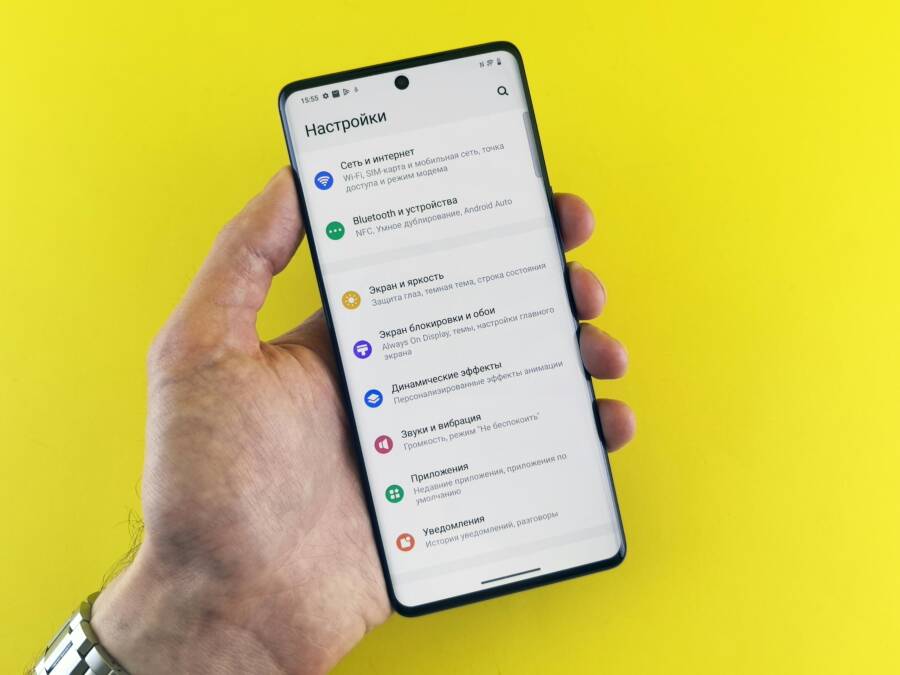
 Photo by Andrey Matveev
What gets reset
A network reset clears several settings tied to wireless connectivity. Here’s what you should expect:
- Saved Wi Fi networks and passwords are removed. You’ll need to reconnect to familiar networks and re-enter credentials.
- Bluetooth pairings are deleted. Reconnect your headphones, speakers, or car systems by re-pairing them.
- Mobile data configurations revert to default. APN settings, preferred network mode, and other carrier-specific toggles return to carrier defaults.
- VPN and proxy configurations are removed. You’ll have to configure your VPN or proxy again with fresh profiles.
- Custom network settings are lost. DNS selections, static IP addresses, and any manual network tweaks disappear.
Why this matters: removing stale credentials and misconfigured routes helps eliminate connection conflicts that accumulate over time. After the reset, you start with a clean slate and can re-establish trusted networks and services from scratch. If you want more step-by-step context, these official sources explain what gets reset and what to expect on each platform: Apple Support: If you can’t connect to Wi-Fi on your iPhone or iPad and Android-related guidance from Android Police.
In practice, you’ll perform the reset when you notice persistent Wi Fi or Bluetooth issues after software updates or new apps. A fresh start for network data often resolves stubborn glitches without touching your photos or apps, which stay safe on the device.
If you want a quick mental model, imagine your phone’s network stack as a messy desk. A reset clears the clutter, returns essential items to their place, and lets you rebuild your setup with a stable foundation.
What does not get deleted
Worried about losing personal data? Relax. A network settings reset focuses narrowly on connectivity. The areas that stay intact include:
- Photos, videos, apps, and other personal data remain untouched. Your memory of chats, contacts, and documents stays ok.
- Your accounts and sign-in information for services stay intact, though you may need to re-authenticate some apps after reestablishing network connections.
- System apps and most device configurations outside networking are unaffected. You won’t lose saved passwords for apps that store credentials locally unless they rely specifically on network settings.
The practical takeaway is simple: this is a targeted reset for network pathways, not a factory data wipe. After you rejoin networks and re-pair devices, you’ll notice normal app usage and data access returning quickly.
For further clarity, you can review platform-specific guidance that reiterates this scope. Apple’s guidance on network issues clarifies what resets entail, while Android guides describe the same boundaries in practical terms. See Apple Support: Reset iPhone settings to their defaults for details about the broader reset processes and their effects.
To help you plan your next steps, here’s a concise post-reset checklist:
- Reconnect to your home Wi Fi networks.
- Re-pair Bluetooth devices one by one to confirm solid connections.
- Reconfigure VPN and APN settings if you use them, verifying that the new profiles work as expected.
External references to deepen understanding while you troubleshoot:
- For Android and iPhone network reset basics, see Android Police: How to reset your Android or iOS network settings.
- For iPhone specific reset guidance, consult Apple Support: Reset iPhone settings to their defaults.
If you’re tracking the impact of the reset, measure outcomes after you rejoin networks and test common tasks like streaming, calling, and browsing. The goal is a stable, usable network experience without reintroducing the same old hiccups.
Images and captions provide a quick visual cue to readers, helping them see what a network settings reset looks like in practice. When you’re ready, you can continue with the next section in your guide to complete the troubleshooting flow.
She Pressed Play on a Strange Audio Track and Within Days Her Financial Reality Started Shifting in Ways She Could Not Explain
>>> See How It Works <<<

General Android pathway to reset network settings
If you’re chasing a quick fix for stubborn Wi Fi or Bluetooth issues on an Android device, there’s a reliable move you can try early in the troubleshooting process: reset network settings. This action clears out saved networks, stale Bluetooth pairings, and carrier data that can cause intermittent problems. It’s not a full factory reset; it targets network plumbing so you can reconnect cleanly afterward. Below is a generic route many Android phones share, designed to be quick and easy to follow.
- Open the Settings app. Look for a gear icon on your home screen or app drawer.
- Find “System” or “General management.” On some devices this is under a different label, but it’s typically near the bottom of the Settings menu.
- Tap “Reset options.” If you can’t find it, use the search within Settings and type “reset.”
- Choose “Reset Wi-Fi, mobile data, and Bluetooth” or a similarly named option like “Reset network settings.” Some devices label it as “Reset network settings” directly.
- Confirm the reset. You’ll likely need to enter your device PIN, pattern, or password to proceed.
- Complete the reset and restart your phone if prompted. After the reboot, you’ll need to rejoin saved networks and re-pair Bluetooth devices.
- Reconfigure essential connections. Reconnect to your home Wi Fi, re-pair headphones or car systems, and reestablish any VPN or mobile data configurations you use.
Why this helps: the reset wipes corrupted settings and outdated credentials that can slip through routine updates. You get a clean slate for your wireless connections, which often restores reliability without diving into deeper fixes. For readers who want a quick cross-reference, see guidance from Android-focused resources that outline the same steps in clear terms.
External references you can consult for a quick snapshot of the process include general Android network reset guidance and platform-specific notes. For example, Apple users have separate guidance for iPhone, while Android-focused guides lay out the same core steps in a platform-agnostic way. See practical overviews such as Android-focused reset explanations and official support articles for context.
- How to reset network settings on Android on various devices: https://en.androidsis.com/How-to-reset-network-settings-on-android
- A general Android network setting reset overview: https://help.nordlayer.com/docs/how-to-reset-network-settings-on-android
Samsung Galaxy specific path
Samsung devices follow a variant of the Android reset flow, but the path and labeling can differ slightly from other brands. If you own a Galaxy phone, you’ll often see two common labelings for the same end result: “Reset network settings” or “Reset Wi Fi, mobile data & Bluetooth.” The steps below map the typical Samsung route, using the most common menu names you’ll encounter on Galaxy devices from recent generations.
- Open the Settings app.
- Tap General management. On some models this might be under a broader menu called “Connections” or a similar label.
- Select Reset or Reset options. You’re looking for the option that handles network data rather than a full factory reset.
- Choose Reset network settings. If your device shows Reset Wi Fi, mobile data & Bluetooth, that option serves the same purpose.
- Confirm with your PIN, password, or fingerprint if prompted. The device will begin the reset process.
- After the reset completes, restart the phone if asked. You will need to reconnect to Wi Fi networks and re-pair Bluetooth devices.
- Reconfigure your network essentials. Add back your preferred Wi Fi networks, re-link Bluetooth accessories, and reestablish any VPN or APN settings as needed.
Label variations you might see on Samsung devices are common. Some models present the option as Reset network settings and others display Reset Wi Fi, mobile data & Bluetooth. Either path accomplishes the same goal: a refreshed network configuration that can remove stubborn conflicts and improve connectivity.
If you’d like a quick sanity check after the reset, try connecting to your home network, streaming a video, and pairing a Bluetooth headset. Samsung users frequently report that these steps resolve most post-reset hiccups and make reconfiguration feel straightforward.
To explore official Samsung guidance and device-specific notes, you can reference brand-aligned support resources that outline the same sequence in the context of Galaxy hardware.
- Samsung Galaxy support on network reset basics: https://www.verizon.com/support/knowledge-base-309514/
Google Pixel and other Android devices path
Pixel devices and many other Android brands share a similar core approach but vary in exact labeling and path. For Pixel users, the reset route typically appears under System settings, with an emphasis on “Reset options.” This route focuses on wiping only network-related data while preserving your apps and media.
- Open the Settings app.
- Tap System. This is usually near the bottom of the main Settings menu.
- Tap Advanced to expand more options if needed.
- Tap Reset options. Here you’ll find the reset choices specific to networks.
- Choose Reset Wi-Fi, mobile & Bluetooth or a similarly named option. On some Pixel devices you may see a variant labeled as Reset network settings.
- Confirm with your device passcode or pattern. The reset will begin immediately.
- After the device restarts, reconnect to Wi Fi networks and re-pair Bluetooth accessories. You’ll also need to reconfigure any VPN or APN settings if you use them.
There are subtle UI differences across Android 13 through Android 16 era devices. While the core concept stays the same, you might see minor wording changes or slight rearrangements in the menu. If you’re unsure, a quick search within Settings for “reset network settings” will usually surface the right option.
Pixel-specific guidance often highlights the hardware-agnostic nature of the process. It’s a safe step to take when you notice slow Wi Fi, unstable Bluetooth connections, or odd data behavior after a software update. After the reset, it’s common to test a few scenarios: loading a webpage, streaming a video, and connecting a Bluetooth device to confirm stability.
For readers seeking official Pixel or carrier guidance, consider these resources as practical references:
- Connect to mobile networks on a Pixel phone: https://support.google.com/pixelphone/answer/2926415?hl=en
- Pixel reset guidance and related tips: https://support.google.com/pixelphone/answer/2926415
External sources also show how different carriers document the Pixel reset process and how to approach carrier-provided eSIM or SIM changes after a reset.
Get more context on how the Pixel path aligns with other Android devices by looking at carrier-specific guides that describe the same steps with device-tailored wording. A typical Pixel reset path helps you quickly reestablish reliable network behavior without affecting your photos or apps.
- Pixel network reset overview: https://support.google.com/pixelphone/answer/2926415
If you’re planning next steps after any of these resets, keep the following practical tips in mind:
- After the reset, move through a controlled reconfiguration: connect to your home Wi Fi first, then add Bluetooth devices one by one.
- If you rely on an eSIM, you may need to re-add it after a network reset. Check your carrier’s guidance for reactivation steps.
- Keep expectations realistic. Some devices may require a brief re-authentication across apps that access the network in the background.
To deepen your understanding, you can check platform-specific guides for nuance and edge cases. For example, Android and iPhone reset guides explain the broader implications, while brand-focused pages provide device-specific labels and flows. The main idea remains the same: reset network settings to clear stale credentials, then re-establish trusted connections for improved reliability.
External references and further reading:
- General Android network reset overview: https://en.androidsis.com/How-to-reset-network-settings-on-android
- Samsung Galaxy network reset guidance: https://www.verizon.com/support/knowledge-base-309514/
- Google Pixel network settings and reset options: https://support.google.com/pixelphone/answer/2926415?hl=en
This section keeps the focus tight on practical steps while giving readers a clear sense of what to expect on different Android brands. It’s the kind of move that pays off quickly when you’re battling flaky Wi Fi or unreliable Bluetooth.
How to Reset Network Settings on iPhone Devices
If you’re troubleshooting persistent connectivity issues on your iPhone, resetting network settings can be a quick, low-risk move. It clears out cached network data and gives your phone a fresh setup for Wi-Fi, Bluetooth, and cellular connections. After the reset, you’ll reconnect to networks and re-pair devices, but your photos and apps stay intact. This section walks you through the exact steps on iPhone and shares practical tips to get back to smooth networking fast.
iPhone step by step
Follow these steps to reset network settings on your iPhone. It’s a simple, repeatable process that takes a few seconds, but the payoff can be a noticeably steadier connection.
- Open the Settings app.
- Tap General.
- Scroll down and tap Transfer or Reset iPhone. (On older iOS versions, you might see Reset instead of Transfer or Reset iPhone.)
- Tap Reset.
- Select Reset Network Settings.
- Enter your passcode if prompted and confirm.
- Your iPhone will restart. After it comes back up, you’ll need to reconnect to familiar Wi-Fi networks and re-pair Bluetooth devices.
What to expect: the phone resets its network configurations to default. You’ll lose saved Wi‑Fi networks and passwords, Bluetooth pairings, and some mobile data settings, but you won’t lose any personal data or apps. Be ready to rejoin networks and re-establish VPNs or APN settings if you use them. For official guidance that mirrors this process, see Apple Support resources on resetting network settings. For example, Apple’s guidance covers what gets reset and how to approach it on iPhone. You can read more here: https://support.apple.com/en-us/111786 and the related iPhone reset guide here: https://support.apple.com/guide/iphone/reset-iphone-settings-iphea1c2fe48/ios.
If you rely on VPNs or custom carrier settings, expect to reconfigure them after the reset. It’s a normal part of the process and usually only takes a few minutes to get your network stack back to optimal performance. After the reset, test by connecting to your home network, trying a quick web browse, and then testing a Bluetooth accessory to confirm stability.
Thousands of People Were Struggling With Money Until They Discovered This One Ancient Secret Hidden in Sound
>>> Unlock It Now <<<

iOS tips after reset
Once the reset finishes, use these practical steps to restore your normal connectivity quickly. The goal is to reestablish trusted networks and make sure everything returns to a reliable baseline.
- Reconnect to known Wi‑Fi networks first. This helps apps and services that rely on a stable internet connection resume normal operation.
- Re-pair Bluetooth accessories one by one. Start with frequently used devices like headphones, car kits, and wearable tech to avoid guesswork.
- Reconfigure VPN if you use one. Reinstall profiles and test to ensure traffic routes are working as expected.
- Re-enter carrier APN settings if needed. If you relied on specific carrier configurations for MMS or data optimization, reapply them after the reset.
If you’re curious about official guidance, Apple’s support pages outline the steps and the scope of what gets reset. They also provide context on how to handle network issues after the reset. See the official page and related Apple guidance for more details: https://support.apple.com/en-us/111786 and the iPhone reset guide: https://support.apple.com/guide/iphone/reset-iphone-settings-iphea1c2fe48/ios.
After you complete these steps, give your phone a quick test routine:
- Open a web page to confirm Wi‑Fi or cellular data is working.
- Play a short video to ensure streaming is stable.
- Connect a Bluetooth device and verify audio or other functions are solid.
By following these steps and tips, you can quickly recover reliable network behavior without losing any personal data. If you want to explore more, consider checking Apple’s broader guidance on resetting iPhone settings and how these resets fit into overall device maintenance.
Conclusion
A network reset fixes many connectivity hiccups by clearing stale network data while leaving your personal data intact. After the reset you must reconnect to Wi Fi networks, re pair Bluetooth devices, and re configure VPN or APN settings if you use them. It’s a safe, quick step that often restores reliable wireless performance without a full factory wipe.
As you move forward, back up important network settings before you reset, then test key tasks like streaming, calling, and web browsing to verify stability. If you’re troubleshooting a stubborn smartphone issue, consider trying a reset early in your flow and compare performance before and after. Have you tried a network reset recently, and did you notice an improvement?
What If the Only Thing Between You and the Life You Deserve Is a Hidden Wealth Code Waiting to Be Activated
>>> Open the Door <<<